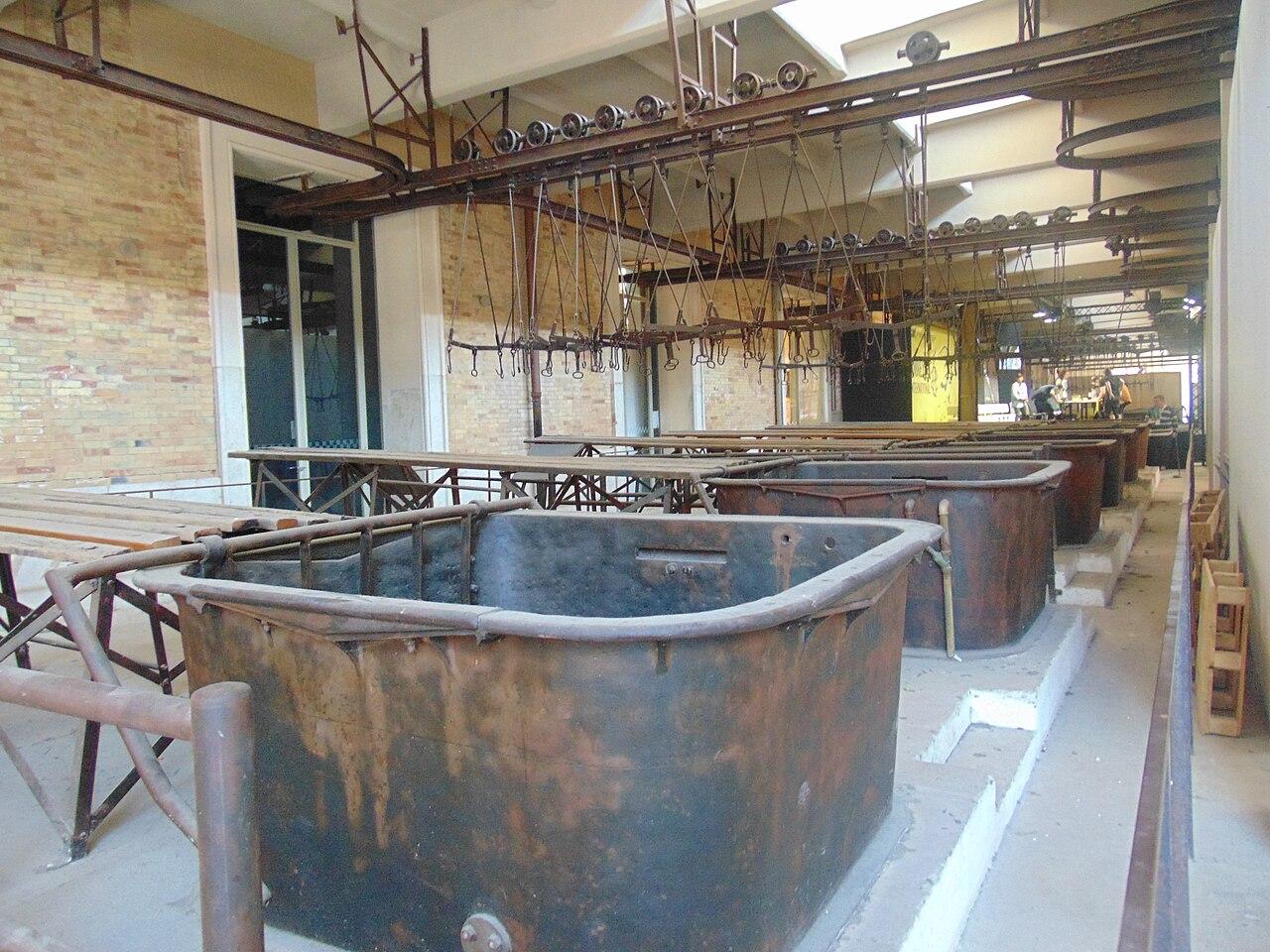
This huge complex of iron and brick was Rome's slaughterhouse between 1890 and 1975, and it's what gave the whole neighbourhood its character.
The workers were paid partly in kind, with the parts of the animal nobody else wanted to buy: tail, trotter, stomach, lung. A whole kitchen grew out of that, which Romans call the , the fifth quarter, alongside the four quarters that did get sold. The dishes from that kitchen still turn up on every menu around here.
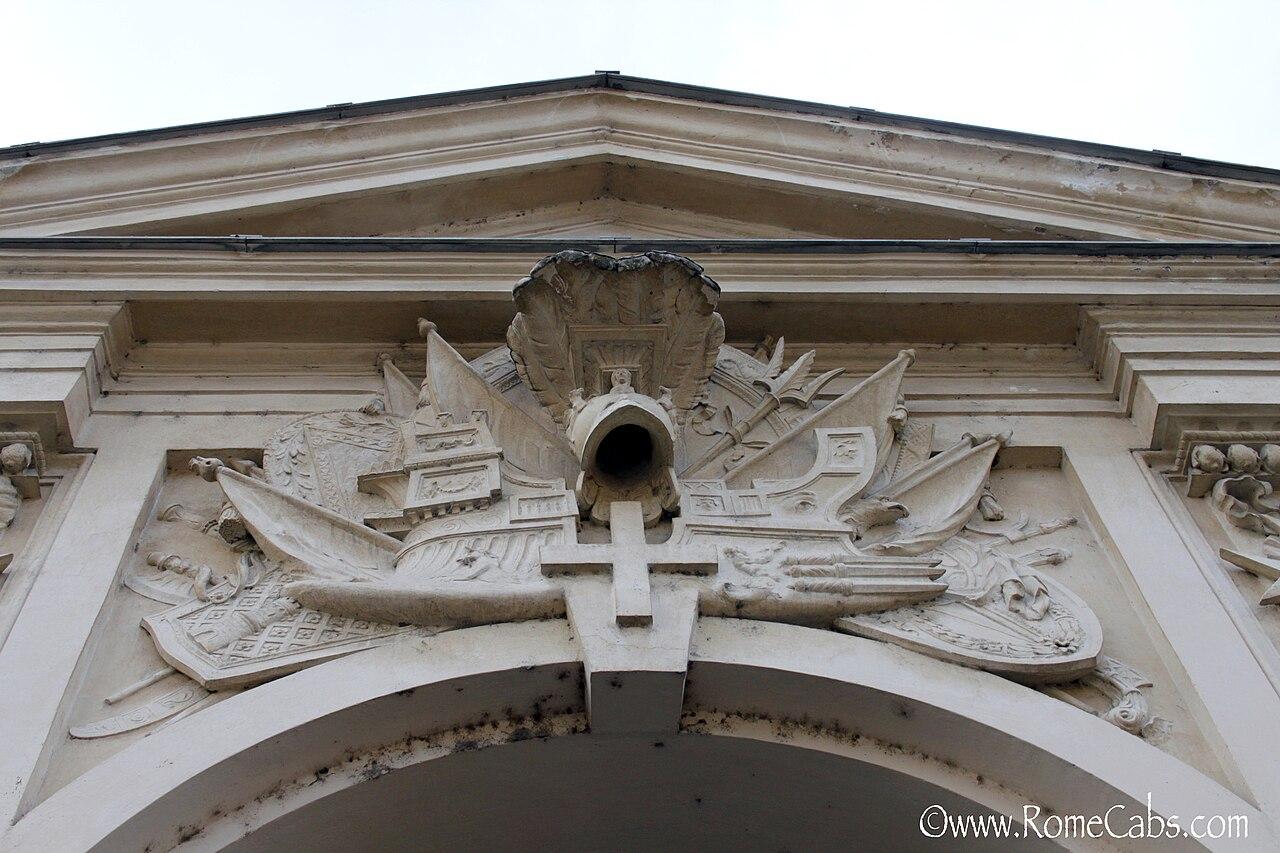
The building itself is a lovely piece of nineteenth-century industrial architecture, with cast iron roofs and long halls, designed by , the city architect behind much of Rome's public building at the time.
Since it closed, it's been home to a mix of art academy, museum space, market and squatted corners, so on one courtyard you'll find an exhibition and on the next a graffiti wall.
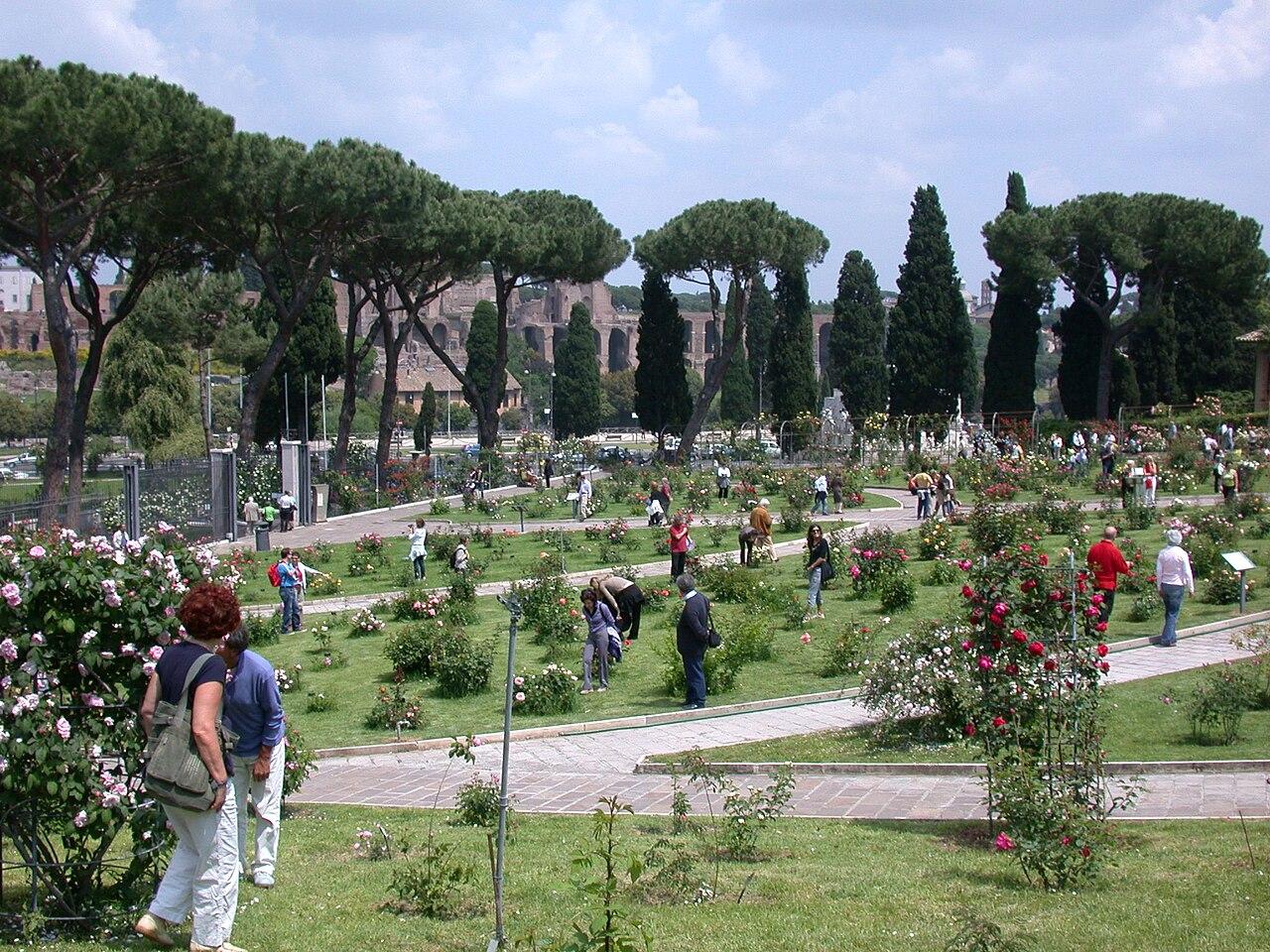
We take Via Marmorata north and turn right onto the Clivo dei Publicii, the road that winds its way up the hill.
Sources. Story: Sovrintendenza Capitolina ai Beni Culturali (former Mattatoio di Testaccio); Treccani (quinto quarto, Roman cuisine) Photos: Photo: Nicholas Gemini (Wikimedia Commons, CC BY-SA 4.0)