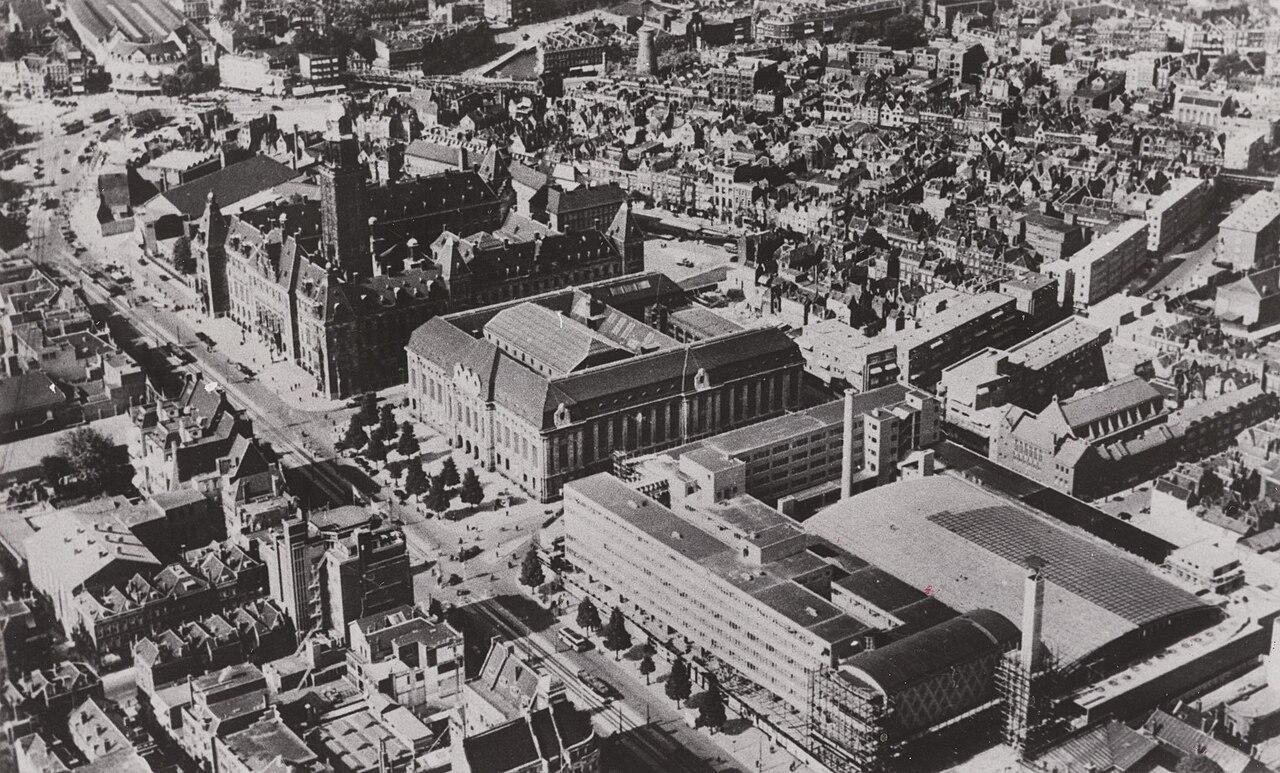
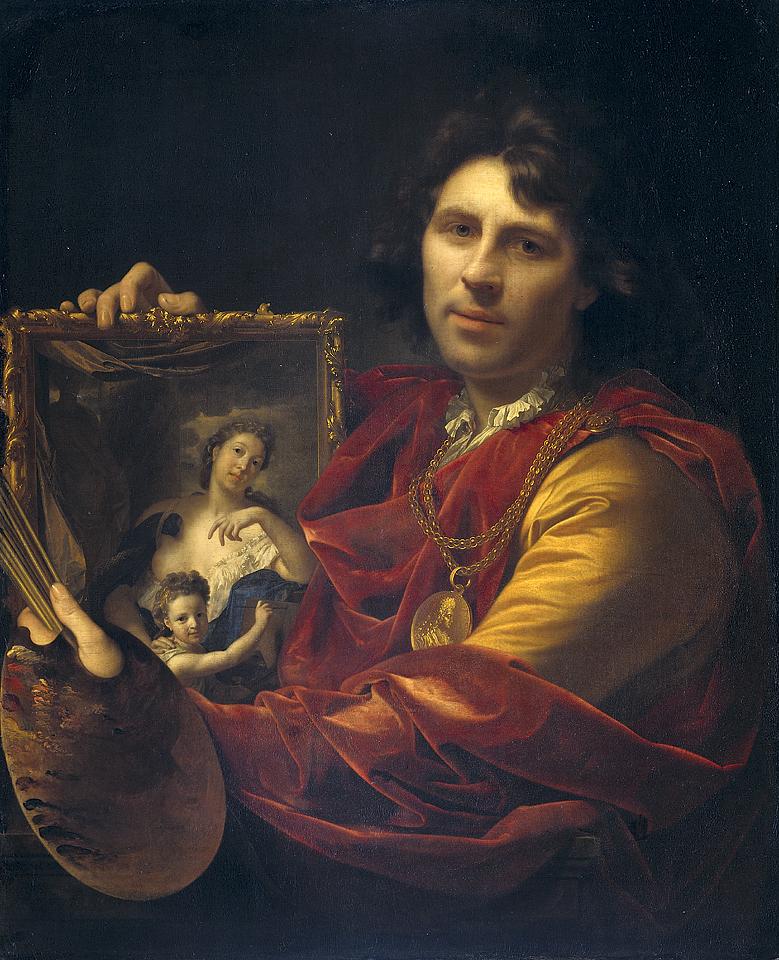
Beneath your feet once lay the floor of the Rotterdam merchants' exchange, a stately building on the Blaak that vanished in along with everything around it. The man who designed it was known across Europe mainly as a painter.
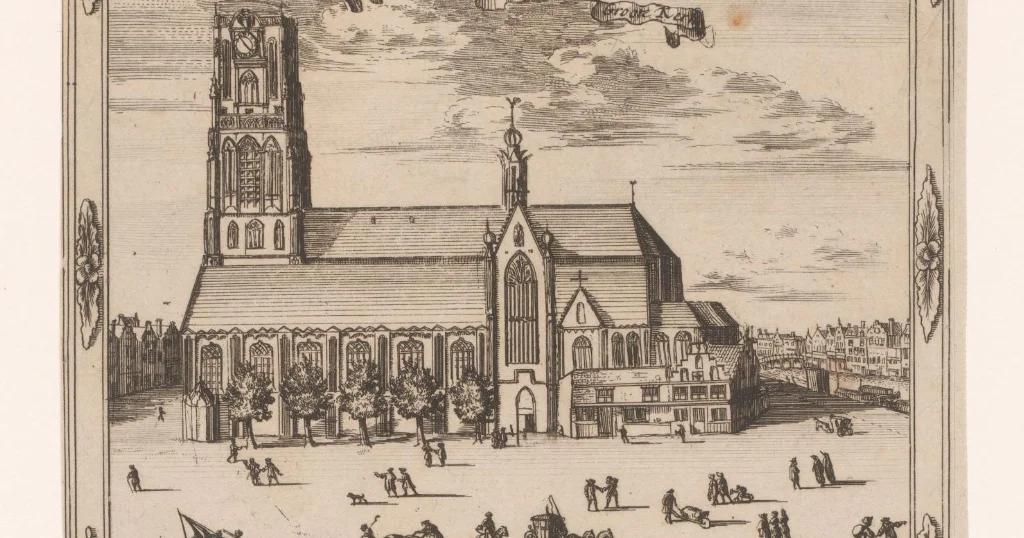
Adriaen van der Werff, a miller's son from Kralingen, started his apprenticeship at twelve and learned a technique so smooth it looked like glass, giving his canvases the appearance of paintings done on enamel. In 1696 he became court painter in Düsseldorf on a salary that left his colleagues reeling, and in 1703 he was raised to the nobility, after which he signed every canvas with the word chevalier. When he died in 1722, the bells of the , Rotterdam's great medieval church, rang for four hours.
His paintings now hang in Amsterdam, Munich and Saint Petersburg. Of his buildings, only what survives on paper remains, because the exchange and the merchant houses in this neighbourhood were all lost in 1940.
We walk south now, into the Bierstraat, where an exile is waiting, a man who from Rotterdam set all of Europe questioning.
Sources. Story: Canon van Rotterdam; Stadsarchief Rotterdam Photos: Adriaen van der Werff, Public domain, via Wikimedia Commons