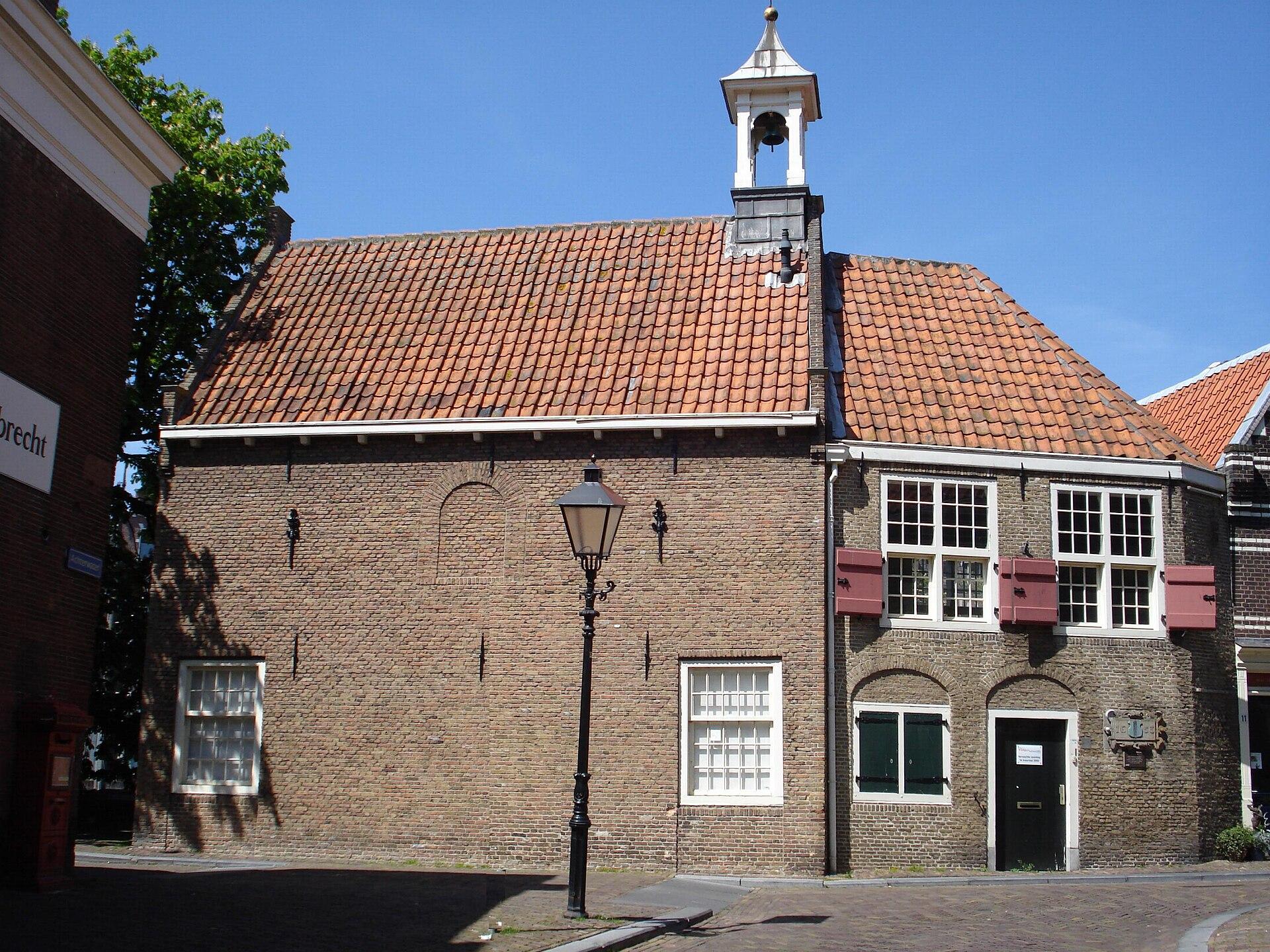
A little bell hangs above this house from 1653, and that bell decided whether you ate that day. The moment a ship carrying grain was unloaded, it rang, and the sack carriers came running.
There were almost always more of them than were needed. So whoever got the work was decided with dice. You walked over at the sound of the bell, threw a roll, and only then knew whether you had any wages.
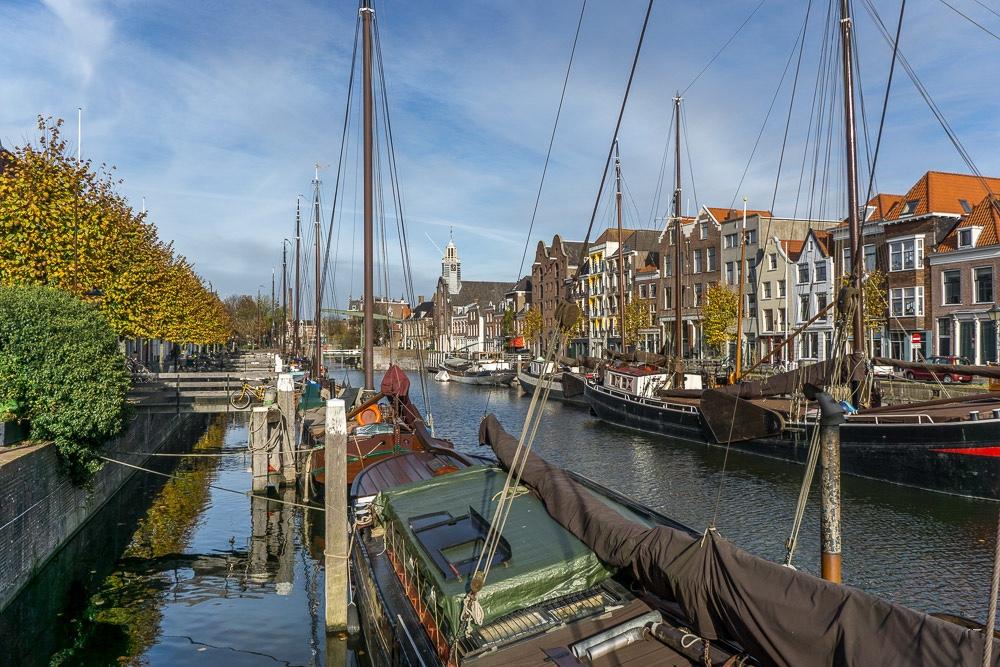
The work itself was the backbone of , a harbour district on the edge of Rotterdam. The sacks of grain that arrived here were the raw material for the gin distilleries, and they were hauled on men's backs to the warehouses and the stills. The kept that work in its own hands for centuries, and the last sack carriers worked at , a local tobacco and coffee factory, until 1943.
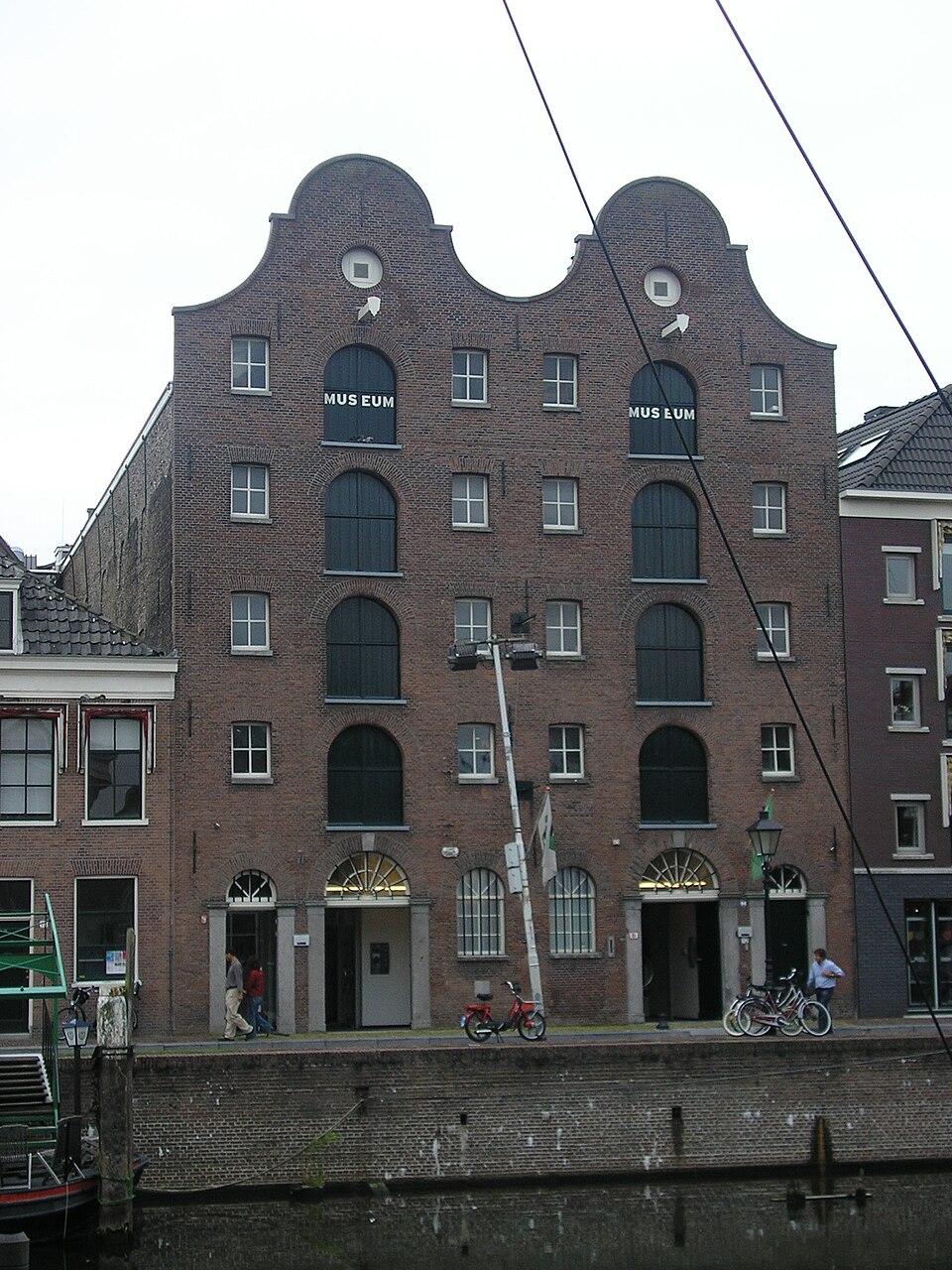
After that, the little building did just about everything. It was a prison, a storehouse, the office of the police commissioner, and until 2007 a pewter foundry that worked with bronze moulds, some of them dating back to the seventeenth century. Since 2017 it has held a theatre hall for thirty people.
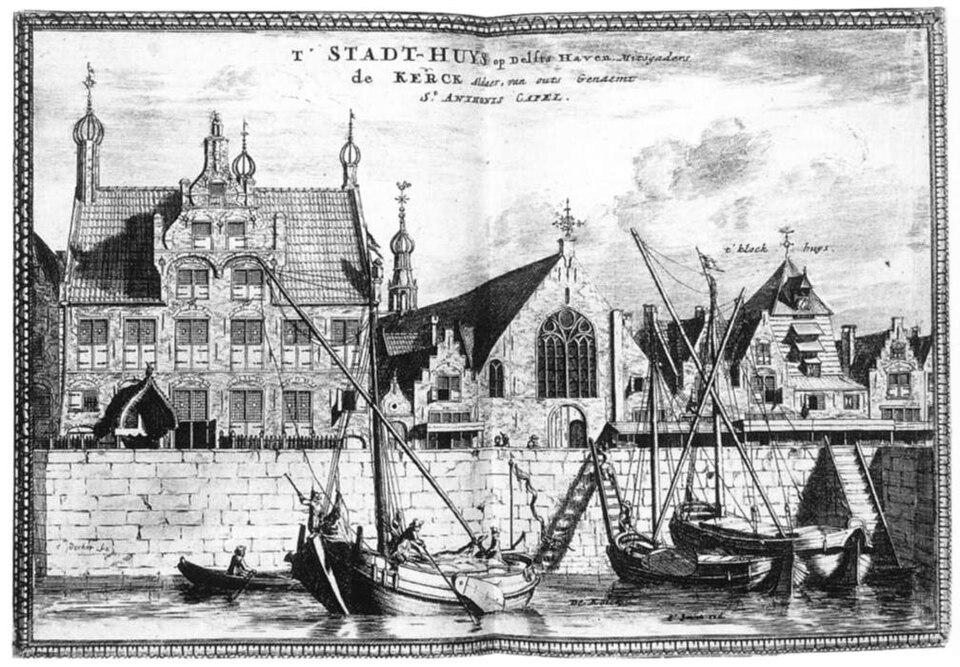
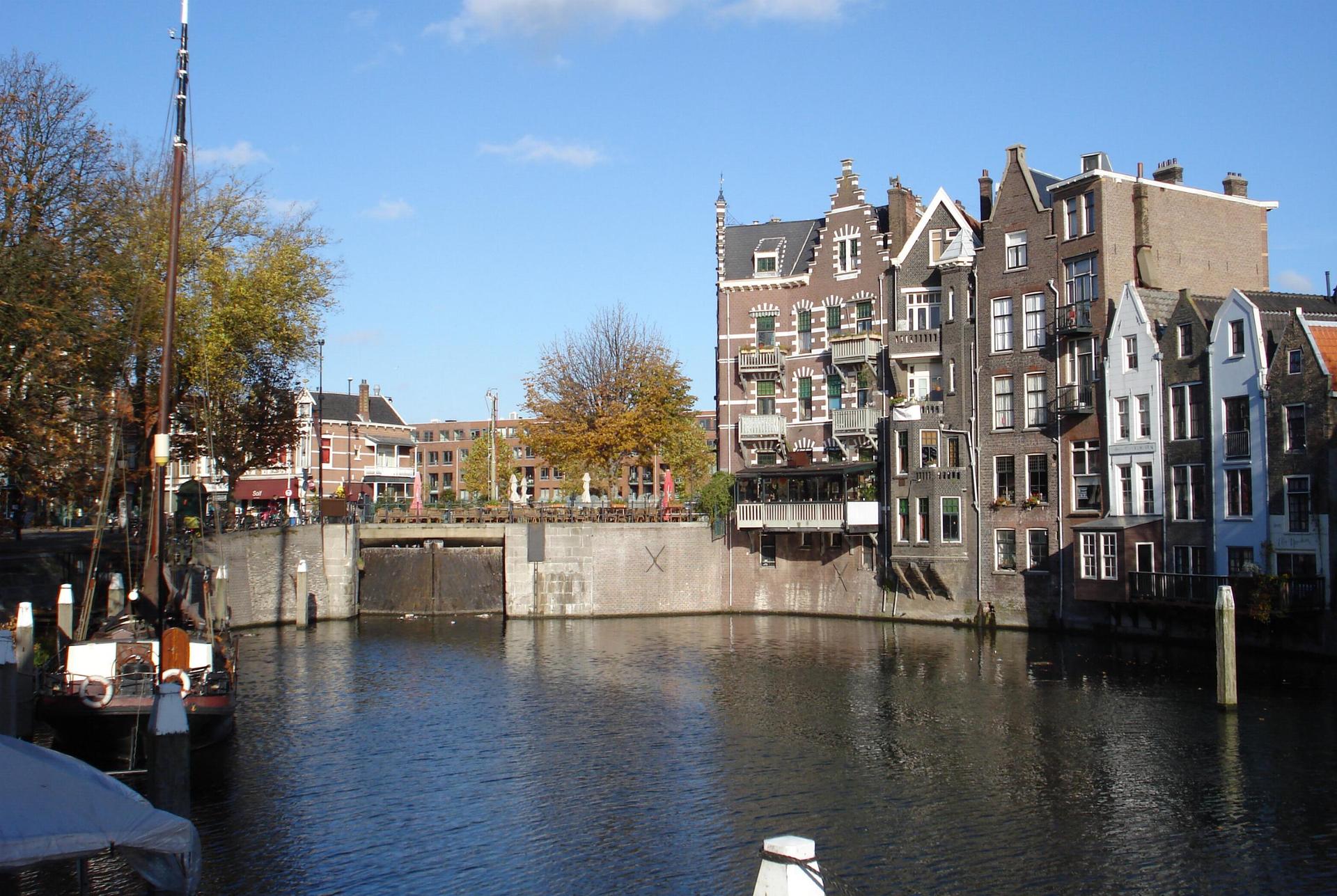
Beside the house stands the crane house, and the gate beneath it opens straight onto the water, because the crane loaded directly from the ships.
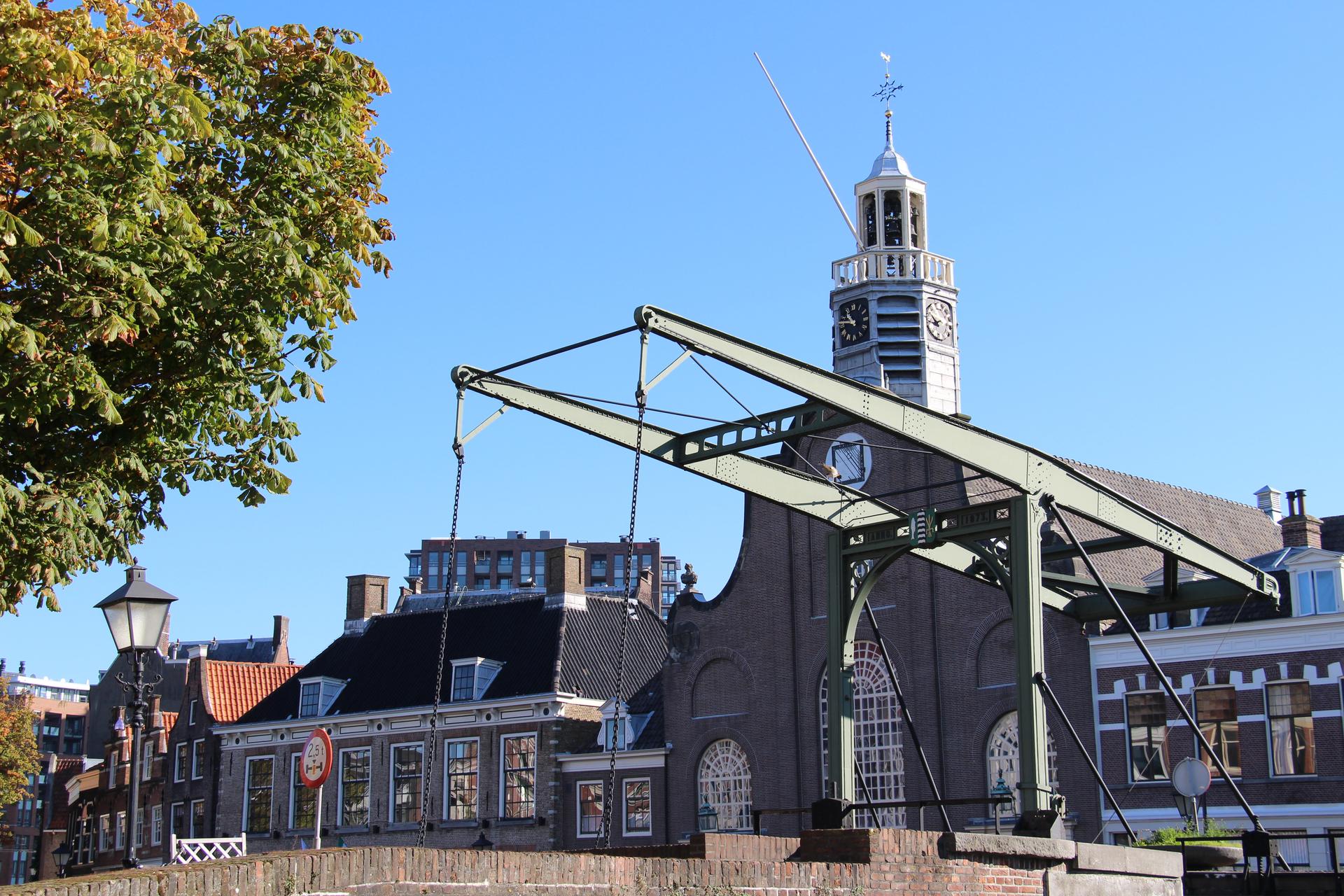
We follow the Aelbrechtskolk until we see a façade with a little wooden tower on top.
Sources. Story: Stichting Het Zakkendragershuisje; Historisch Delfshaven; Stadsherstel Historisch Rotterdam Photos: Photo 1: Wikifrits, 2007, via Wikimedia Commons, public domain. Photo 2: Beeldbank Rijksdienst voor het Cultureel Erfgoed, CC BY-SA 4.0