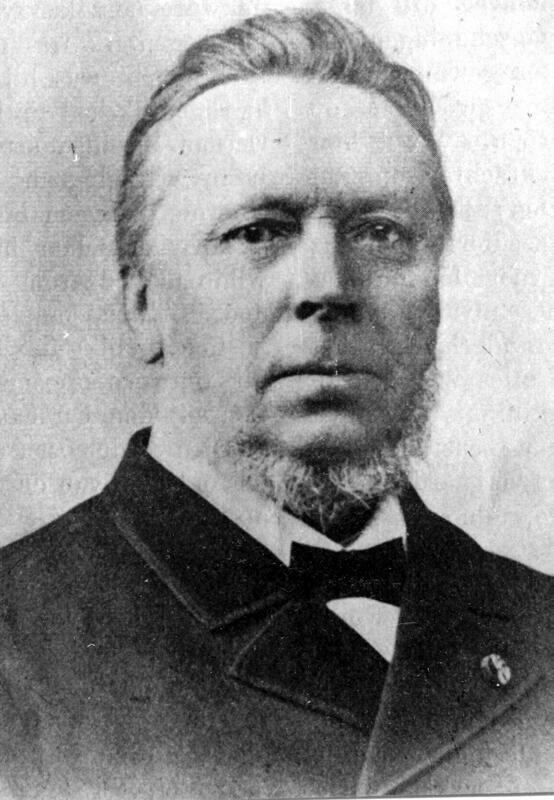
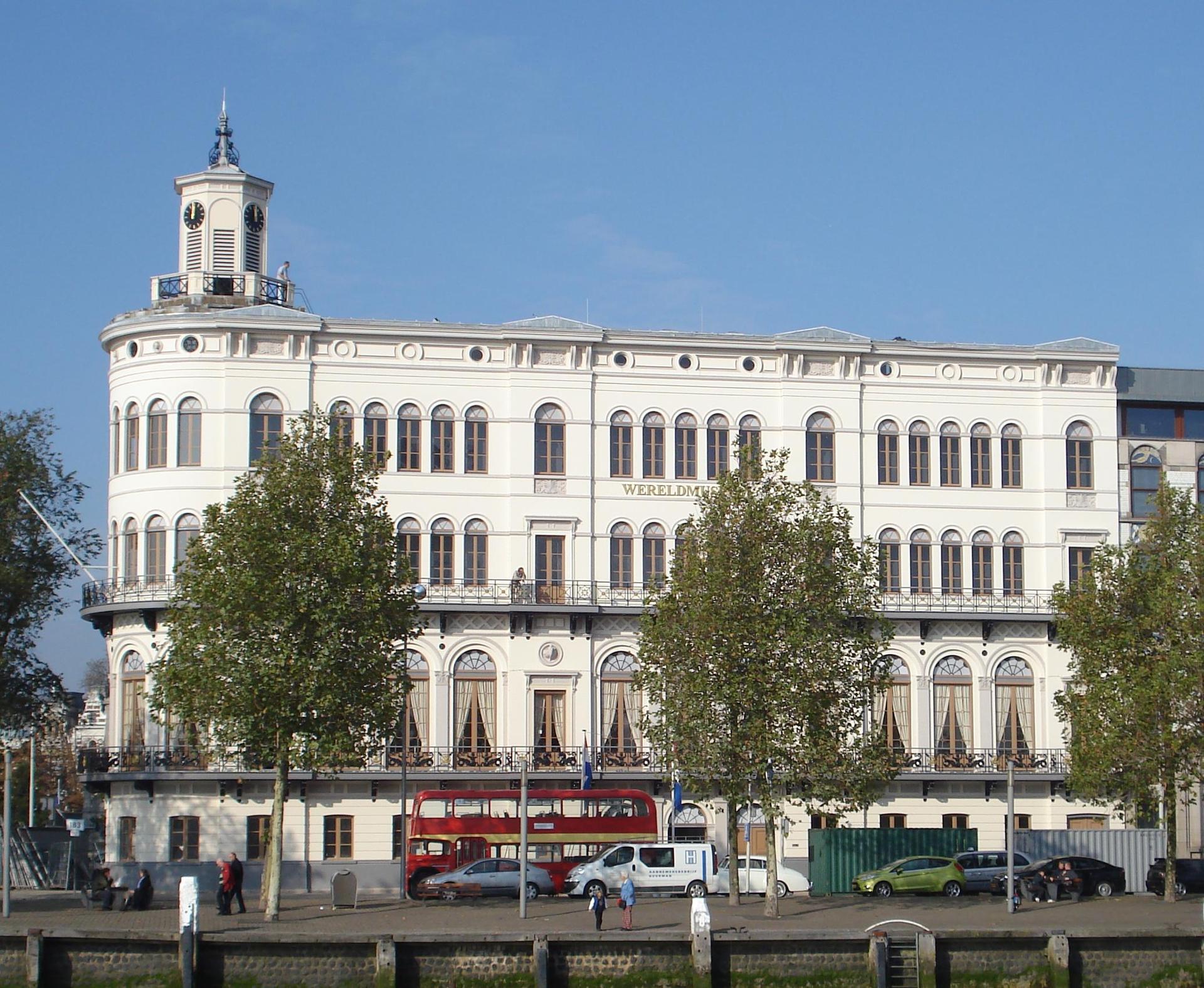
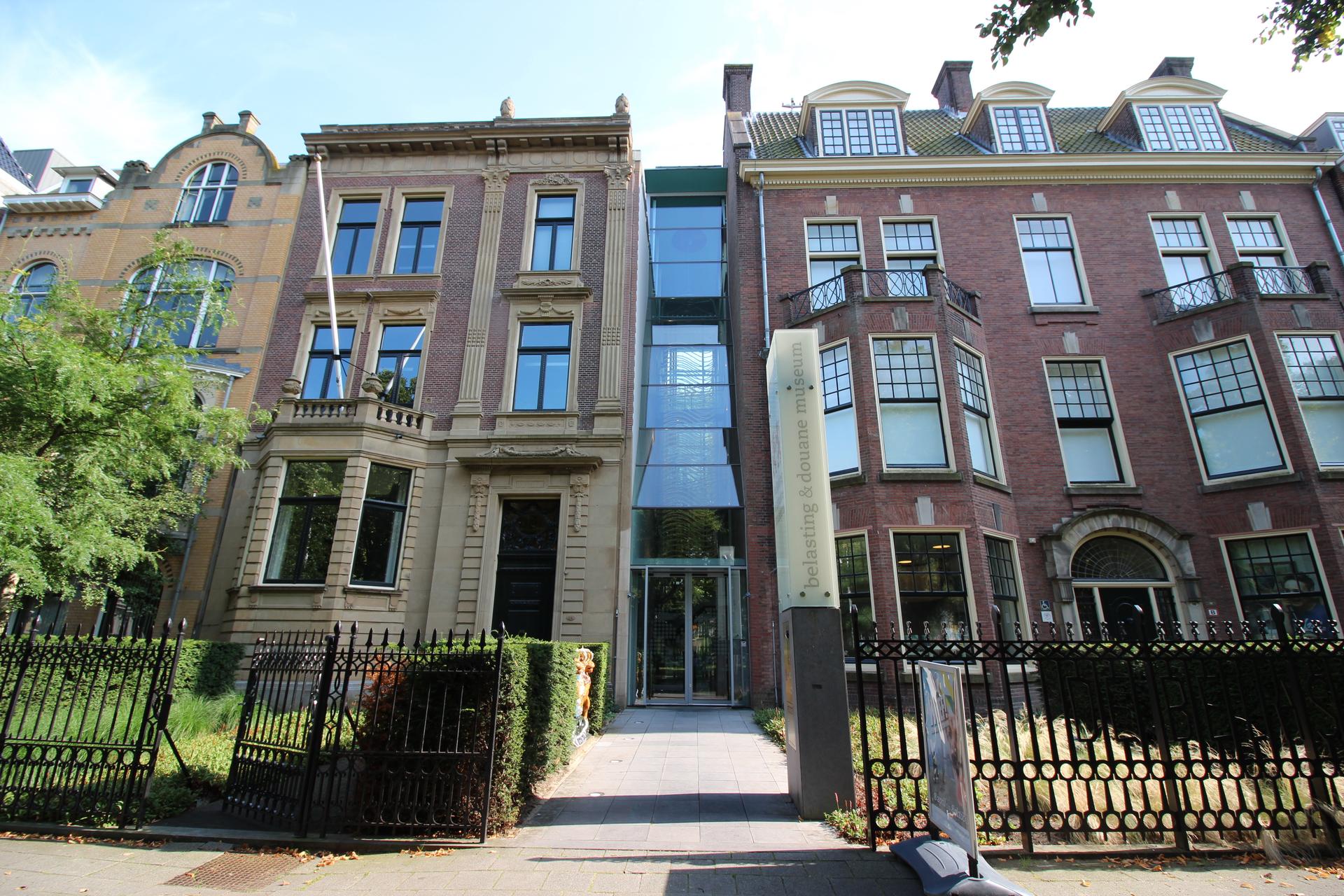
On the Parklaan, in a stately nineteenth-century villa in the district, you'll find a museum devoted to the one subject most people would rather avoid entirely: taxes. It all started in 1937 as teaching material, when Professor J. van der Poel, director of the , decided his students should learn the history of the tax system through real objects, so he began putting together a collection.
That collection grew into something far stranger, because taxes brought customs, and customs brought smuggling. In the display cases you'll find whatever customs officers pulled out of suitcases and ship's holds over the years, from stuffed birds of paradise to an elephant's foot that someone had converted into an umbrella stand.
The museum also shows you how deeply taxation reached into everyday life. The Dutch once paid tax per hearth, , per pound of soap and even per servant, and once you know that, you'll never look at old houses with a bricked-up window in the facade quite the same way again. Rotterdam, a city that lived for centuries on imports and transit trade, is exactly the right place for this story.
Sources. Story: Belasting & Douane Museum Rotterdam (bdmuseum.nl); Museum.nl, Belasting & Douane Museum; Wikipedia, Belasting & Douane Museum Photos: Bic, CC BY-SA 4.0, via Wikimedia Commons