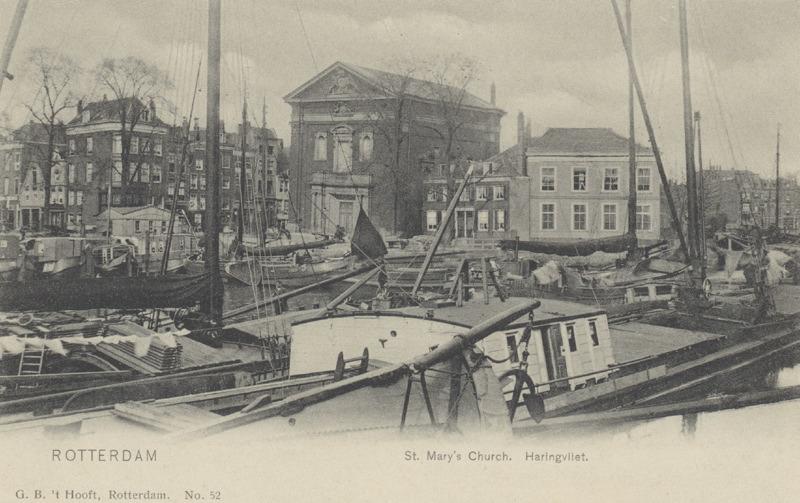
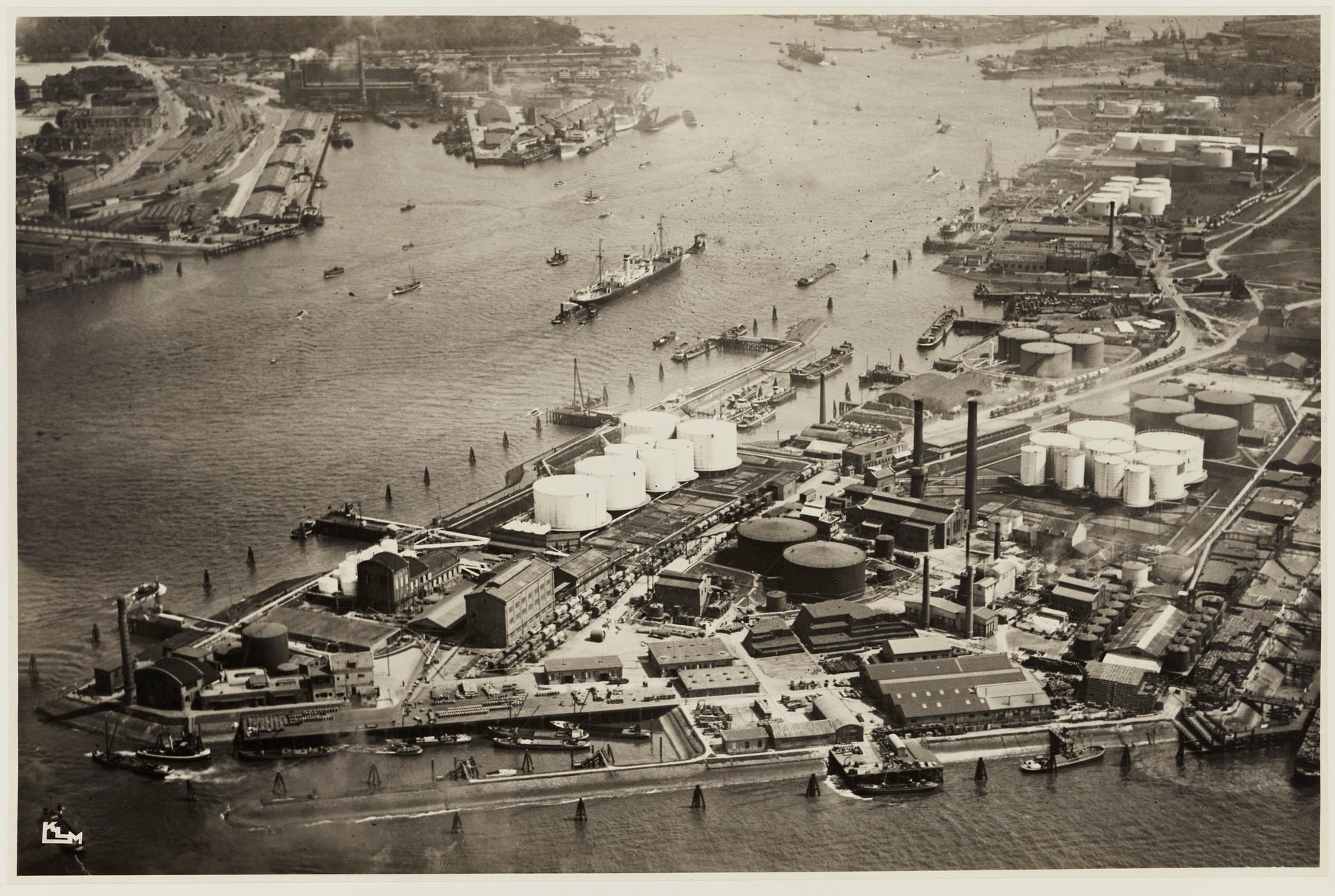
You are standing on the Sluisjesdijk, once the heart of Rotterdam’s oil industry. In the second half of the nineteenth century, this area saw the rise of petroleum, often called ‘black gold.’ What used to be a simple dike along the Maas became a site full of storage tanks and refineries.The first oil storage in Rotterdam was in 1862 at the Boompjes, but due to fire hazards, it was soon moved to the south bank of the Maas.
The Sluisjesdijk in Charlois proved ideal and became home to oil companies like Esso and Shell. Shell built a refinery here for oil from the Dutch East Indies, producing products like gasoline and lubricants.Work continued day and night, with chimneys and tanks dominating the skyline.
The industry attracted many workers, driving economic growth and city expansion. From the 1930s, the oil industry shifted westward. Rotterdam expanded by annexing Pernis and Hoogvliet in 1934, followed by the development of Botlek, Europoort, and Maasvlakte. This made Rotterdam one of the world’s largest oil ports.The Sluisjesdijk lost its role as the oil center, but the history of black gold remains visible here. The smell of oil is gone, but the site remains key to the city’s growth as a port.
Sources. Story: Source Story: Canon van Rotterdam Photos: Source Photo: Stadsarchief Rotterdam