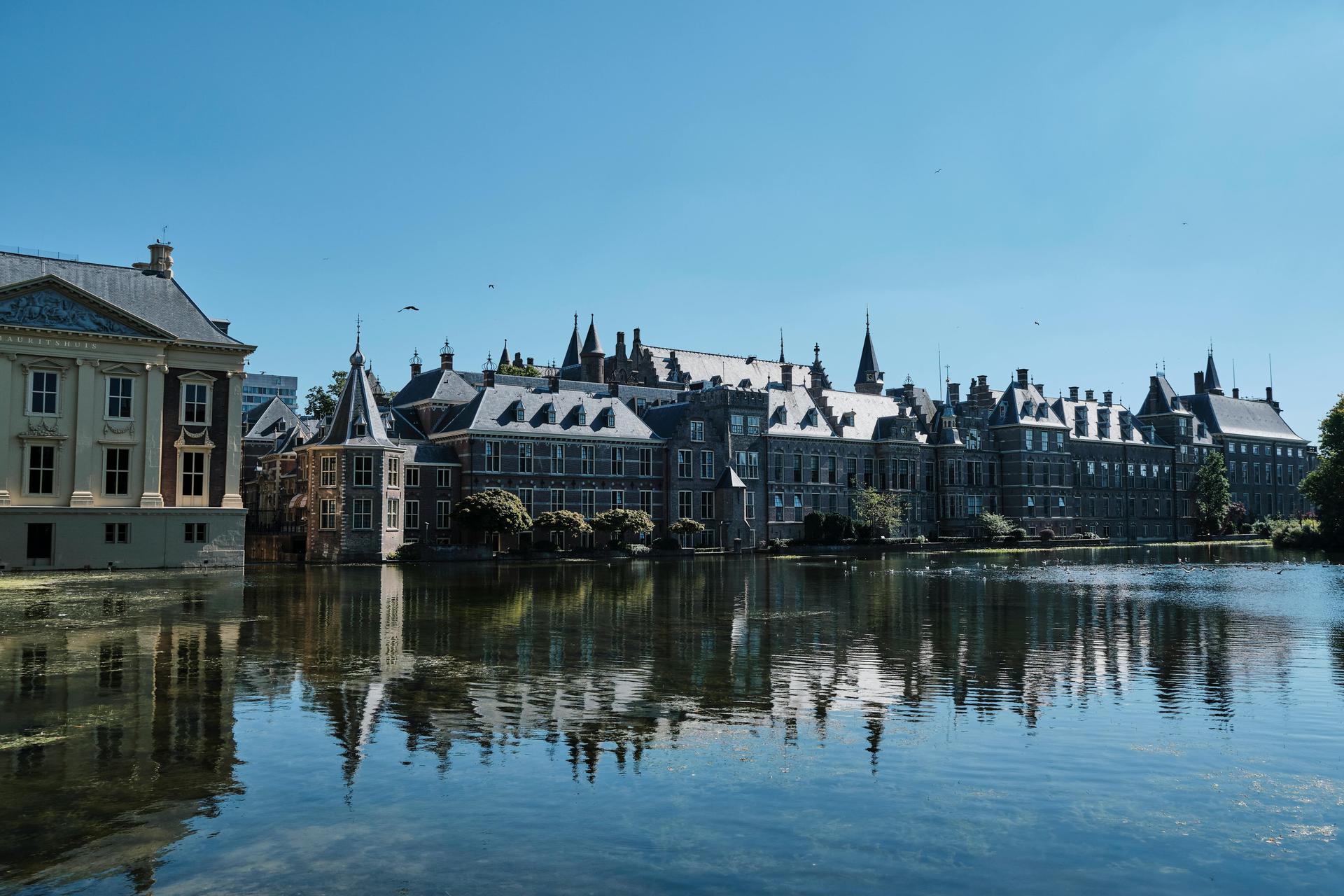
The story starts with , a diplomat and a serious coffee drinker, who one evening left his cup with sugar and cream standing on the stove. By morning it had turned to caramel. His neighbour, the baker Theodorus van Haaren, turned the result into sweets. That is how it gets told, and how it reads on the tins.
From 1880 they were called Haagsche Hopjes. Diplomats carried them to European courts and tins of them sailed to the , which made them the first export from The Hague that everybody recognised.
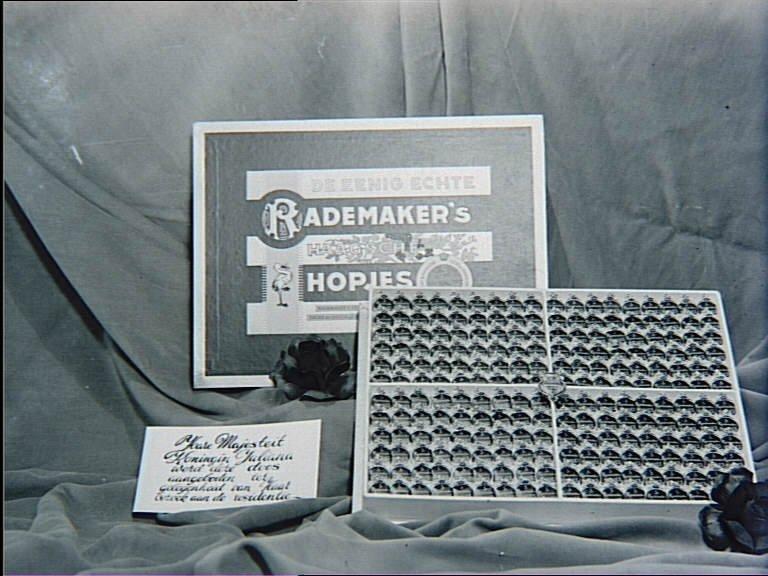
Then came the quarrel. J.P. Rademaker copied the recipe and printed on his wrappers that his were the only real ones. Printed wrappers were new at the time, so his claim sat visible on every shop counter in the country.
In 1949 he bought up the original firm, and still the argument ran on until 1989, when the Dutch advertising board ruled he could only call them the only real ones with his company name attached. A coffee sweet with a century of legal afterlife.
Afterwards you can head into the city with one of our walks through The Hague.
Sources. Story: Haags Gemeentearchief on the origin of the Haagsche Hopje and the Van Haaren and Rademaker firms. The 1989 ruling: Reclame Code Commissie, the Dutch advertising board. Photos: Source photo: Haags Gemeente Archief