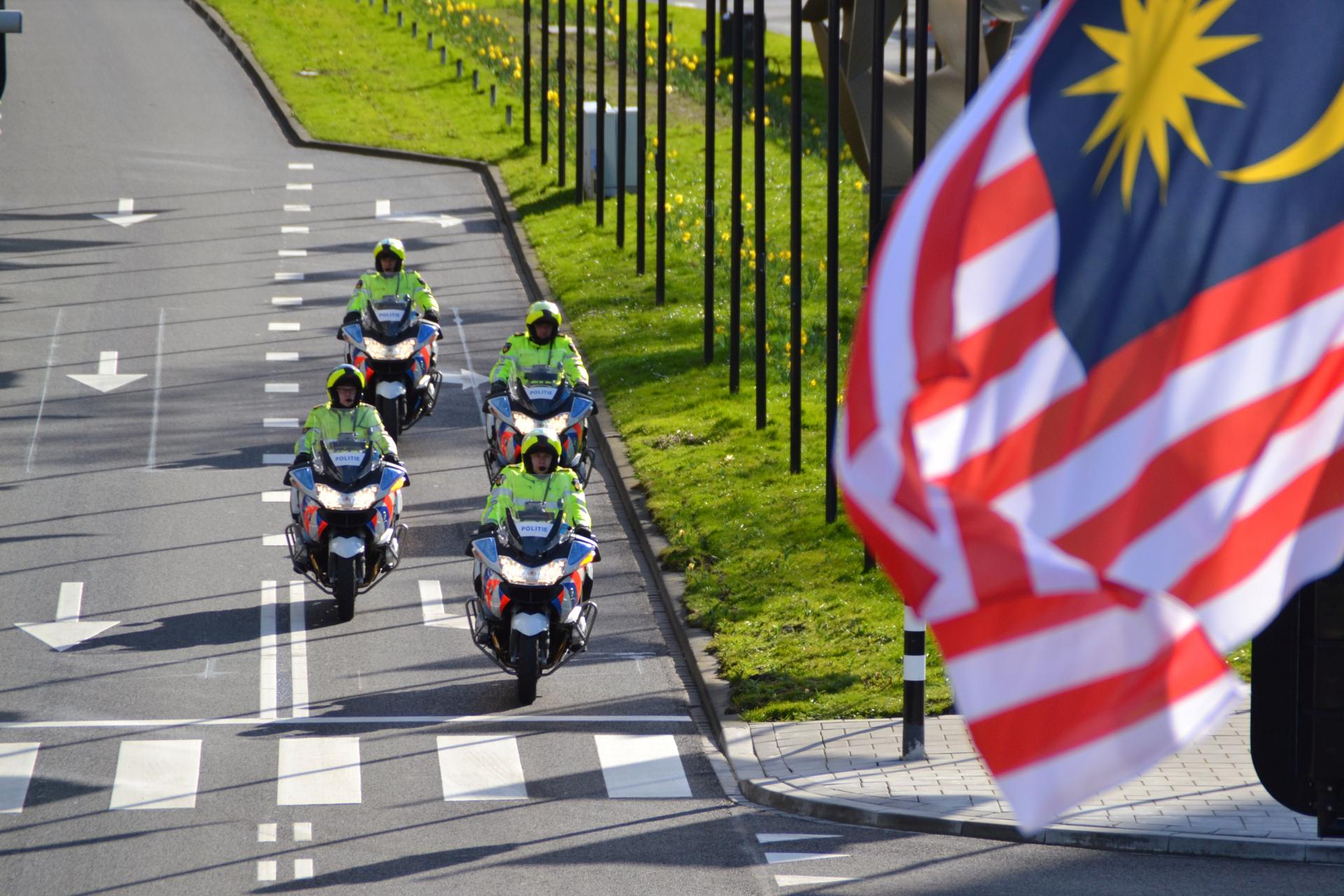
Around Johan de Wittlaan lies a district that appears in no guidebook as a sight. Fences, barriers, flagpoles and offices where people work on war and peace.
This is where the World Forum stands, opened in 1969 as the Netherlands Congress Centre to a design by . A little further along sits the , which received the Nobel Peace Prize in 2013. In the same neighbourhood work and , where police forces and prosecutors from across the European Union come together.
The Hague is sometimes called the fourth United Nations city, after New York, Geneva and Vienna. Around a hundred embassies have their front door here, scattered through leafy districts where the flag is the only thing setting them apart from the neighbours.
Institutions disappear again too. The , based at Churchillplein from 1993 onwards, closed at the end of 2017. Its best known defendant never heard his verdict: died in his cell in Scheveningen in the spring of 2006. The , just over the city boundary in Leidschendam, has since closed as well.
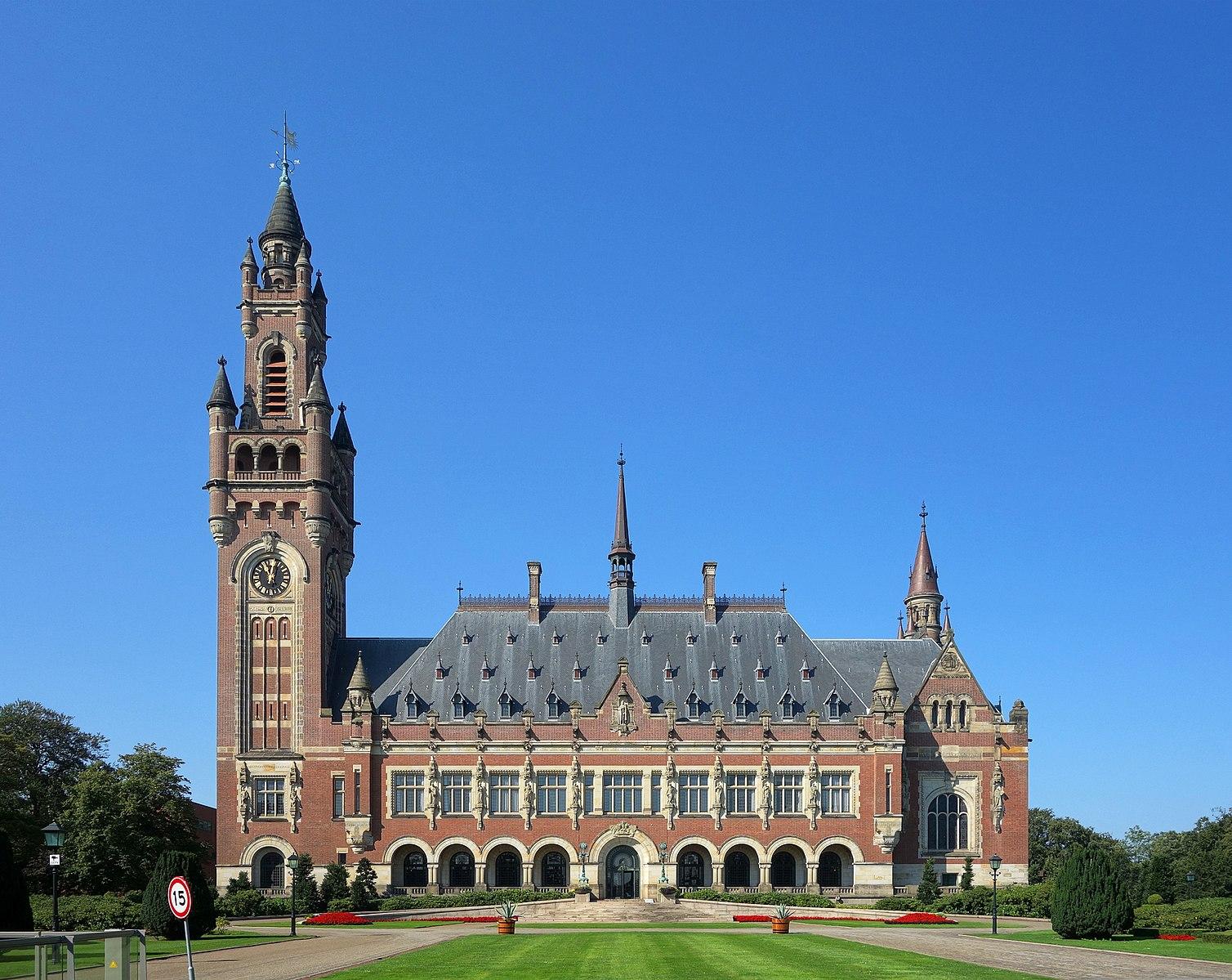
The Hague has been renting itself out as neutral ground for more than a century, and has built a whole district around the idea.
Prefer the old city? Our walking routes through The Hague start a few tram stops away.
Sources. Story: opcw.org; europol.europa.eu; irmct.org (ICTY archive); worldforum.nl; denhaag.nl (international city of peace and justice) Photos: Wouterjan Stikkel, CC BY-SA 3.0, via Wikimedia Commons