The figure on this square belonged to the wrong background in just about every way that mattered in his time.
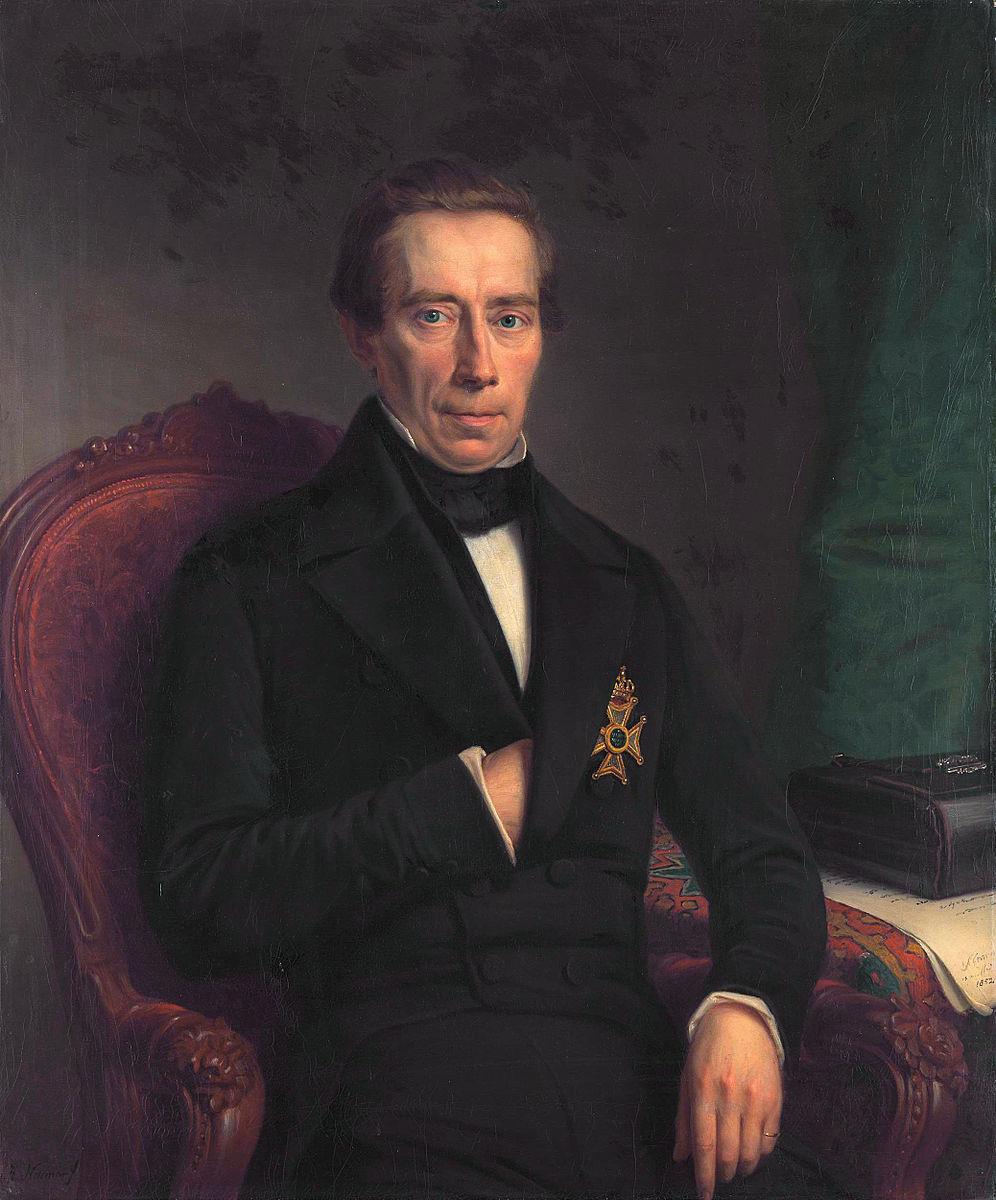
Johan Rudolf Thorbecke was born in Zwolle in 1798, well outside the province of Holland where power sat. His father was a tobacco merchant whose business kept failing. The family was Lutheran in a country run by the and its aristocracy. A man like that was expected to stay a professor, and for years that is what he was.
He sat in parliament for one month in 1840 as an extraordinary member, and properly from 1844, when he and eight colleagues proposed rewriting the constitution along democratic lines. Parliament threw it out.
Then came 1848. , grew nervous enough to change his mind in the space of a few days, and the professor who had been ignored for a decade was handed the committee that would redraft the constitution. What came out of it made ministers answerable to parliament rather than to the crown.
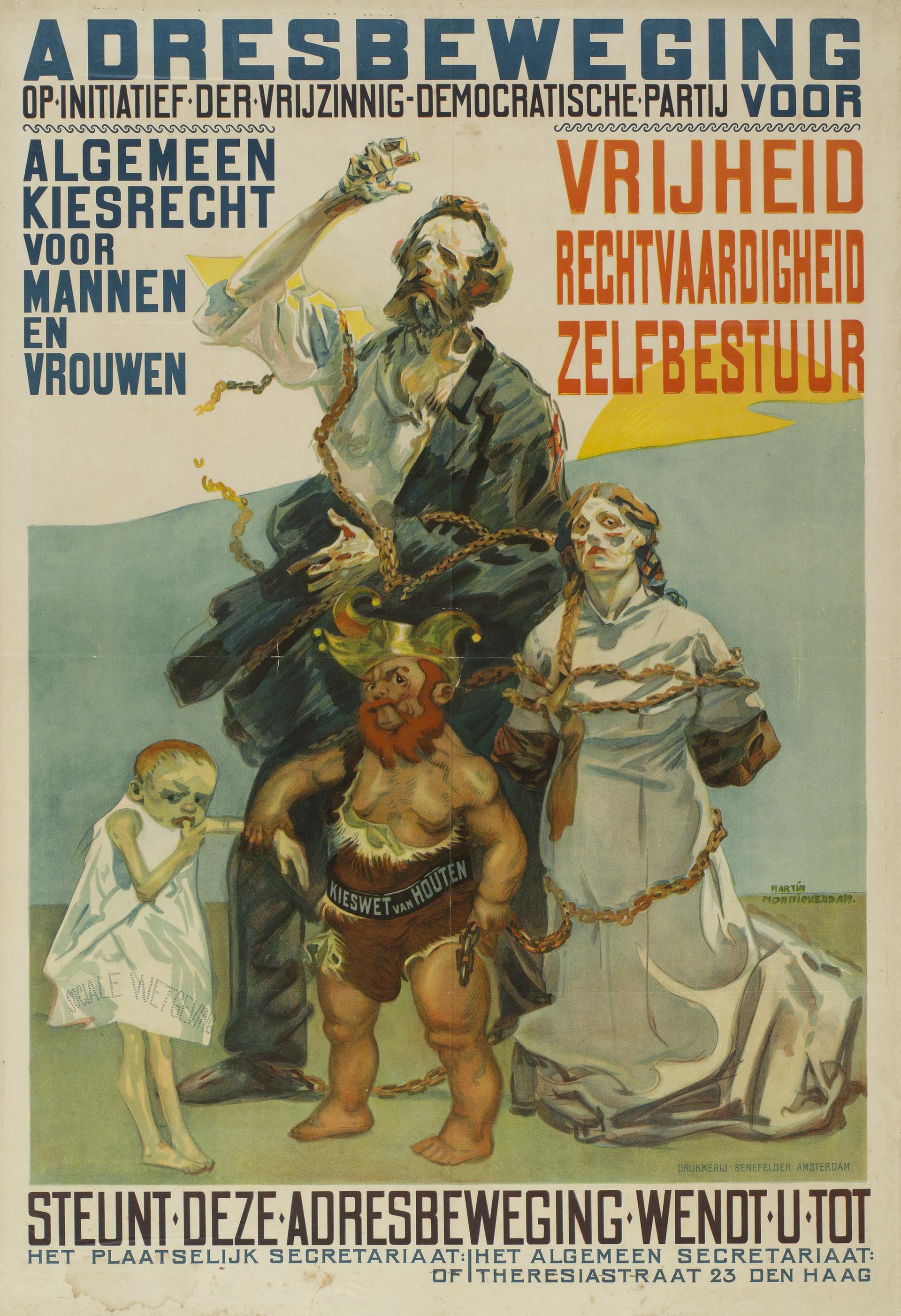
Here is the part that surprises people. Thorbecke argued for a vote limited to taxpayers, roughly one adult man in ten. The man who built Dutch parliamentary democracy never intended most of the country to be in it.
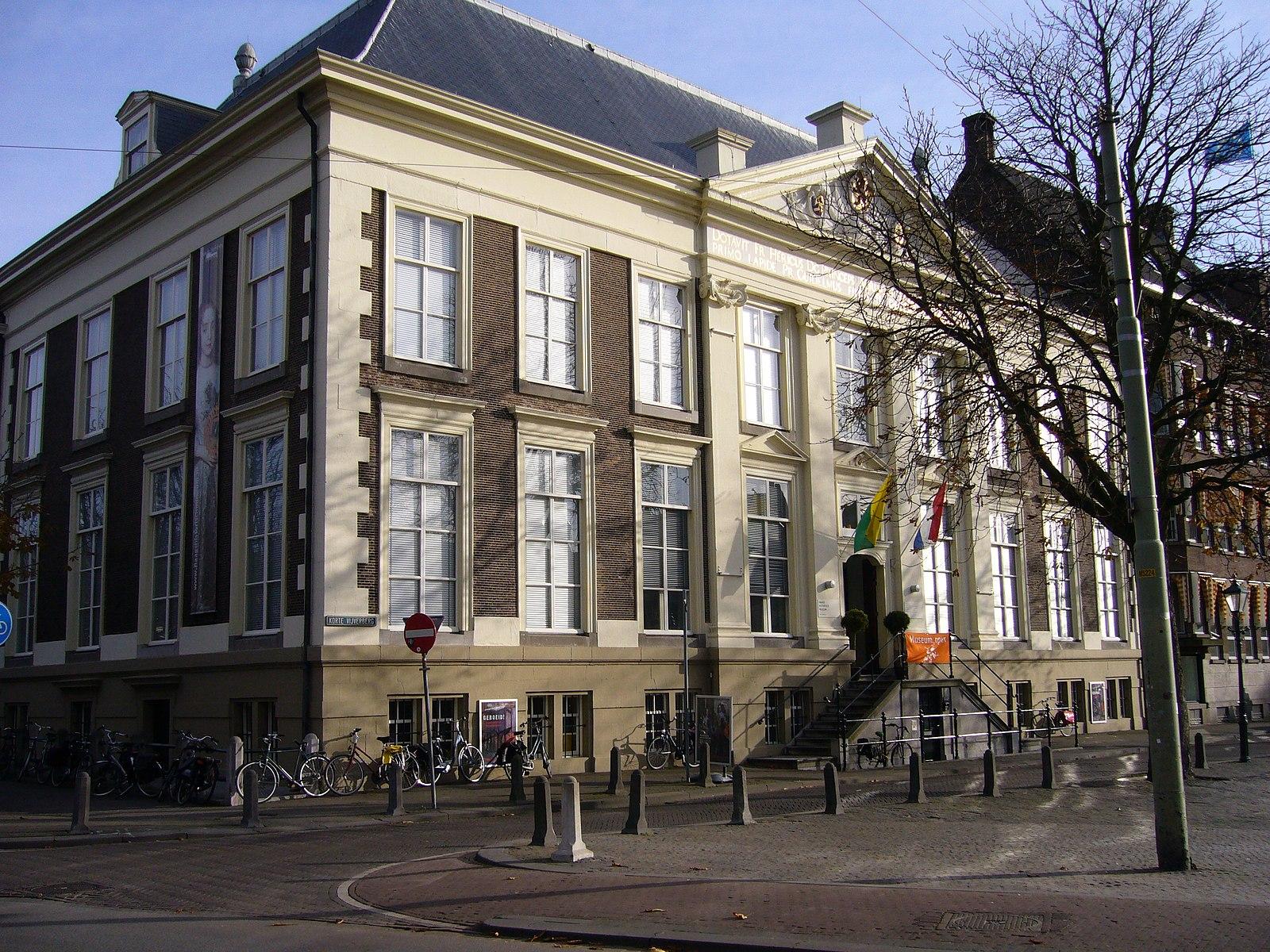
The next stop is the on the Kazernestraat, about five minutes to the north.
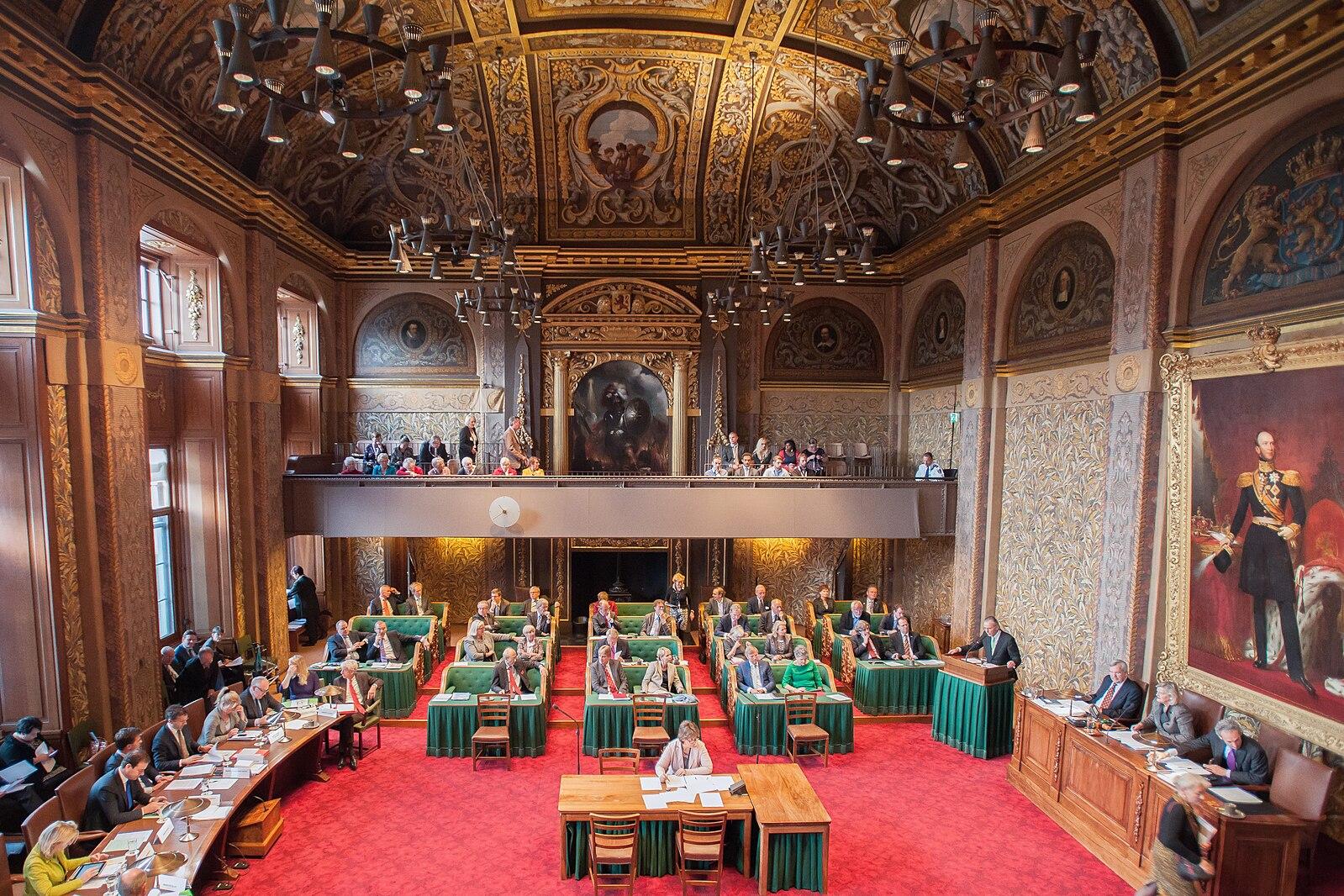
Sources. Story: Parlement.com, biografie Dr.Mr. J.R. Thorbecke; Remieg Aerts, Thorbecke wil het (2018); Piet de Rooy, Republiek van rivaliteiten; Grondwet 1848. Eerdere bewering dat Thorbecke de doodstraf afschafte is onjuist en verwijderd: die wet dateert van 1870, onder een kabinet waar hij geen deel van uitmaakte. Het monument aan het Lange Voorhout is van Thom Puckey, onthuld in 2017; het materiaal is nog te verifieren, het bronzen beeld staat in Amsterdam. Photos: Johan Heinrich Neuman, Public domain, via Wikimedia Commons