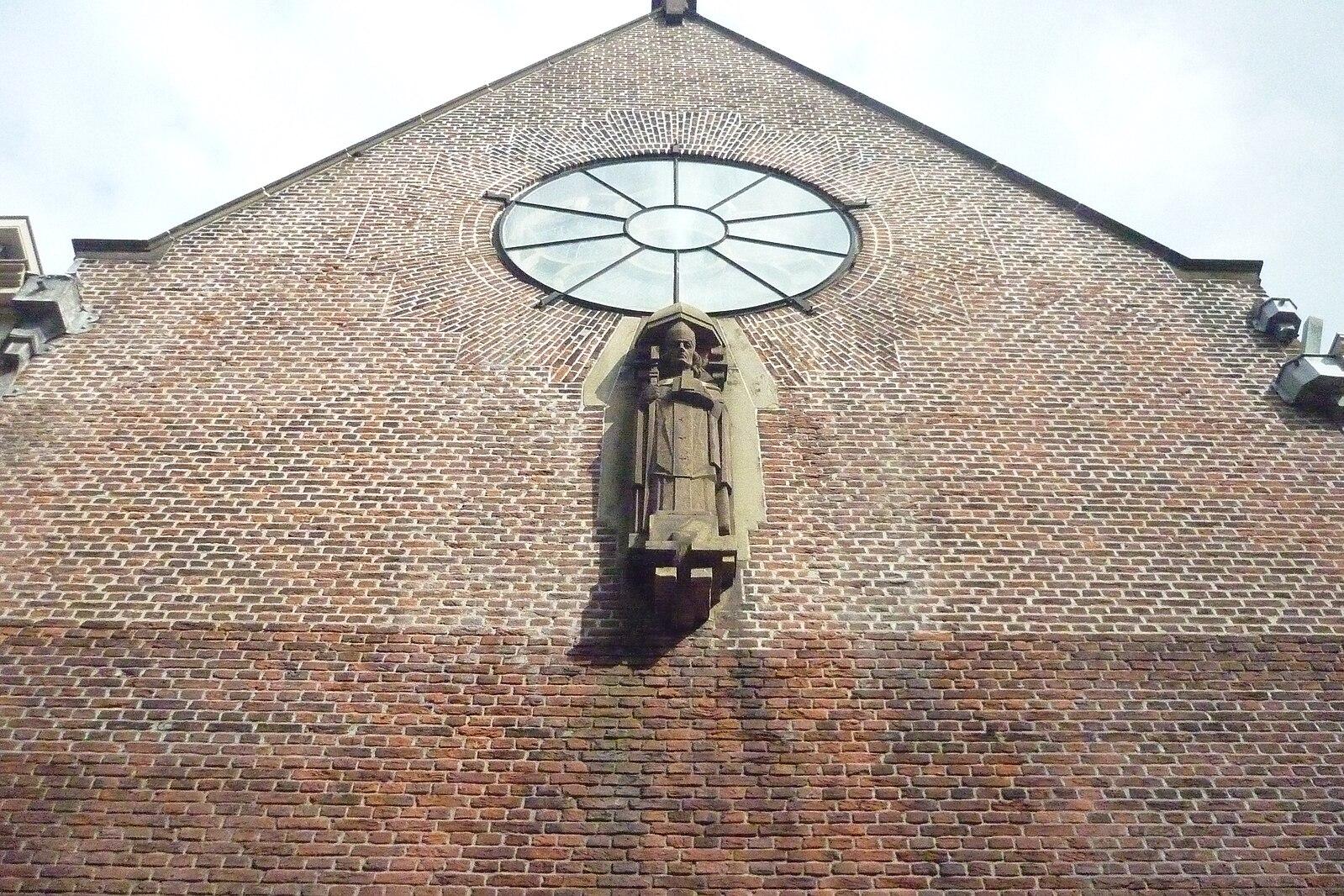
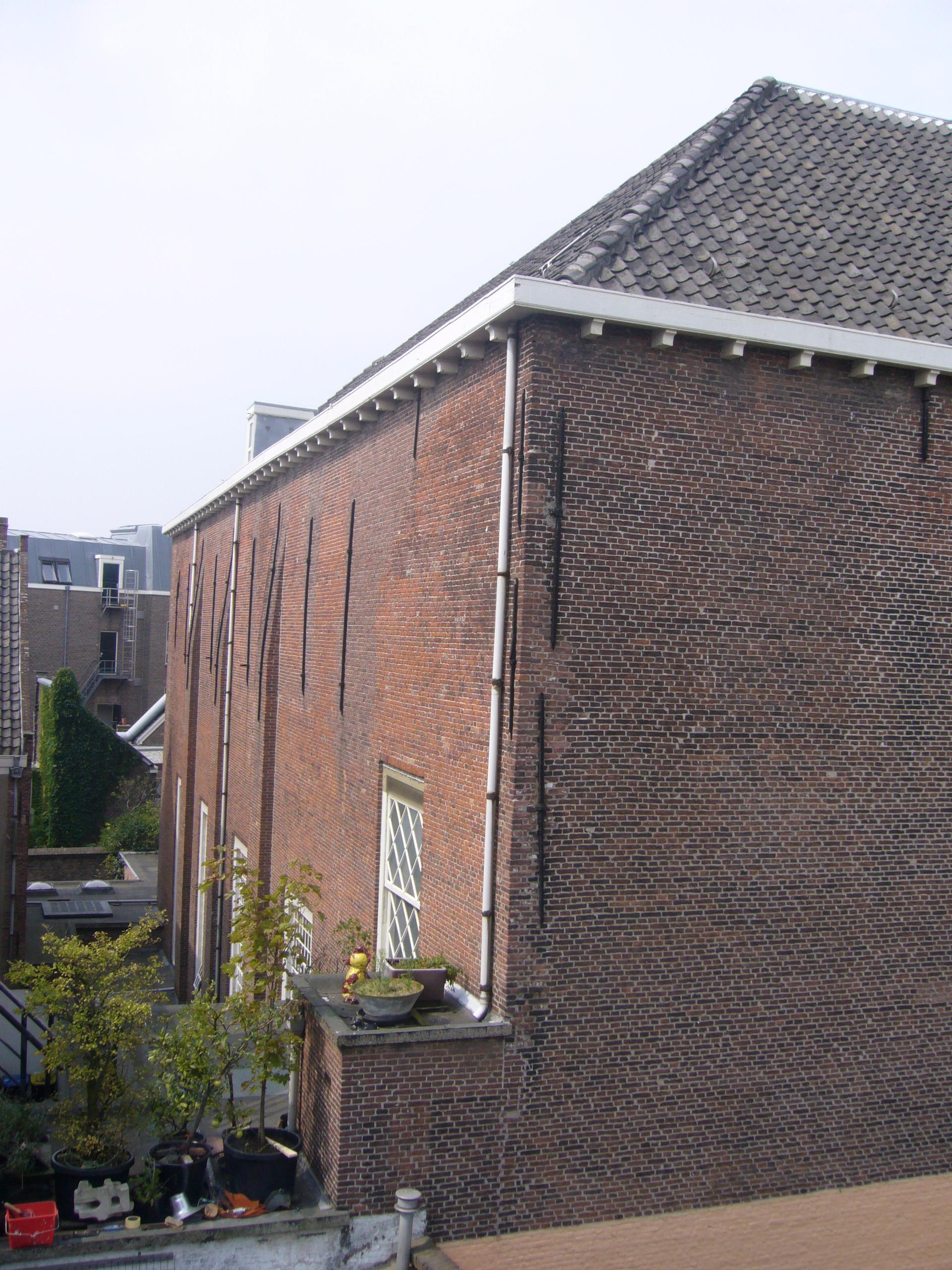
On the Juffrouw Idastraat stands what looks like a row of houses. Behind those façades sits a complete church, with pews, galleries and an organ.
After the , Catholics in the were barred from worshipping in public. In practice it was tolerated, as long as nothing showed from the street and money found its way to the local magistrates. That produced the : halls in attics, in warehouses and behind rows of houses, where hundreds gathered without the street noticing.
This one belongs to the , which went its own way in the eighteenth century after a quarrel with Rome over who could appoint bishops. The congregation still uses the building.
The concealment lives in the floor plan. The entrance is narrow, the corridor short, and then you stand in a room far larger than the house you walked through. What was once a necessity is now the best part of the visit.
Our walking routes through The Hague are ready if you want to make an afternoon of it.
Sources. Story: Old Catholic parish of The Hague on the building and the congregation. Hidden churches in the Dutch Republic and the policy of tolerance: Rijksdienst voor het Cultureel Erfgoed and Haags Gemeentearchief. Photos: Source photo: 1. Pvt pauline, CC BY-SA 3.0 <https://creativecommons.org/licenses/by-sa/3.0>, via Wikimedia Commons 2. Dienst Stedelijke Ontwikkeling (Tom Verhaar) uit het Haags Gemeentearchief