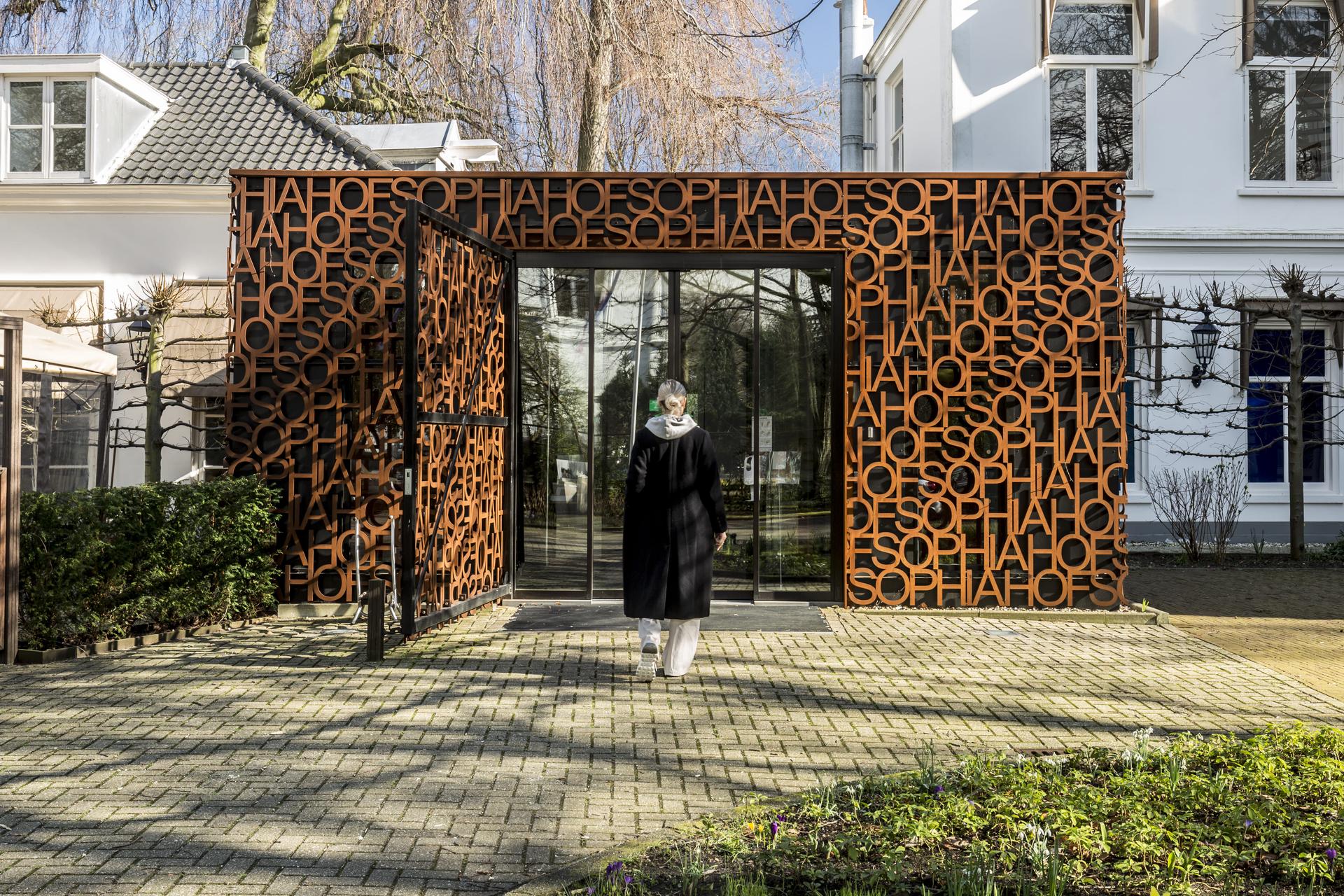
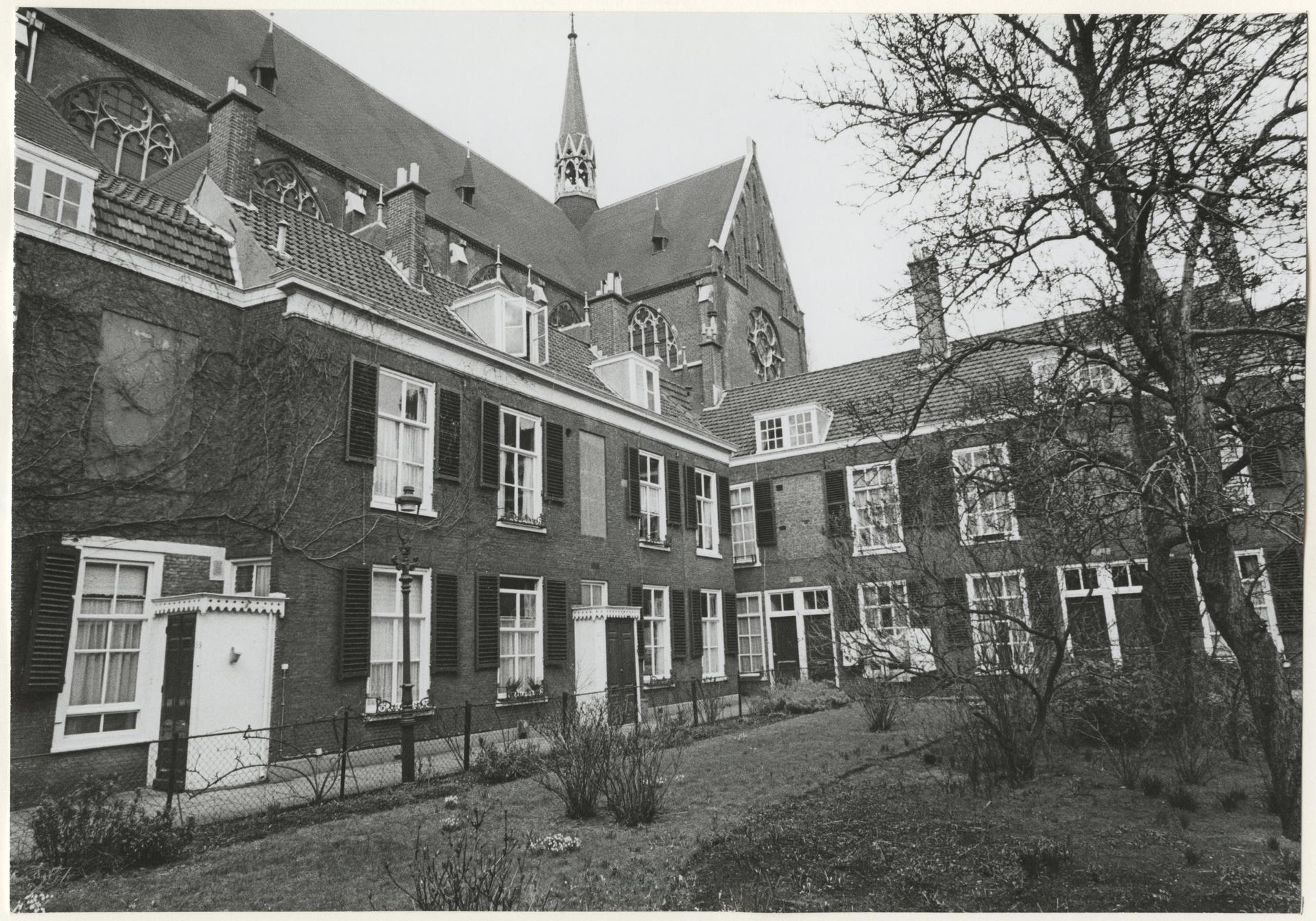
Behind a plain door on the Parkstraat lies a courtyard of small houses around a garden. There is no grand gate, which suited the intention.
Elisabeth Groen van Prinsterer-van der Hoop, known as Betsy, bought a garden here in 1841, planted with fine fruit trees and holding two houses, paid for out of her father-in-law's estate. The street was still called the Nachtegaallaantje, nightingale lane, at the time.
The rules decided who could live here: women over fifty-five, of Protestant Christian conviction, who would serve one another in love and avoid anything that might burden the others. In practice they were widows and former domestic servants left without income or shelter once their working lives ended.
It was not free. The women paid one a week in rent and received meat and fuel every week in return, with extras around Christmas, Easter and . At Easter of 1893 that meant a kilo of rice, a currant cake, four eggs and a double portion of meat.
The courtyard grew house by house, each one built on a birthday of Mr or Mrs Groen. And the rules still stand: single women of fifty-five and over live here, although faith is no longer a requirement.
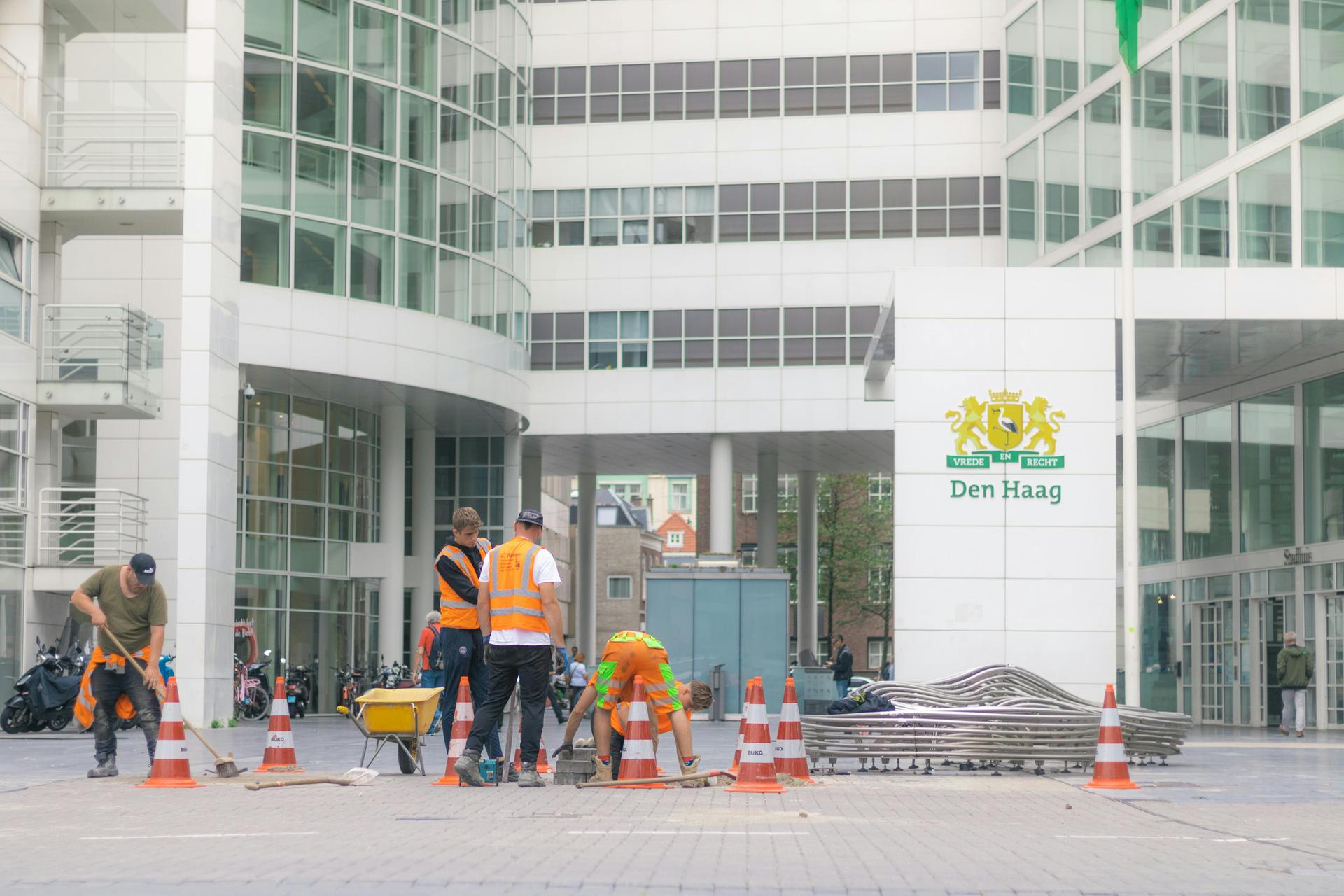
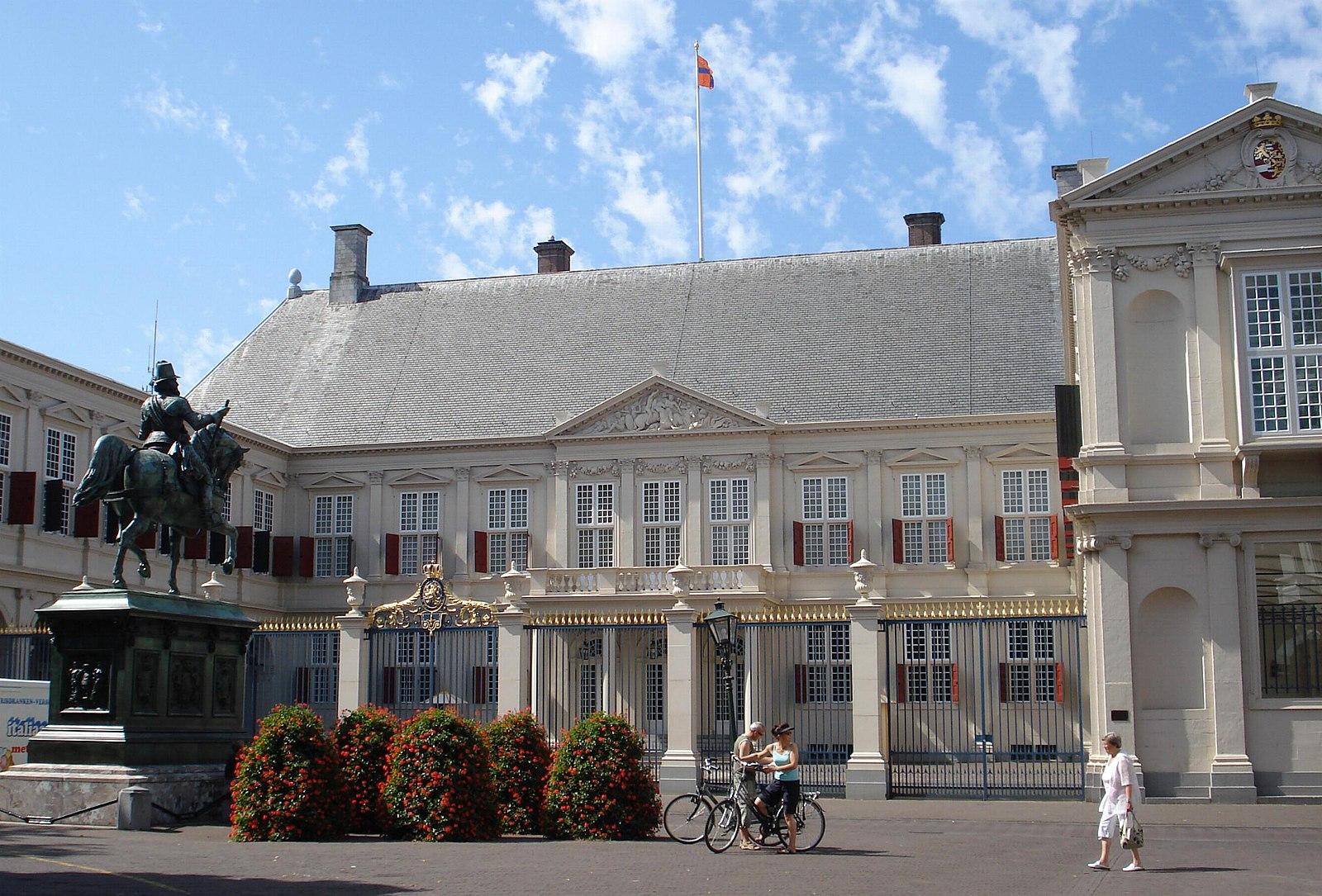
Sources. Story: Hofje Rusthof over de stichting in 1841, het reglement en de huidige statuten; Monumentenzorg Den Haag, rijksmonument 17870, over de huur van een gulden per week, het wekelijkse vlees en de extra's met Pasen 1893. Als tweede bron nl.wikipedia over de eerste bewoonsters en de naaischool. Dat er om het jaar op een verjaardag van het echtpaar Groen werd gebouwd is nog te verifieren. Photos: 1. Kempff, P.G. in 1977 vanuit Haags Stadsarchief