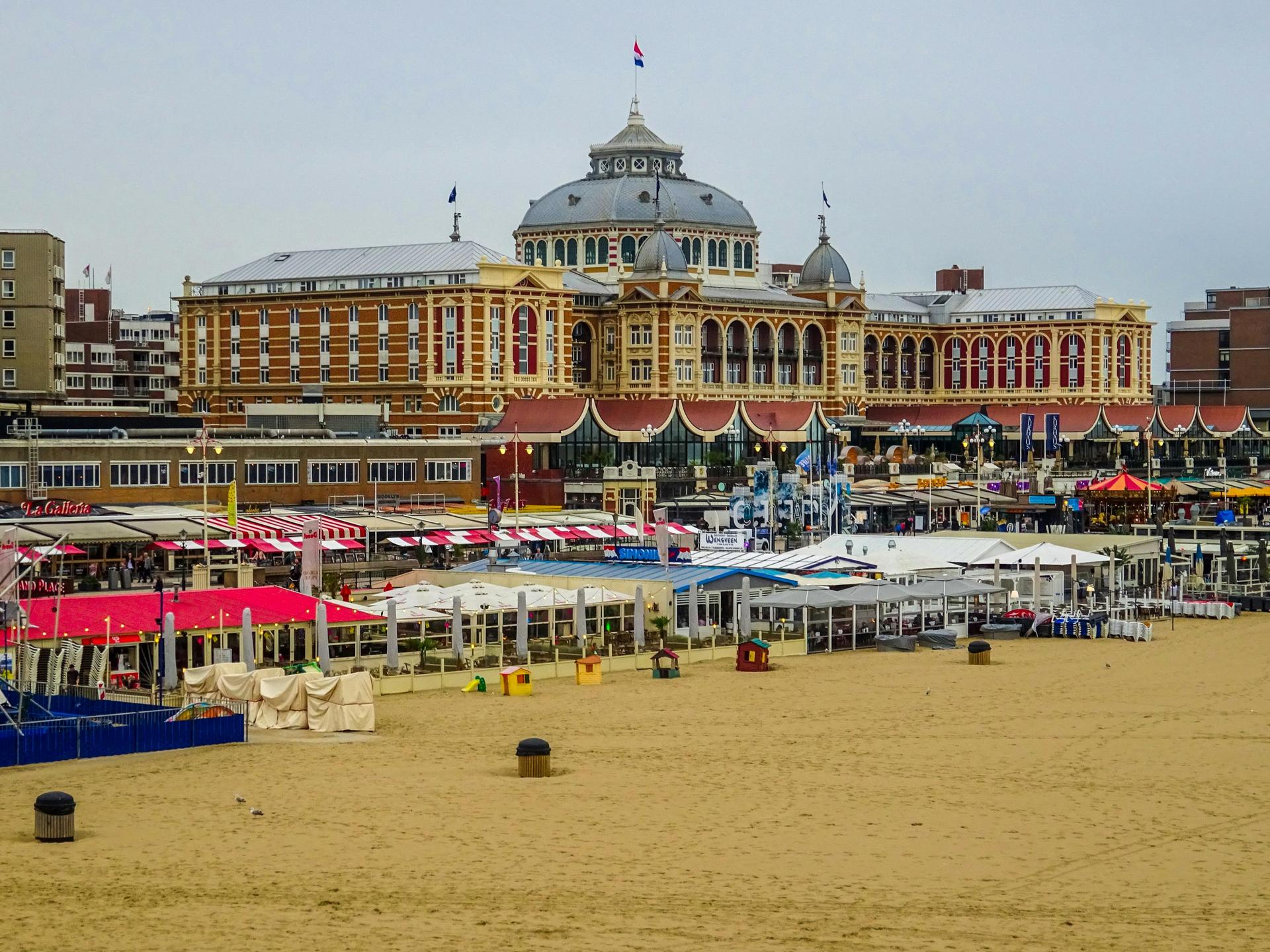
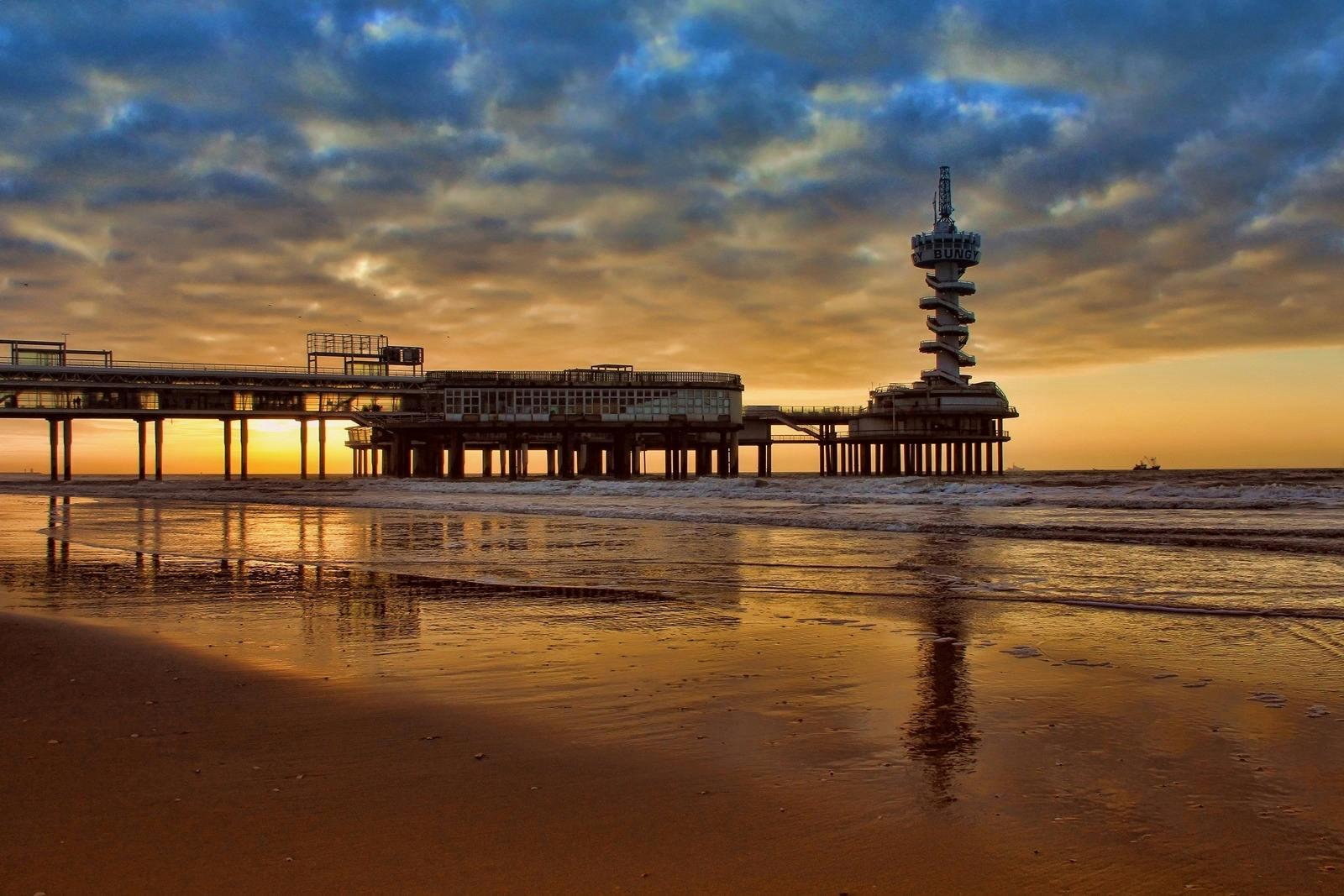
In February 1602 something that looked like a small ship came down the beach at at a speed nobody present had experienced before. It was a sailing chariot, designed by the mathematician Simon Stevin for , and it covered the stretch from Scheveningen to Petten in roughly two hours. Contemporaries put the speed at somewhere near fifty kilometres an hour.
Stevin had built a smaller version first, as a test. The full-sized chariot carried a party of nobles and guests, and Maurits used it mainly to impress visiting diplomats, including envoys of the enemy he was at war with. The prince had hoped for a military use as well. Sand, wind and a fixed coastline made that impractical.
Among the passengers on that first ride was the young , who was so taken with the machine that he later wrote twenty-two poems about it and compared it to the .
The princely family kept taking guests out along the sand well into the eighteenth century. According to tradition the chariot ended its days as a museum piece in the old church of Scheveningen.
Sources. Story: Haags Gemeentearchief (Haagse Tijden, De zeilwagen; beeldbank); Rijksmuseum, prent De zeilwagen van Simon Stevin, 1602, objectnummer RP-P-AO-11-46; Muzee Scheveningen. Bewaring in de Oude Kerk van Scheveningen berust op overlevering, nog te verifieren.