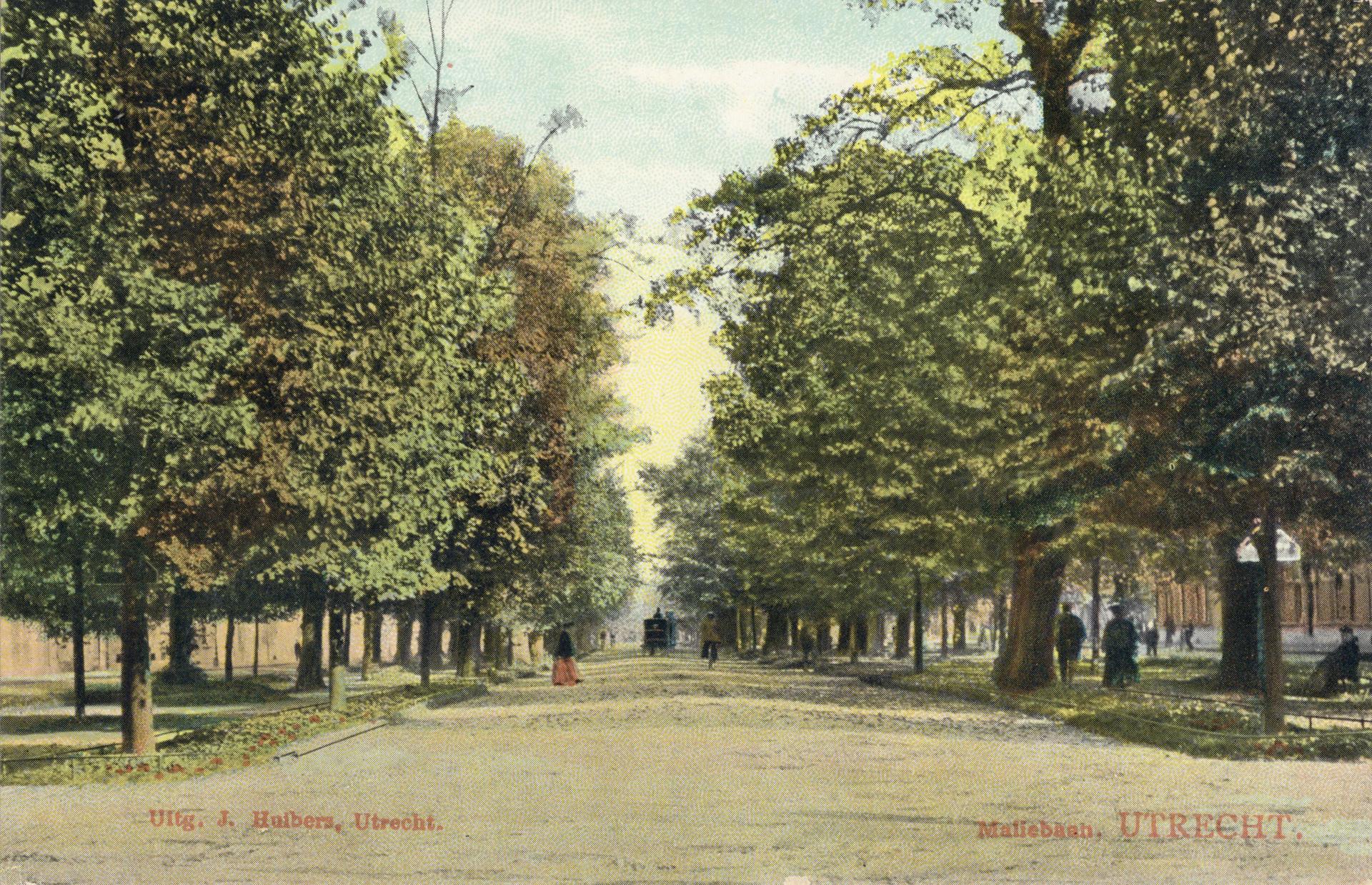
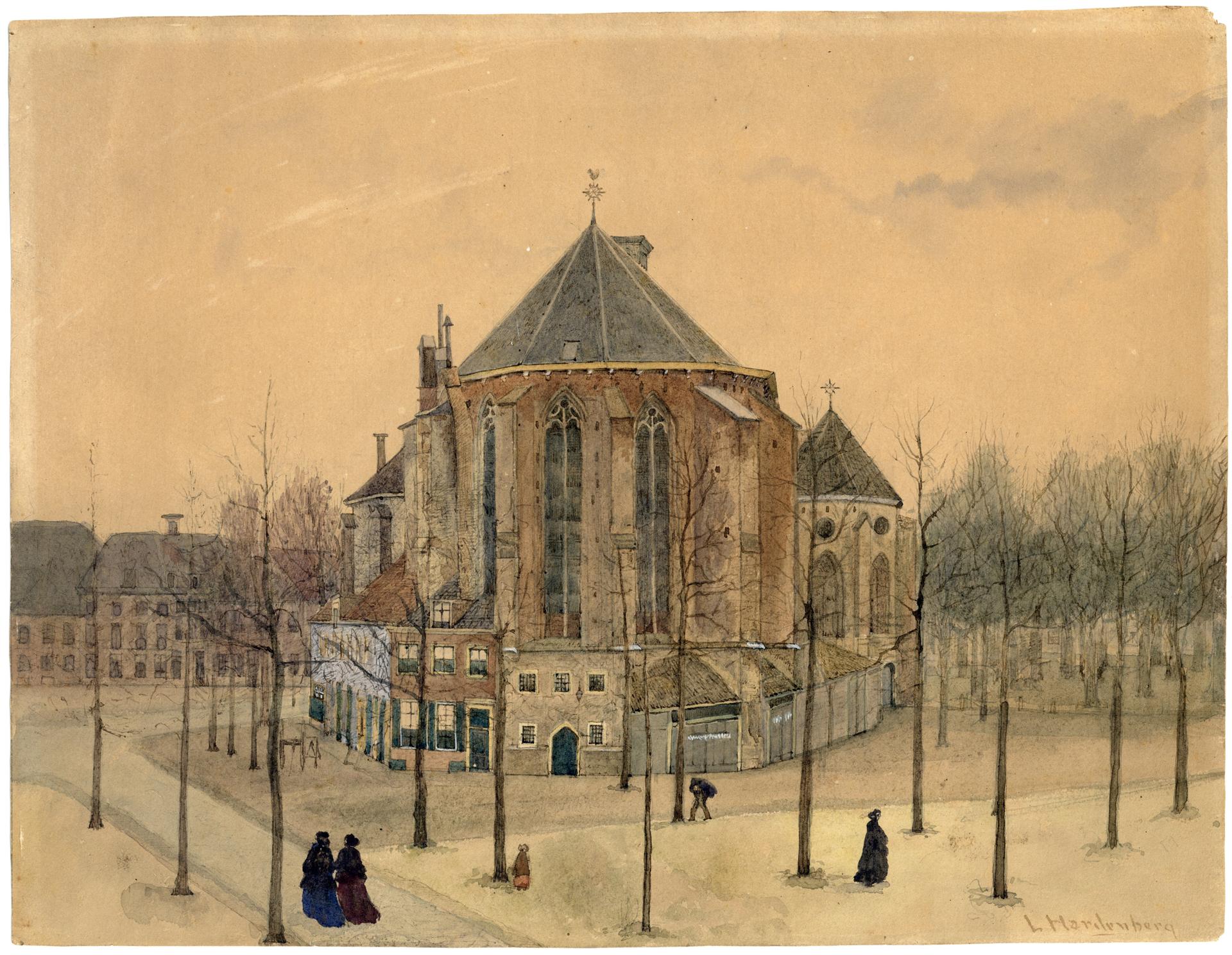
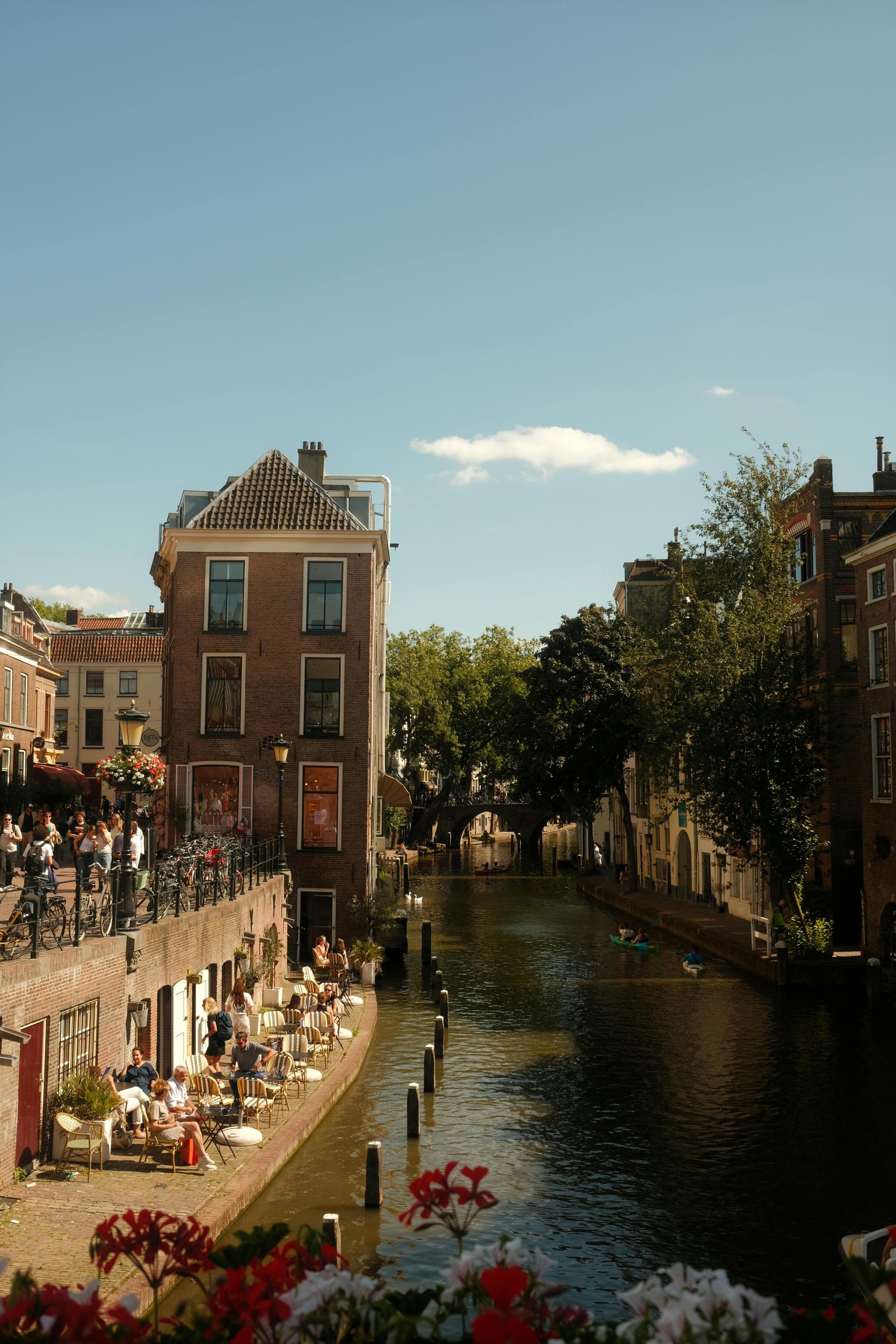
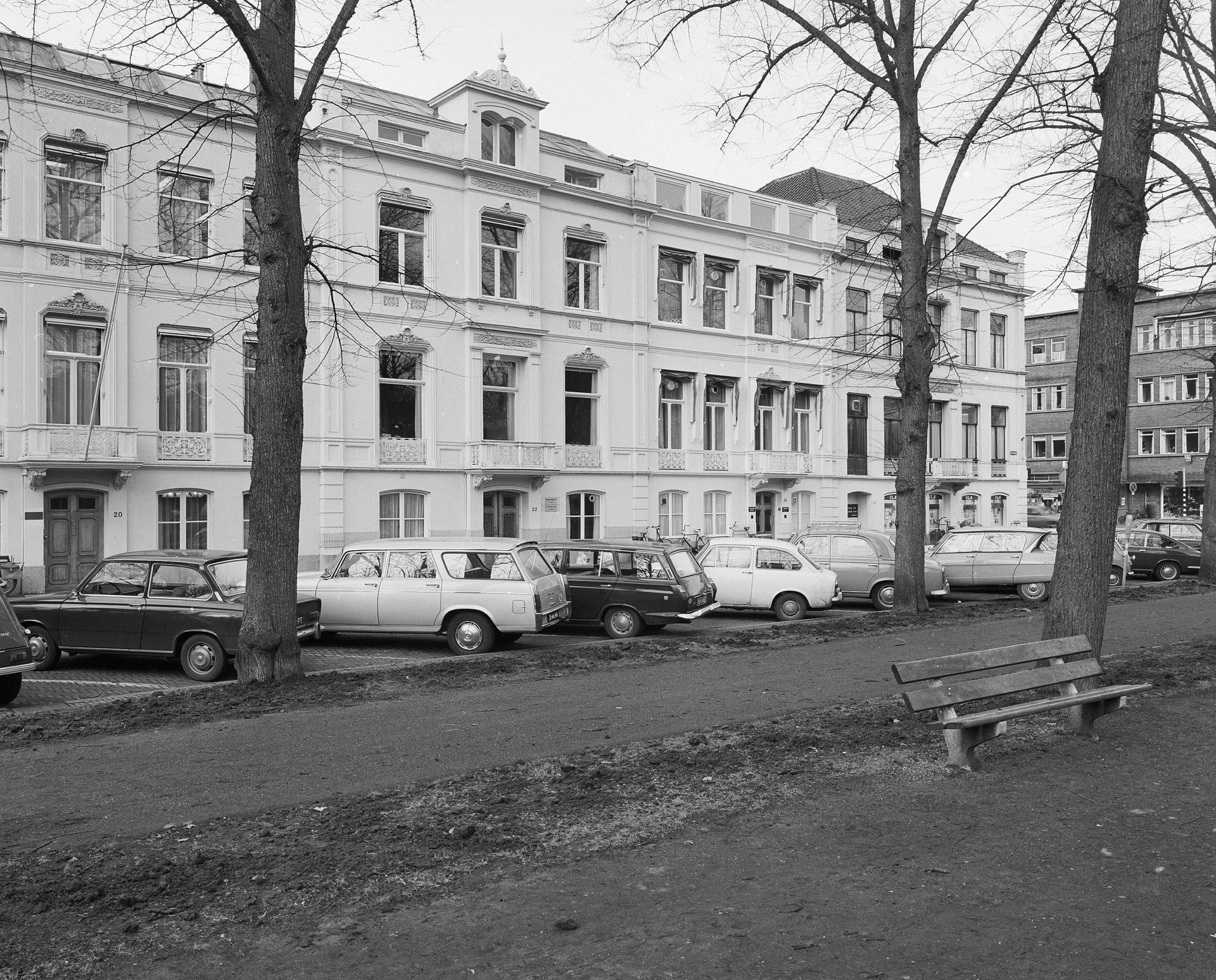
This avenue was laid out for a ball game and during the war earned the nickname .
was a game in which you drove a ball through a hoop with a mallet, popular among wealthy gentlemen in the seventeenth century. That needed a long straight lane, and the lane is still here.
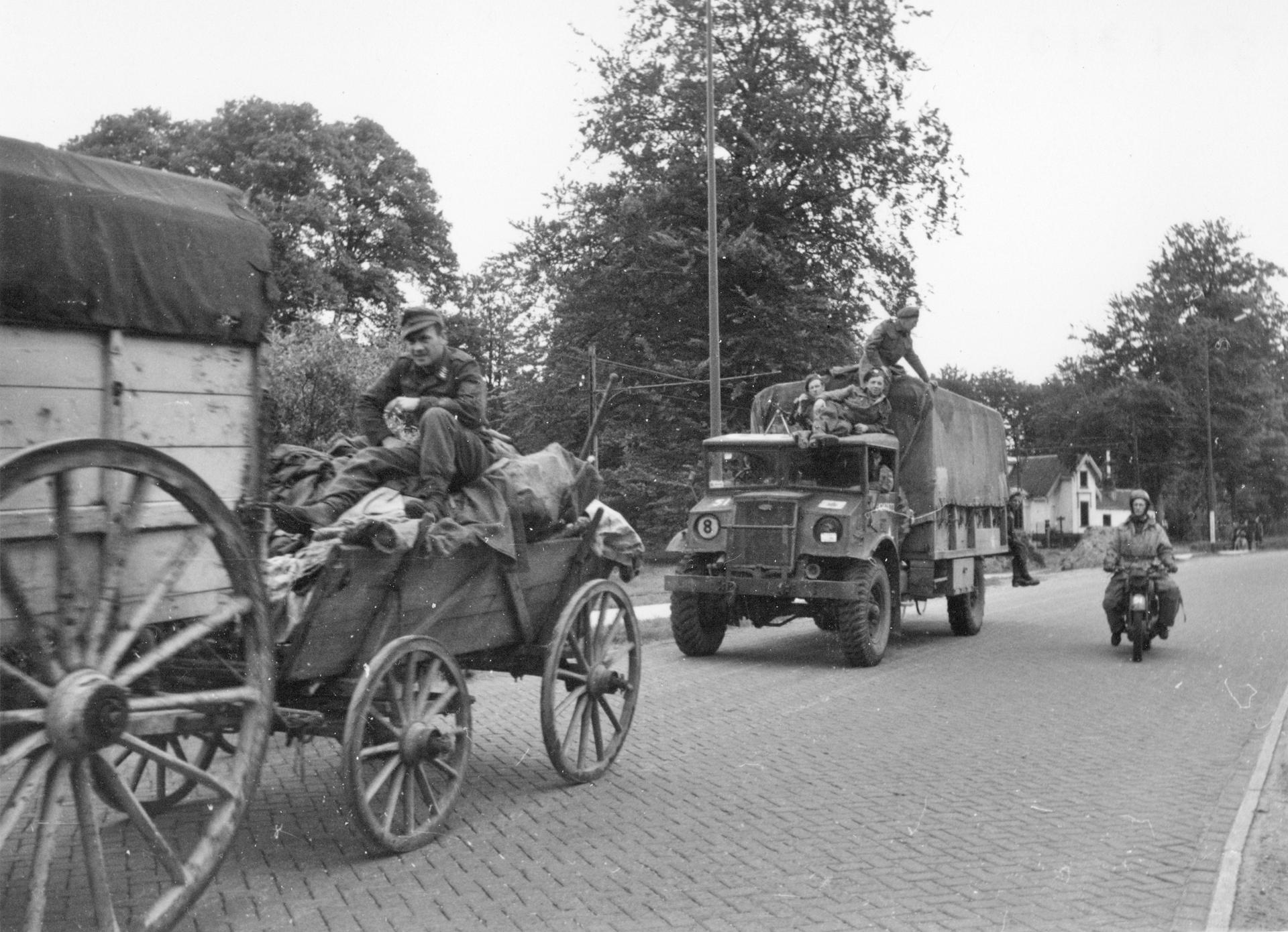
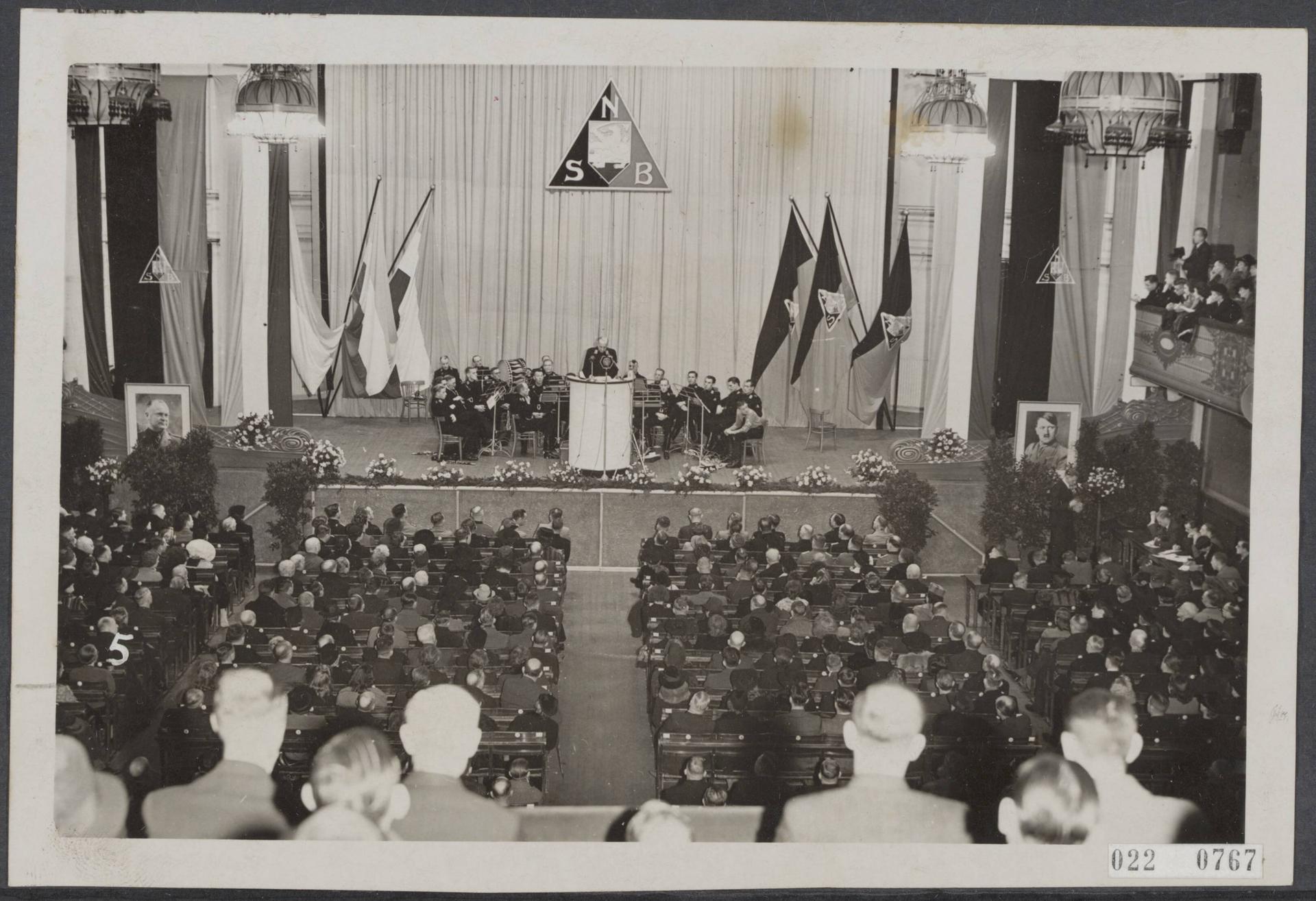
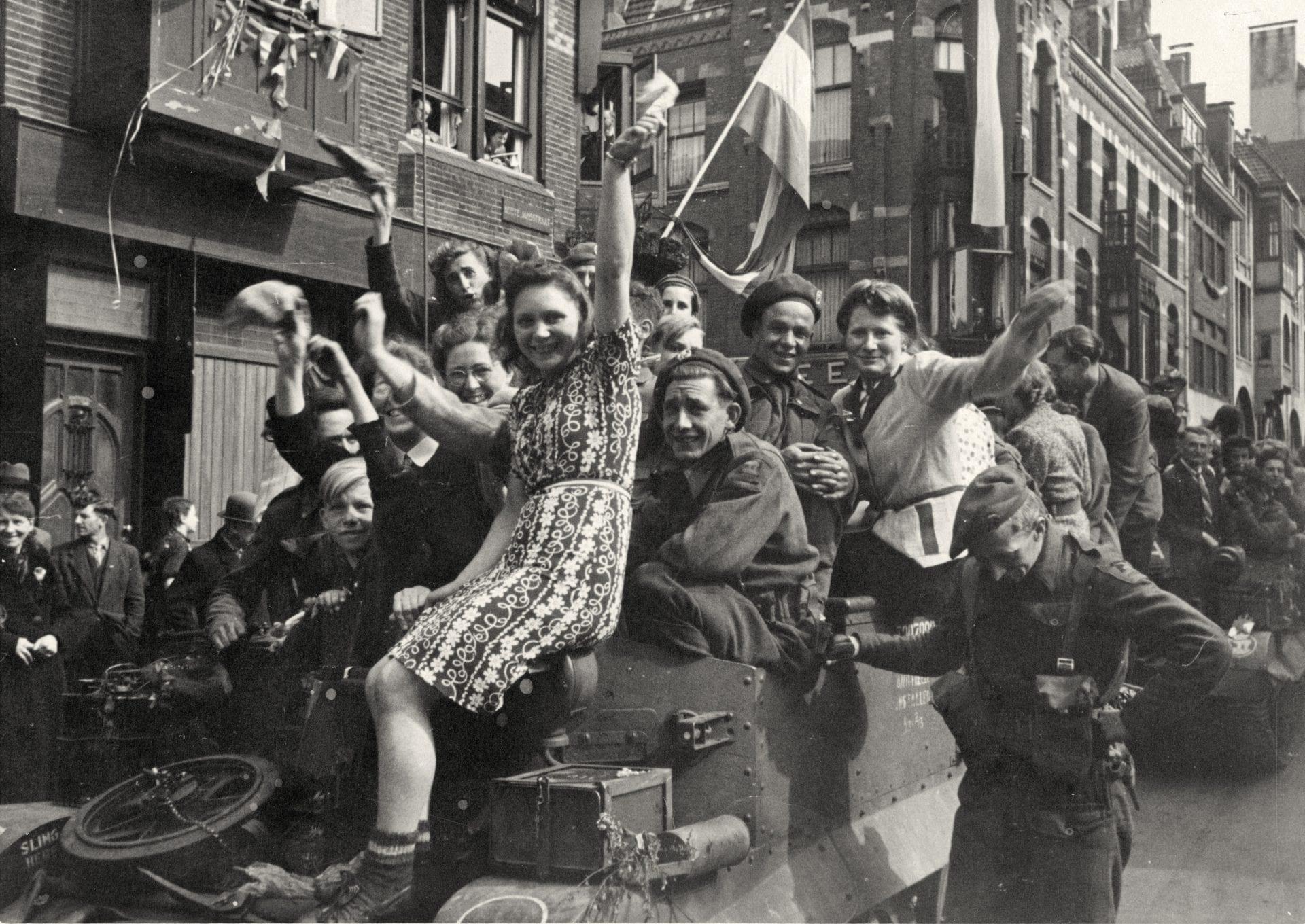
In the nineteen forties it became the most expensive street of the occupation. The had its headquarters at number 35. The , the and the were here too. People in Utrecht named the avenue after the famous boulevard in Berlin, and they did not mean it kindly.
A few doors along the opposite was happening. At number 71 illegal newspapers were printed and Jewish people were hidden. At number 72bis, Marie-Anne Tellegen ran the Utrecht resistance network under the cover name Doctor Max. German officers searched this neighbourhood for a man called Max, walking past the woman who was him.
The next stop is further along the same avenue, at number 40.
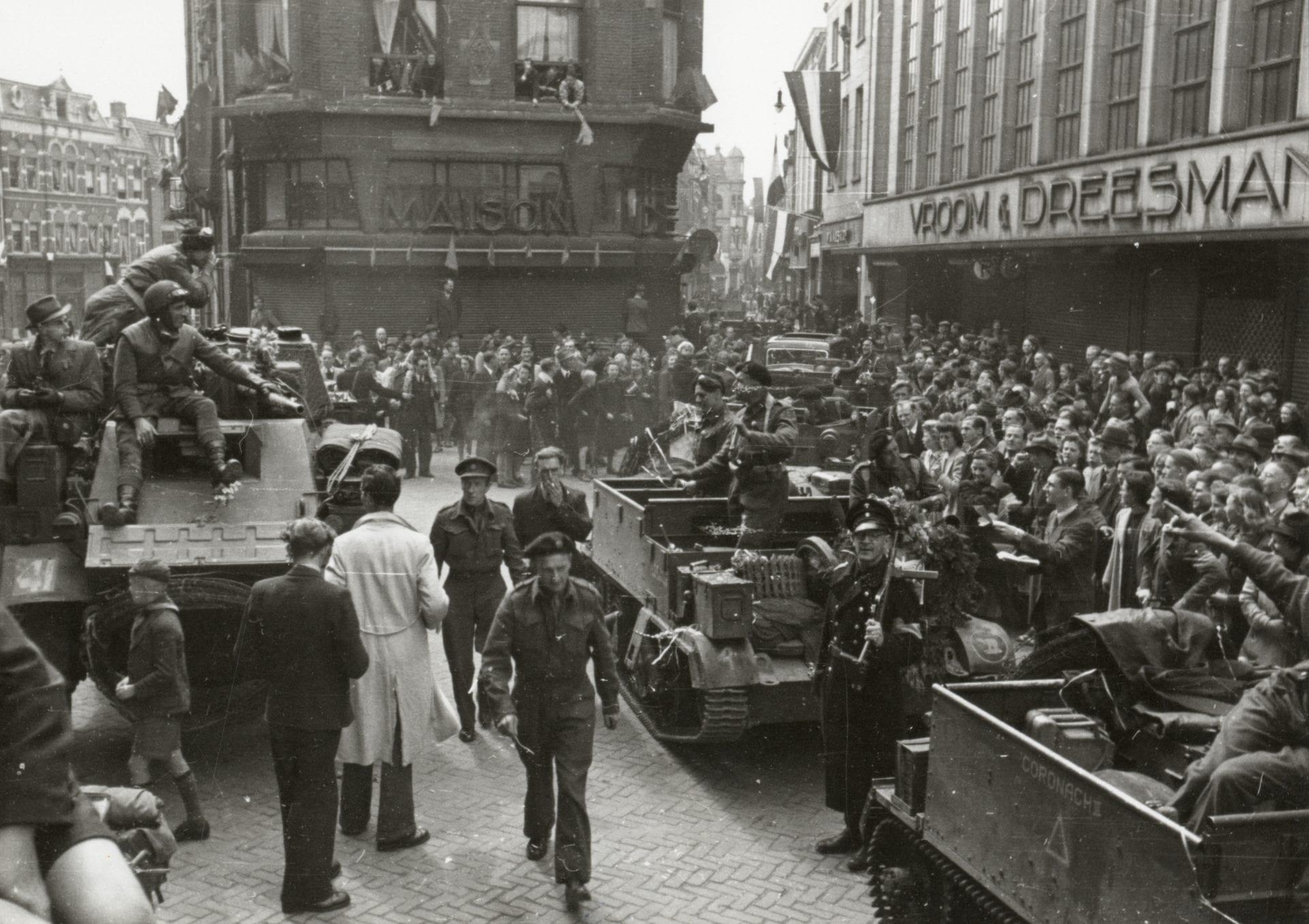
Sources. Story: https://www.utrechtaltijd.nl/verhalen/de-maliebaan-als-nazi-bolwerk/ https://www.tracesofwar.nl/sights/39903/Verzetsbolwerk-Garage-Grund.htm https://archief.ntr.nl/deoorlog/page/mappen/780201/NSB%2C%2BWA%2C%2BSS%2Ben%2Bverzet%2Baan%2BMaliebaan%2Bin%2BUtrecht.html https://wikikids.nl/Maliebaan_tijdens_de_Tweede_Wereldoorlog Photos: Utrechts Archief