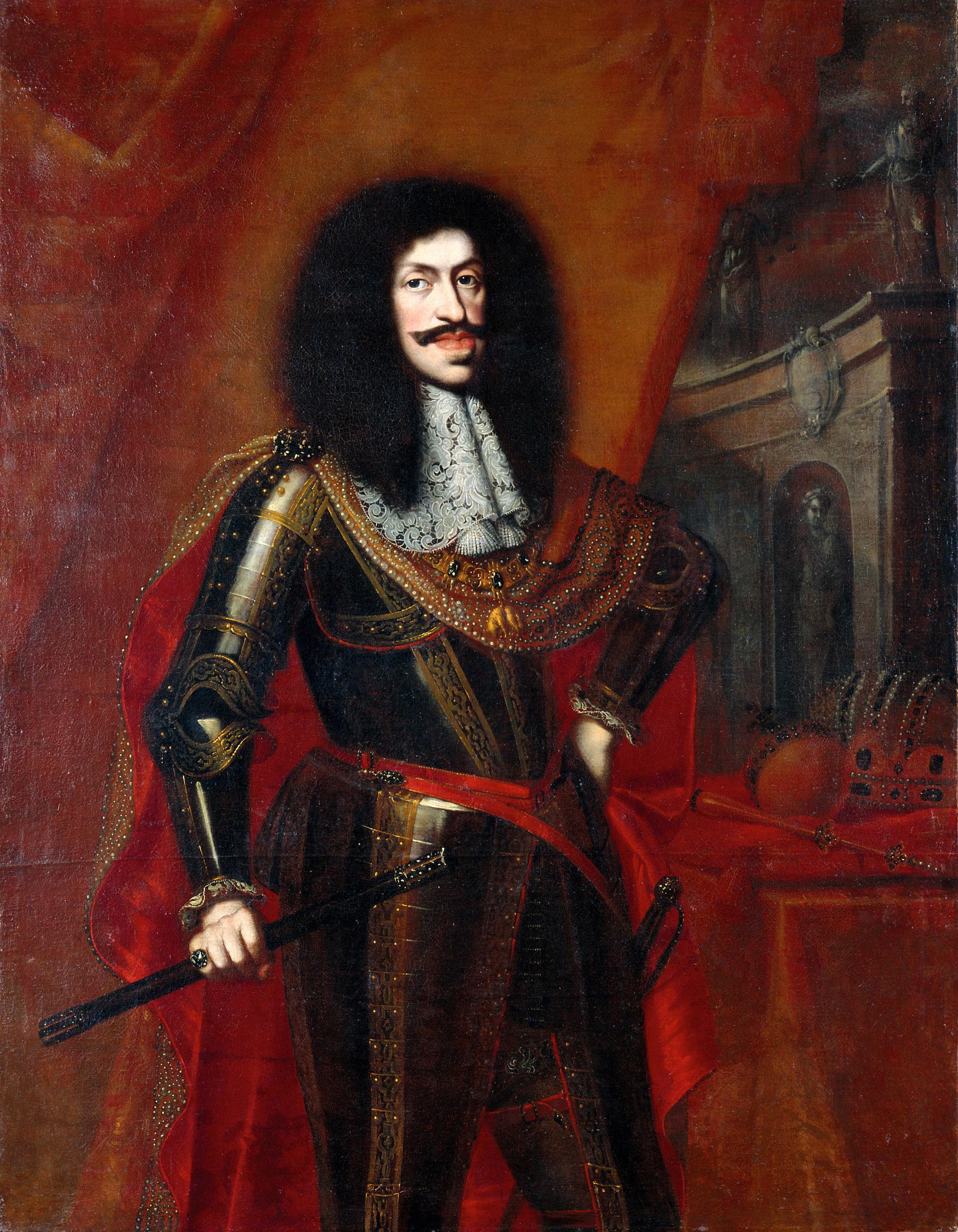
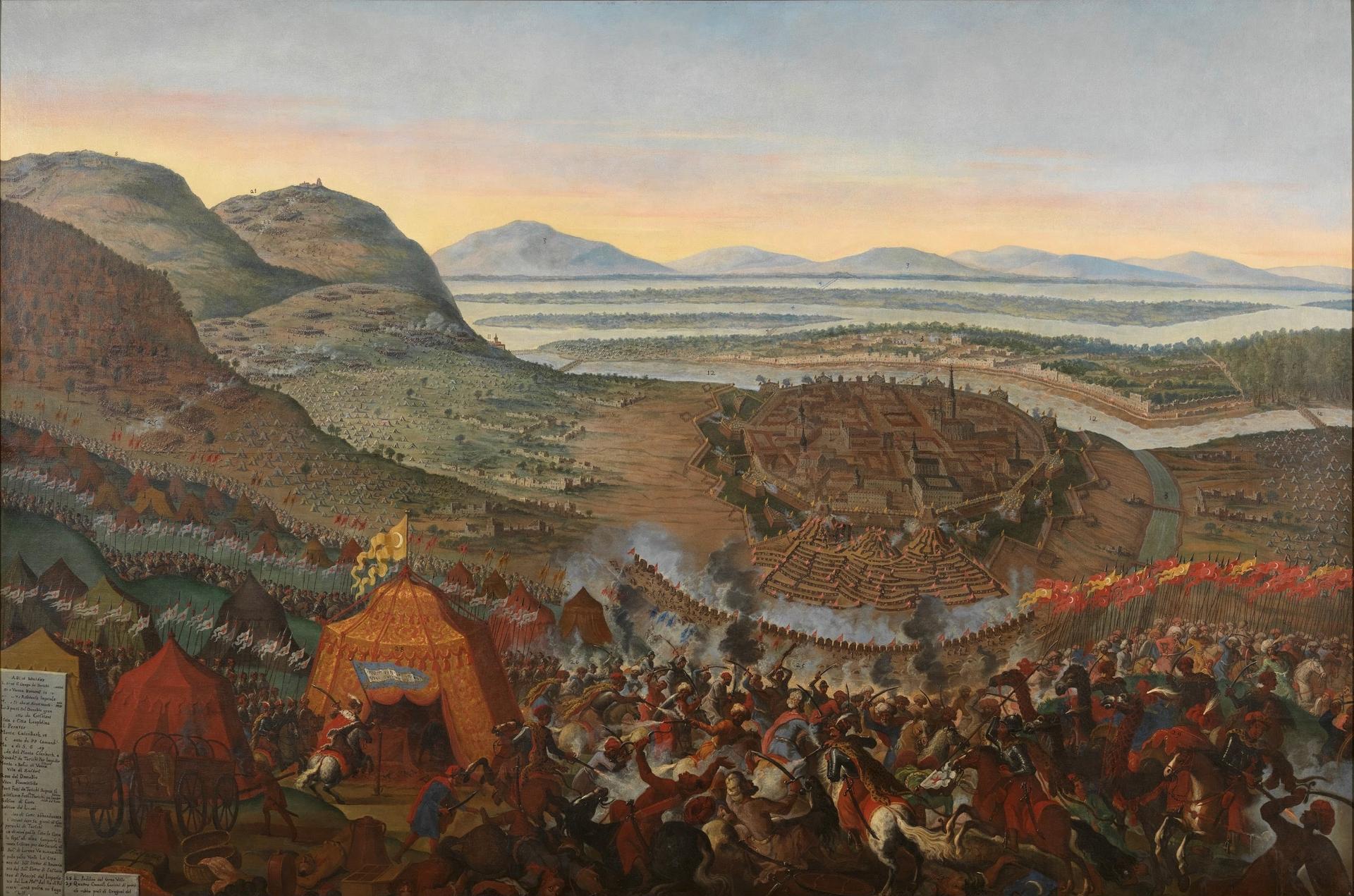
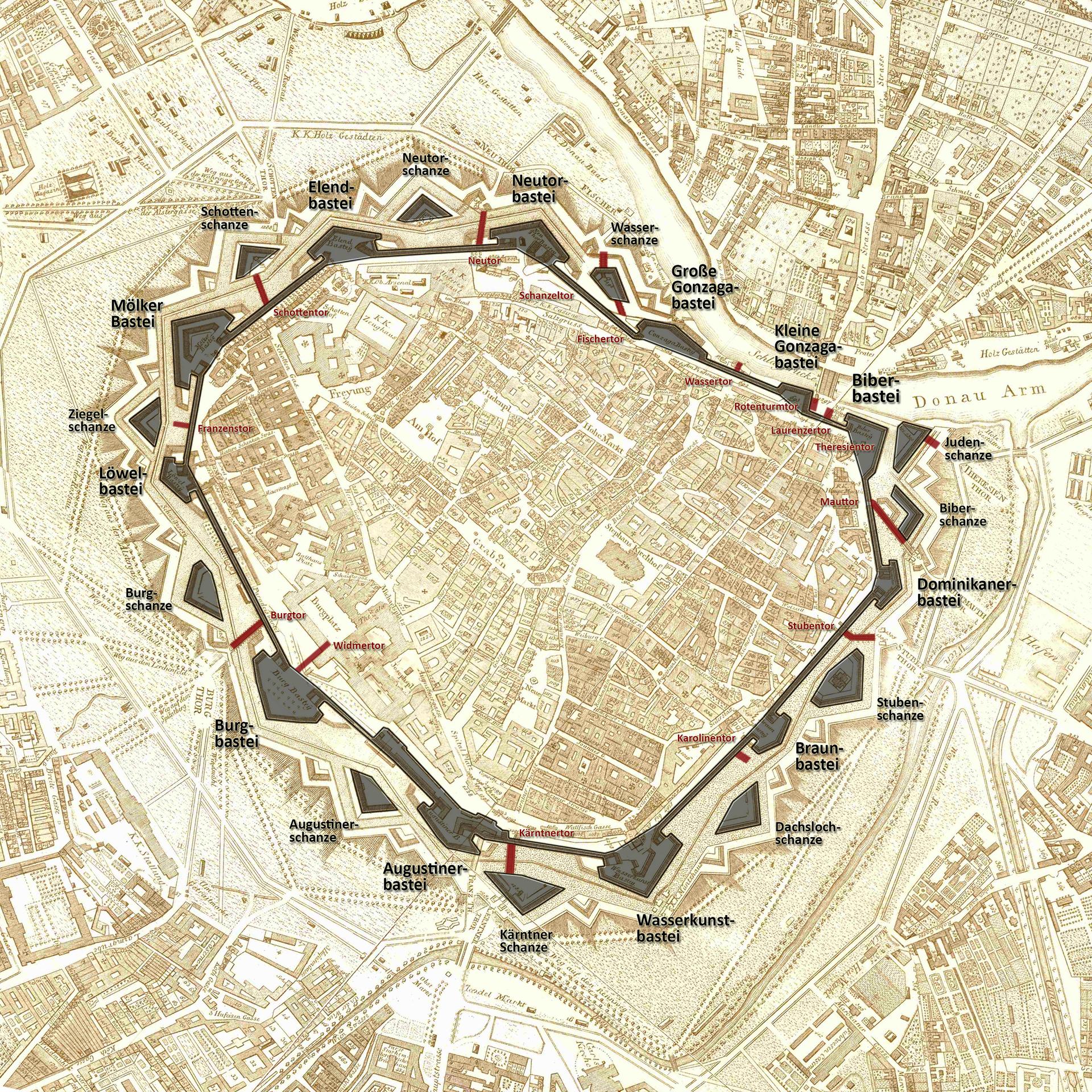
On the seventh of July 1683, left his own capital behind. The court carriages rolled past right here, heading for the Danube and on toward , and according to people at the time, those left behind shouted their opinions from the roadside as the emperor passed.
You can see the logic, though. An emperor taken prisoner would have meant the end of the dynasty, and from Passau he could do exactly what Vienna needed most: bring allies on board, raise money, and assemble the relief army. Tens of thousands of Viennese did the same thing, by the way, fleeing the city until mostly those with no choice were the ones who stayed.
The square takes its name from the ball house that once stood here, a covered court for an early version of tennis where the court amused itself. A few decades after , the went up beside it, and ever since, the word Ballhausplatz means the same thing in Austria as Downing Street does in England: this is where the government sits.
So the square of fleeing power became the address of power, with everything that comes with that. In 1934, in his own office here.
Around the corner, by the gate of the , that same emperor comes back again in September.
Sources. Story: Wien Geschichte Wiki, Stadt Wien; Wienbibliothek im Rathaus, digital collections Photos: Portrait of Leopold I, Benjamin von Block, public domain, via Wikimedia Commons