AUDIO TOURS IN VIENNA
Six walking routes through a city that was the capital of fifty million people and now fits inside a tram ride. From the siege of 1683 to the workers' palaces of the 1920s, told on the spot where it happened.
Start ExploringA Short History of Vienna
Period 1:
A Camp on the Edge of the Empire
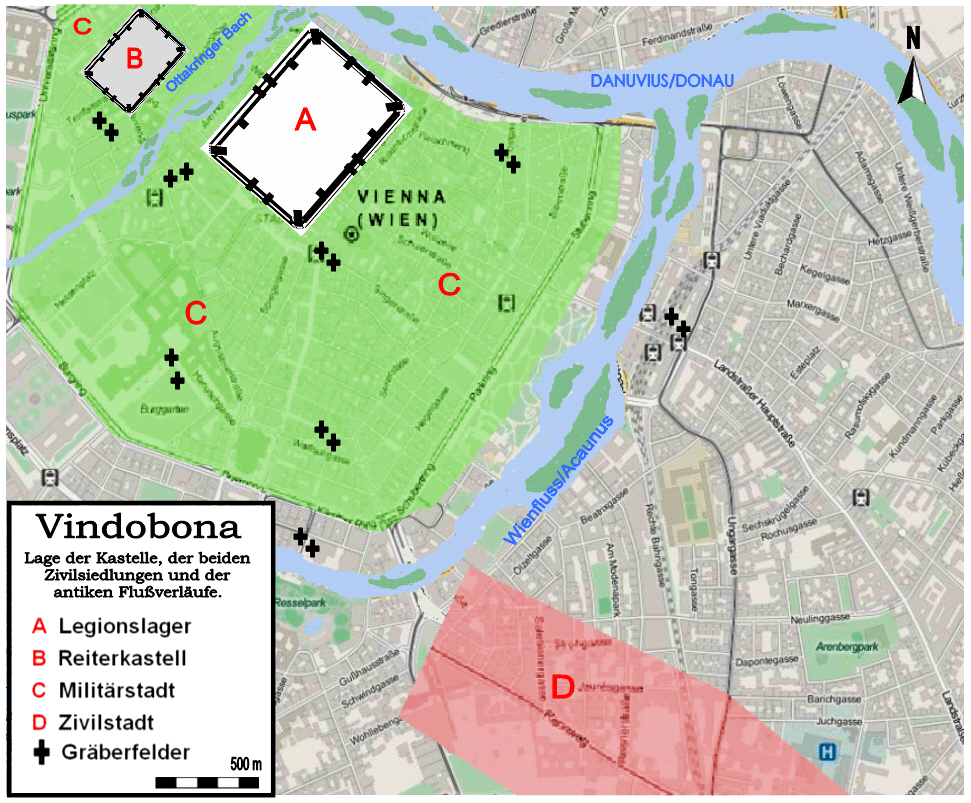
Vienna started as a military problem. Rome needed a garrison on the Danube, the river that marked the northern edge of the empire, and around the first century a legionary camp went up on the spot where the first district stands today. It was called Vindobona, several thousand soldiers lived in it, and Marcus Aurelius is thought to have died in the area while campaigning against the tribes across the water.
The camp never really left. Walk the streets around Hoher Markt and you are walking the grid of a Roman barracks, because the medieval city simply built on the foundations it found. Excavations under the square are open to visitors, and the right angles in a city centre otherwise full of curves are the clearest clue that something older is buried here.
Period 2:
Two Sieges and a Baroque City
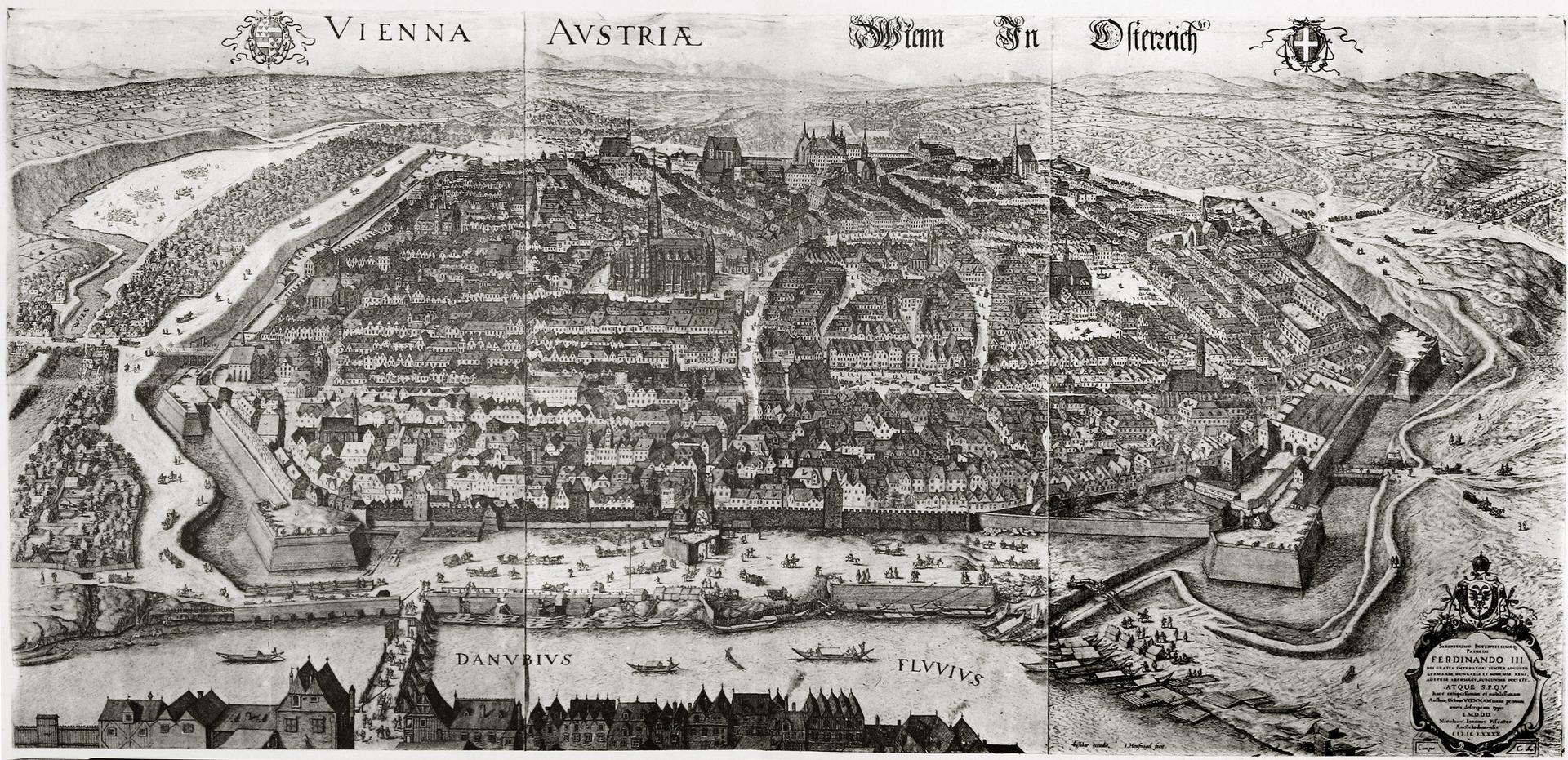
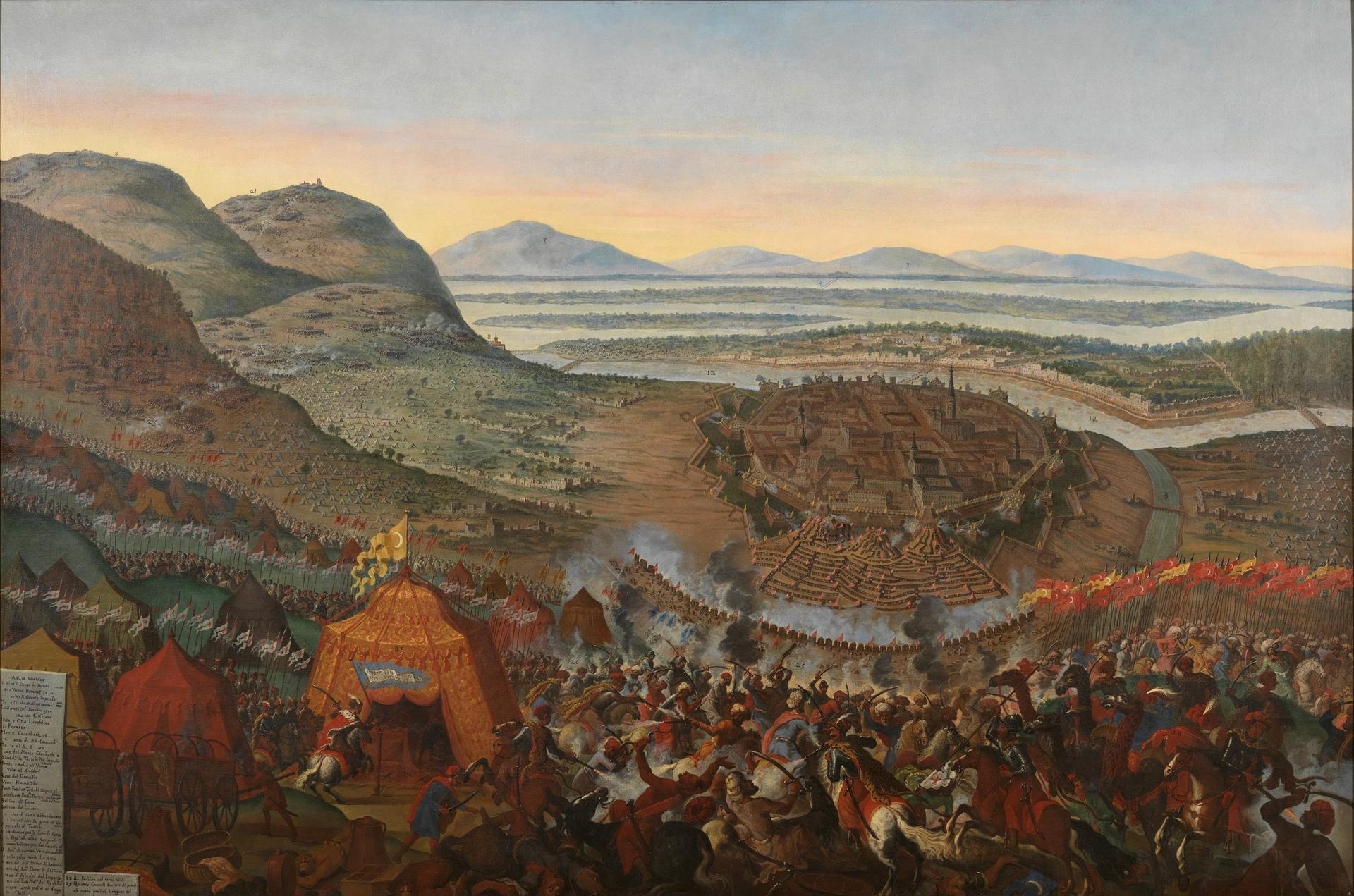
Twice an Ottoman army came to take the city, in 1529 and again in 1683, and both times the Viennese burned down their own suburbs so the besiegers would have nowhere to hide. The second siege lasted two months. Inside the walls a few thousand exhausted men kept plugging a breach that was blown open again every night, while the commander refused every offer to surrender.
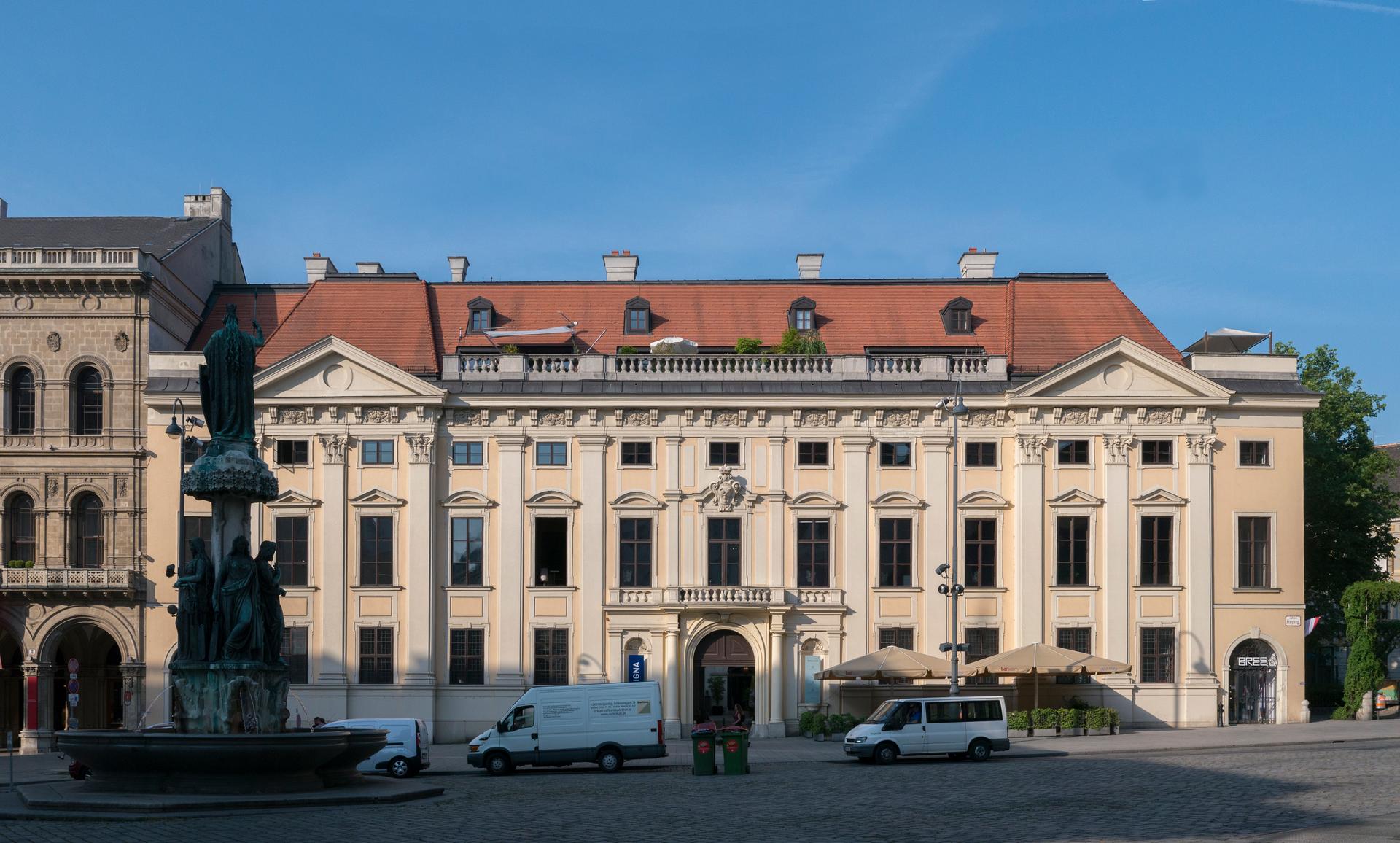
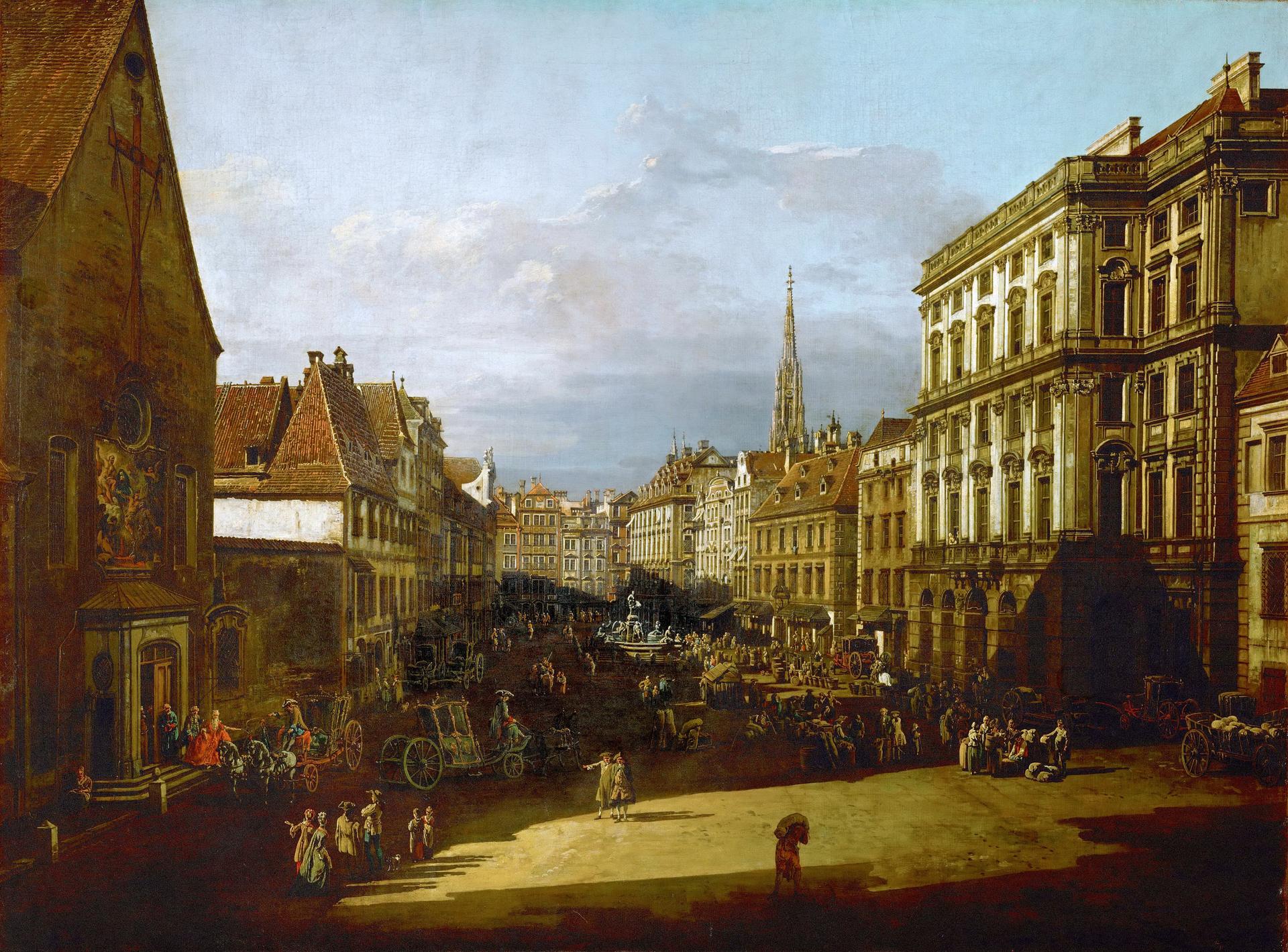
Relief came on 12 September 1683, down from the hills to the west. What followed changed how the city looks to this day: with the threat gone, the nobility stopped building low and defensive and started building domes, palaces and churches. Almost everything you admire as typically Viennese dates from the decades after that rescue, paid for with the confidence of a city that had come very close to disappearing.
Period 3:
The Habsburg Centuries
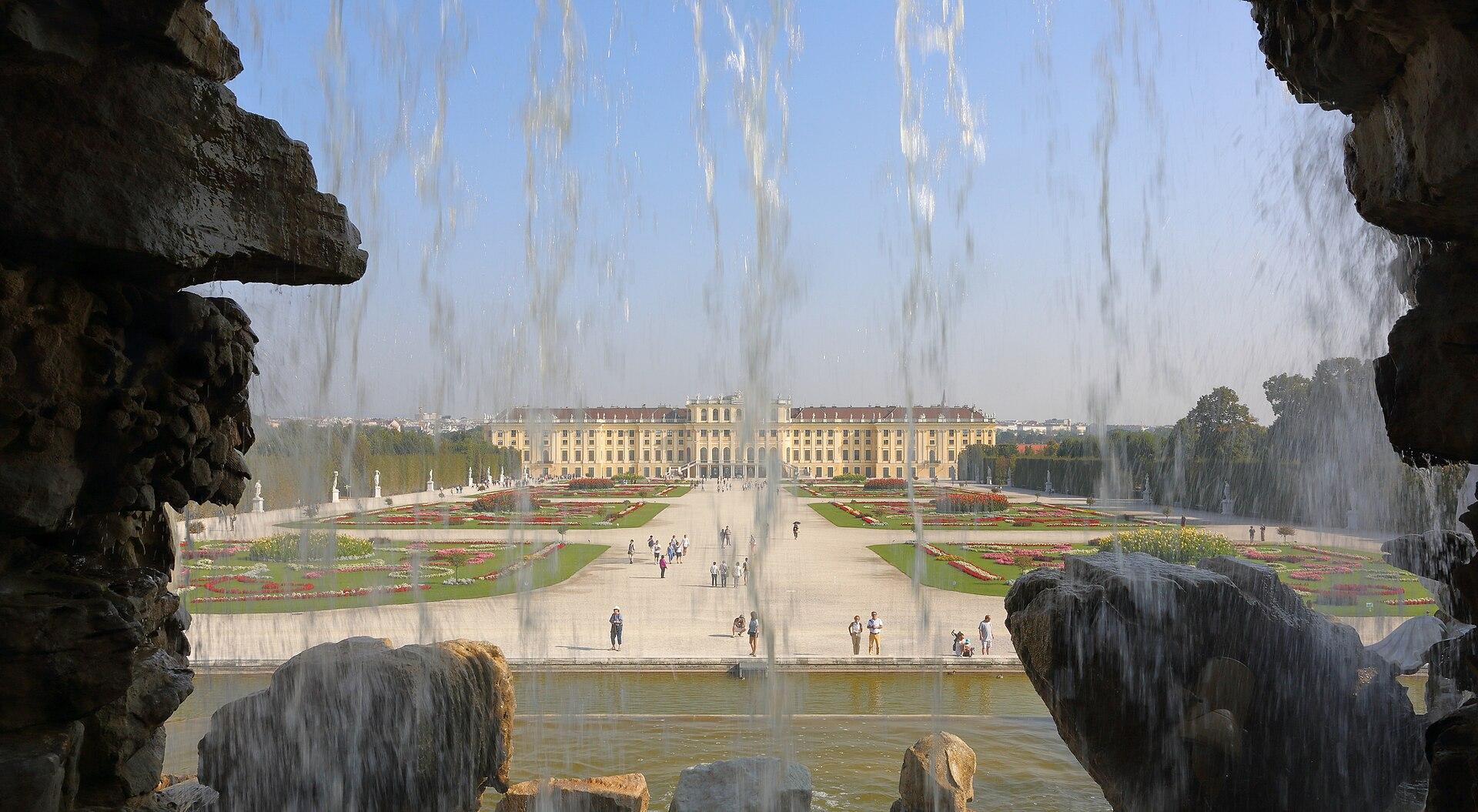
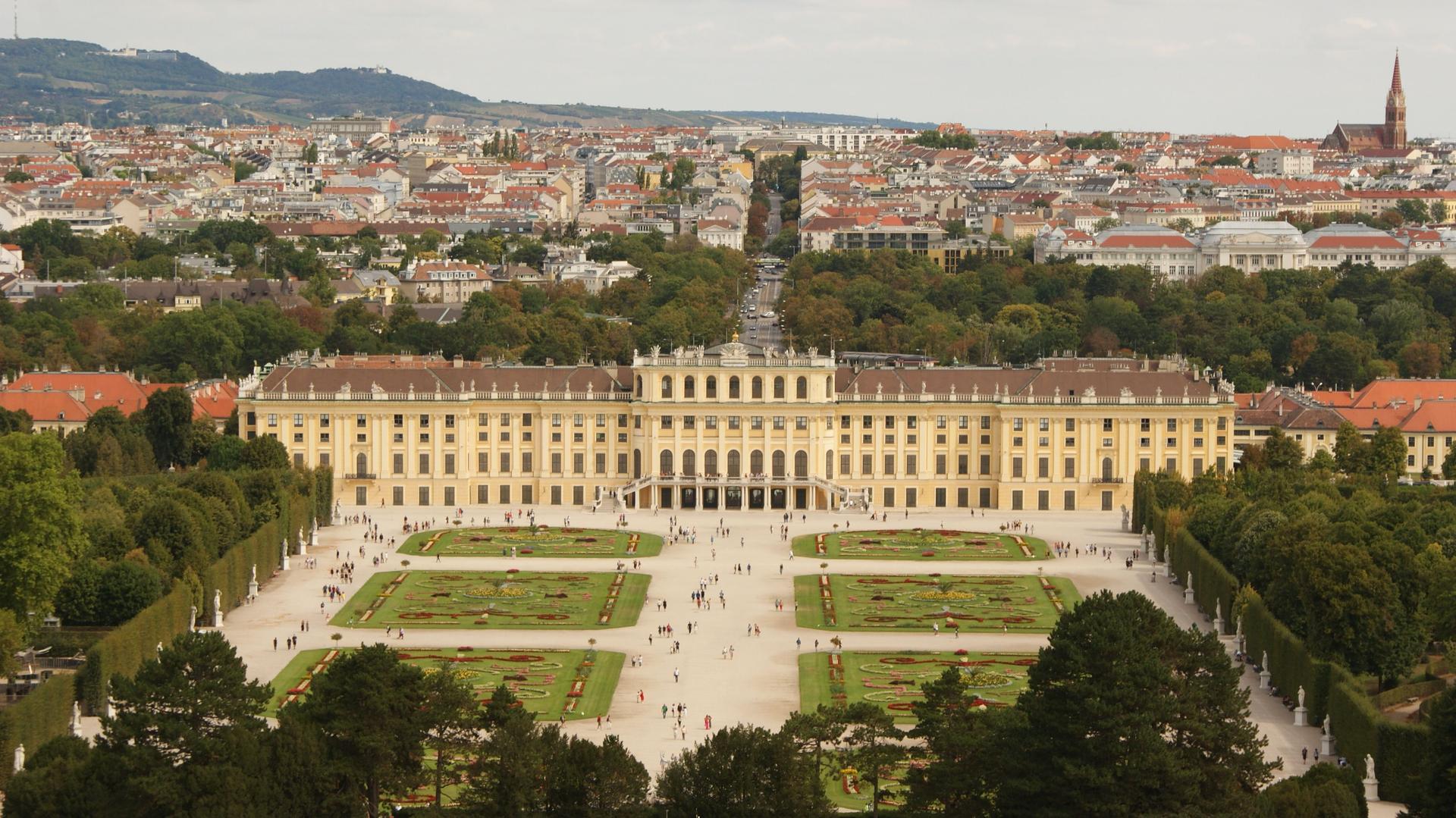
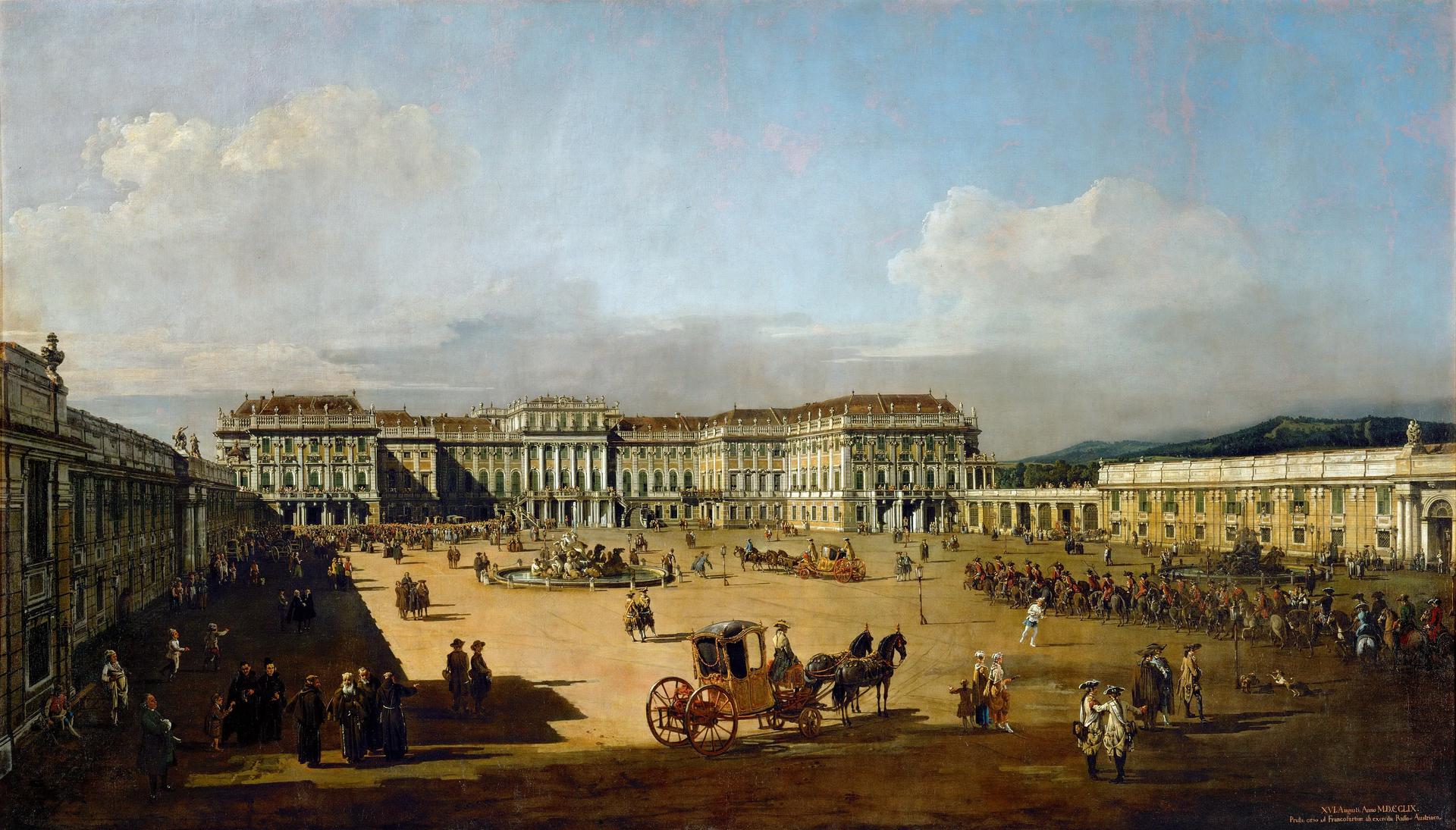
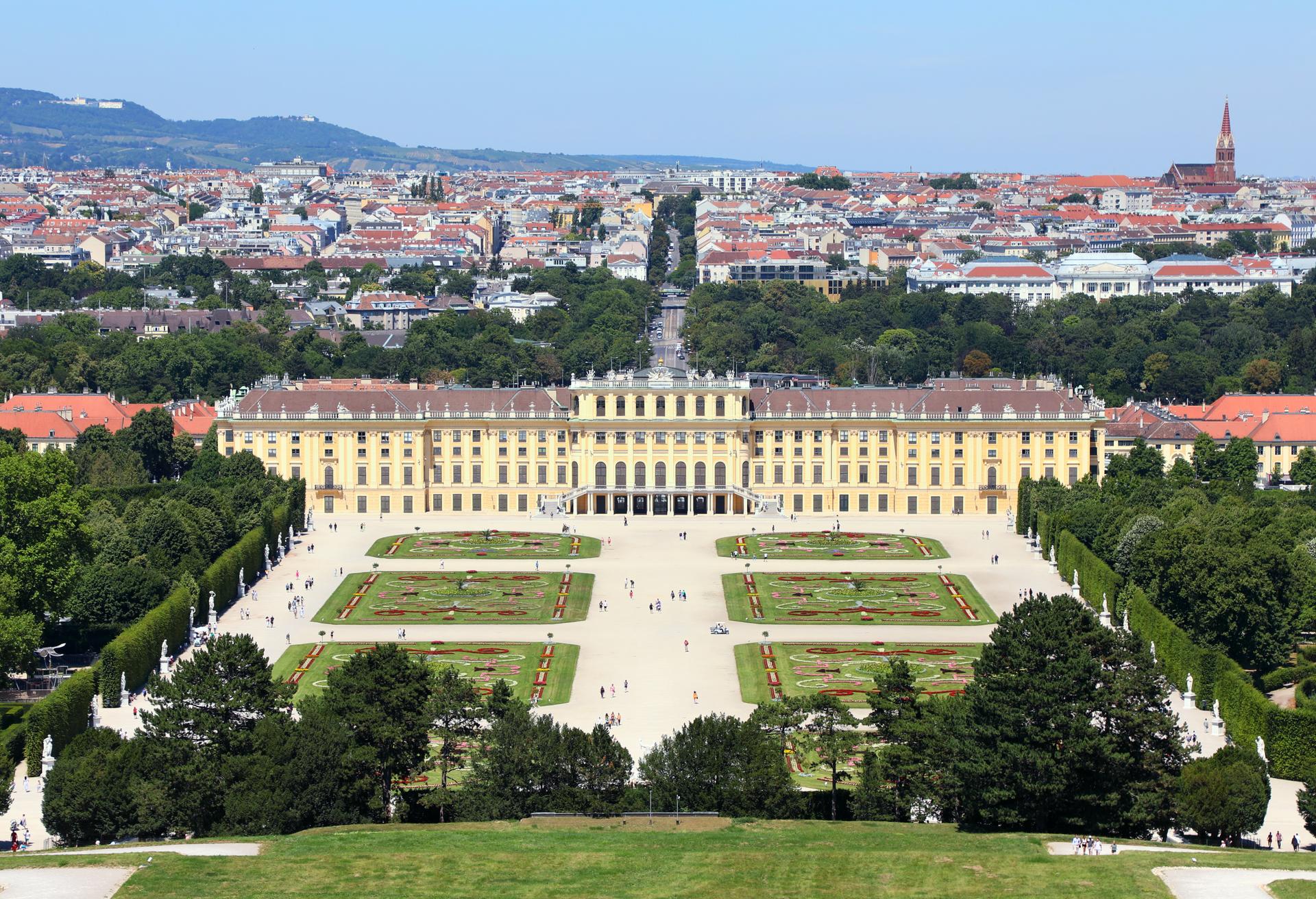
For six hundred years one family ran this city and, from it, an empire of fifty million people speaking a dozen languages. Maria Theresa turned a hunting lodge into Schönbrunn, her son Joseph the Second opened the imperial parks and gardens to anyone who wanted to walk in them, and Franz Joseph ordered the city walls demolished in 1857 to make room for a boulevard with an opera house, a parliament and a town hall on a single circuit.
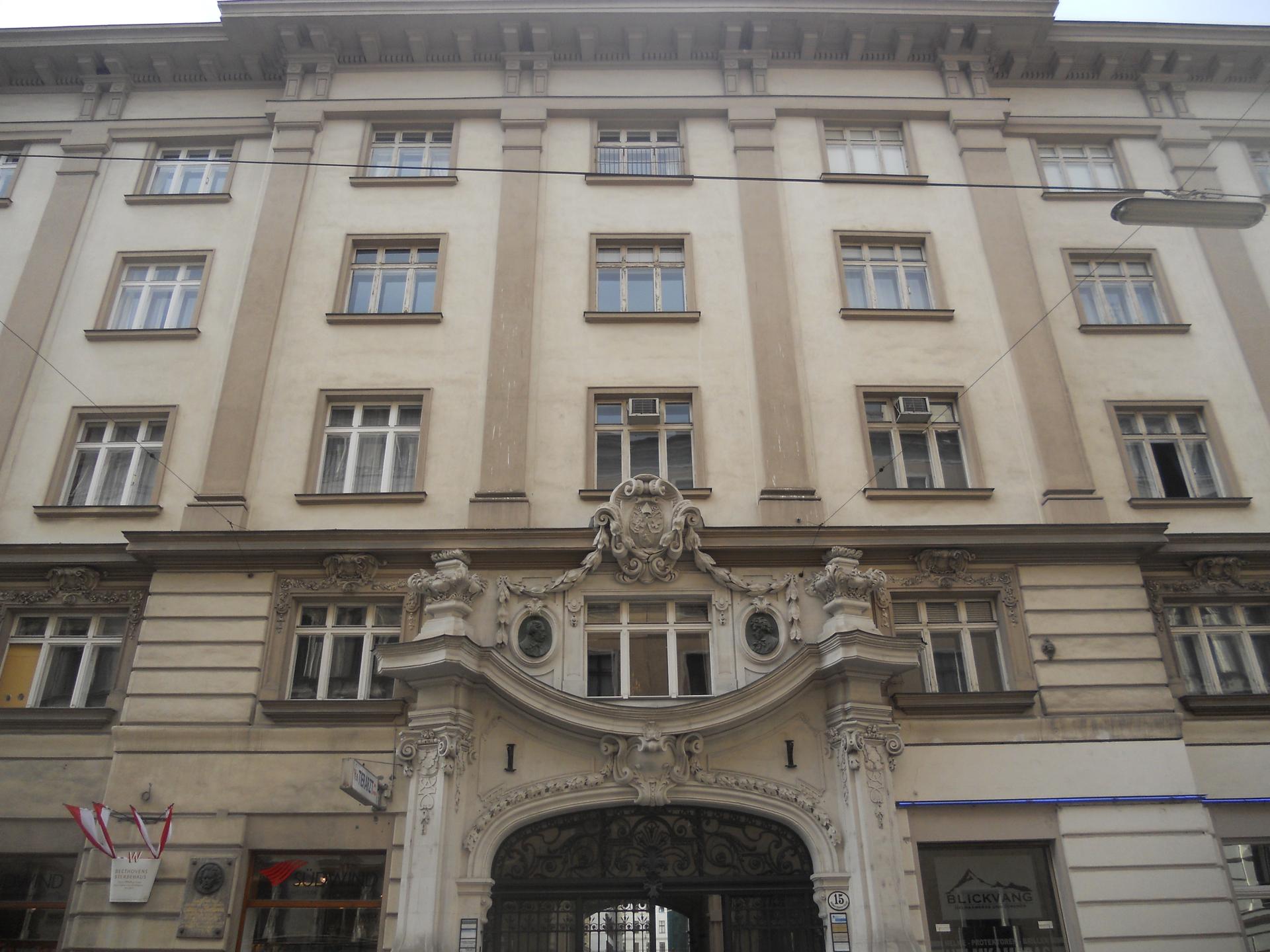
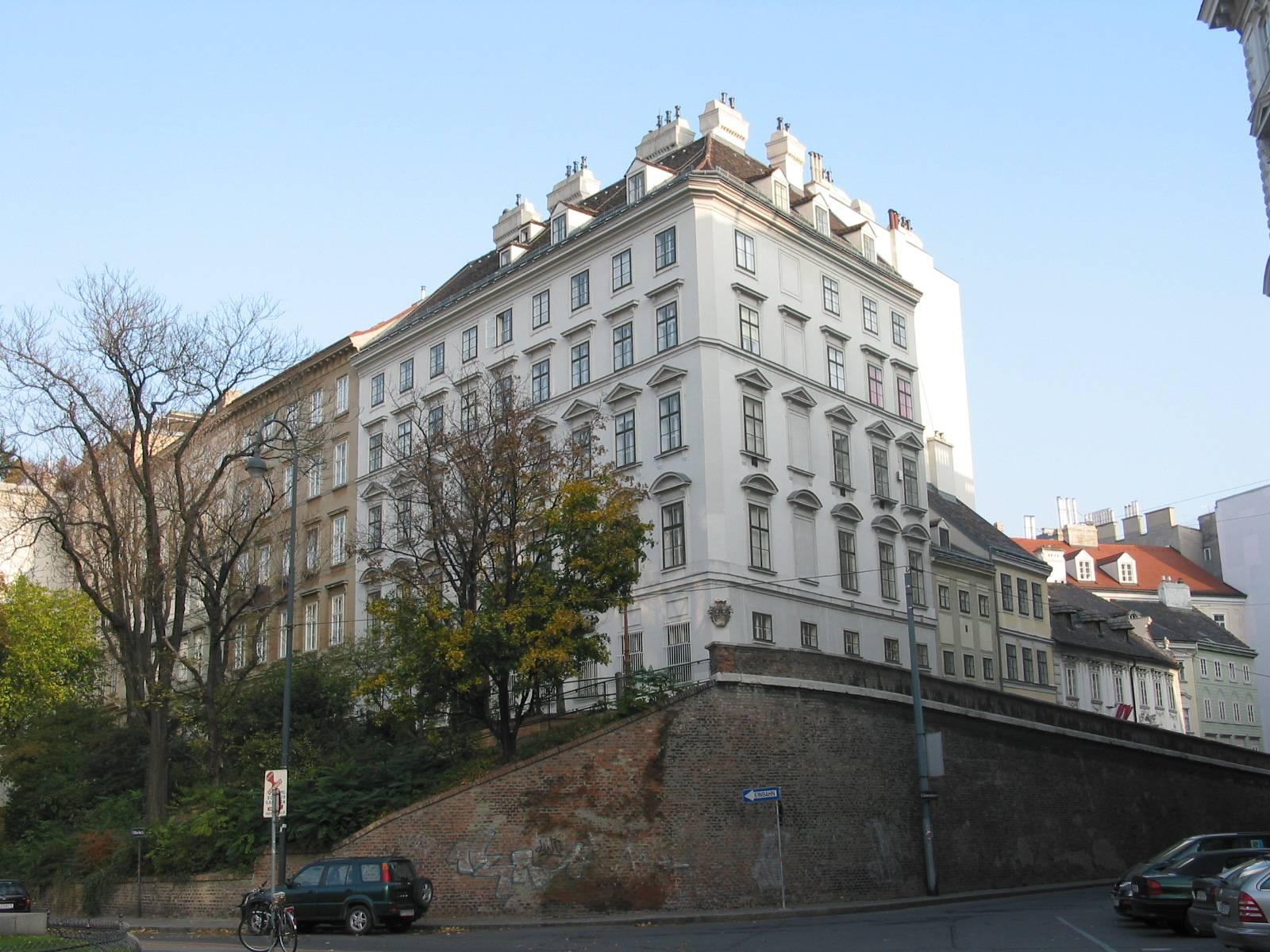
The music happened in the gaps between those grand gestures. Mozart was thrown out of his employer's house on Singerstraße and stayed on as a freelancer, Beethoven moved more than sixty times inside the city, Haydn slept in an unheated attic, and Schubert died at thirty-one owning little more than his manuscripts. All of it within one square kilometre, and most of the addresses are still standing.
Period 4:
The City That Reinvented Everything
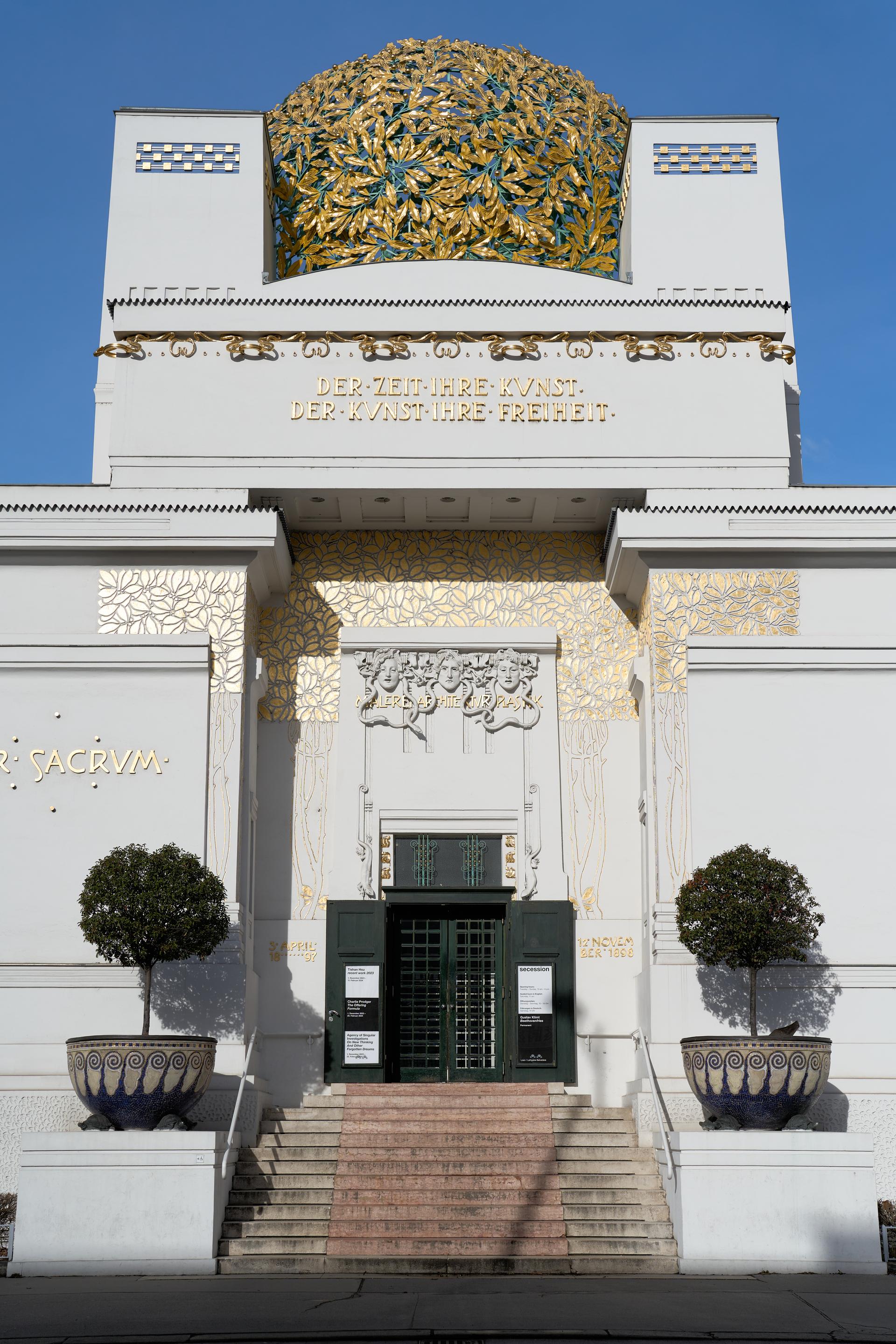
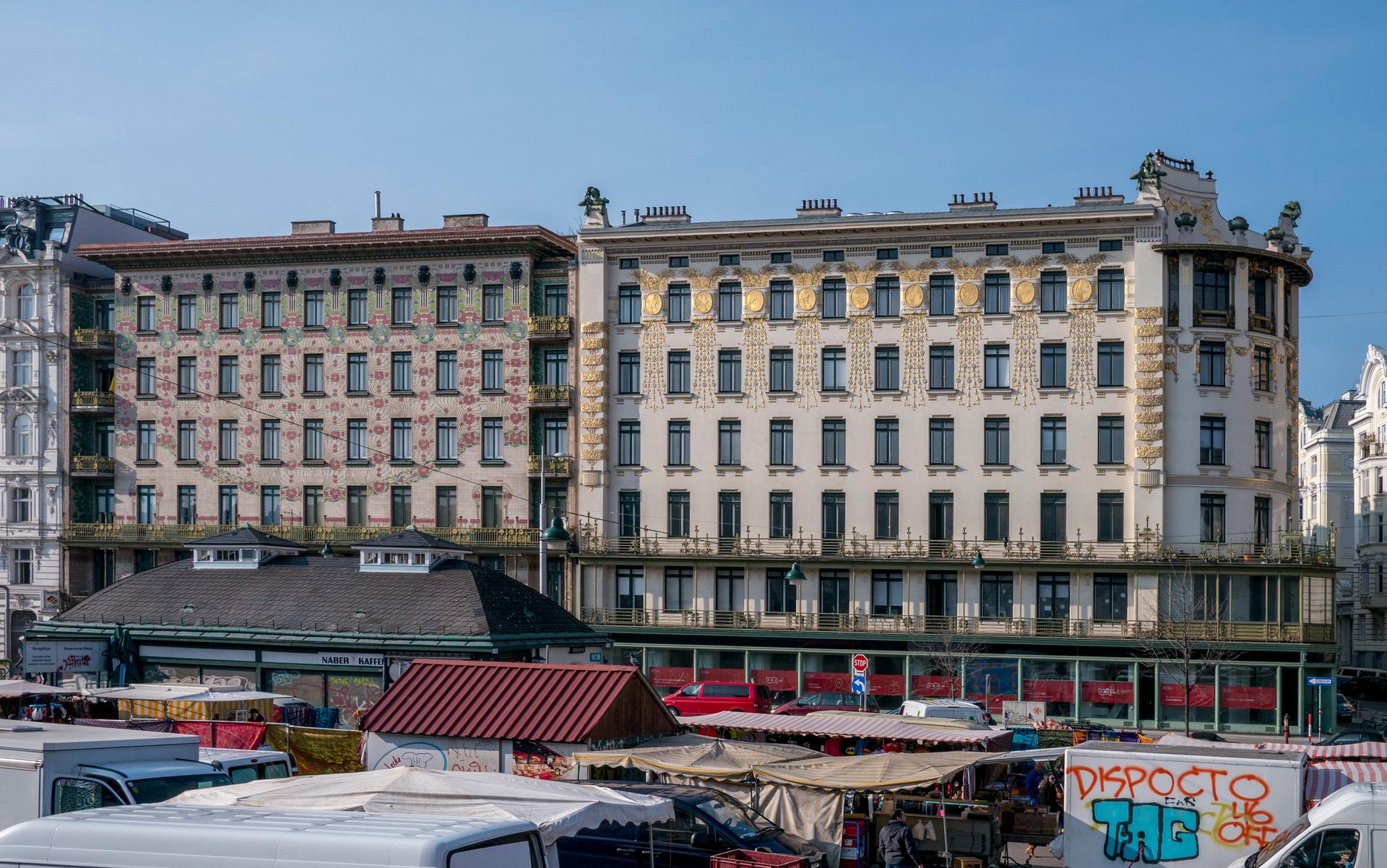
Around 1900 a generation in their thirties decided that painting, architecture, music, furniture and even the understanding of the human mind all had to start again. Klimt walked out of the official artists' society and built a white hall with a gilded dome that the Viennese promptly nicknamed the golden cabbage. Otto Wagner tiled an entire facade with roses. Adolf Loos opened a café so bare that the city called it Café Nihilism. Mahler ran the opera and locked latecomers out, and Freud saw patients a short tram ride away.
It ended abruptly. In 1918, the last year of the war, Klimt, Wagner, Koloman Moser and Egon Schiele all died within ten months of one another, the last two in the influenza wave, while the empire this city had been the capital of broke into pieces around them.
Period 5:
Red Vienna and What Came After
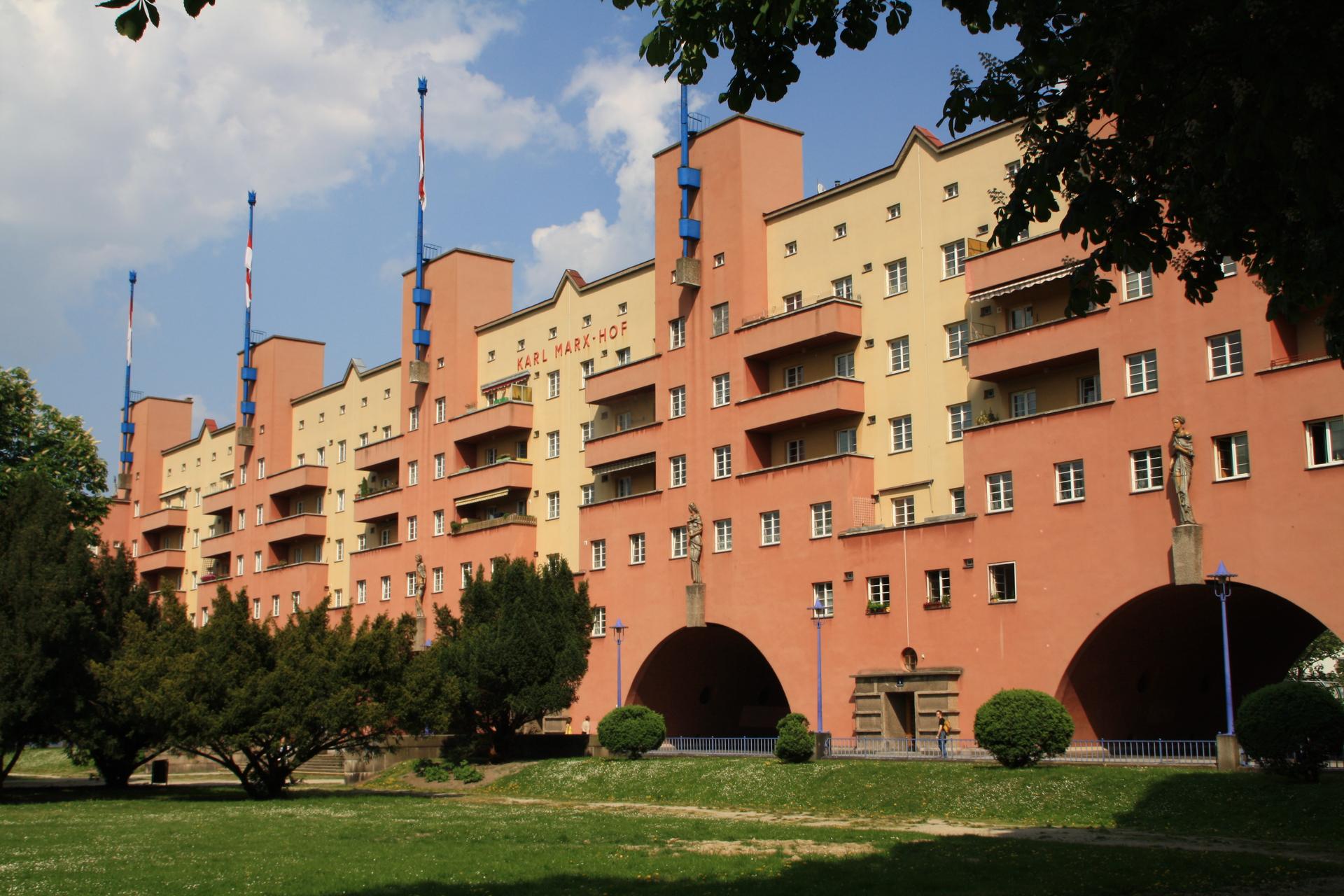
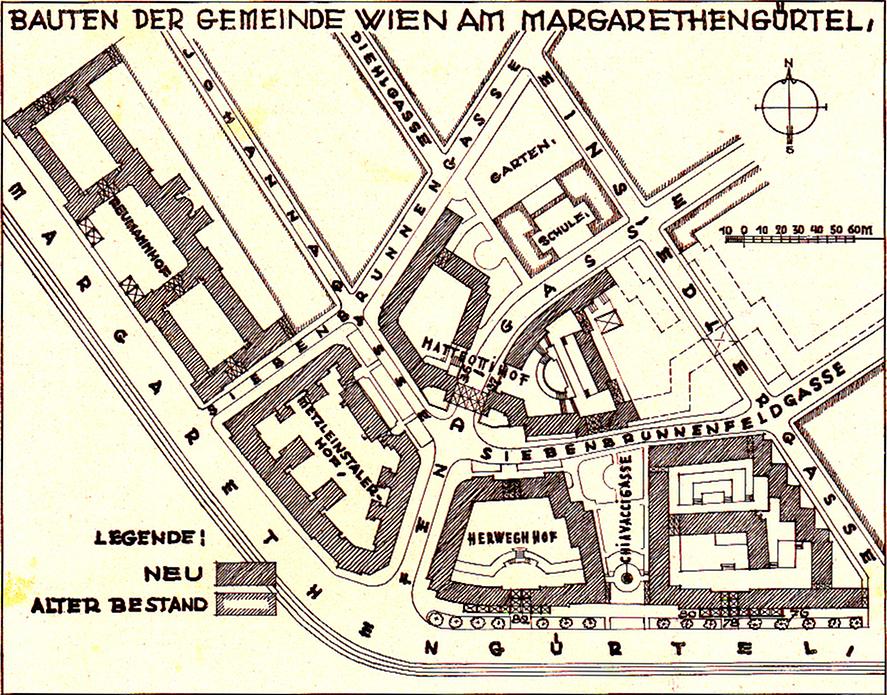
After 1918 Vienna was a capital without an empire, four times too big for the country around it, with families renting out a bed by the shift to afford their own room. The social democrats won the city and held it for fifteen years, and in that time they built more than sixty thousand flats, paid for out of taxes on servants, riding horses and luxury flats rather than borrowed money. They put them on the main roads, shaped like palaces, with kindergartens, laundries and libraries inside.
In February 1934 the army shelled those blocks and the republic became a dictatorship, four years before Hitler marched in. What the fifteen years left behind outlasted both regimes: the city still owns more than two hundred thousand municipal flats, half a million people live in them, and that is a large part of why Vienna remains affordable in a way most European capitals no longer are.
Six walks through imperial Vienna
Each route runs about three kilometres and takes a morning, with the stories playing automatically as you walk.
The places behind the stories
Every stop on our map of Vienna has its own story — 85 of them. Read them here, or hear them where they happened.