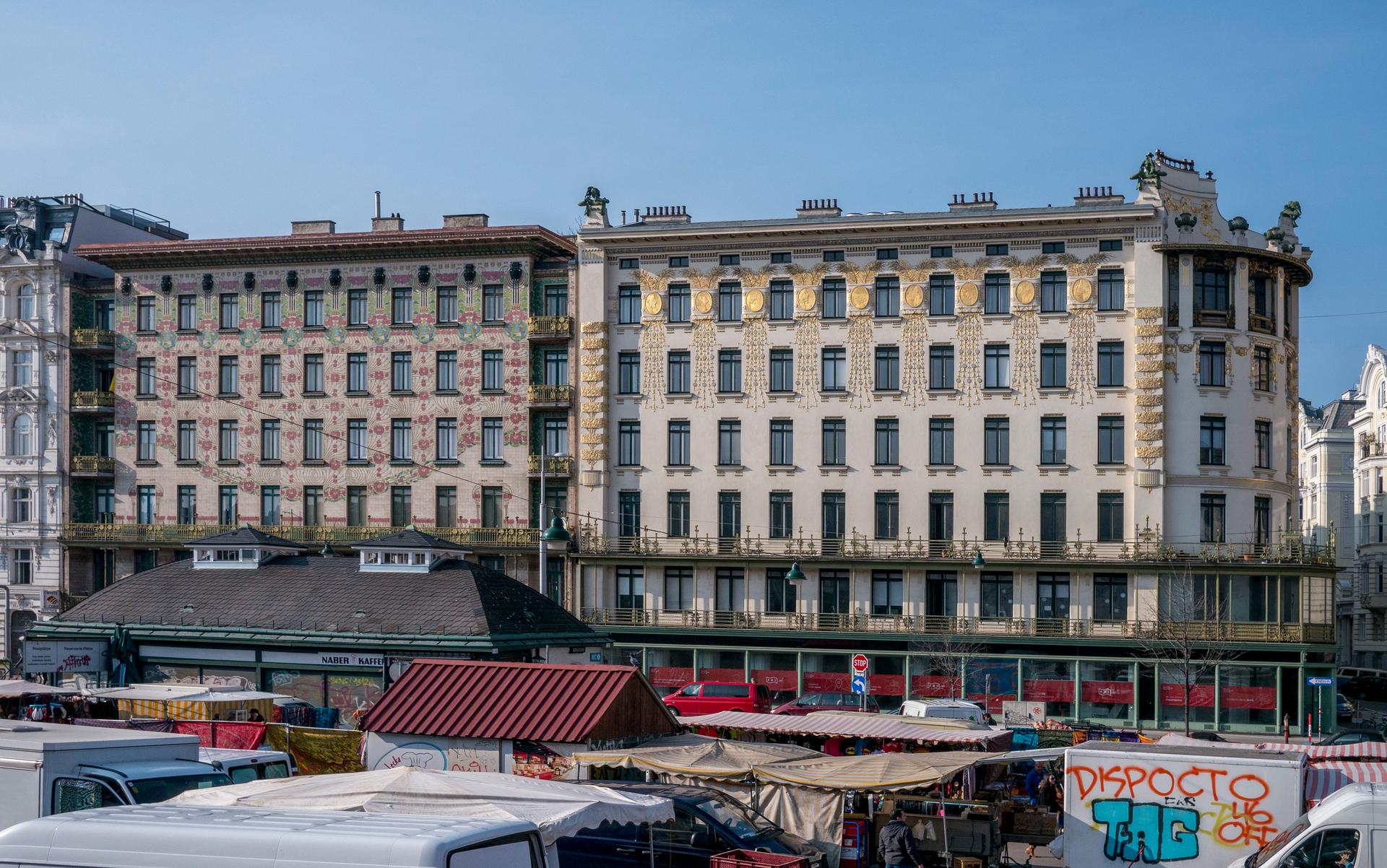
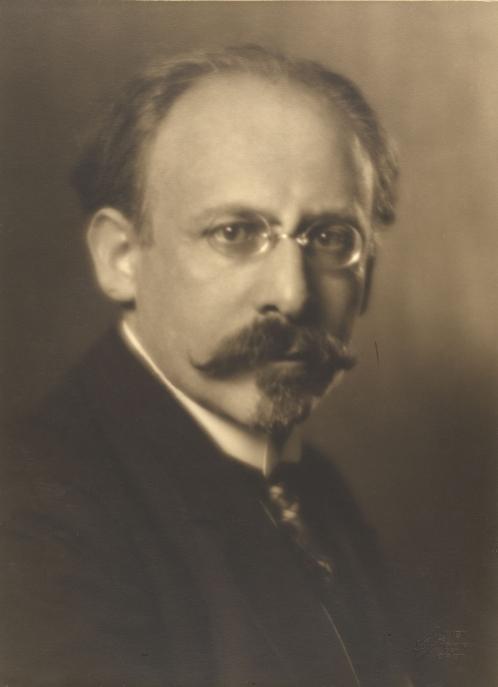
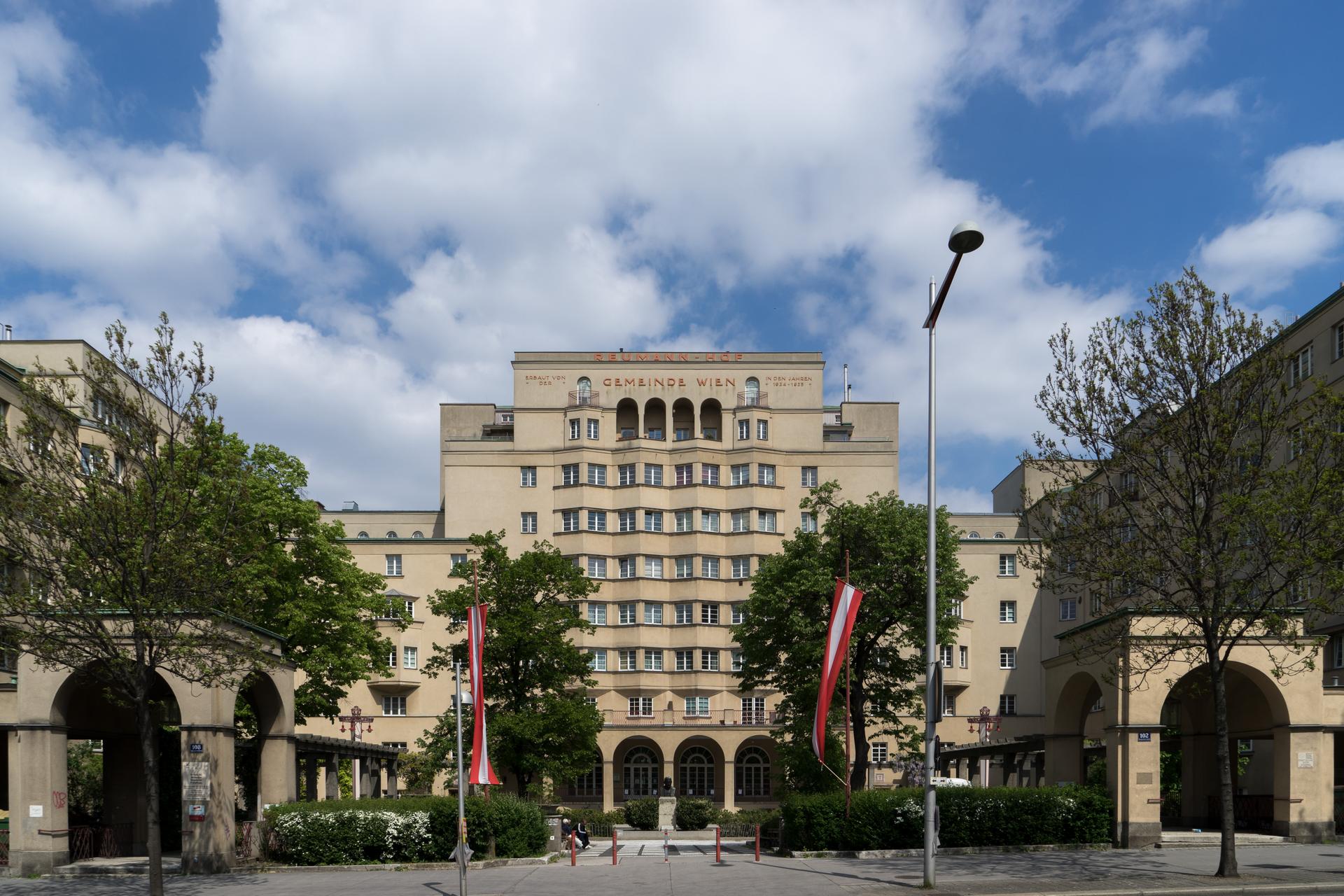
Every one of those homes went up without a single loan, and that was the work of Hugo Breitner, the finance councillor who turned Vienna into its own tax territory the moment the city became a .
His system was simple in design and painful in practice. Taxes landed on household servants, on riding horses, on champagne and on large apartments, and they climbed so steeply that a handful of expensive properties brought in more than thousands of small ones. On top of that came a housing tax that could be spent on building and nothing else, so no interest and no debt ever built up.
His opponents campaigned against him with posters that exploited his Jewish background, and they spoke of the Breitner tax as if it were a punishment, which for them it was.
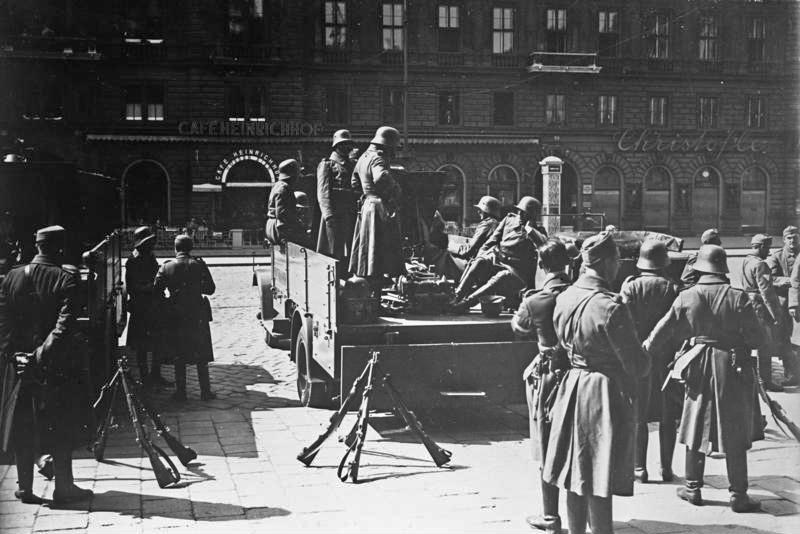
He outlived the regime that drove him out and died in California, but his system did not survive.
A hundred metres further along the quay stands the building where all of this came to an end.
Sources. Story: Wien Geschichte Wiki, Stadt Wien; Österreichische Nationalbibliothek, Bildarchiv Photos: Hugo Breitner 1927, Georg Fayer, Österreichische Nationalbibliothek, via Wikimedia Commons