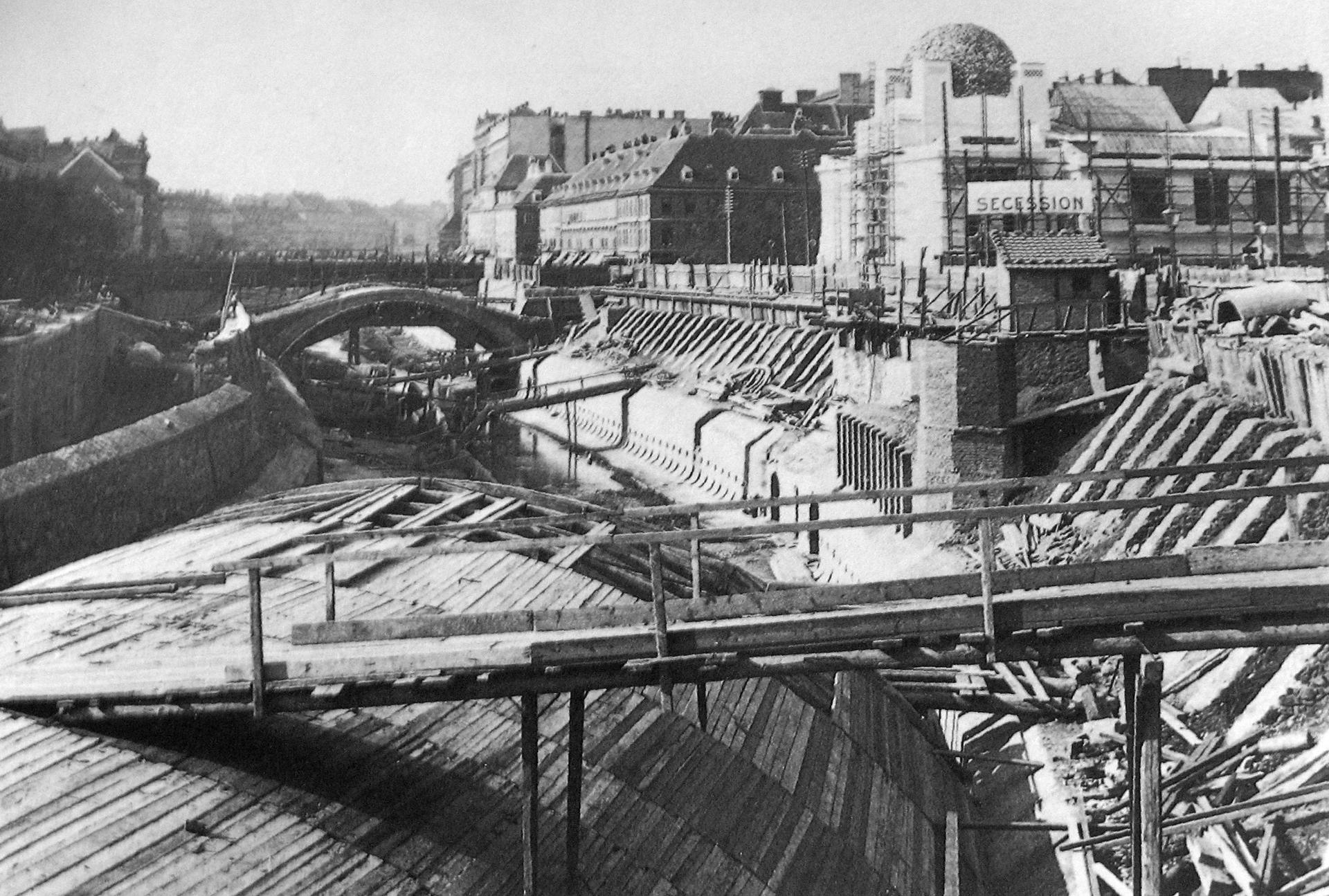
The market you're walking across sits on a lid. Beneath it flows , the river that gave the city its name and that barely amounted to anything for much of the year, until heavy rain in the , the forested hills west of the city, sent the water surging over its banks within hours.
Around the turn of the twentieth century the river was laid into a concrete channel and, along this stretch, covered over entirely. , the architect who shaped so much of modern Vienna, helped design the work, and it went ahead alongside his . What you get out of it is the space itself, because without that covering the market simply wouldn't fit here.
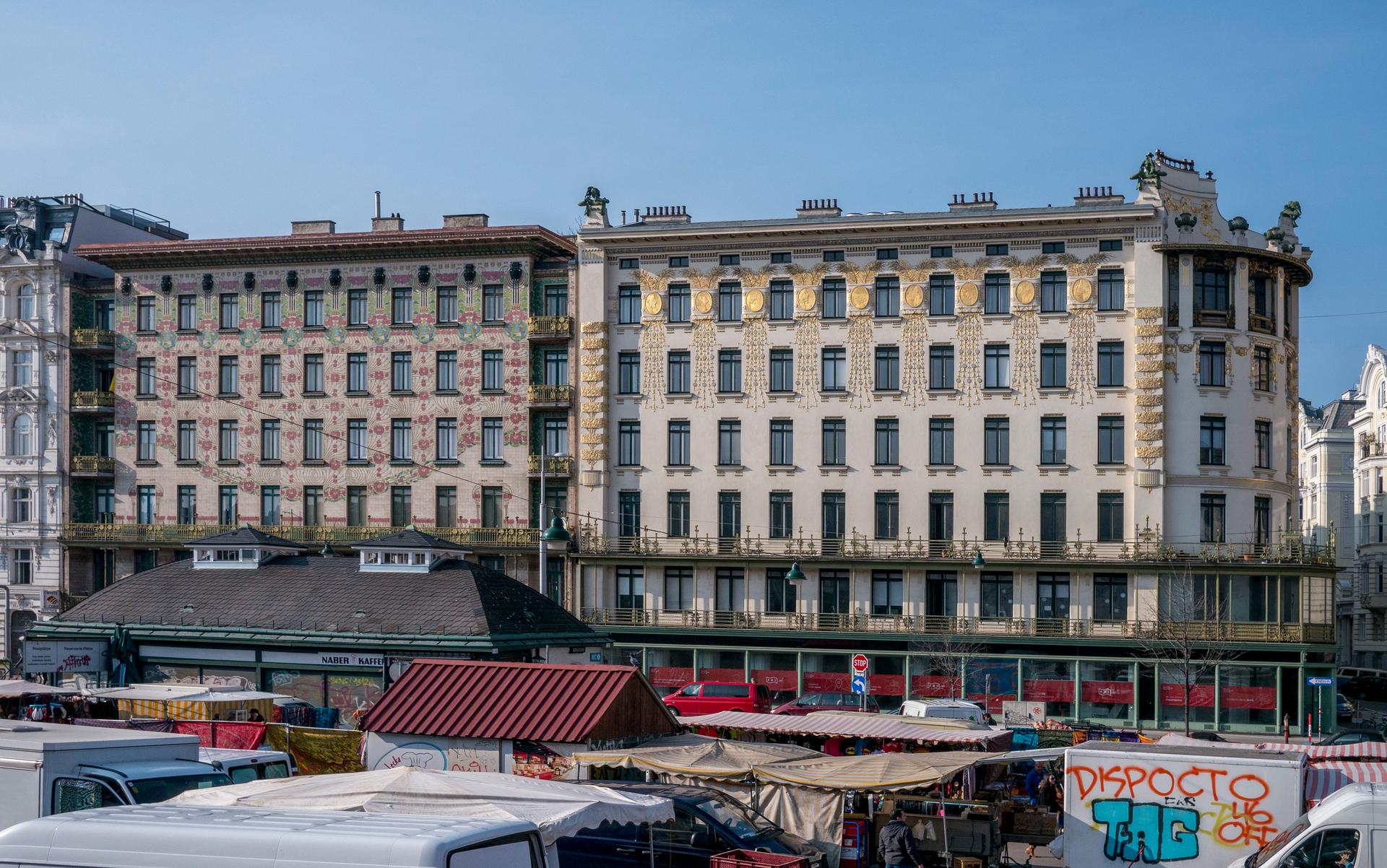
The Naschmarkt was already here, first as a dairy market and later as the place where everything the imperial railways brought into the city changed hands. So the mix of smells you pick up isn't anything new, since the stalls around 1900 were already selling goods from Hungary, Italy and the Balkans.
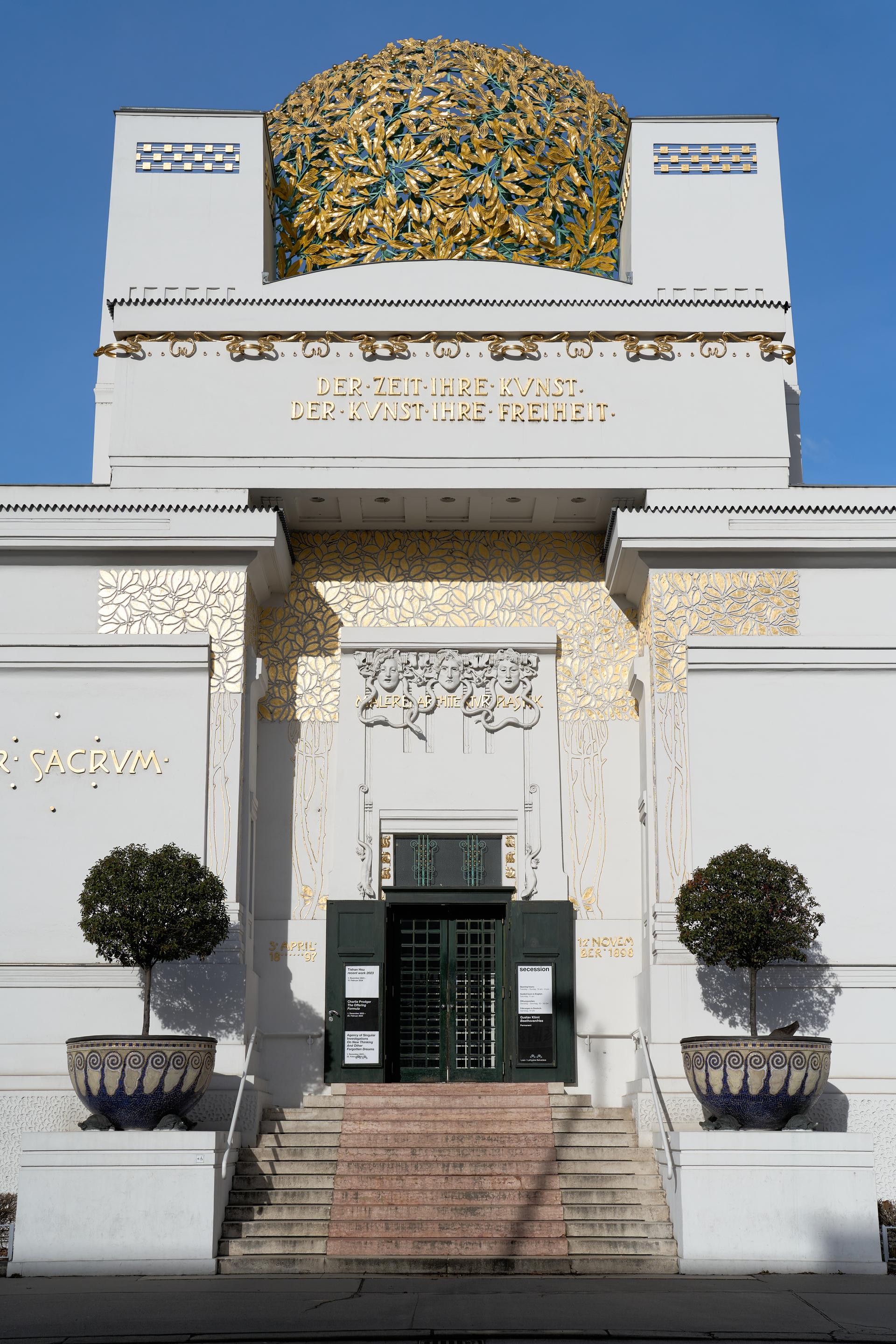
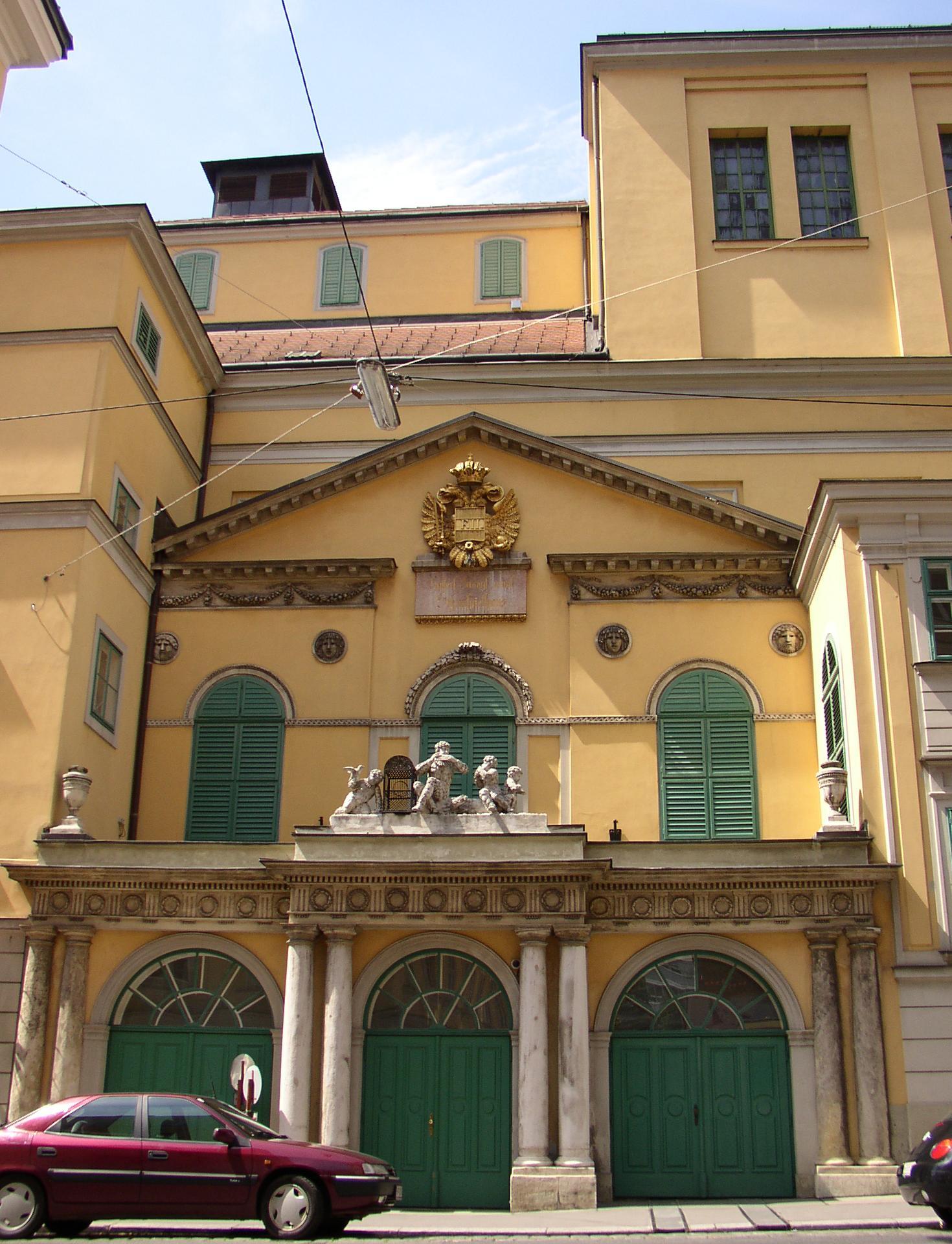
At the far end of the market stands .
Sources. Story: Wien Geschichte Wiki, Stadt Wien; Wien Museum, Wienflussregulierung collection Photos: Wienflussregulierung 1898, public domain, via Wikimedia Commons