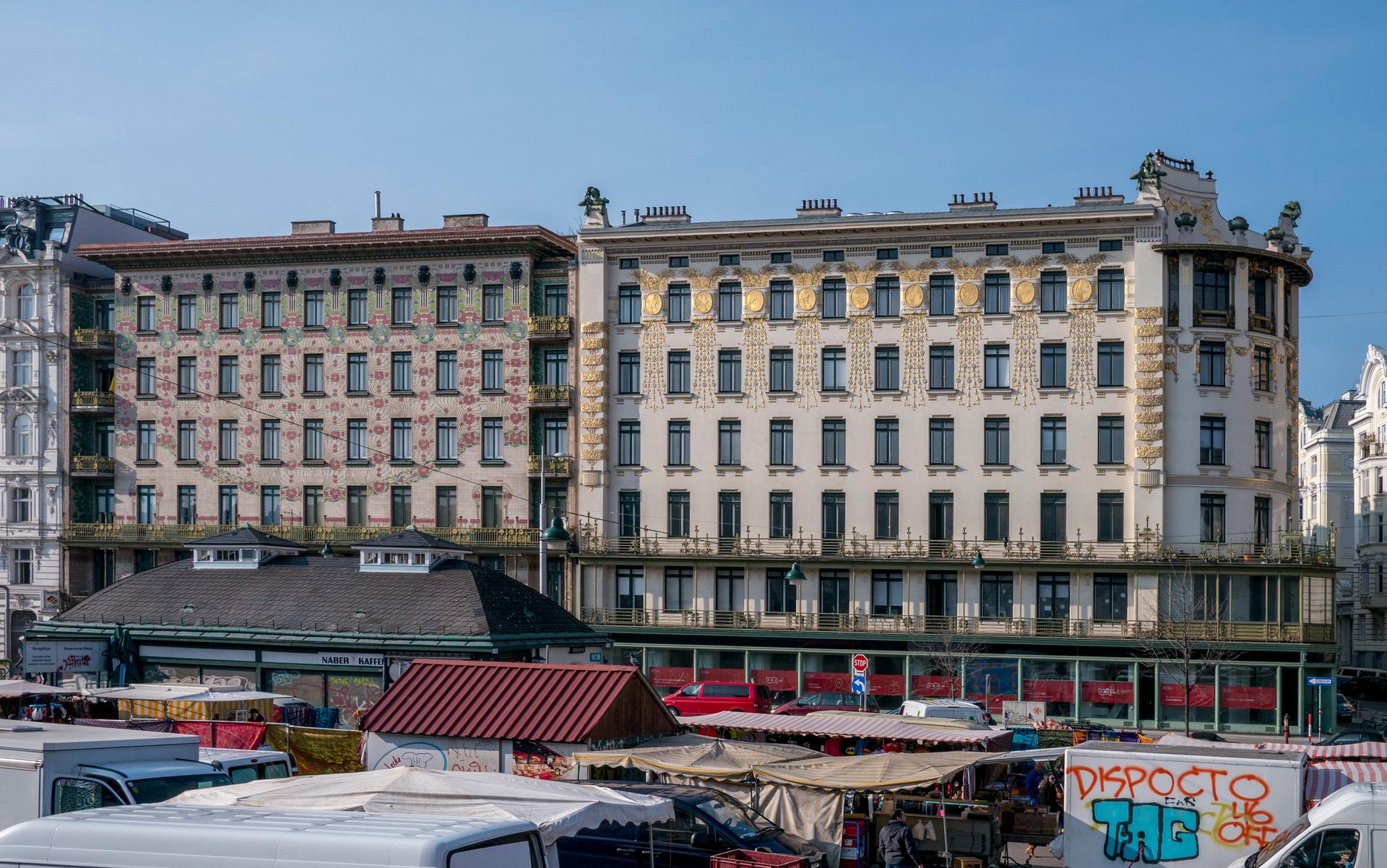
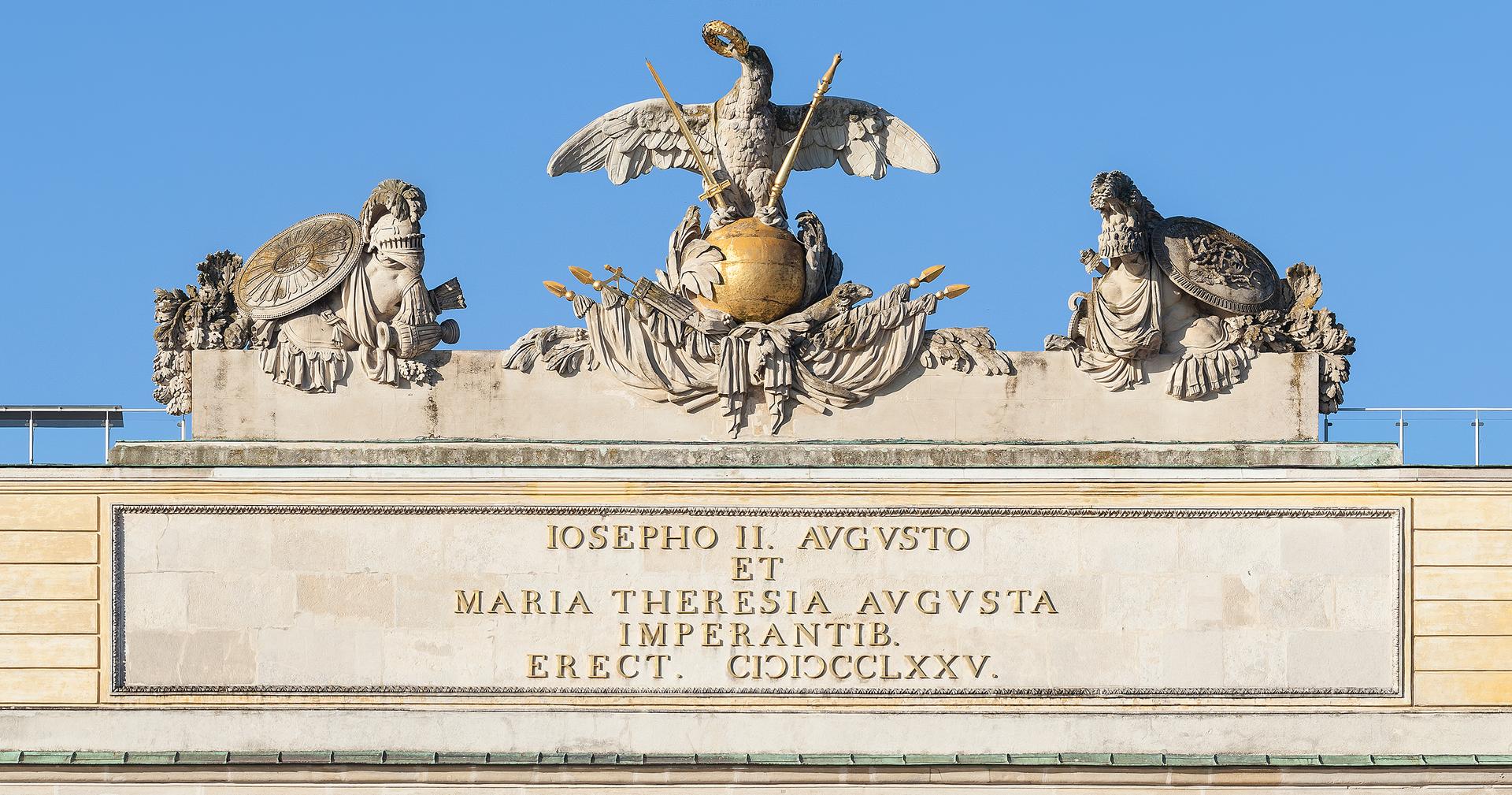
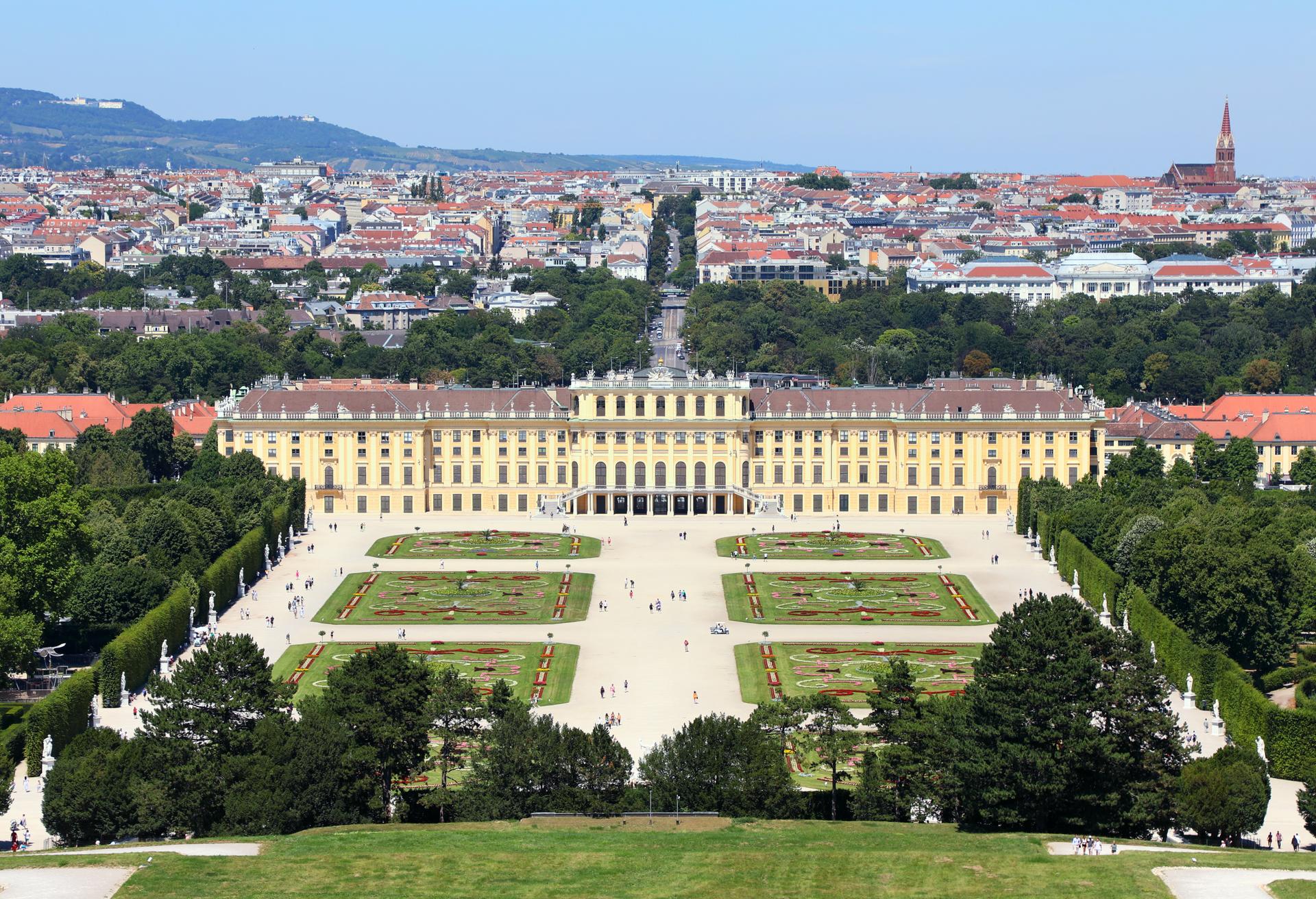
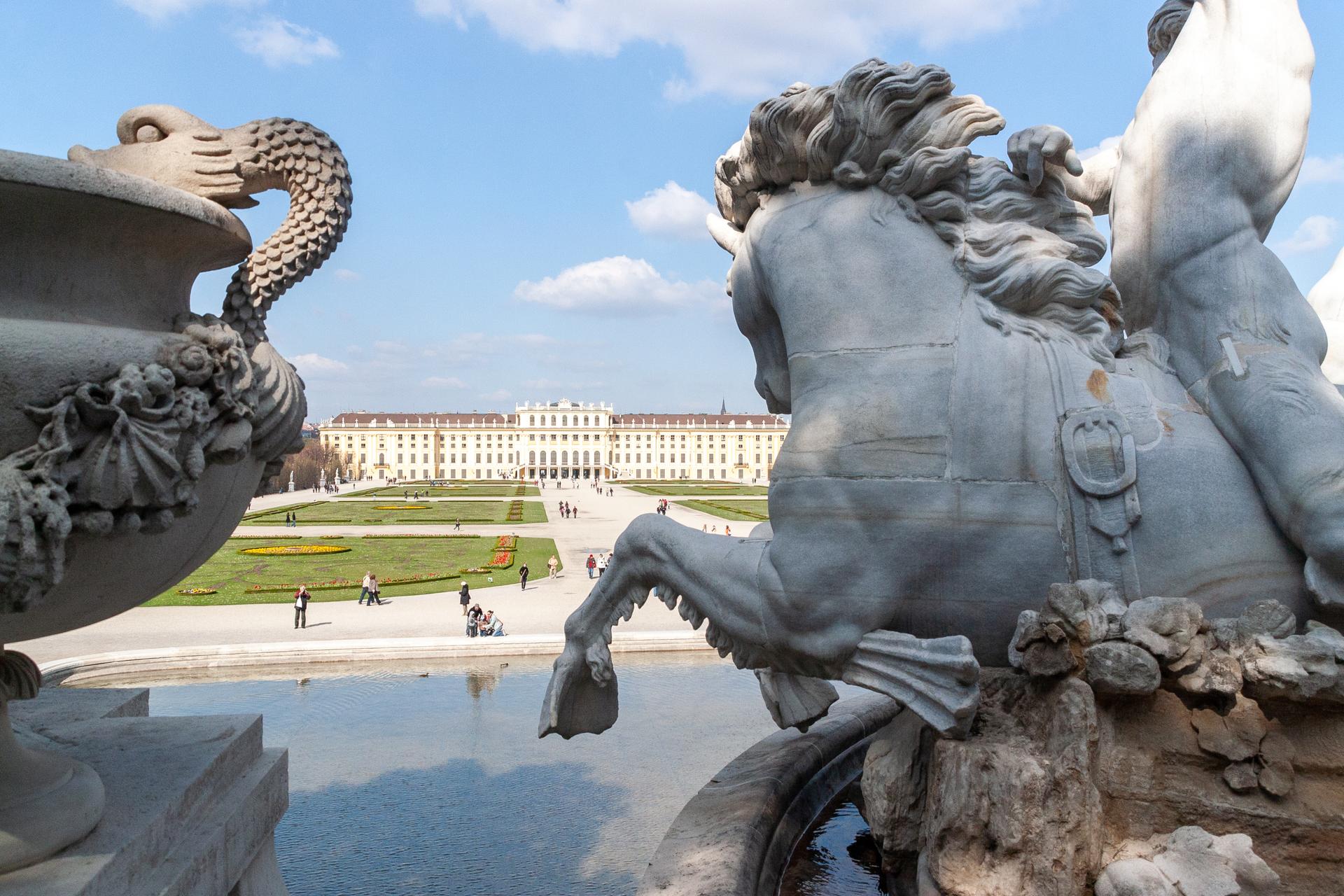
At the top of the slope stands a colonnade that houses nothing and says everything. The Gloriette was put up in 1775 as the crowning touch of the garden, meant to be admired from the palace and to look back down on the palace from here.
, the empress who ruled Austria for most of the eighteenth century, had it built as a monument to the fallen and to what she called a just war, after a string of conflicts with in which she lost the wealthy province of and only just managed to hold the rest together. A victory monument for a war that brought no victory is exactly the kind of resolve that defined her.
The building material came from elsewhere. The walls were made from stones reused from a castle near Vienna that was being pulled down at the time, because even an empress kept an eye on the budget.
Later , her great-great-grandson and one of the last Habsburg emperors, took his breakfast up here. These days it holds a café and you can go up onto the roof. During the Second World War the building was badly damaged, and within two years of the war it was standing again.
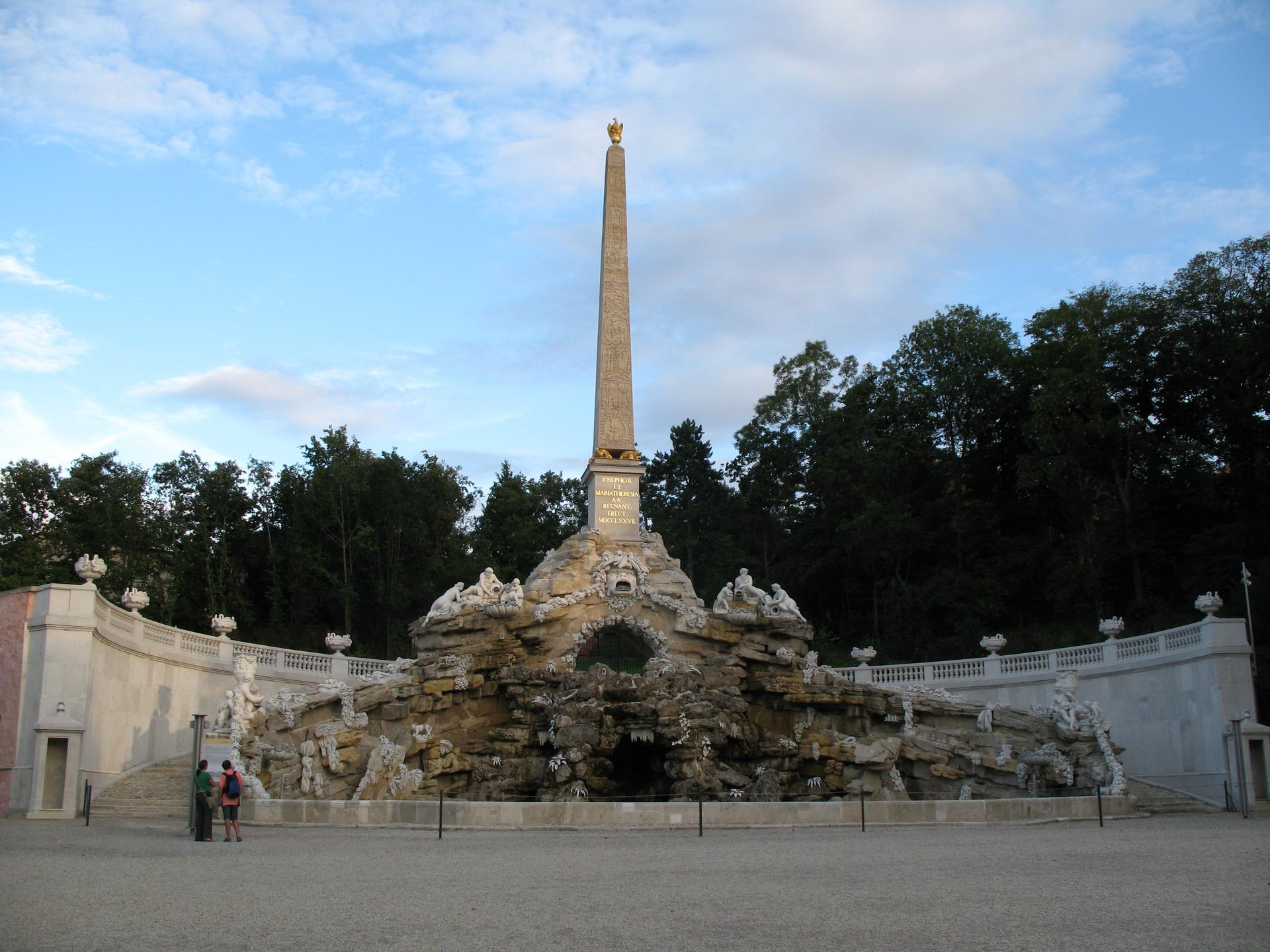
We head down the path to the east, towards the pond with the obelisk.
Sources. Story: Wien Geschichte Wiki, Stadt Wien; Schloss Schönbrunn Kultur- und Betriebsgesellschaft, Gloriette documentation Photos: Gloriette Schönbrunn Wien, Thomas Wolf, CC BY-SA 3.0 DE, via Wikimedia Commons