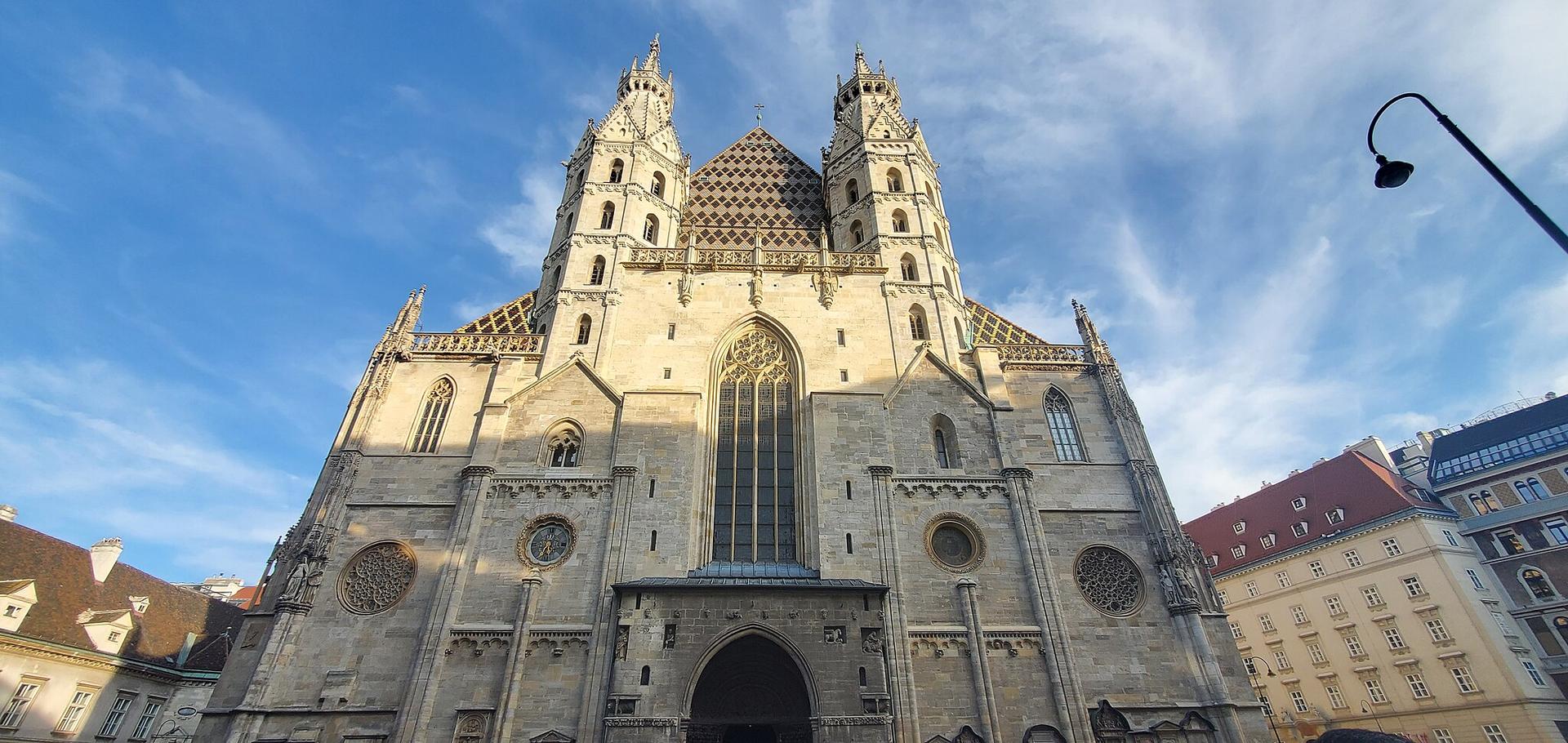
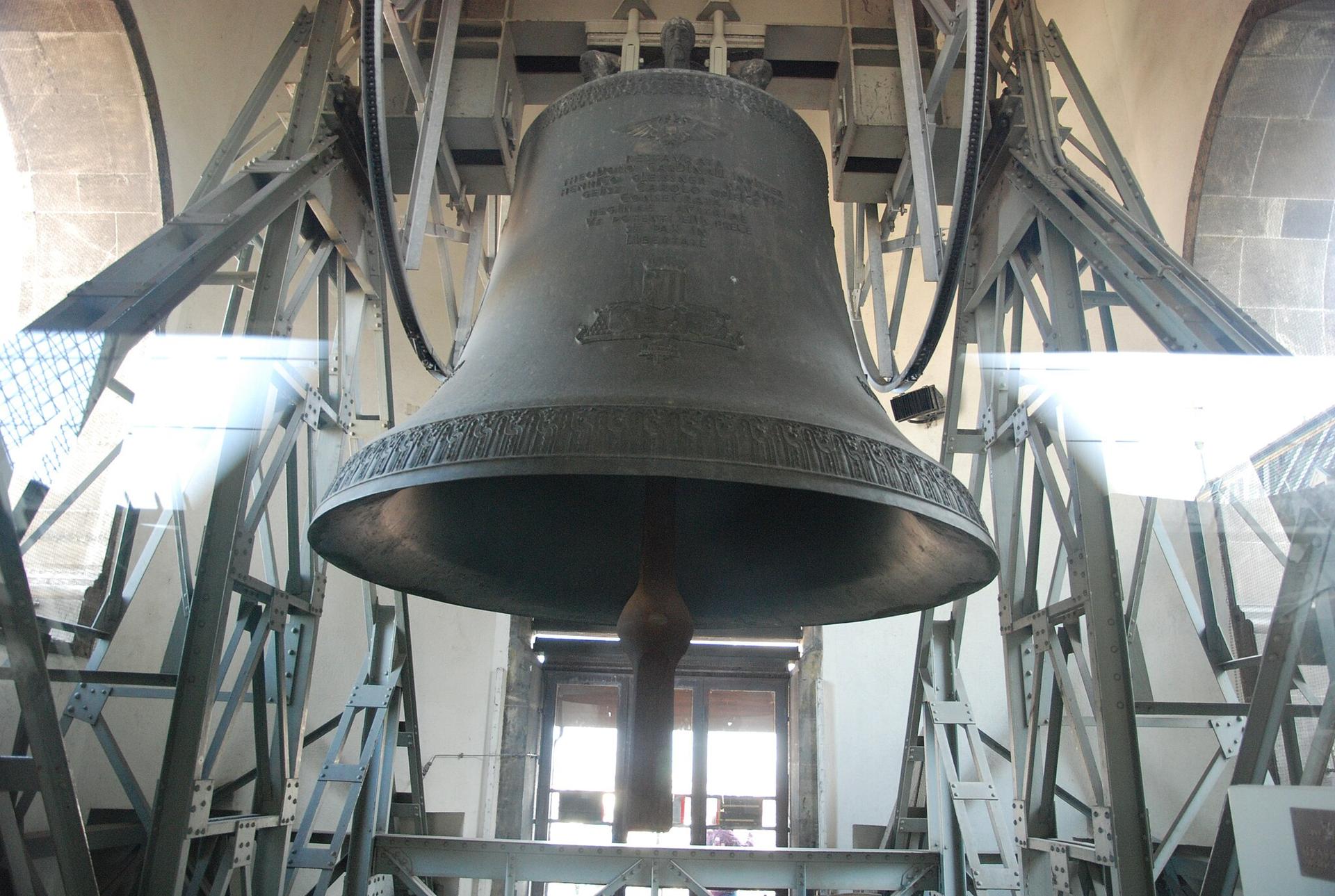
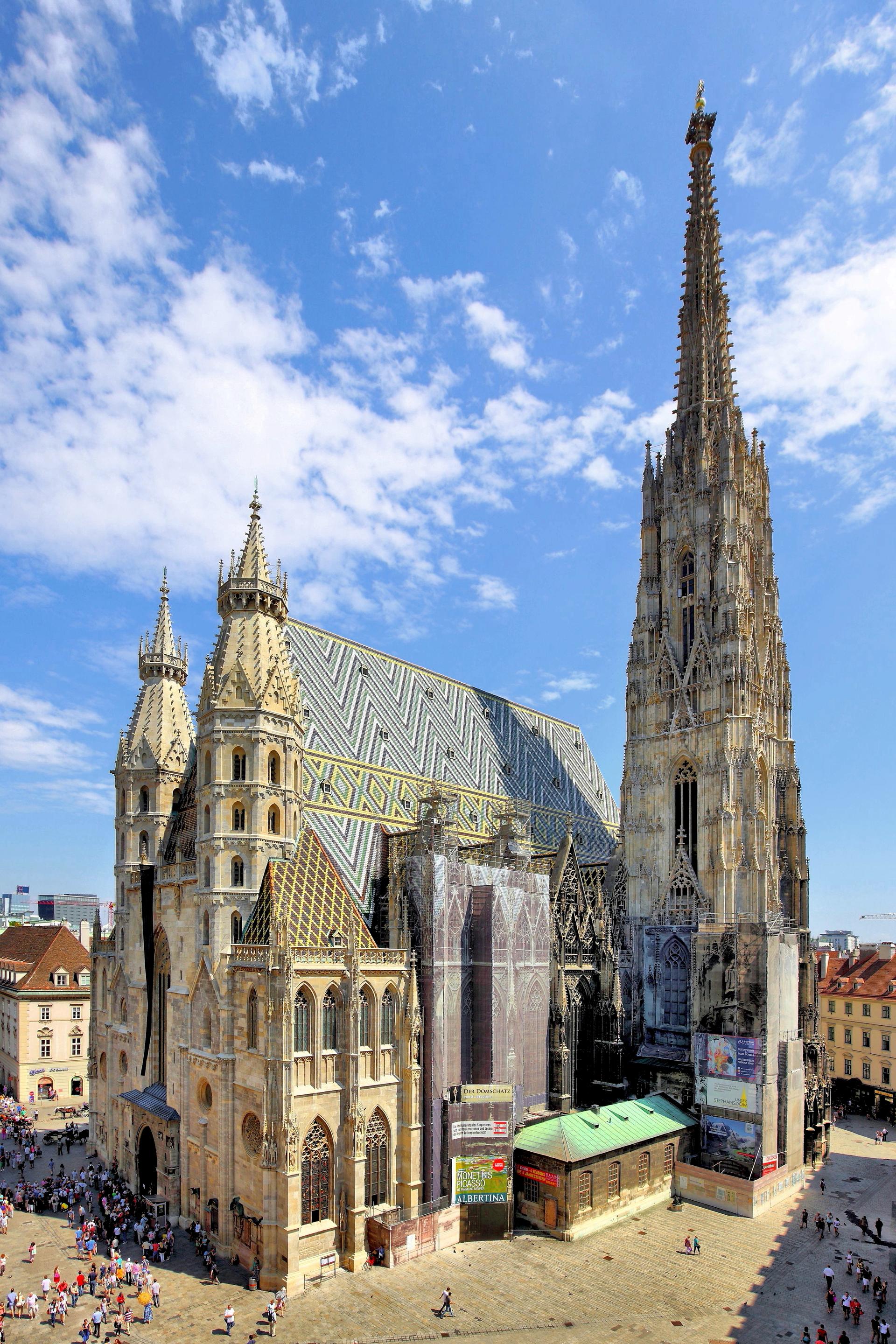
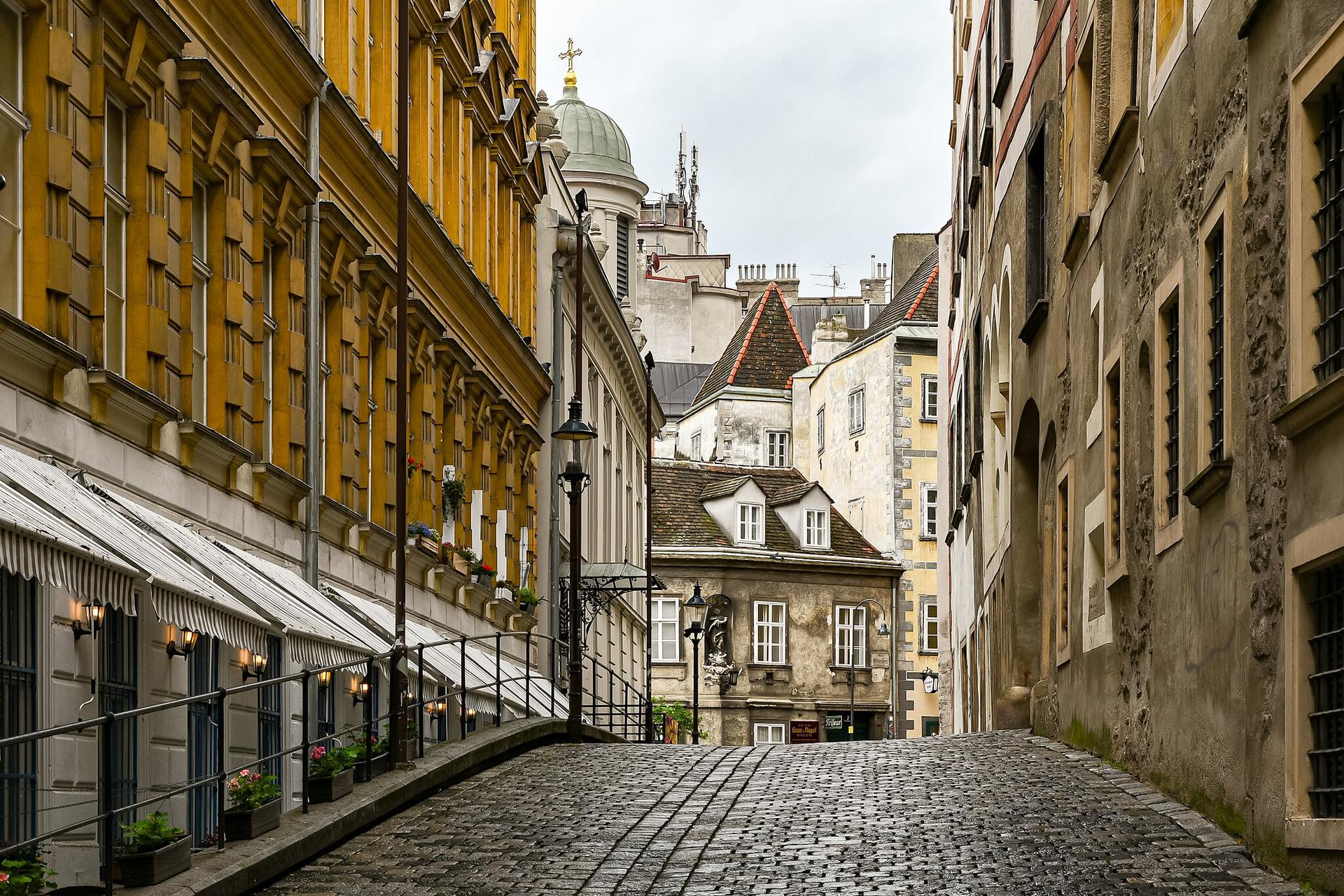
Welcome to Stephansplatz, right in front of St. Stephen's Cathedral. Look up at that south tower. Inside hangs the Pummerin, one of Europe's largest bells. But this isn't just any bell.
It was cast from enemy cannons.
After the Ottomans failed to take the city in 1683, the Viennese collected 208 Turkish bronze cannons left behind at the siege. In 1711, they melted them down and poured that metal into a massive bell weighing over 20 tons. Weapons became worship.
The original Pummerin rang for 234 years until April 1945, when the cathedral caught fire during the final days of World War II. The bell crashed through the burning tower and shattered on the stone floor.
Six years later, the Austrians recast it. They used fragments of the broken bell mixed with new bronze. Same metal, second life. The new Pummerin weighs 21 tons and only rings on major occasions: New Year's Eve, Easter, Christmas.
When you hear it, you're hearing Ottoman bronze that crossed centuries. First as artillery, then as a call to prayer, then as rubble, now as sound. From conquest to cathedral.
Sources. Story: https://www.geschichtewiki.wien.gv.at/Griechenviertel, https://www.wien.info/en/see-do/sights/old-town Photos: Jorge Franganillo, CC BY 2.0 <https://creativecommons.org/licenses/by/2.0>, via Wikimedia Commons