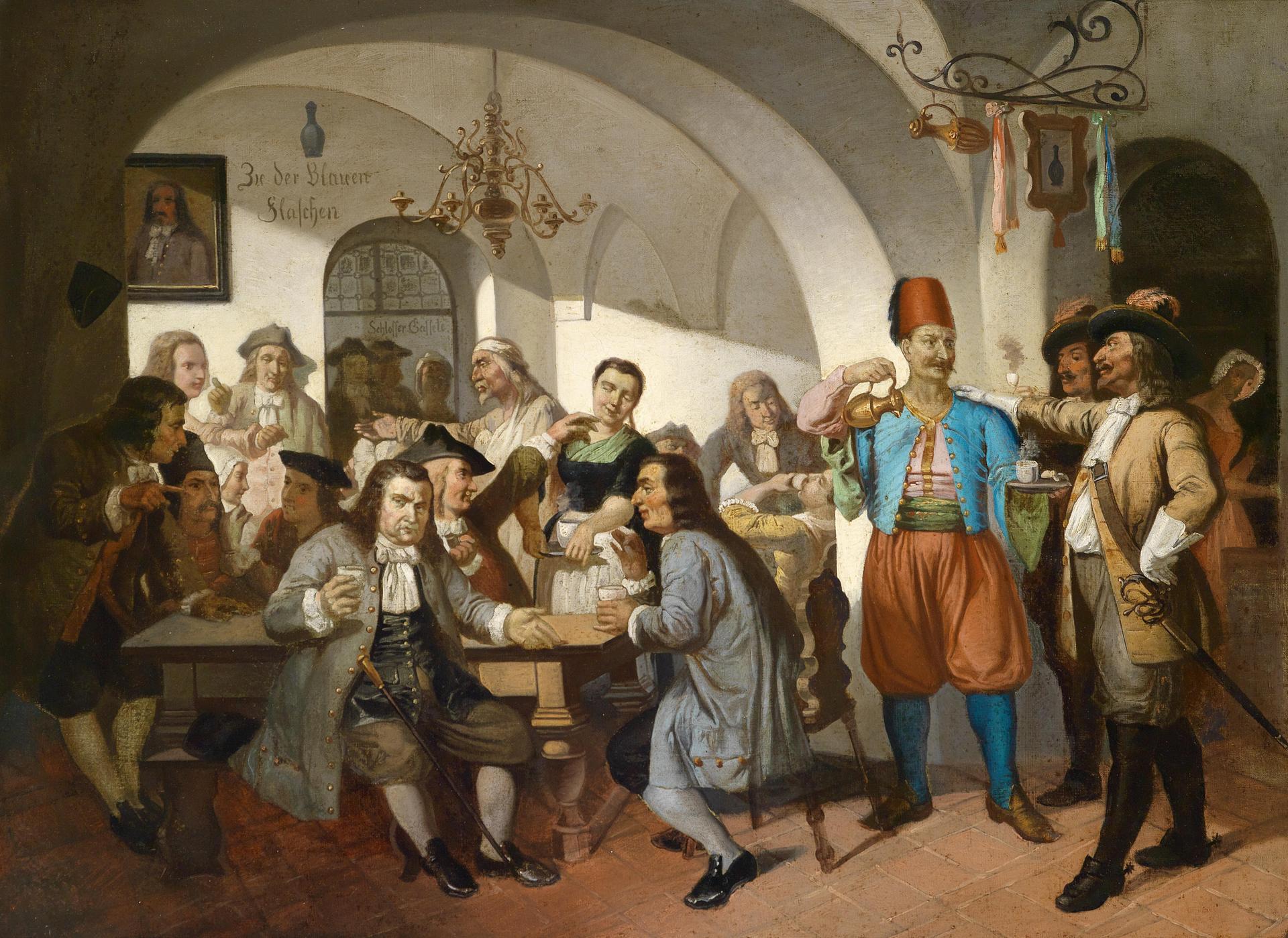
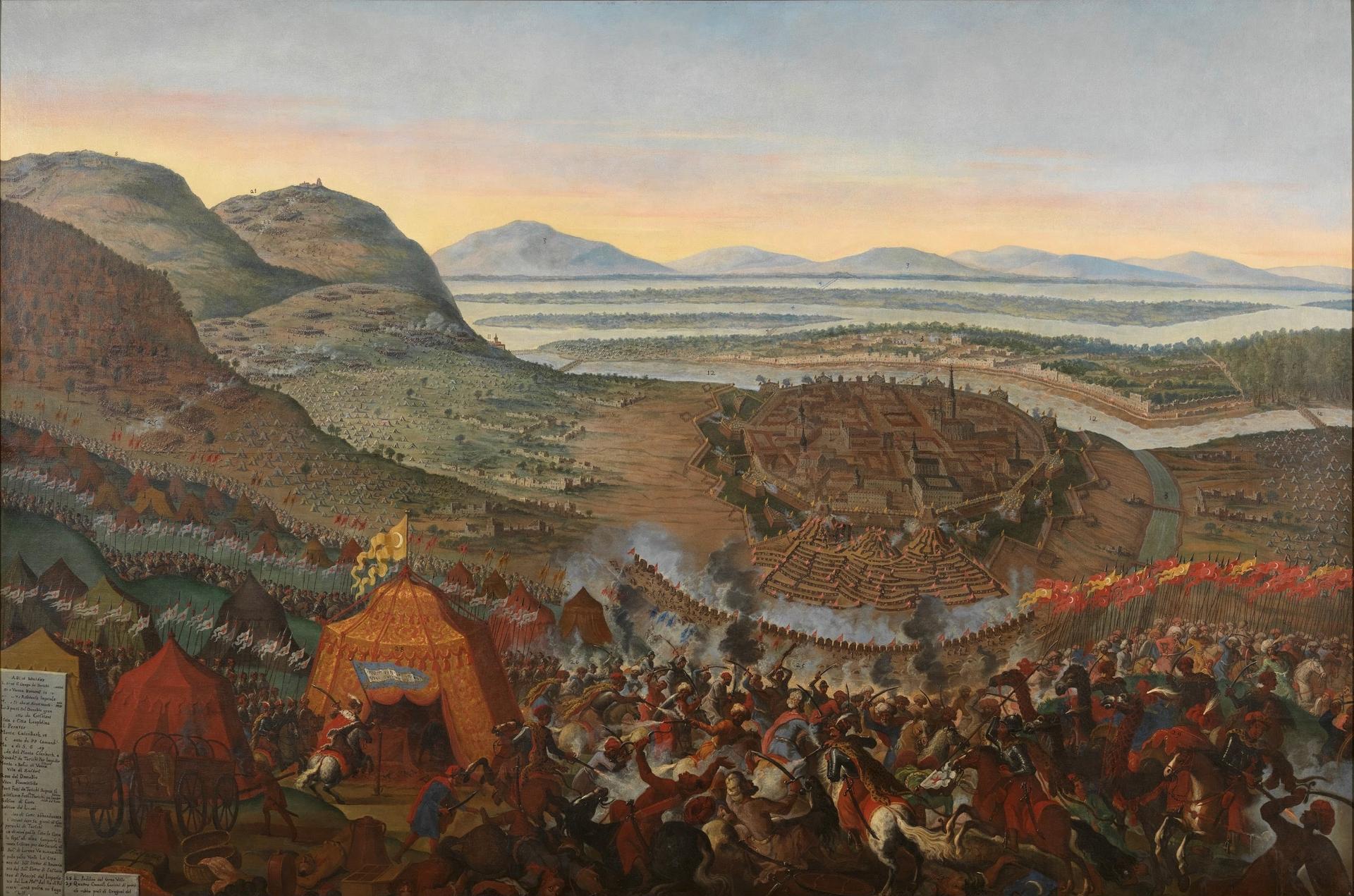
The familiar version goes like this. A courier named slipped through enemy lines dressed in clothes, delivered word that relief was on the way, and after the victory was rewarded with the sacks of coffee beans the army left behind. With those he opened the first Viennese coffee house.
Half of that holds up. Kolschitzky really existed, and his journey through the lines is recorded, because he spoke Turkish and knew the ways of the army camped outside the gate. His statue stands today on a corner in the fourth district.
The first imperial right to serve coffee, though, did not go to him. It went to Johannes Diodato, an Armenian merchant who had been trading in Vienna long before , and his place stood right on this street. Coffee was already known here too, so the siege mainly provided the supply and a taste for the exotic.
The croissant story falls apart as well. Bakers supposedly dreamed up the pastry to mock the crescent moon, yet show up in Viennese sources as early as the thirteenth century, long before any Ottoman army was anywhere near.
Another two hundred metres and you reach the oldest square in the city, where this walk ends.
Sources. Story: Wien Geschichte Wiki, Stadt Wien; Federal Ministry, register of traditional foods Austria Photos: Zu den blauen Flaschen, unknown painter, public domain, via Wikimedia Commons