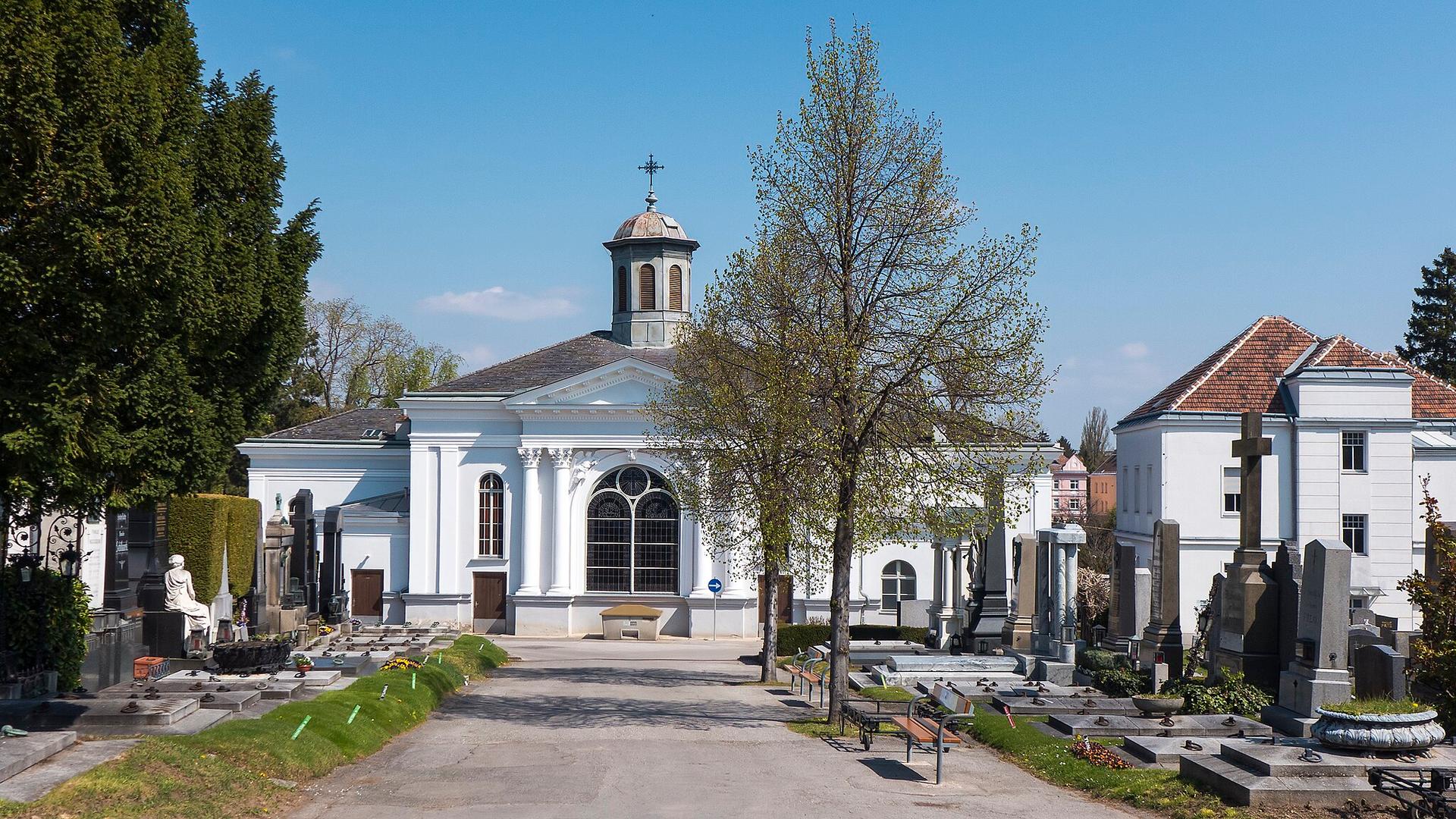
You're standing at a cemetery that marks where life ended and the city began. The gravestones around you tell a story about urban planning and fear of disease.
For centuries, the dead were buried right where people lived, in churchyards crammed between houses. Then in 1783, Emperor Joseph II declared all those inner city graveyards health hazards. Contaminated groundwater. Disease spreading from overcrowded plots. Out they went.
Five new cemeteries opened beyond the city walls in 1784. This one traces back to 1230, when it surrounded an old church near where the entrance hall stands now. After the Turkish siege of 1683 destroyed the original village, the cemetery sat exposed and unprotected. An eremit lived in a small hermit cell nearby, watching over the graves.
The distance mattered. Until 1829, Ottakring charged almost nothing for burials, so bodies poured in from across the region. The cemetery kept filling up. It expanded 15 times after 1835. By 1874, when the massive Zentralfriedhof opened even farther out, authorities banned burials of outsiders here entirely.
Sources. Story: https://www.wien.gv.at/english/environment/cemeteries/ottakringer.html, https://www.friedhoefewien.at/ Photos: Gugerell, CC0, via Wikimedia Commons