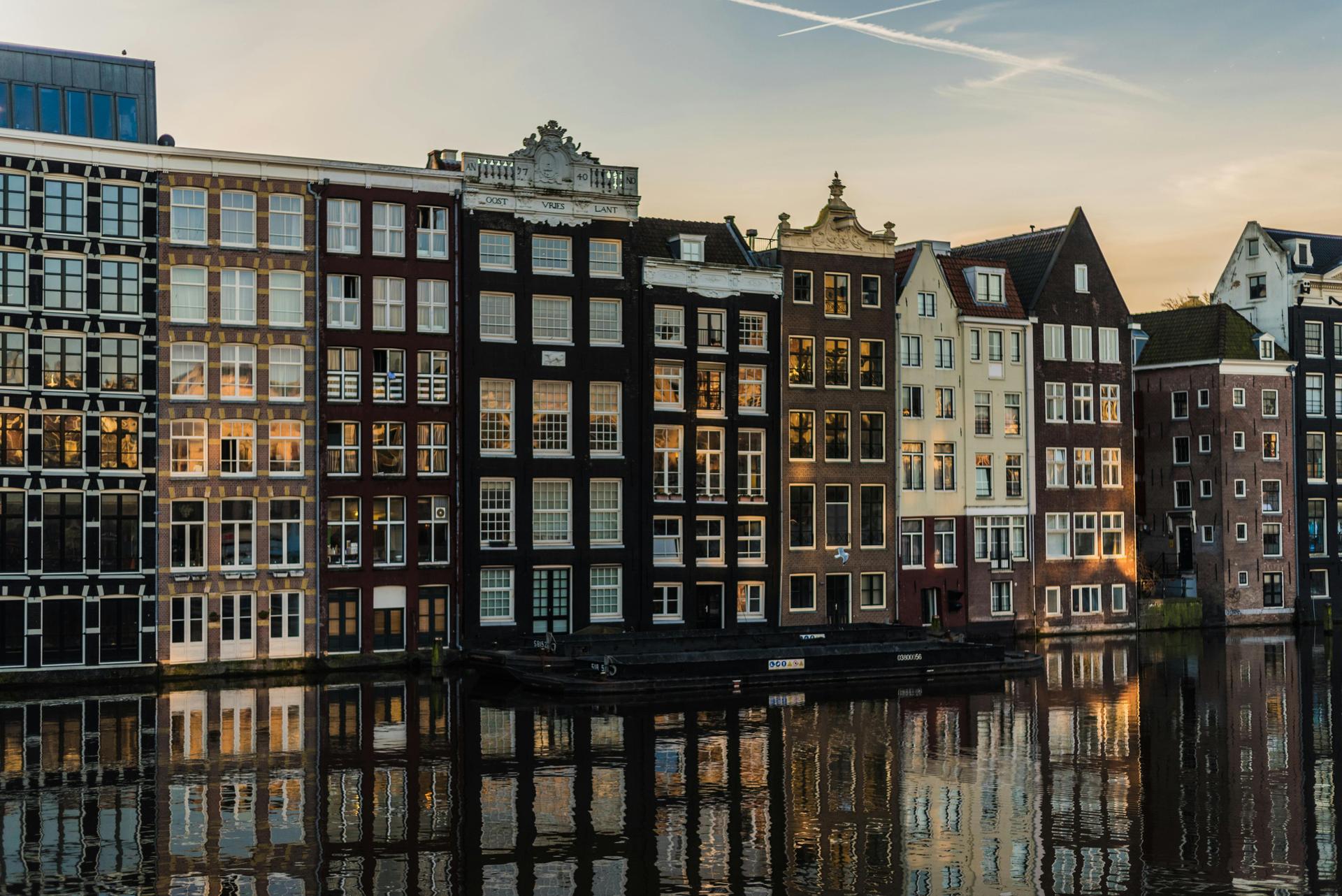
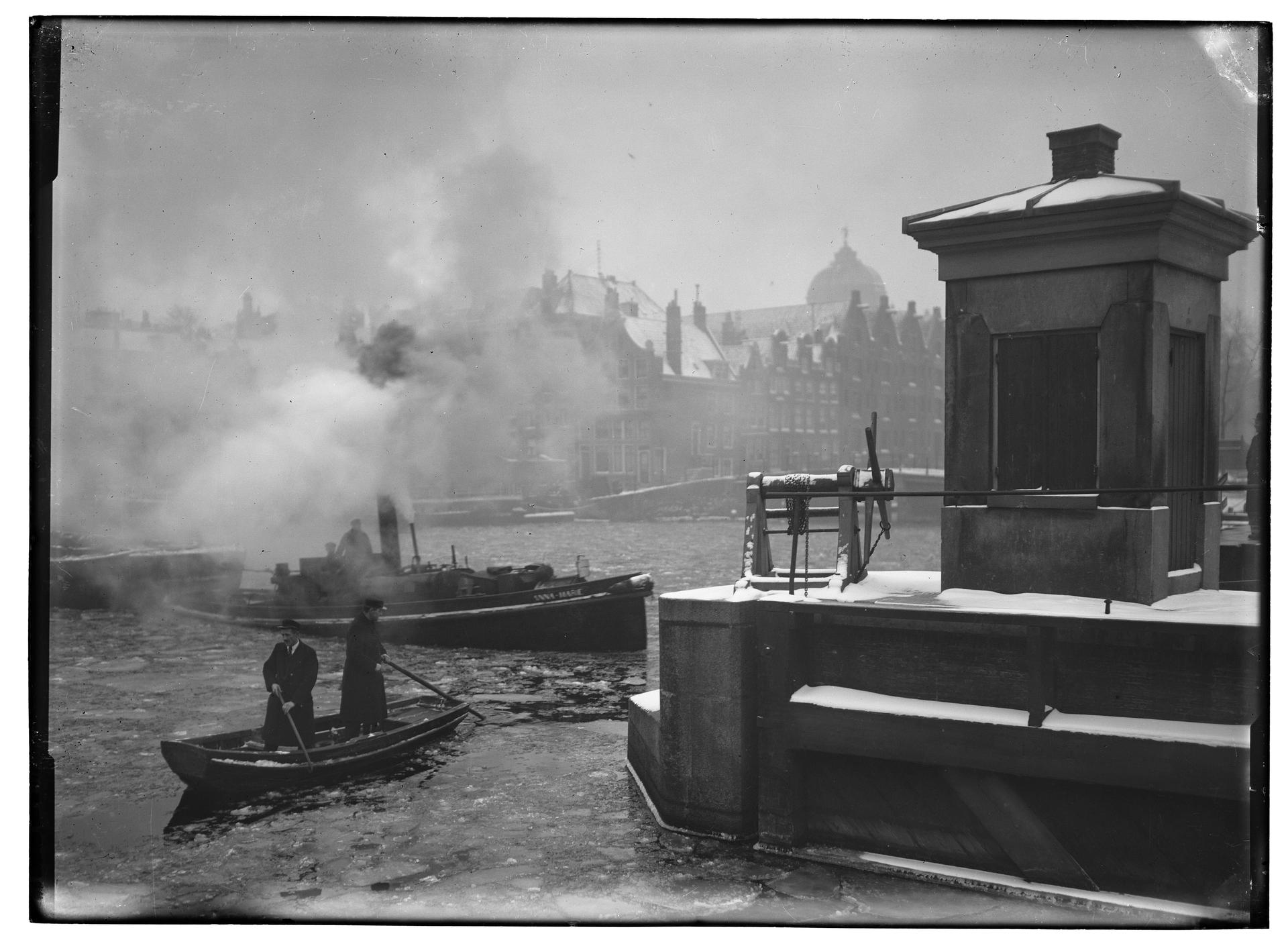
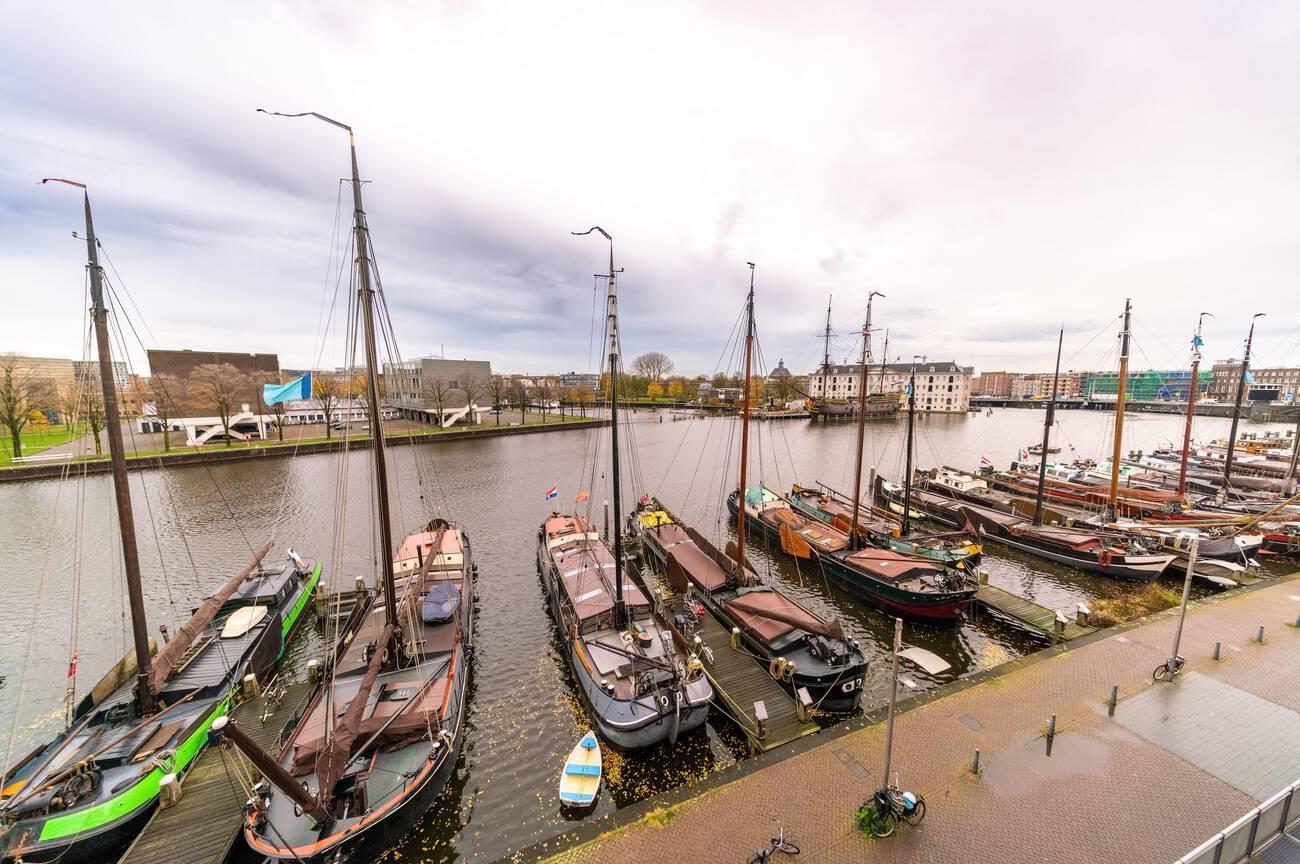
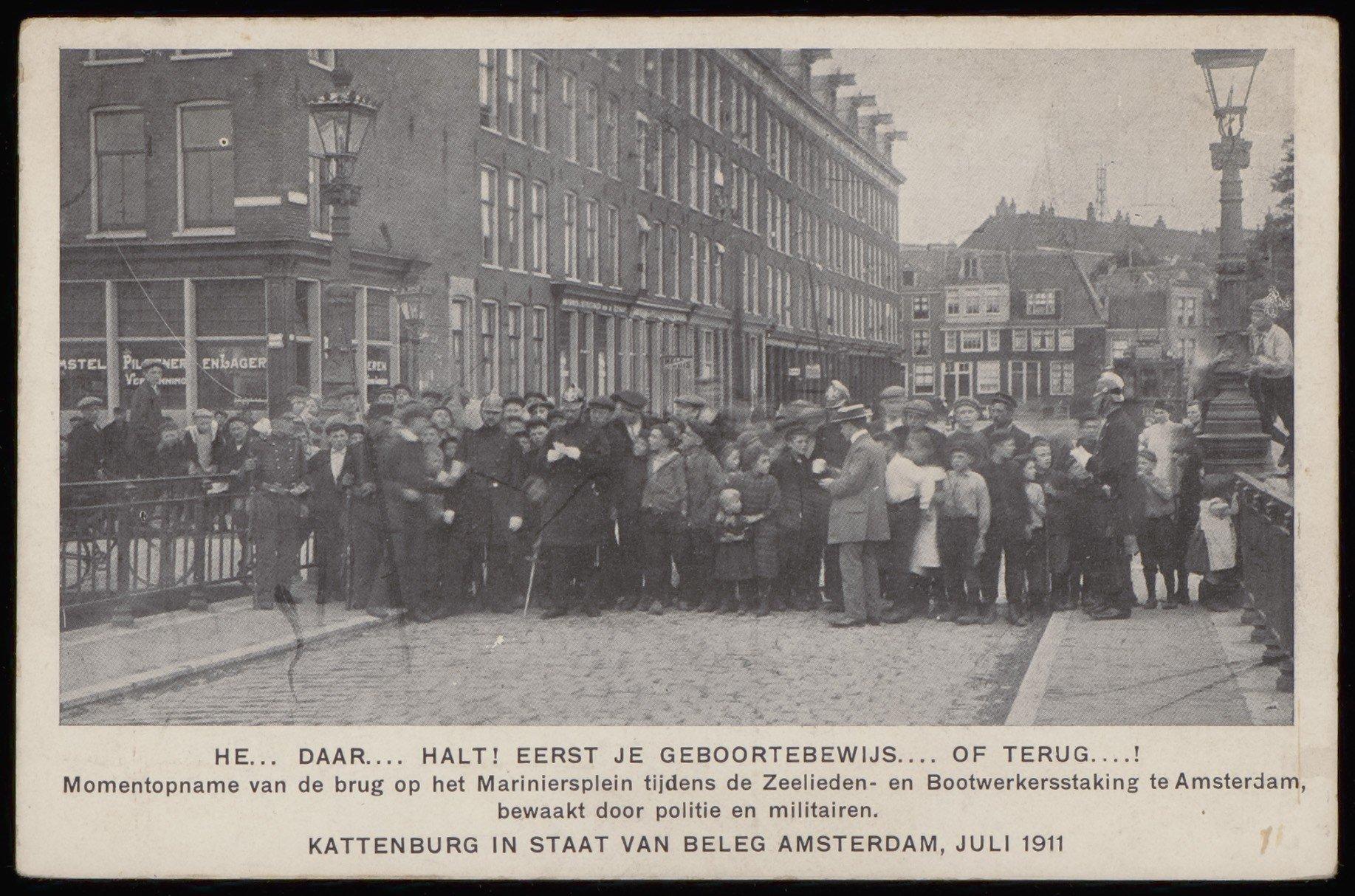
On the Kattenburgerplein stands a large square building from 1656, the old naval storehouse of the admiralty and today , the maritime museum. Around it lie the eastern islands, raised out of the water in the seventeenth century for shipbuilding, and this is where the whaling ships came from.
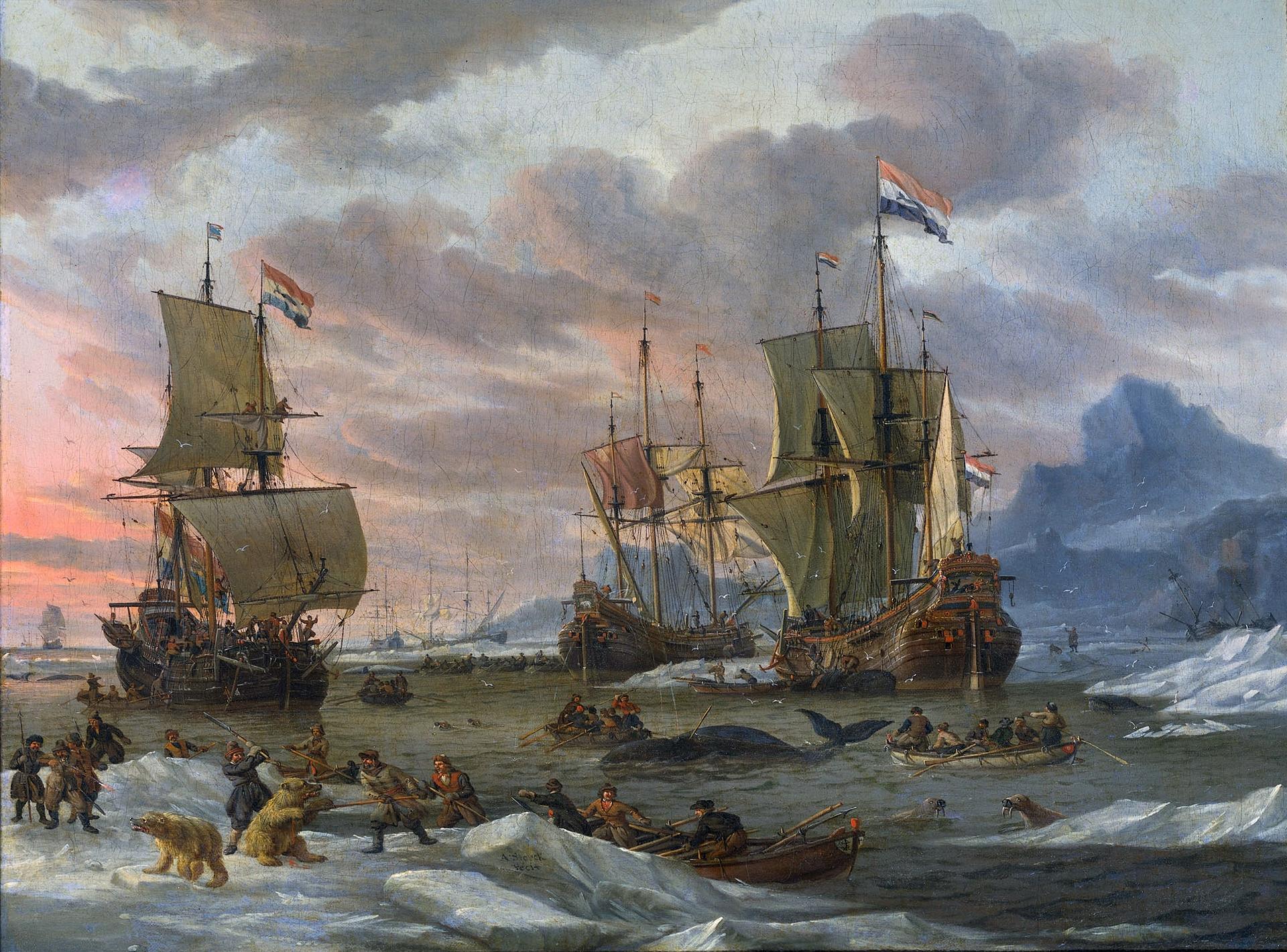
The hunt began in 1612, when the Amsterdam shipwright Willem Cornelisz. van Muyden sailed for on the strength of 's stories about waters full of whales. On an uninhabited island he named Amsterdam, a settlement of boiling kettles went up, where blubber was rendered into for lamps, soap and candles. The nickname of the place says it all: , blubber town.
The work itself was brutal. In fifteen degrees of frost, men rowed open boats towards an animal twenty metres long with a harpoon as their only tool, and those who came home from it were looked up to in the city.
Almost nothing of the catch went to waste: blubber became oil, stiffened corsets and umbrellas, bones went into the ground as fence posts and the liver counted as a delicacy. The rendering houses stood at the edge of town, out here on the islands and across the IJ, because the smell was unbearable in a residential street.
The last barrel came in far later than you might expect. Until 1964 the factory ship Willem Barendsz sailed from Amsterdam to the Antarctic, and when she was sold Dutch whaling came to an end after more than three hundred and fifty years.
Sources. Story: Het Scheepvaartmuseum; Wikipedia, Whaling in the Netherlands and Smeerenburg; the-low-countries.com, Four centuries of Dutch whaling Photos: Stadsarchief Amsterdam