Prague and the Mysteries of the Old Town
5 min read · March 2026
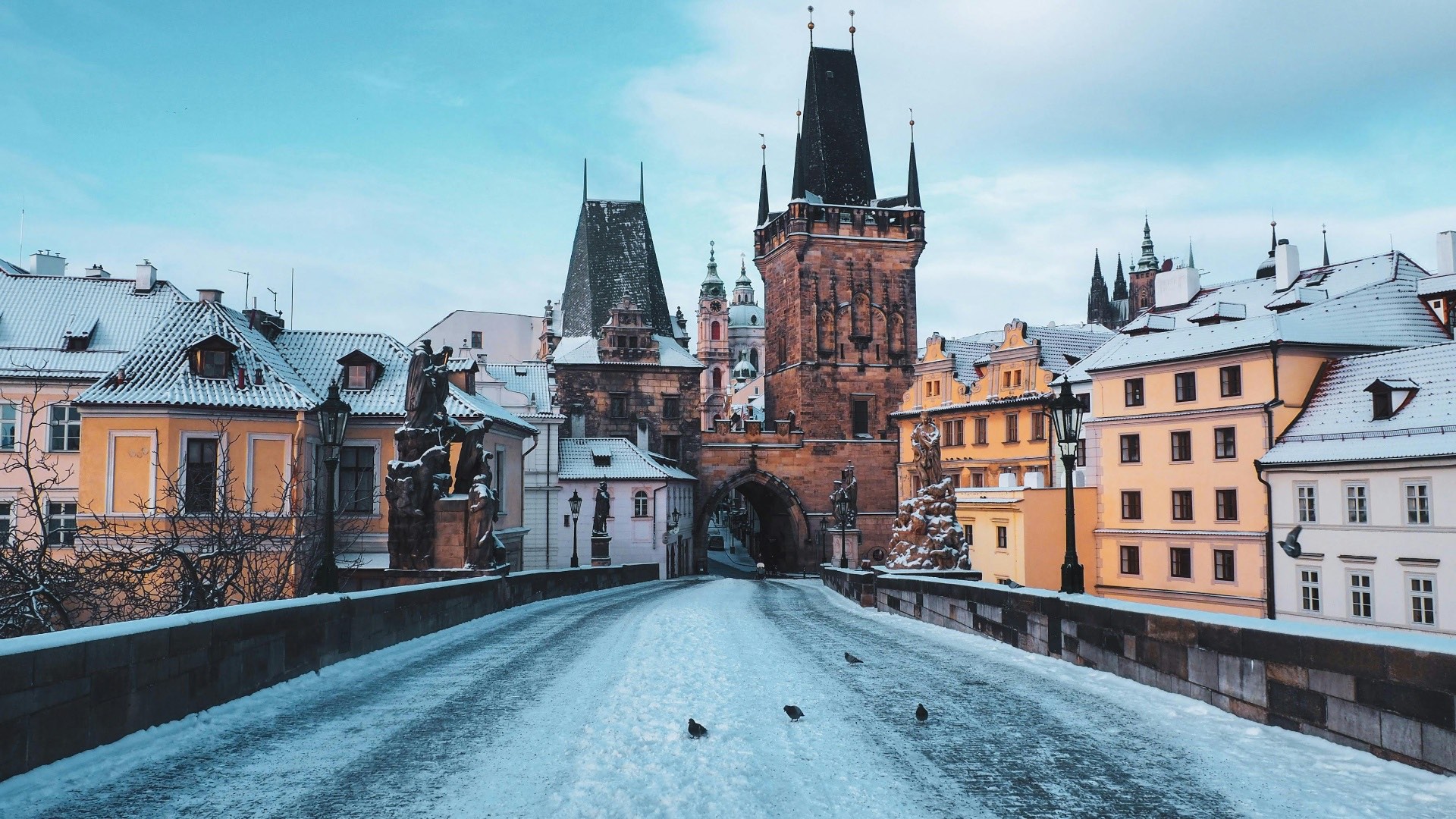
Prague is the kind of city where legends refuse to die. Every European capital has its ghost stories. Prague has an entire mythology. Alchemists, golems, defenestrations, and a clock that was supposedly so magnificent that its creator was blinded to prevent him from building another. Some of these stories are true. Some are not. In Prague, nobody seems to care about the difference.
The clock that curses its city
The Astronomical Clock on the Old Town Hall has been ticking since 1410, making it one of the oldest working astronomical clocks in the world. Every hour, tourists crane their necks to watch the twelve apostles parade past two small windows while a skeleton rings a bell. The legend says that the city council, afraid the clockmaker Master Hanus would build a rival clock elsewhere, had him blinded. In revenge, Hanus reached into the mechanism and stopped the clock, and the city was cursed with misfortune. It's a good story. It's also probably invented: historians believe the clock was built by Mikulas of Kadan, and the Hanus legend was added centuries later. But in Prague, a good story always wins over a documented fact.
The Golem of Rabbi Loew
In the sixteenth century, so the story goes, Rabbi Judah Loew ben Bezalel created a golem from the clay of the Vltava river to protect the Jewish community of Prague. The creature was animated by inscribing the Hebrew word for 'truth' on its forehead. It defended the ghetto against pogroms. When its work was done, the Rabbi removed a letter, changing 'truth' to 'death,' and the Golem crumbled. The legend says the Golem's remains are still stored in the attic of the Old New Synagogue in Josefov, Prague's Jewish quarter. The attic is closed to visitors. Whether that's for structural reasons or to keep the Golem undisturbed depends on who you ask.
The Old New Synagogue and its surroundings
The Old New Synagogue itself is remarkable: built around 1270, it is the oldest active synagogue in Europe. The Jewish cemetery next door contains twelve thousand tombstones layered twelve deep, because the community was not permitted to expand its burial ground.
The window problem
Prague has a peculiar relationship with windows. In 1419, a mob threw Catholic city councillors from the windows of the New Town Hall, sparking the Hussite Wars. In 1618, Protestant nobles threw Catholic governors from a window in Prague Castle, triggering the Thirty Years' War. Both events are known as 'defenestrations of Prague,' and the city treats them with a mix of horror and pride.
The 1618 victims survived the fall, landing in a pile of manure. The Catholics claimed angels had saved them. The Protestants said it was the dung. Either way, the resulting war lasted thirty years and killed millions.
Golden Lane and the emperor who loved mysteries
Emperor Rudolf II, who ruled from Prague Castle in the late sixteenth century, turned the city into a magnet for the strange and the brilliant. He collected curiosities: paintings, scientific instruments, exotic animals, and alchemists. Lots of alchemists. Golden Lane, the tiny street of colourful houses built into the castle wall, is named for the goldsmiths who once worked there, but the legend persists that it was where Rudolf's alchemists tried to turn lead into gold.
Franz Kafka lived briefly at number 22. Whether he encountered any ghosts is not recorded, but he probably would have written about them if he had.
Want to hear this while standing where it happened? Take one of our free audio tours in Prague.
Uncover the mysteries that hide in Prague's Old Town.
A free audio experience through legends, alchemists, and hidden history. No app needed.
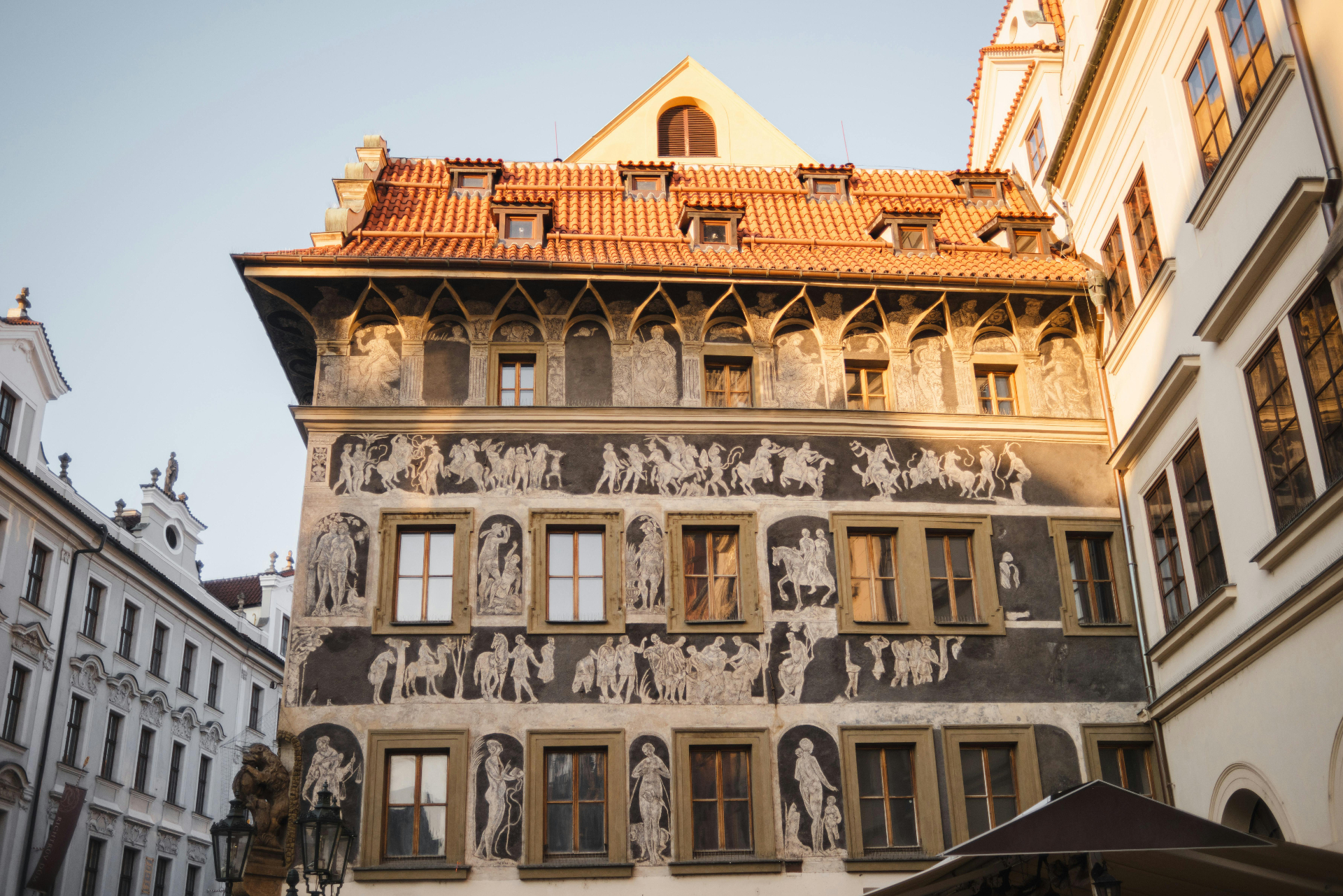
The Mysteries of the Old Town
More from Prague
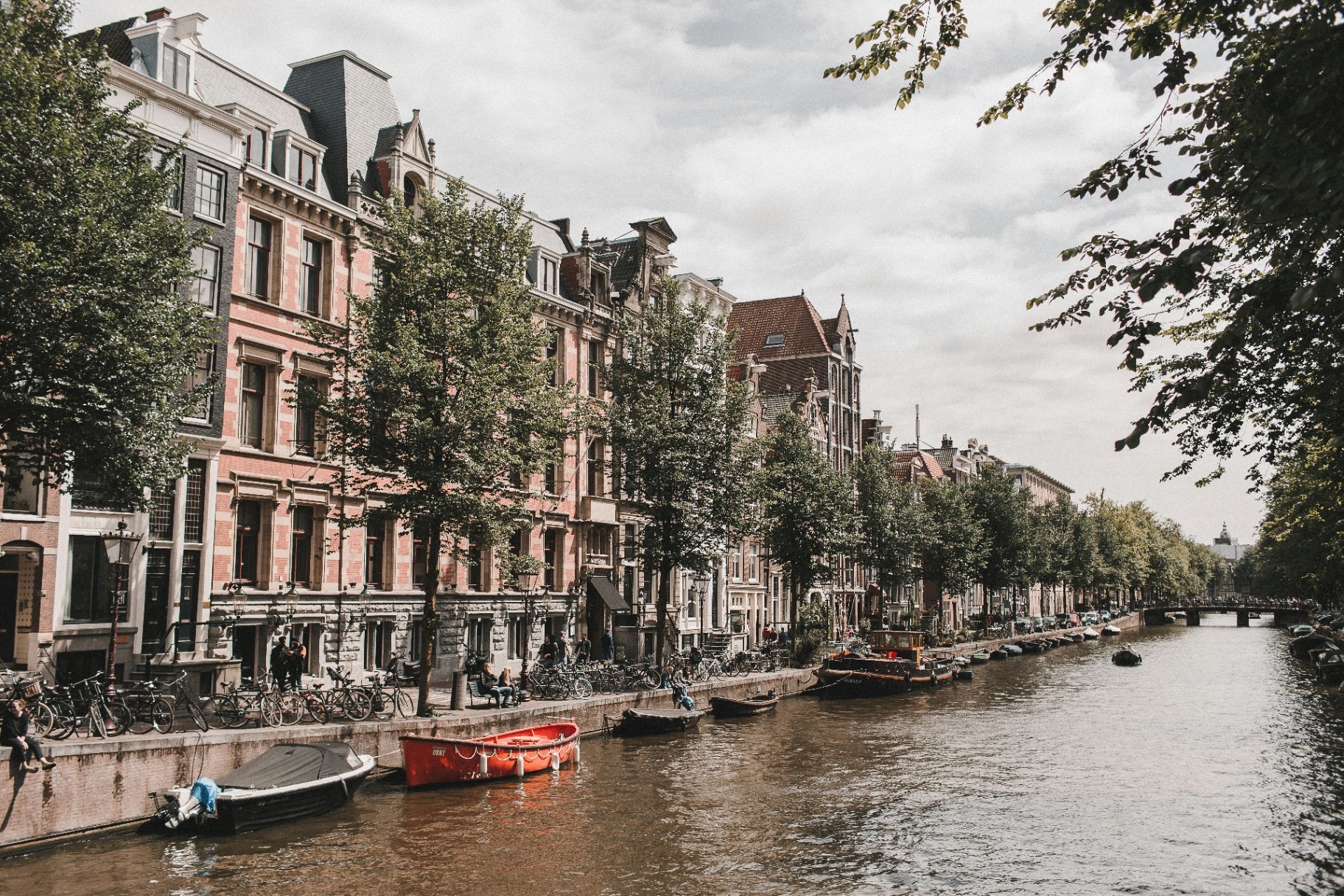
The Life of Anne Frank Before the Secret Annex
Anne Frank was not born in hiding. Before the Secret Annex, before the diary, she was a girl growing up in Amsterdam.
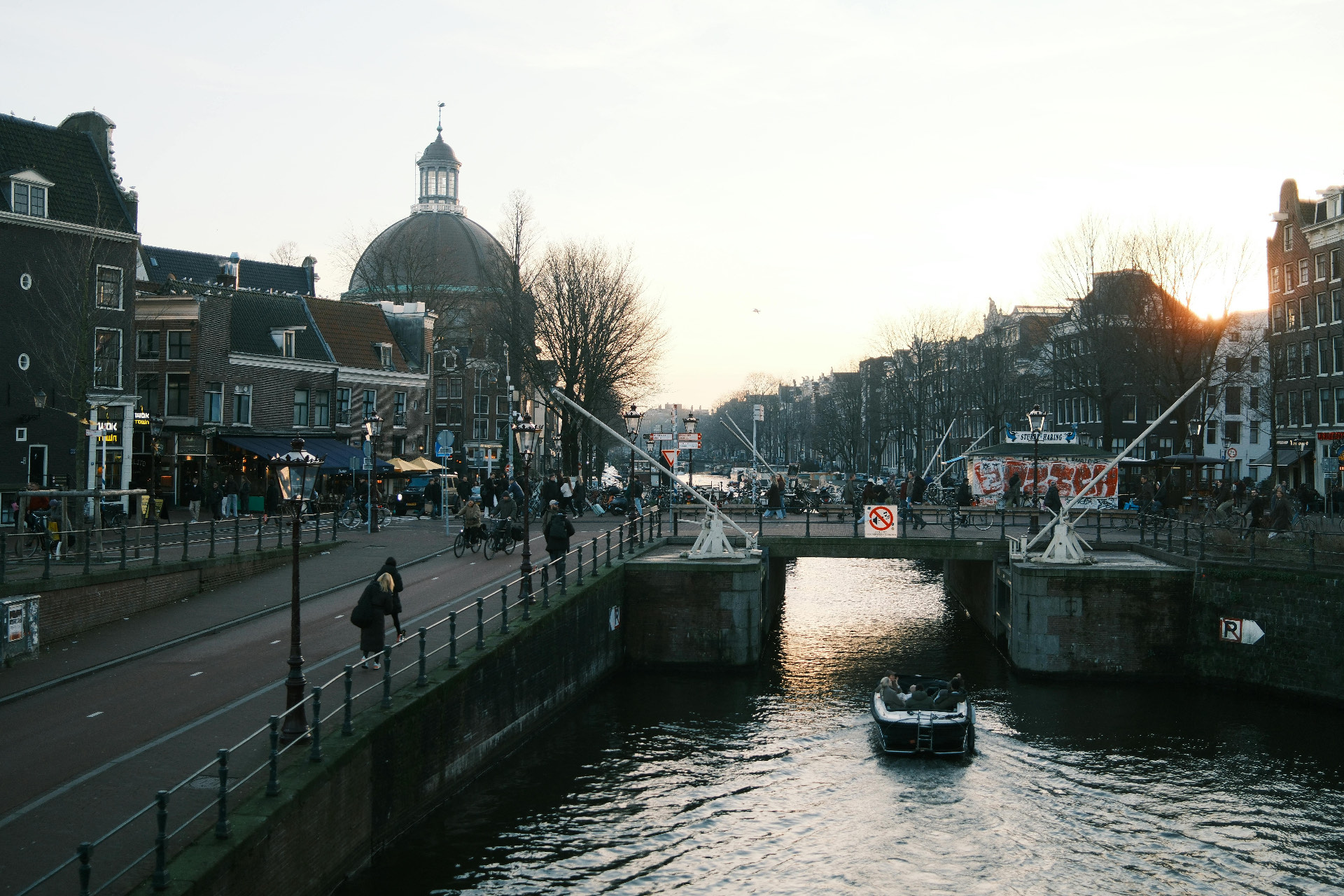
Free Things to Do in Amsterdam
Amsterdam is expensive. It doesn't have to be. The city is full of things that cost nothing at all.
The Mountain That Watched Over Barcelona
Montjuic has been a fortress, a cemetery, a place of execution, a botanical garden, and an Olympic stage.