The Mountain That Watched Over Barcelona
5 min read · March 2026
Every city has a place that sees everything. In Barcelona, it's Montjuic. The hill that rises above Barcelona's harbour has been a fortress, a cemetery, a place of execution, a botanical garden, and an Olympic stage. It has watched over the city for thousands of years. And yet most visitors only see the view from the cable car.
The fortress on the hill
The Castell de Montjuic sits at the summit, a star-shaped military fortress that has been used by every power that ever controlled Barcelona. The Spanish crown built it to keep the Catalans in check. During the Civil War, it became a prison and execution ground. Thousands of Republican prisoners were held here. Lluis Companys, the president of Catalonia, was executed by firing squad in the castle moat in 1940. His last words were reportedly 'Visca Catalunya' — Long live Catalonia.
For decades, the castle was a symbol of oppression. In 2007, the Spanish government transferred it to the city of Barcelona. Today it houses a peace centre and offers panoramic views of the city and the sea. The transformation from prison to peace is recent enough to still feel raw.
The cemetery with the best view in town
Halfway down the hill, the Cementiri de Montjuic is one of the most beautiful cemeteries in Europe. Built into the hillside in terraces, it overlooks the harbour and the sea. The tombs range from simple markers to elaborate art deco mausoleums. Many of Barcelona's most prominent families are buried here, alongside thousands of Civil War victims in unmarked graves.
It's quiet, it's free, and the view is better than anything you'll get from a rooftop bar. Hardly any tourists come here.
The 1992 Olympics
The lower slopes of Montjuic were transformed for the 1992 Olympic Games. The Estadi Olimpic Lluis Companys (named after the executed president) was originally built for the 1929 International Exposition and rebuilt for the Games. The Palau Sant Jordi, designed by Japanese architect Arata Isozaki, is still one of the most striking sports venues in Europe. The Olympics changed Barcelona. The city got a waterfront, a new ring road, and global recognition. Montjuic, the hill that had been a place of repression for centuries, became the stage for Barcelona's reinvention. You can still walk through the Olympic Ring for free and feel the scale of what the city built in just a few years.
Gardens and towers
Montjuic isn't all history and concrete. The Jardins de Mossen Costa i Llobera house one of Europe's finest cactus gardens. The Fundacio Joan Miro sits on the hillside, filled with the artist's colourful, surreal works. And the Font Magica, the huge fountain at the base of the hill, puts on a light-and-water show on weekend evenings that draws crowds from across the city. You could spend an entire day on Montjuic and still not see everything. Most visitors take the cable car up, look at the view, and leave. The hill deserves more than that.
Want to hear this while standing where it happened? Take one of our free audio tours in Barcelona.
Explore the mountain that shaped Barcelona's history.
A free audio experience from fortress to Olympic stadium. No app needed.
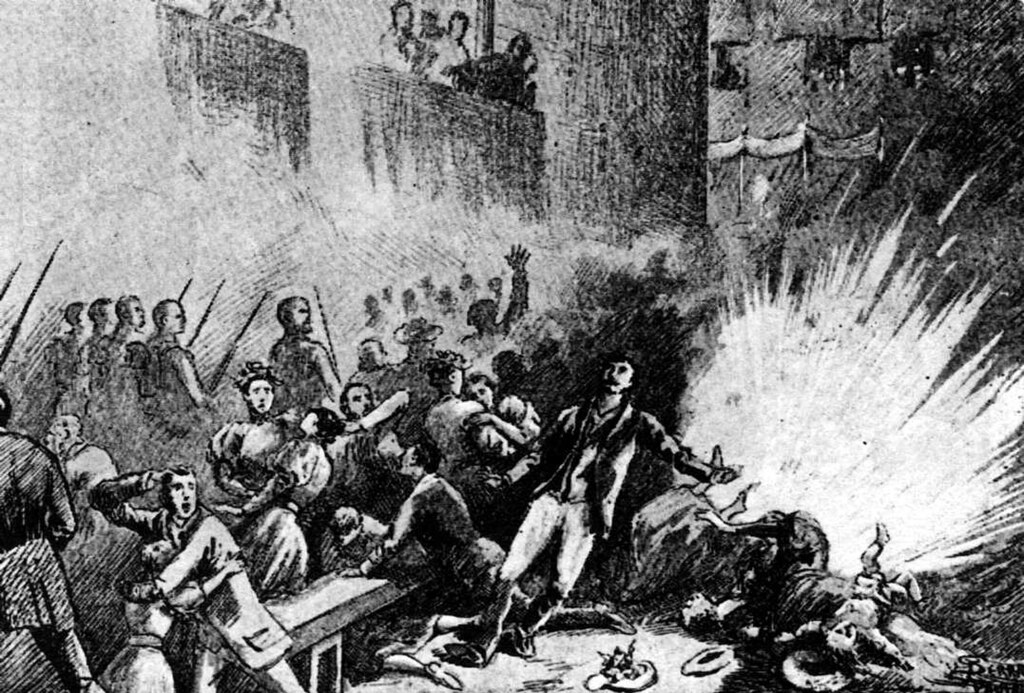
The Montjuic
More from Barcelona
The Life of Anne Frank Before the Secret Annex
Anne Frank was not born in hiding. Before the Secret Annex, before the diary, she was a girl growing up in Amsterdam.
Prague and the Mysteries of the Old Town
Alchemists, golems, defenestrations, and a clock that was supposedly so magnificent that its creator was blinded.
Free Things to Do in Amsterdam
Amsterdam is expensive. It doesn't have to be. The city is full of things that cost nothing at all.