Audioguide vs Audio Tour: What's the Difference?
5 min read · July 2026
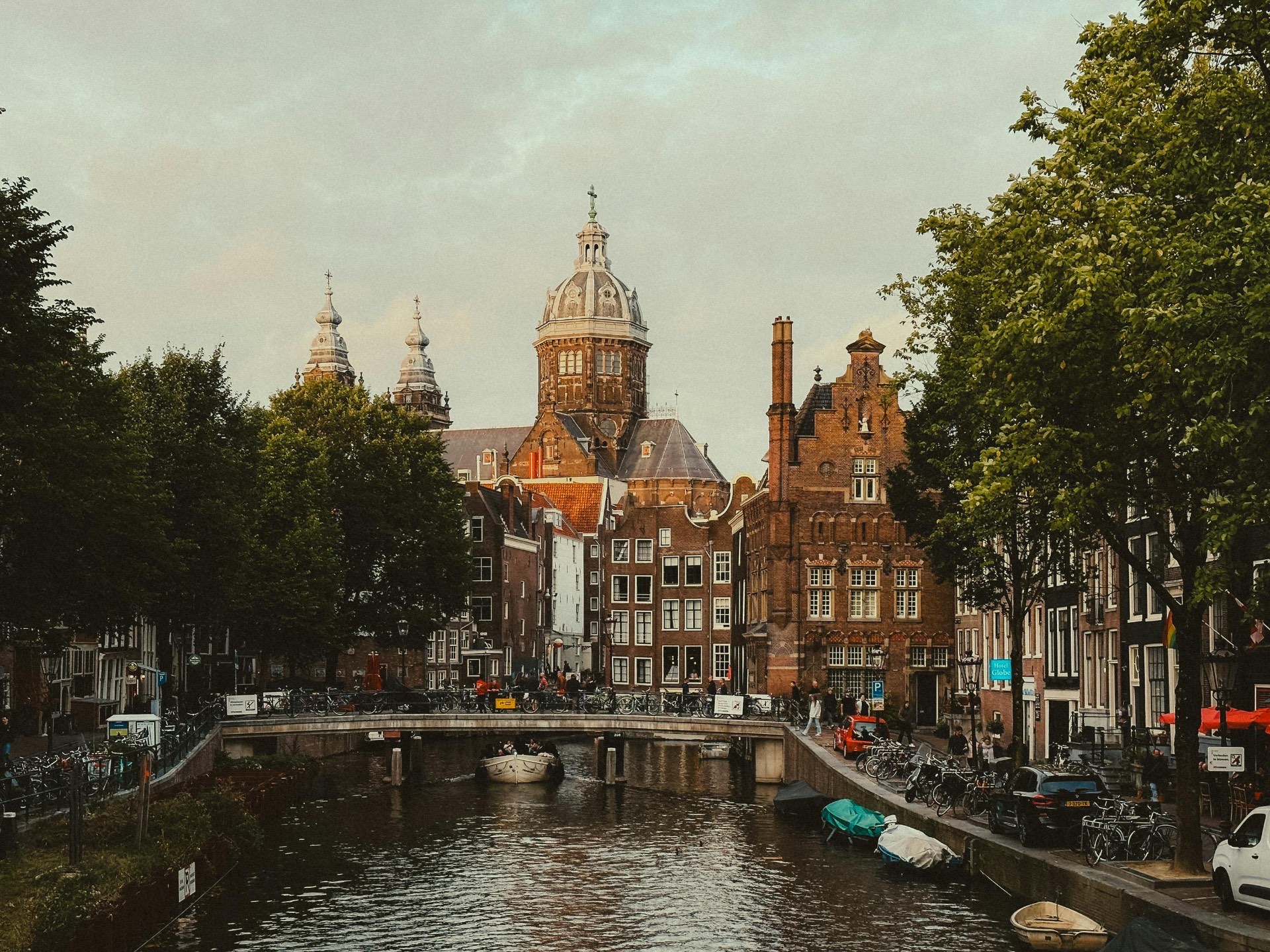
People search for both, often meaning exactly the same thing, and it is worth saying up front: there is no strict rule here. An audioguide and an audio tour both mean a recorded voice explaining a place while you move through it. If you use one word and your friend uses the other, neither of you is wrong.
Why there are two words at all
It is mostly a question of where you learned the term. Audioguide comes into English through Dutch, German and French usage, which is why you will see it written as one word far more often in Amsterdam or Berlin than in London or New York. It also carries a strong association with museums, because for thirty years the audioguide was a physical thing a museum handed you at the door.
Audio tour is the more common phrase in English for the same narration outdoors — a route through a neighbourhood rather than a set of rooms. Neither word tells you much on its own. The useful questions are the two below.
Question one: whose device?
The old model is a handset. You collect it at a desk, sometimes leave ID or a deposit, key in a number at each exhibit, and hand it back before closing. It works, and inside a museum it is often excellent — a curator explaining the painting in front of you is hard to beat. But you are operating a machine as much as looking at the art, and there is a queue at both ends of the day.
The newer model is the phone already in your pocket. Nothing to collect, nothing to return, no deposit, and the volume buttons are ones your thumb already knows. Same idea as the handset, minus the desk.
Question two: does it stop at the door?
This is the difference that actually changes what you get. A museum audioguide covers a collection, because that is what the museum owns. Once you walk out of the building, it has nothing more to say.
A city audioguide covers the streets themselves: why that street bends, who lived in that house, what the square was used for before the cafés arrived. It can follow an occupation, a fire, a football club, or a fashion movement that started in a classroom, and it can take you across a whole city to do it. Most of the history you walk past has no ticket counter attached to it.
Guided, self-guided, and the bit in between
A guided walking tour gives you a person. That is genuinely valuable — you can ask questions, and a good guide reads the group. It also costs money, starts at a fixed time, moves at the pace of whoever is slowest, and usually happens in one language.
A self-guided audioguide trades the person for control. You start when you want, stop for coffee halfway, walk it backwards if you feel like it, and repeat the bit you were not listening to. The good ones use your location so the story starts when you arrive somewhere, rather than making you find stop number fourteen in a list. That is what separates a real audio tour from an audiobook you happen to be listening to outdoors.
So which do you want?
Spending the afternoon inside one museum? Take the handset at the desk. It was written by the people who know that collection best, and there is no better version of it.
Want to understand the city the museum is standing in? You want a self-guided audioguide for the streets — call it an audio tour if you prefer, it is the same thing. It costs nothing to try, there is nothing to hand back, and the worst case is a walk you would have enjoyed anyway.
That is what ROODS makes: free, self-guided audioguides that cover whole cities instead of single buildings, playing in your browser as you walk. No app, no rental desk, no deposit. Pick a city and start.
Want to hear this kind of story while you walk? Browse our free audio tours.
Try one and see for yourself.
A free, self-guided audioguide that plays as you walk. No app, no rental desk.
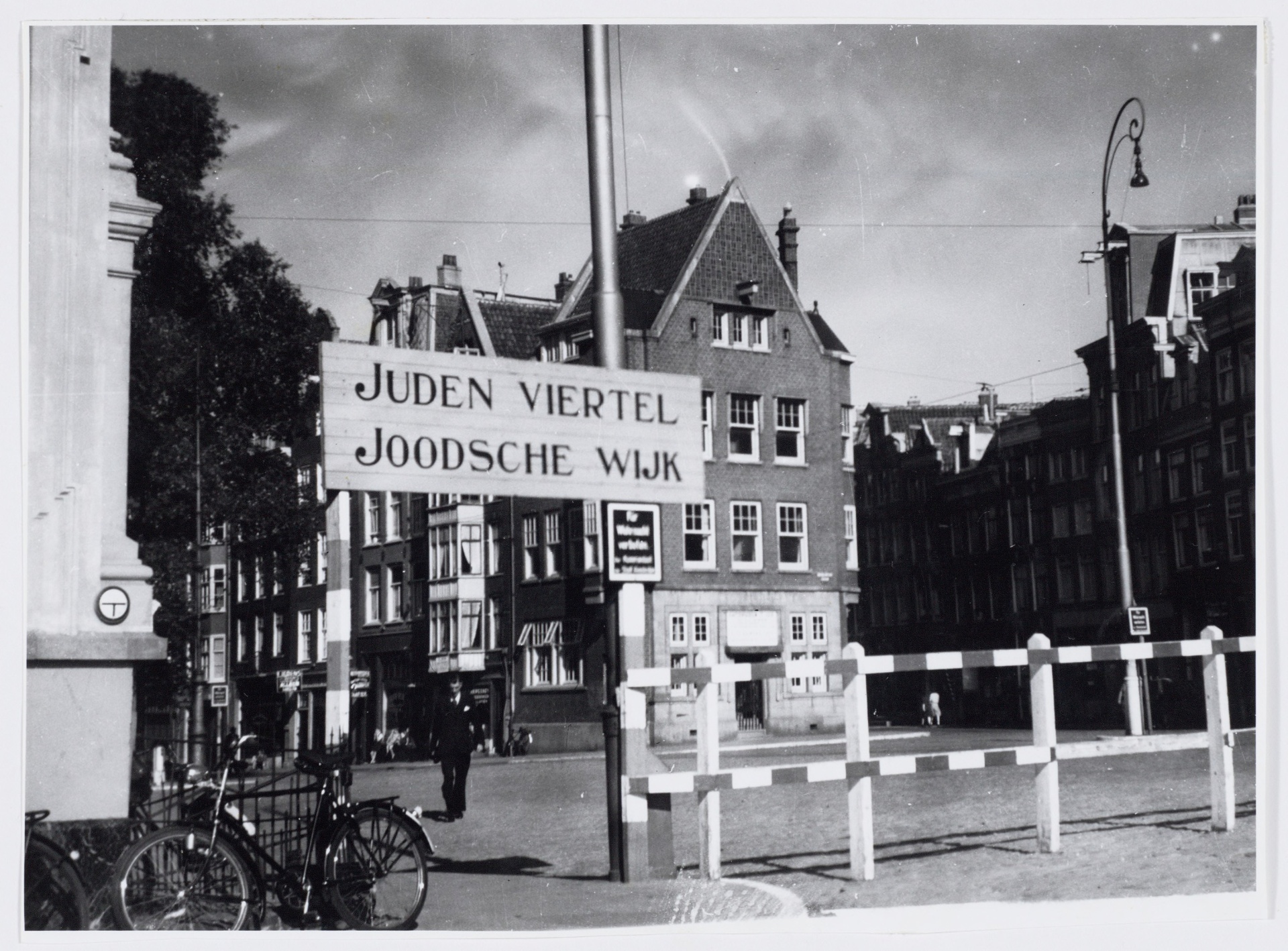
The War in Amsterdam
More from Europe
The Life of Anne Frank Before the Secret Annex
Anne Frank was not born in hiding. Before the Secret Annex, before the diary, she was a girl growing up in Amsterdam.
Free Things to Do in Amsterdam
Amsterdam is expensive. It doesn't have to be. The city is full of things that cost nothing at all.

The Mountain That Watched Over Barcelona
Montjuic has been a fortress, a cemetery, a place of execution, a botanical garden, and an Olympic stage.