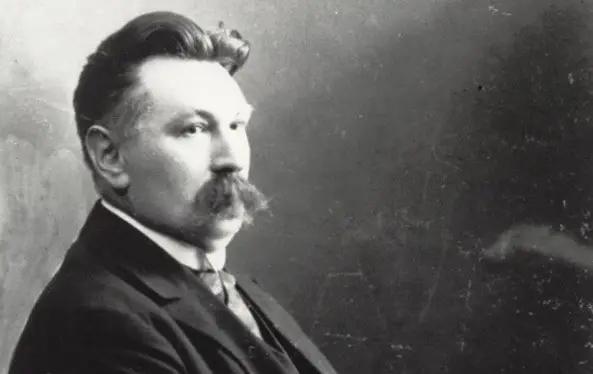
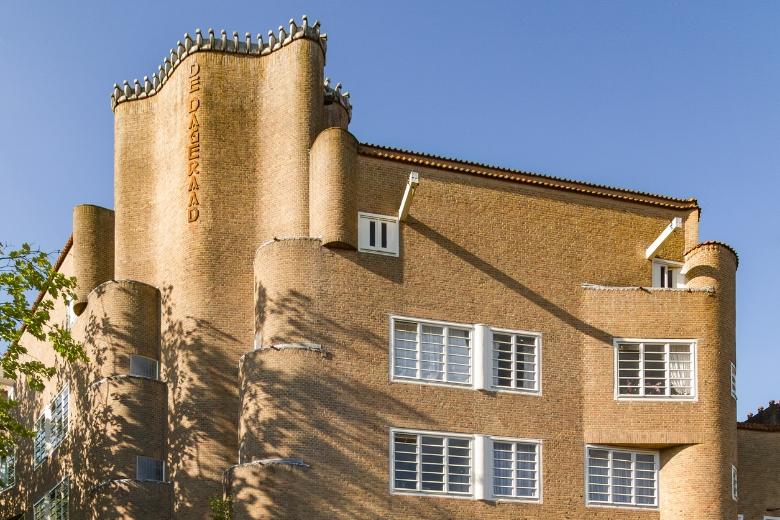
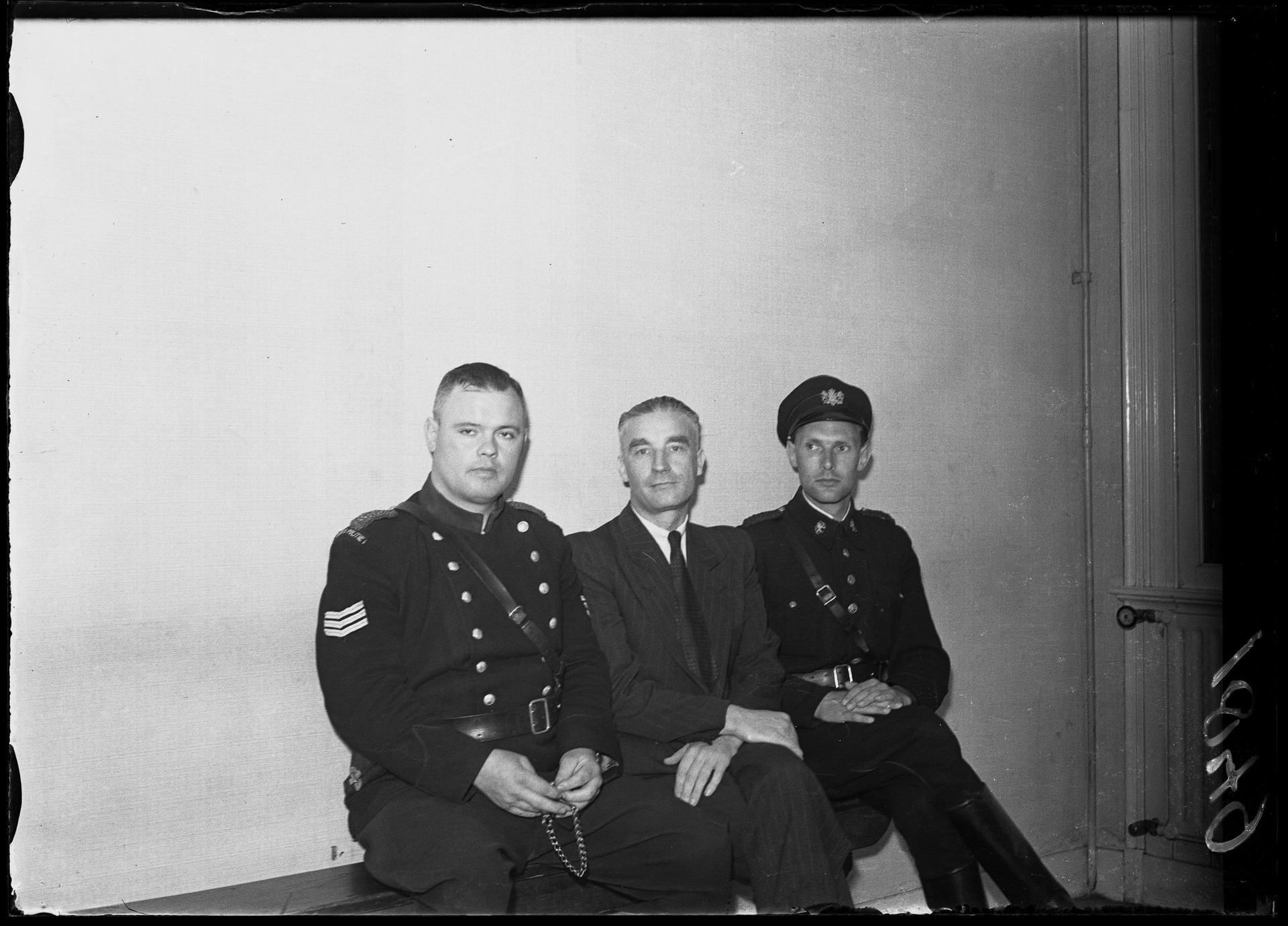
In the summer of 1942 an office opened on the ground floor of number 366, behind the windows that sit just above the pavement here. From the outside it looks like any other house in the block, and inside sat Abraham Puls, the owner of a removal firm, who turned betrayal into a business model in a city that had been occupied by Nazi Germany since 1940.
With the permission of the occupier he kept his own squad of investigators here, seven men according to one source and sixty according to another. Tips about Jews in hiding came in daily. His men went after them, picked people up in the street and took them to the , the assembly point in the old Jewish quarter, and from there the journey continued to the transit camp at .
Puls received a bounty for every person seized. His removal men then cleared the houses that were left behind, down to the furniture, and out of that came a word everyone in the city understood: pulsen. Close to this spot the resistance fighter Henk Langendijk was arrested as he tried to board a tram; he went under the carriage and died in the street. After the war Puls was convicted of collaboration.
From here we follow the Ceintuurbaan further west, until the greenery of the Sarphatipark begins on our left.
Sources. Story: JoodsAmsterdam.nl: Abraham Puls, privé-politiebureau Ceintuurbaan 366hs; JoodsAmsterdam.nl: Abraham Puls, van verhuizer tot rovershoofdman Photos: Stadsarchief Amsterdam