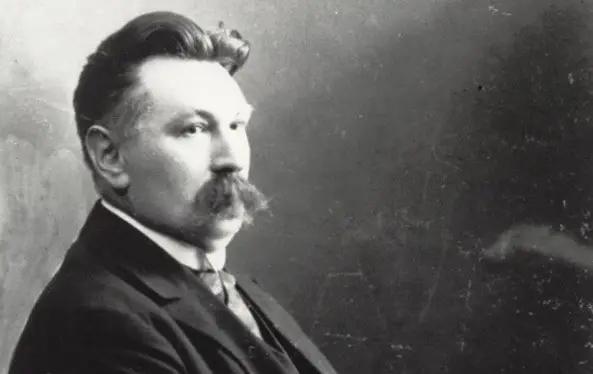
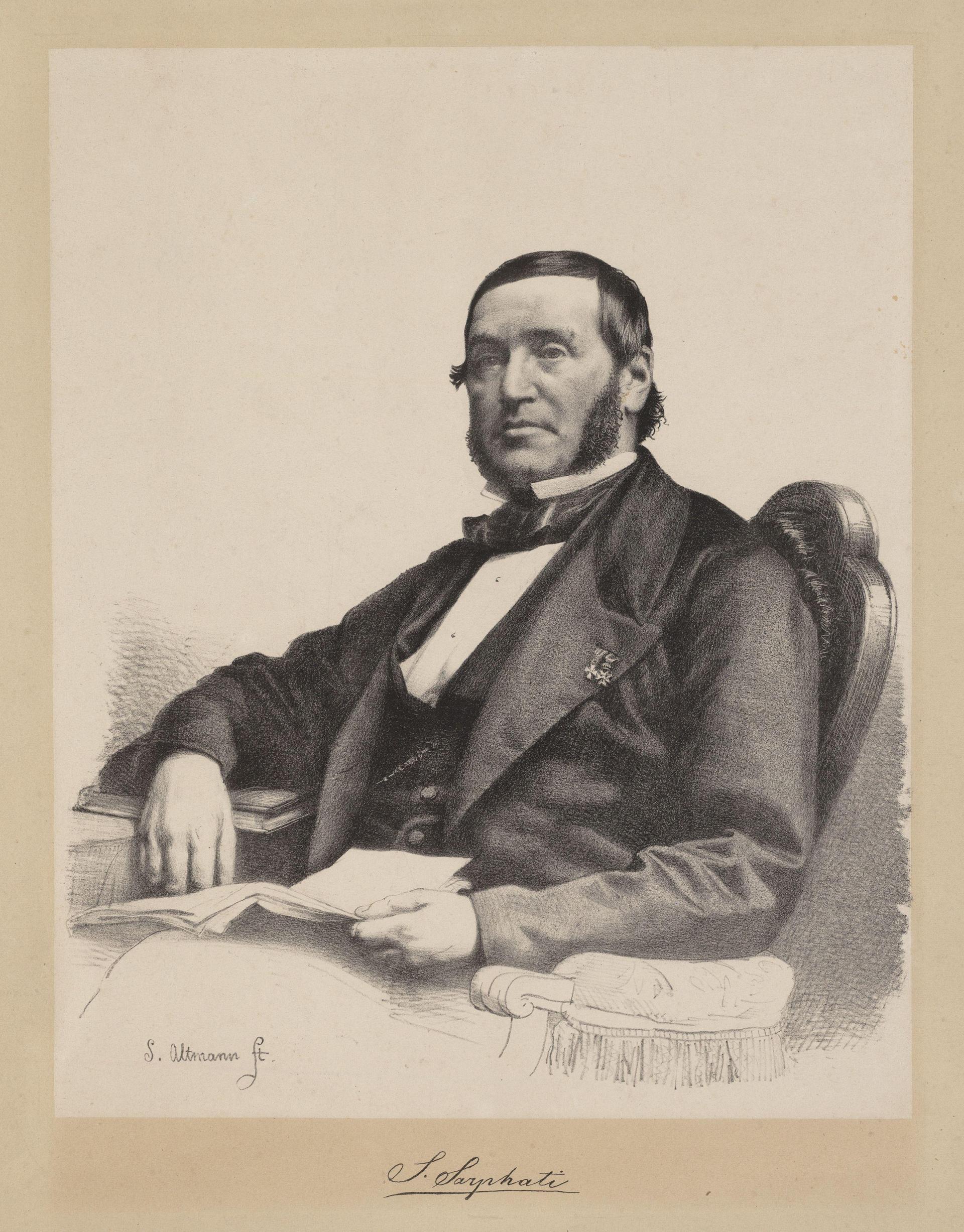
The bust among the trees is Samuel Sarphati, and the park you are standing in carries his name. He was born in 1813 as the son of a tobacco merchant and grew up in a city with rubbish in the streets and disease moving through the districts. Around the middle of the nineteenth century, half of all newborn children in Amsterdam failed to reach their fifth birthday.
Sarphati worked as a doctor for the poor and is said to have paid out of his own pocket for a sick child who had no right to care under the rules. In 1847 he set up the first collection of refuse across the whole city, he helped found the first mortgage bank, and he stood at the cradle of a bread factory that made bread affordable for those who needed it most. The is there thanks to him as well, and so was the , an enormous hall of glass and iron on the Frederiksplein nearby, which burned down close to a century ago.
Sarphati was Jewish, and during the occupier took his name out of the city. The park became the , after an antisemitic philosopher, and the bust was taken away. In May 1945 it stood here again and the park was given its old name back.
From here we leave the park on its western side and follow the Ceintuurbaan until we reach the Ferdinand Bolstraat.
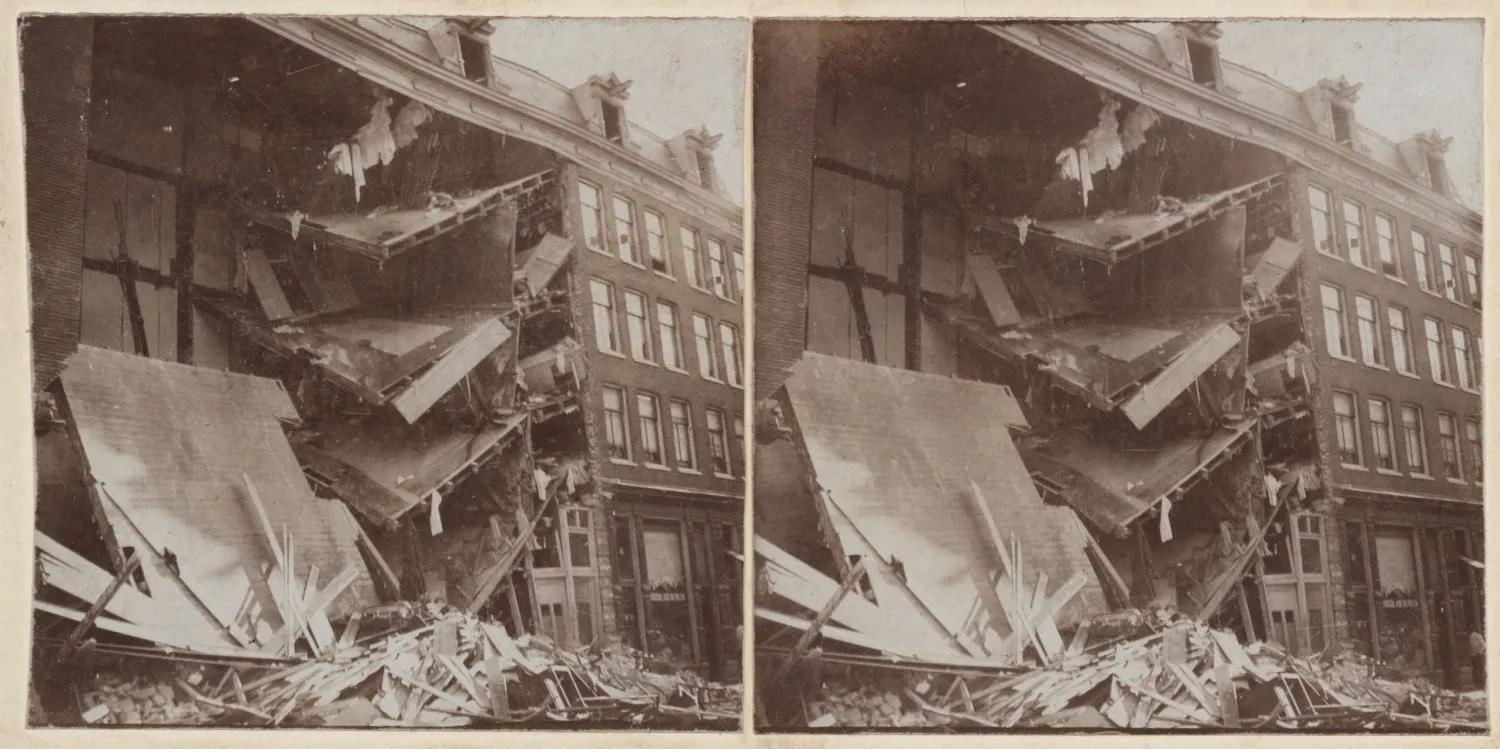
Sources. Story: https://www.joodsamsterdam.nl/samuel-sarphati/; Verzetsmuseum Amsterdam, Amsterdamse straatnamen 1940-1945 Photos: Sybrand Altmann, Stadsarchief Amsterdam (public domain); Jacob Olie, Stadsarchief Amsterdam (public domain)