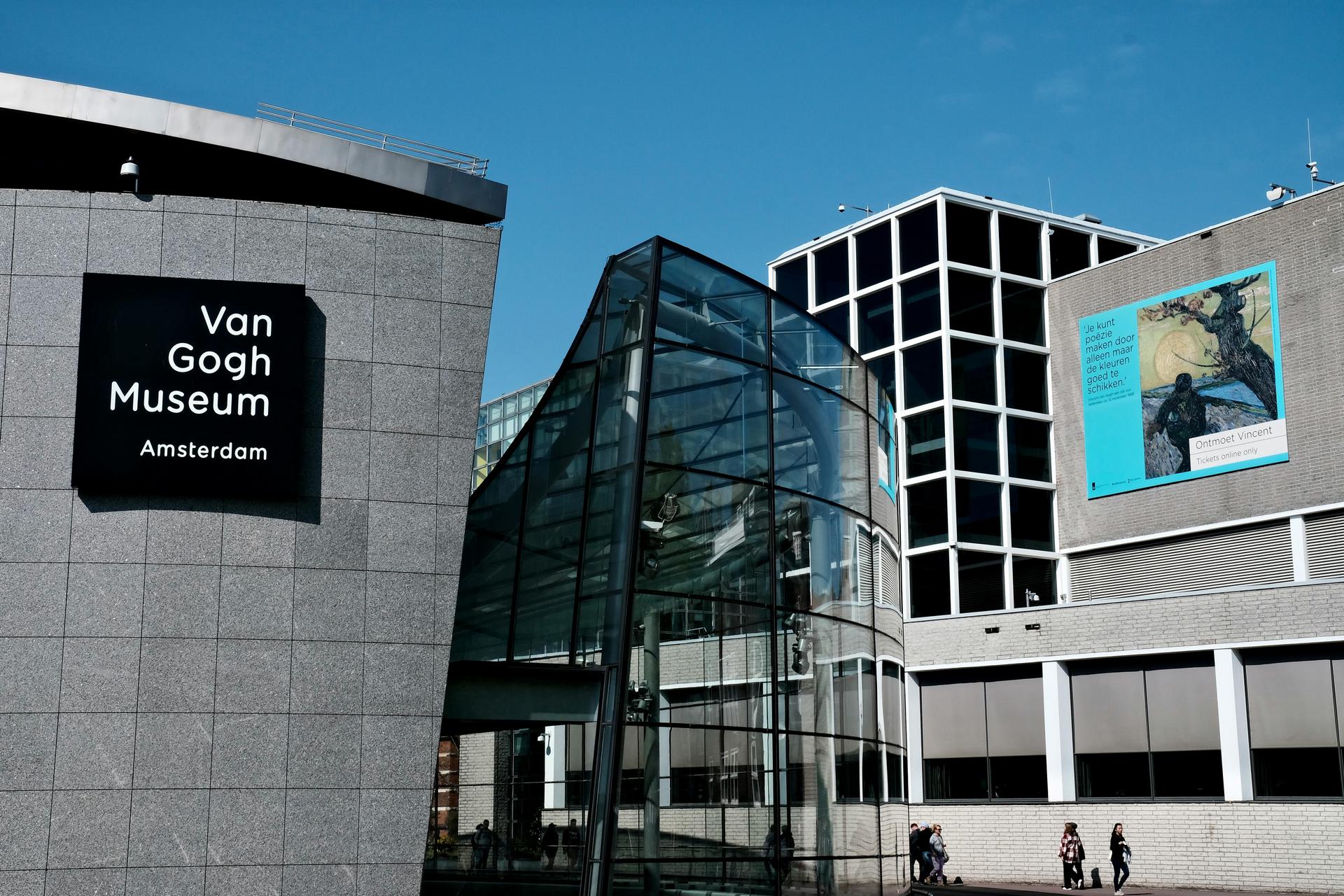
The is now a lawn between the great museums, full of skaters and picnic blankets. In the summer of 1883 it held the International Colonial and Export Trade Exhibition, a shop window for the Dutch trading network and its colonial possessions, which drew more than a million visitors.
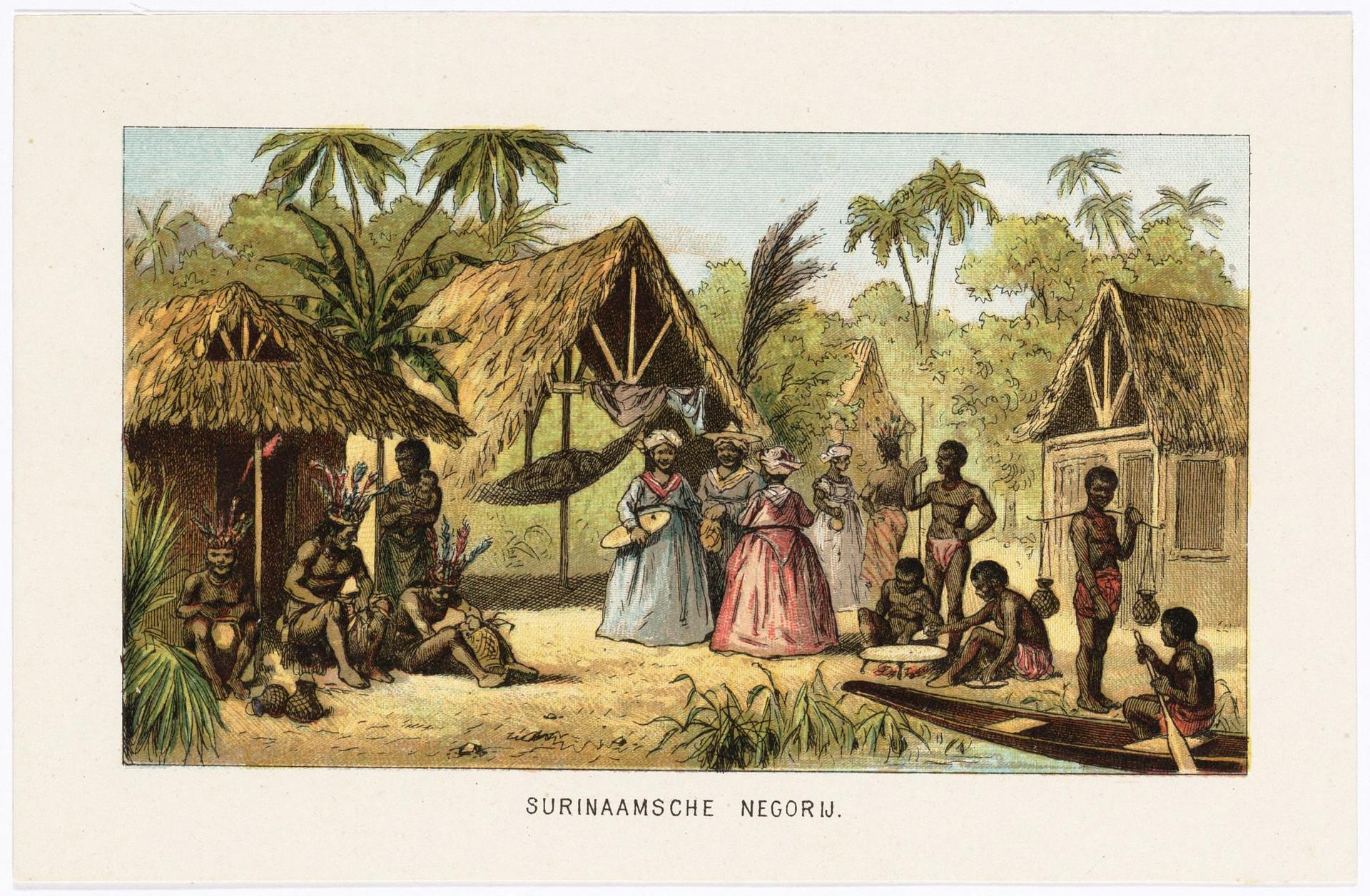
Among the colonial produce and the machines of industrial progress lay what was called a people's garden. Twenty-eight people from , the and other colonies lived there in reconstructed villages, performing daily acts presented as their culture: cooking, showing crafts, dancing and posing for the crowd.
The photograph with this story shows Jacqueline Ricket, twenty-four years old, with her three-year-old daughter Lina. They belonged to the Surinamese village. Because of that picture the episode stays out of the abstract, since what you are looking at is a mother and a child placed on view with no say in the matter.
Other European cities laid out similar in those years, and Amsterdam joined in openly, with a public endorsement of colonial inequality on the very spot where visitors now queue for the .
Sources. Story: Stadsarchief Amsterdam, https://www.amsterdam.nl/stadsarchief/agenda/famiri-familie/tentoongesteld-koloniale/ Photos: Stadsarchief Amsterdam