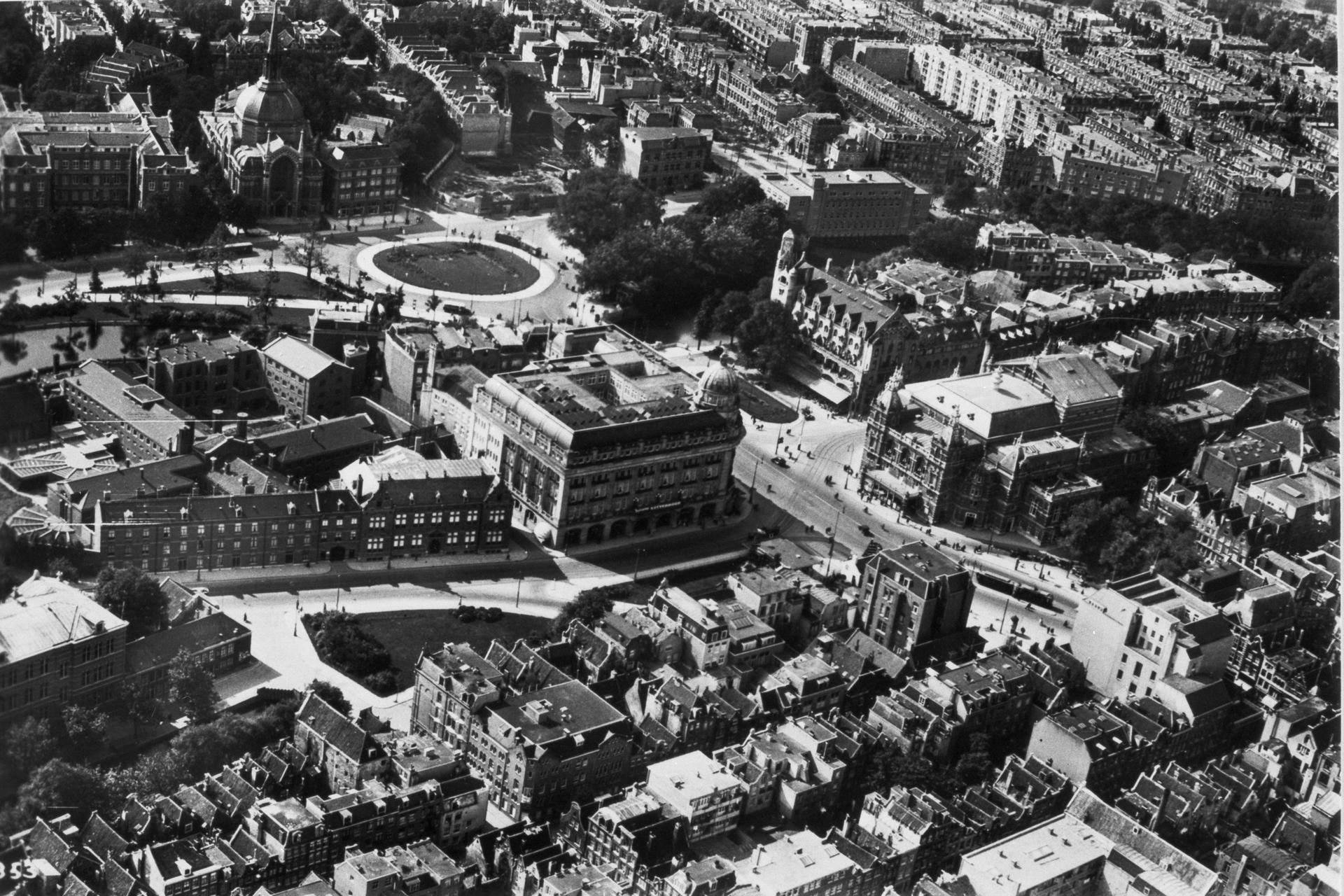
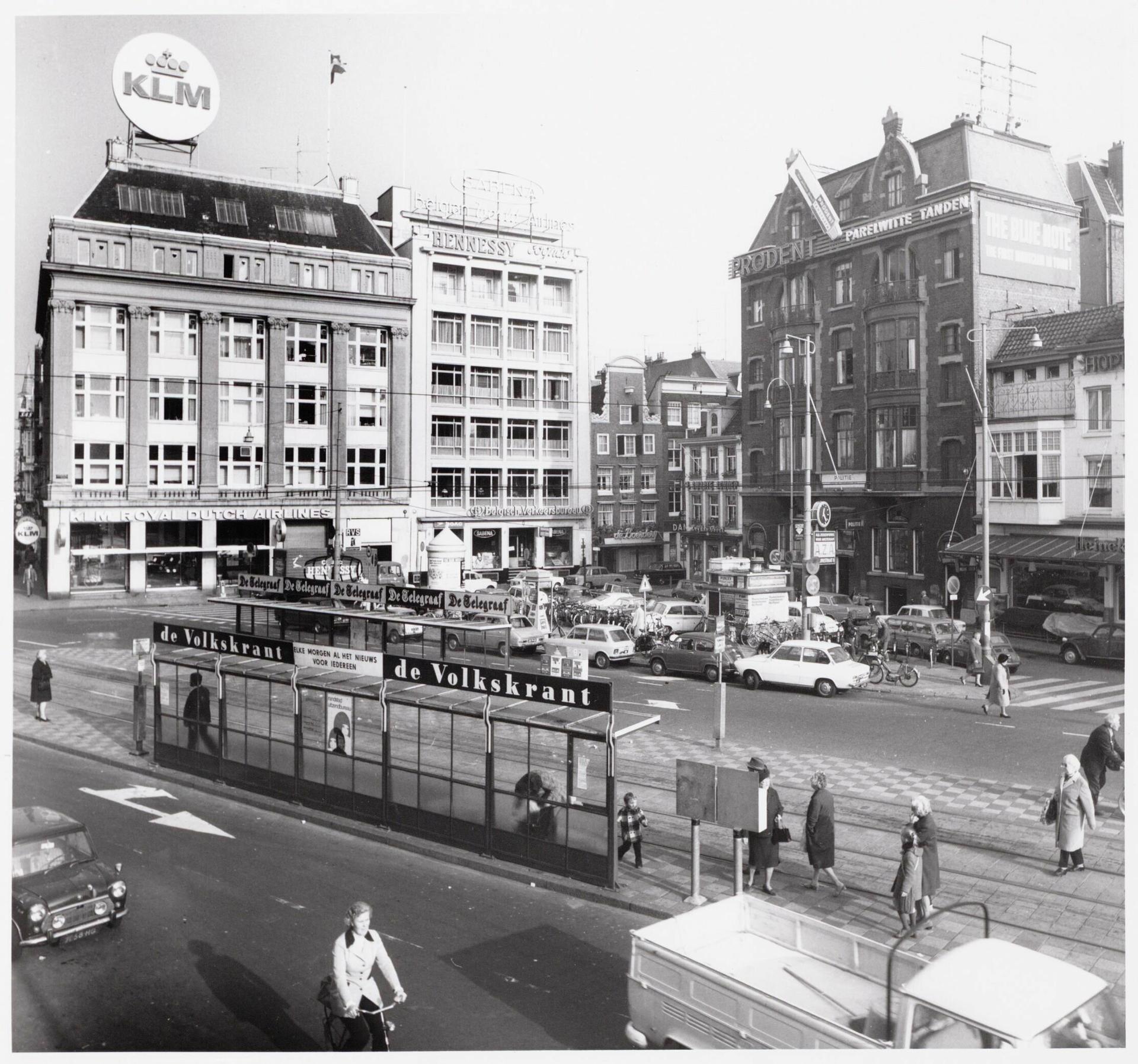
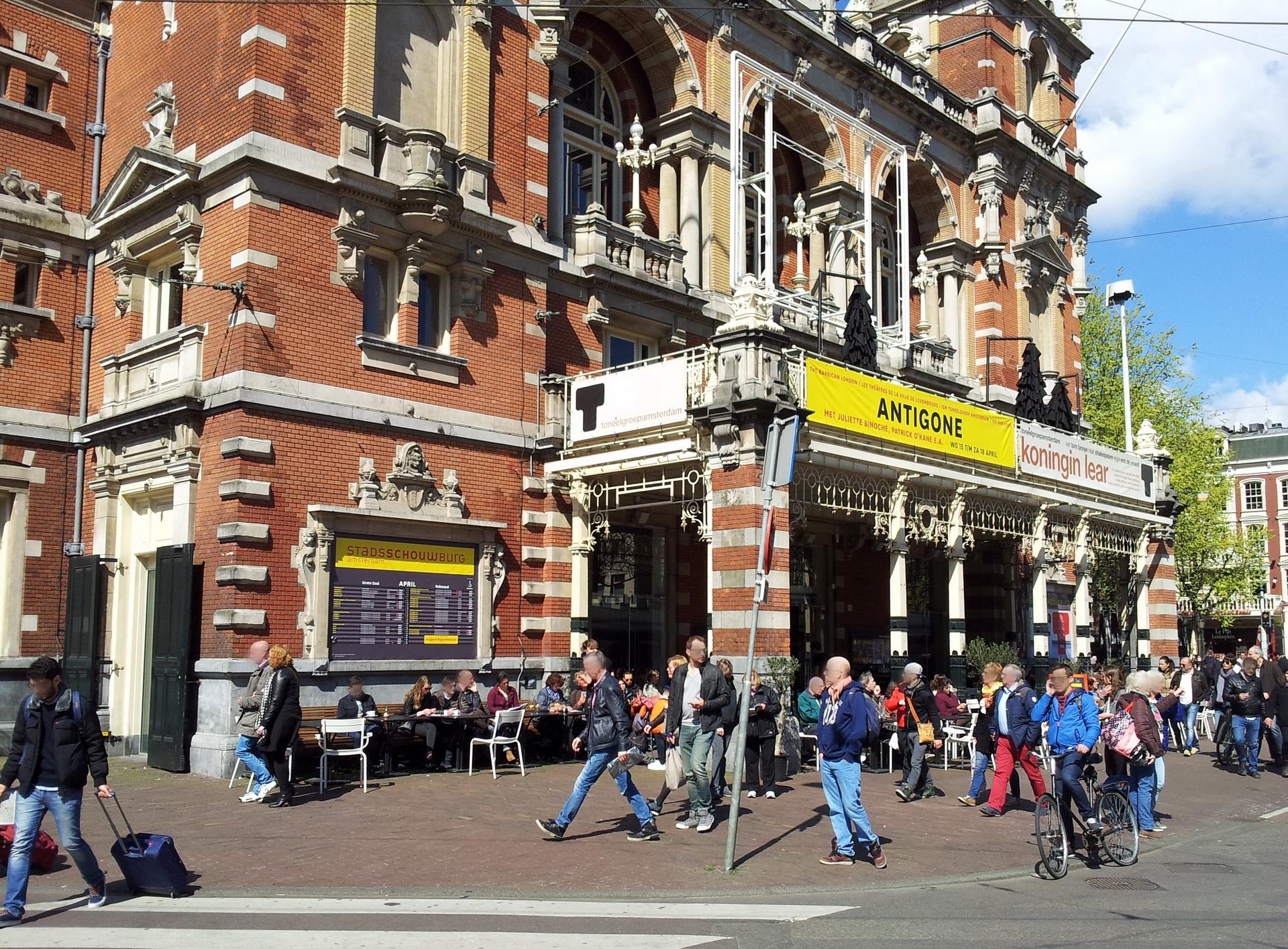
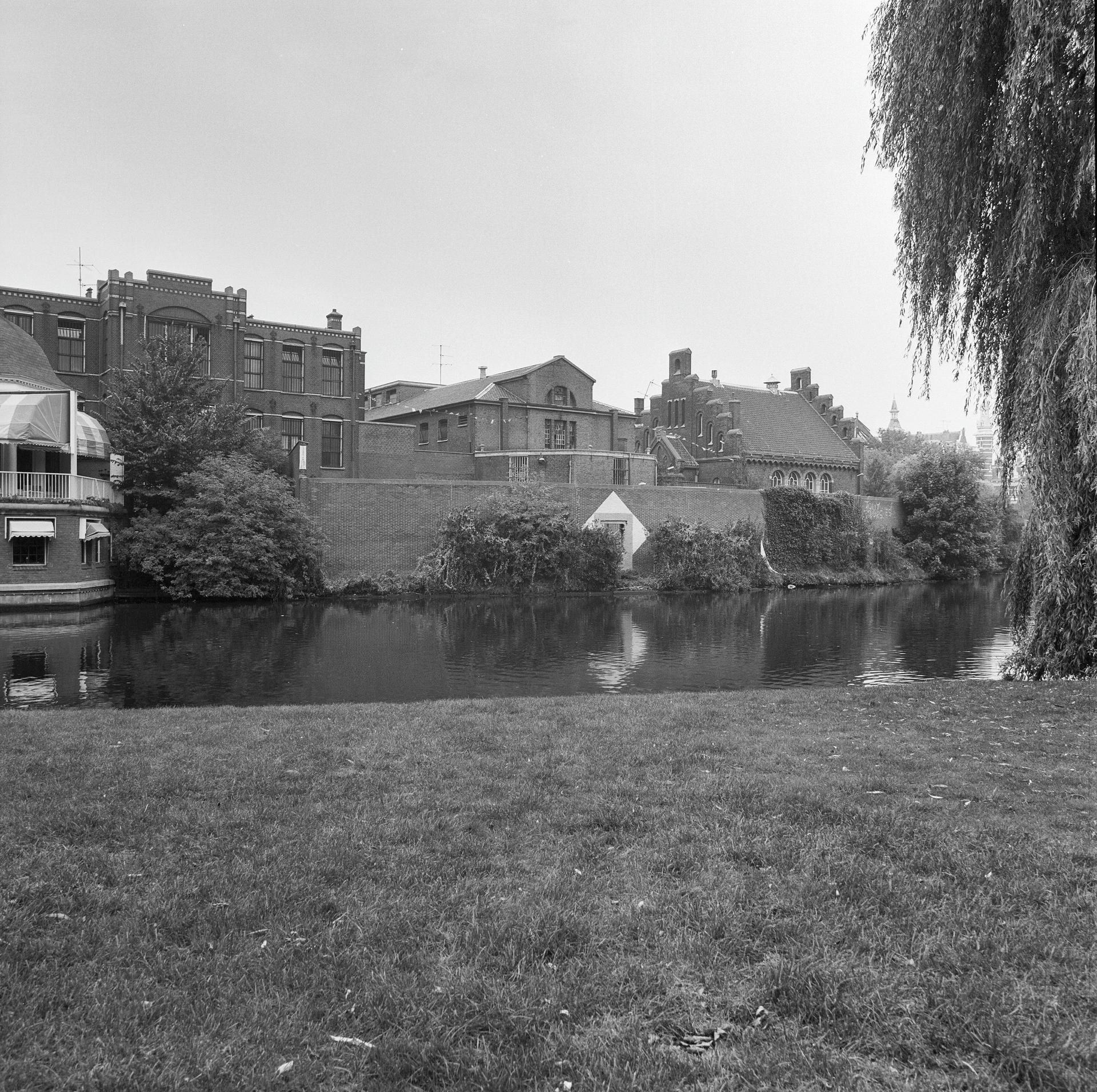
On , where you now stand among the café terraces and the colonnade, the most heavily guarded prison in the Netherlands stood well into the twentieth century. The Huis van Bewaring on the Weteringschans opened in 1850 as the country's first cellular prison, where inmates each got their own cell rather than sharing a hall.
During the occupation it became a transit point. The SD and the Gestapo brought political prisoners, resistance members and arrested Jews here, among them Anne Frank in August 1944. An estimated twenty to thirty thousand people passed through on their way to a camp, a cell elsewhere or the firing squad.
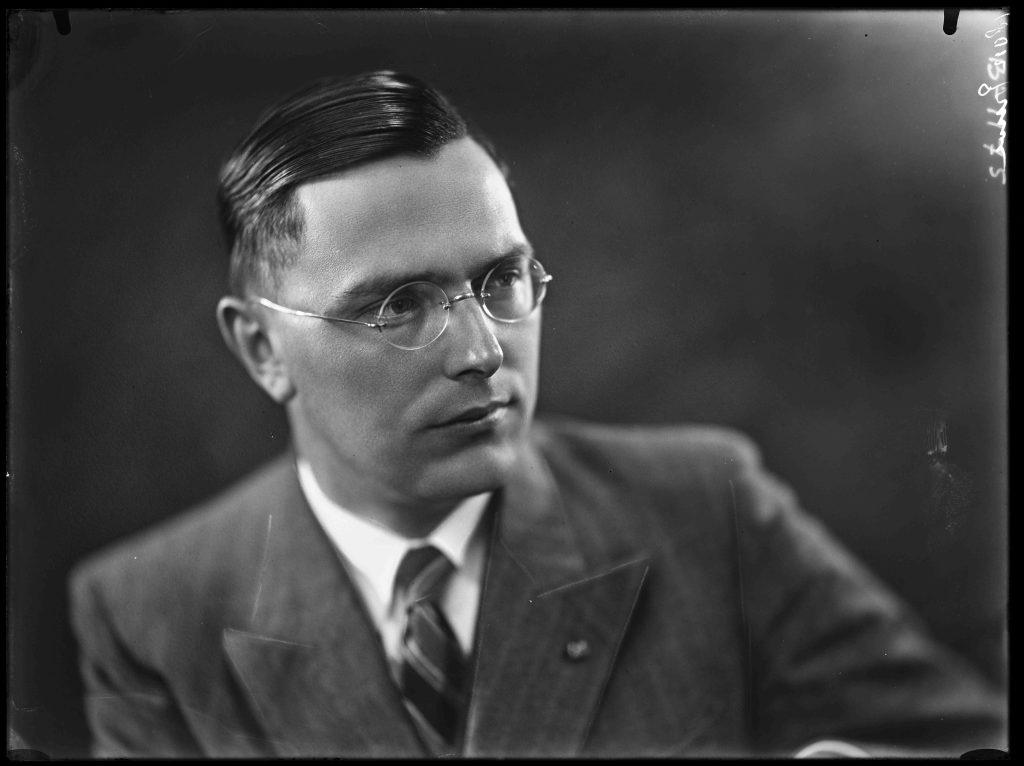
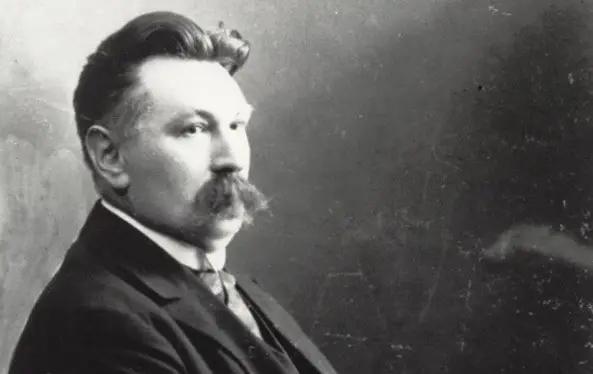
The resistance tried to get inside twice. In the early morning of 1 May 1944, a group went in led by the sculptor , who had earlier set up the Persoonsbewijzencentrale, the operation that supplied the resistance with forged identity papers. A guard dog raised the alarm, and bullets in his back left Van der Veen largely paralysed. Two weeks later he was caught in his hiding place and shot on 10 June. A second attempt followed on the night of 14 to 15 July, led by , but it turned out they had been betrayed. Post was shot dead the next day in the dunes near Bloemendaal.
The prison closed in 1979. Around 1990 it filled with offices, cafés and the debating centre , while the old entrance hall and wings stayed standing, and a memorial now recalls both raids.
Sources. Story: Wikipedia, Huis van Bewaring I (Weteringschans); TracesOfWar, memorial former Huis van Bewaring I; NOS, Bevrijdingsjaar: Johannes Post. Photos: Photos: Rijksdienst voor het Cultureel Erfgoed (CC BY-SA 4.0) and Andreas Praefcke (CC BY 3.0), via Wikimedia Commons.