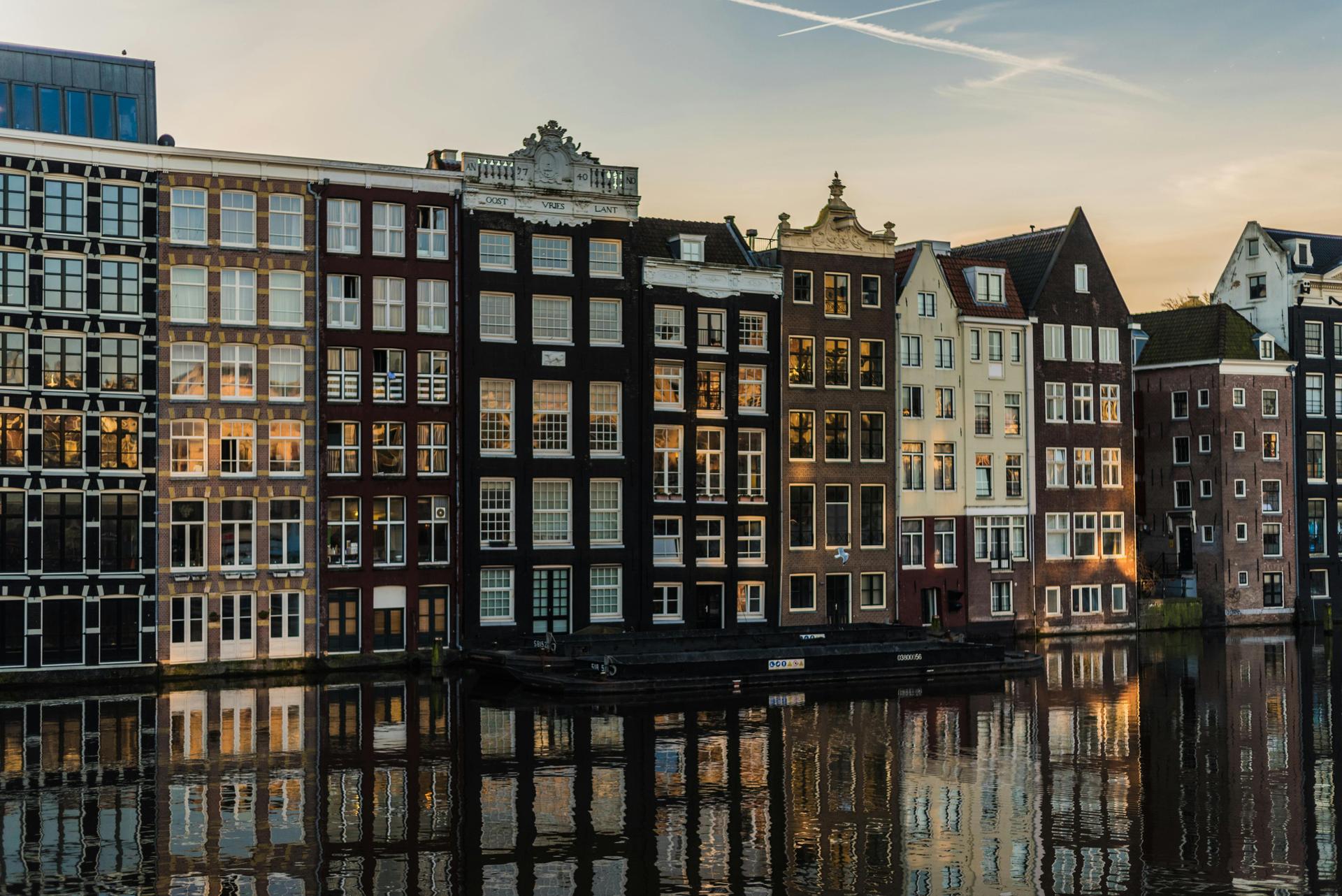
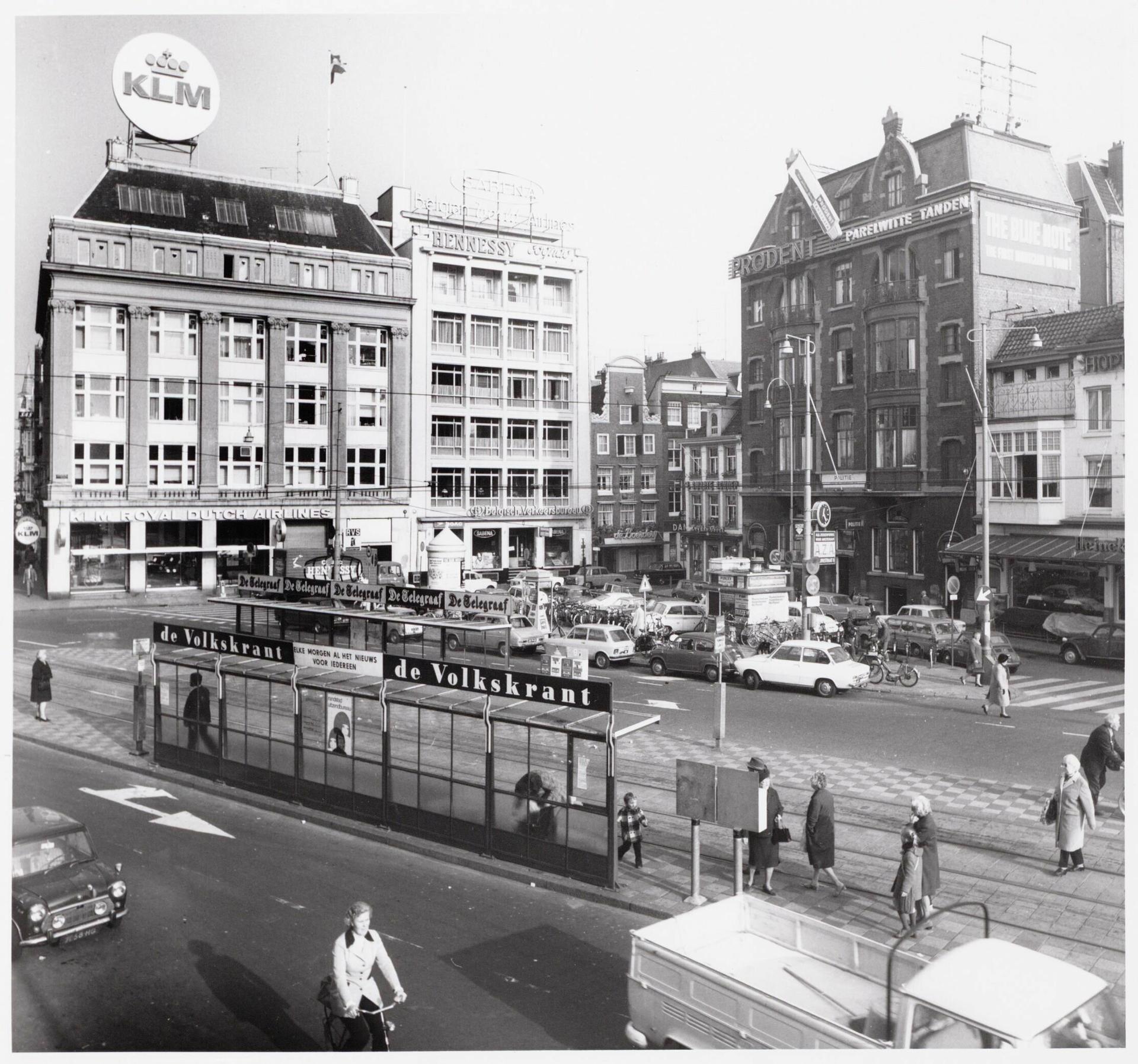
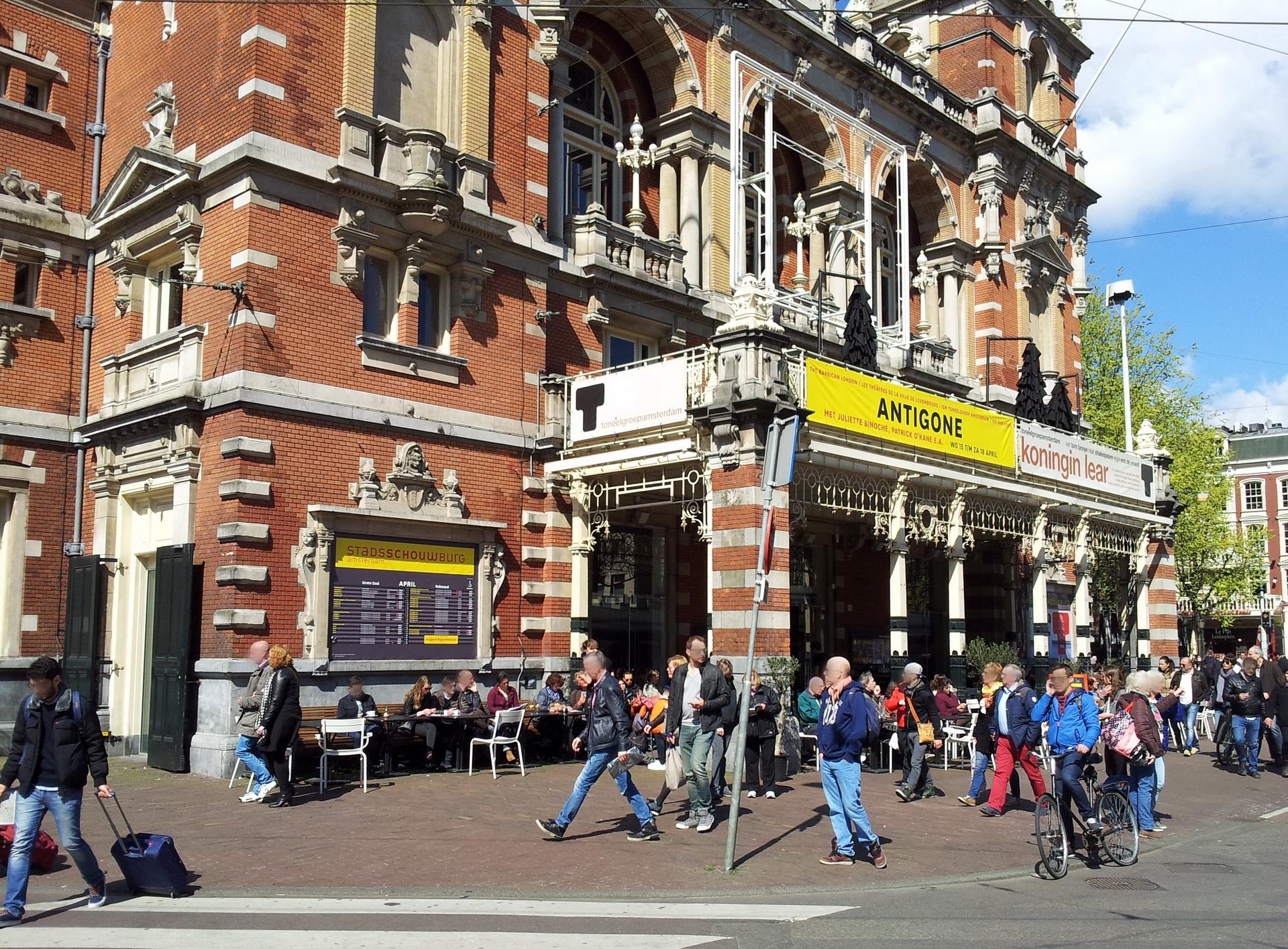
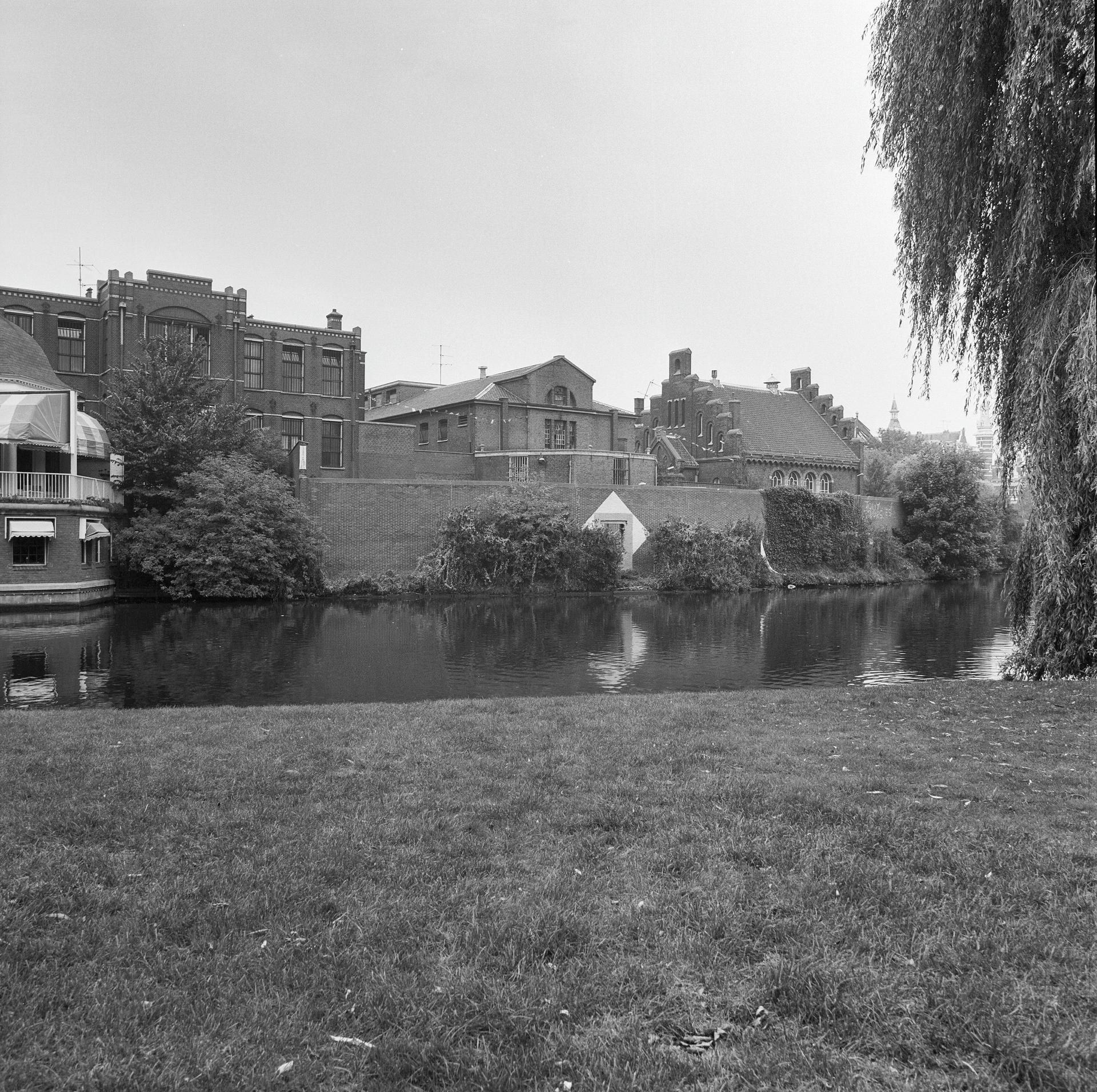
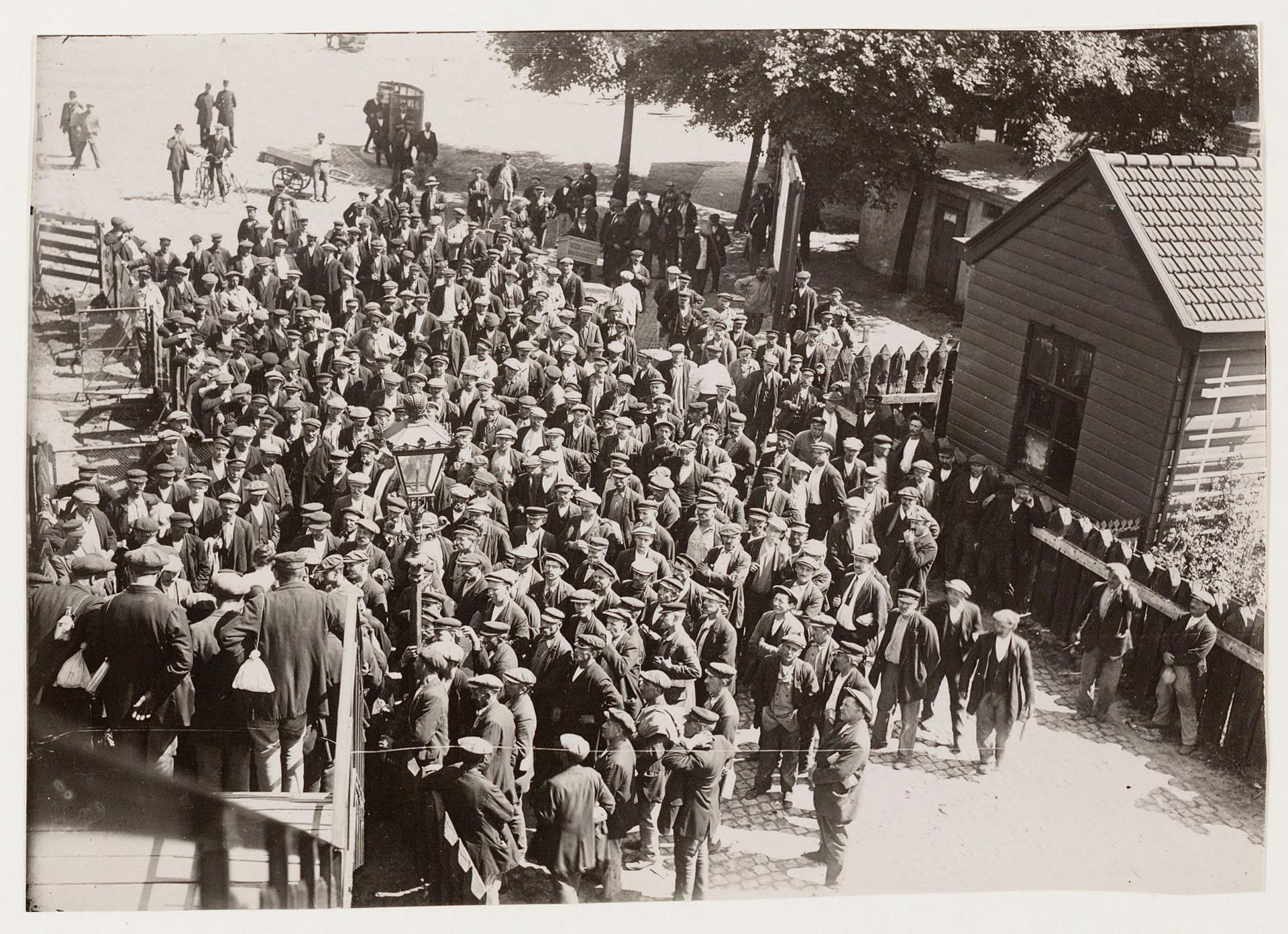
The stretch of Marnixstraat between the Elandsgracht and the Rozengracht, where you now see the trams rolling past, was the site of the vegetable market a century ago. Barges loaded with cauliflower and potatoes lay along the quay, and in the summer of 1917 the city's hunger erupted right here.
The Netherlands stayed neutral during the First World War, yet the war crept in anyway, through food. Potatoes, the daily staple of working families, grew scarce while exports simply carried on. On 28 June, working women tried to get hold of a batch of potatoes meant for the army. The police stepped in, and the women marched to the city hall, where alderman promised them the new harvest would be available within a few days.
That harvest arrived, and turned out to be unaffordable; wealthy ladies snapped up the supply right in front of them. Alderman Josephus Jitta offered the women rice instead, to which one of them replied: If I put that in front of my husband, I'll get an earful!
On Monday 2 July, a crowd stormed the barges moored here. The police opened fire, and that evening wagons of potatoes were plundered at the , where shots rang out once more. With soldiers and military police brought in, it ended in nine dead and a hundred and fourteen wounded.
Sources. Story: Stadsarchief Amsterdam, Amsterdam and the First World War: Potato Riot; Internationaal Instituut voor Sociale Geschiedenis, Amsterdam. Photos: With thanks to the Stadsarchief Amsterdam for making these photographs available.