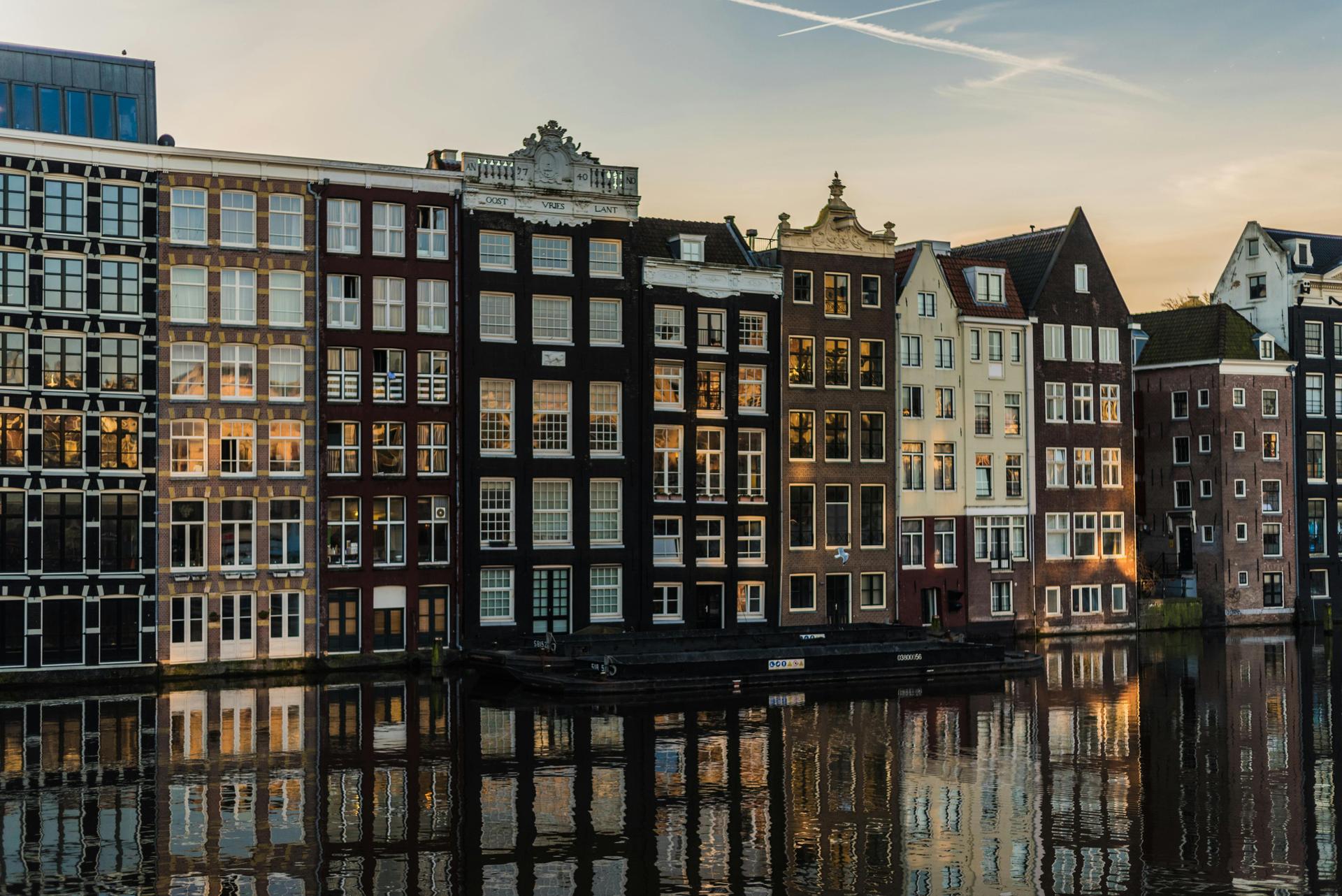
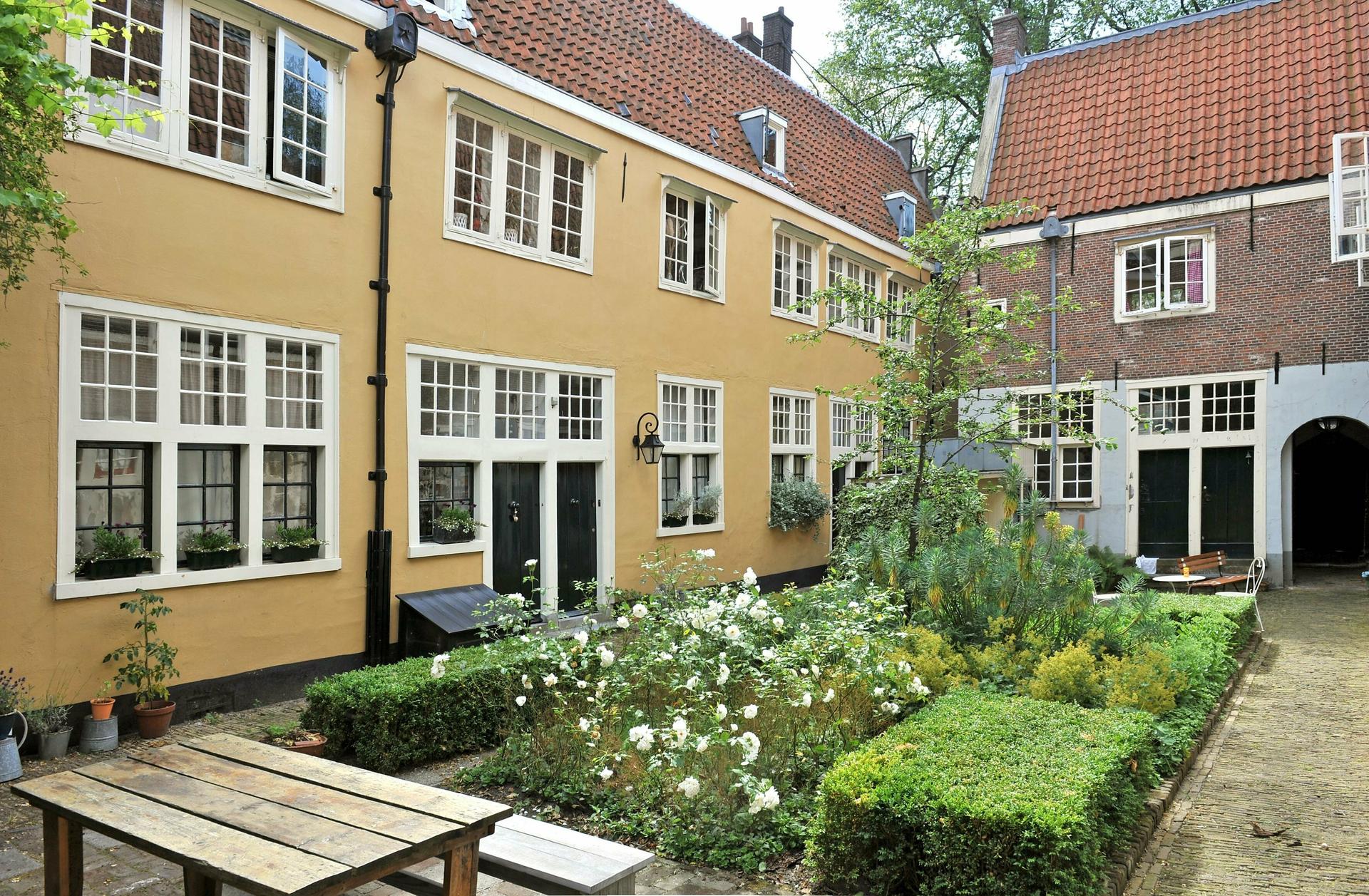
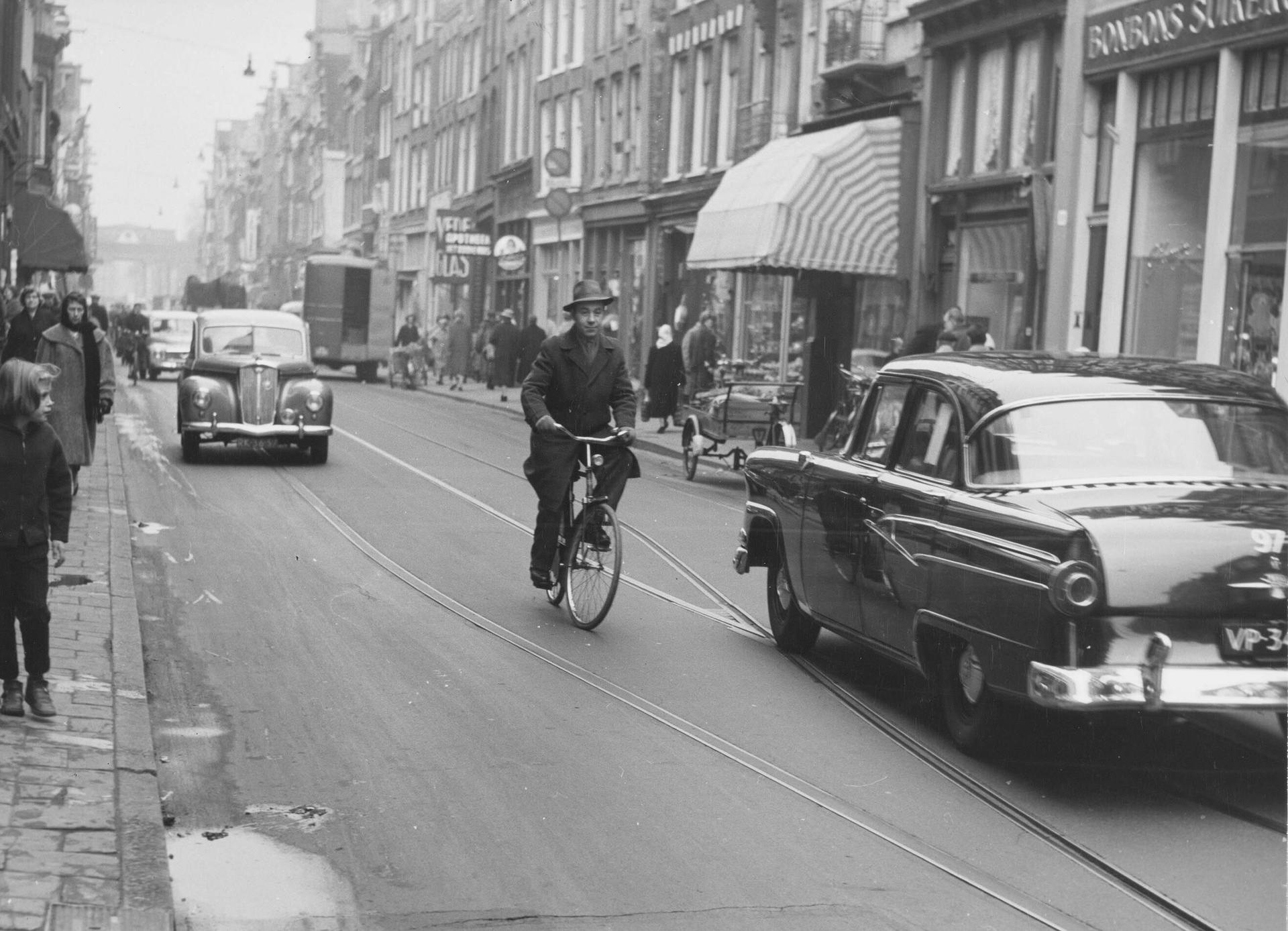
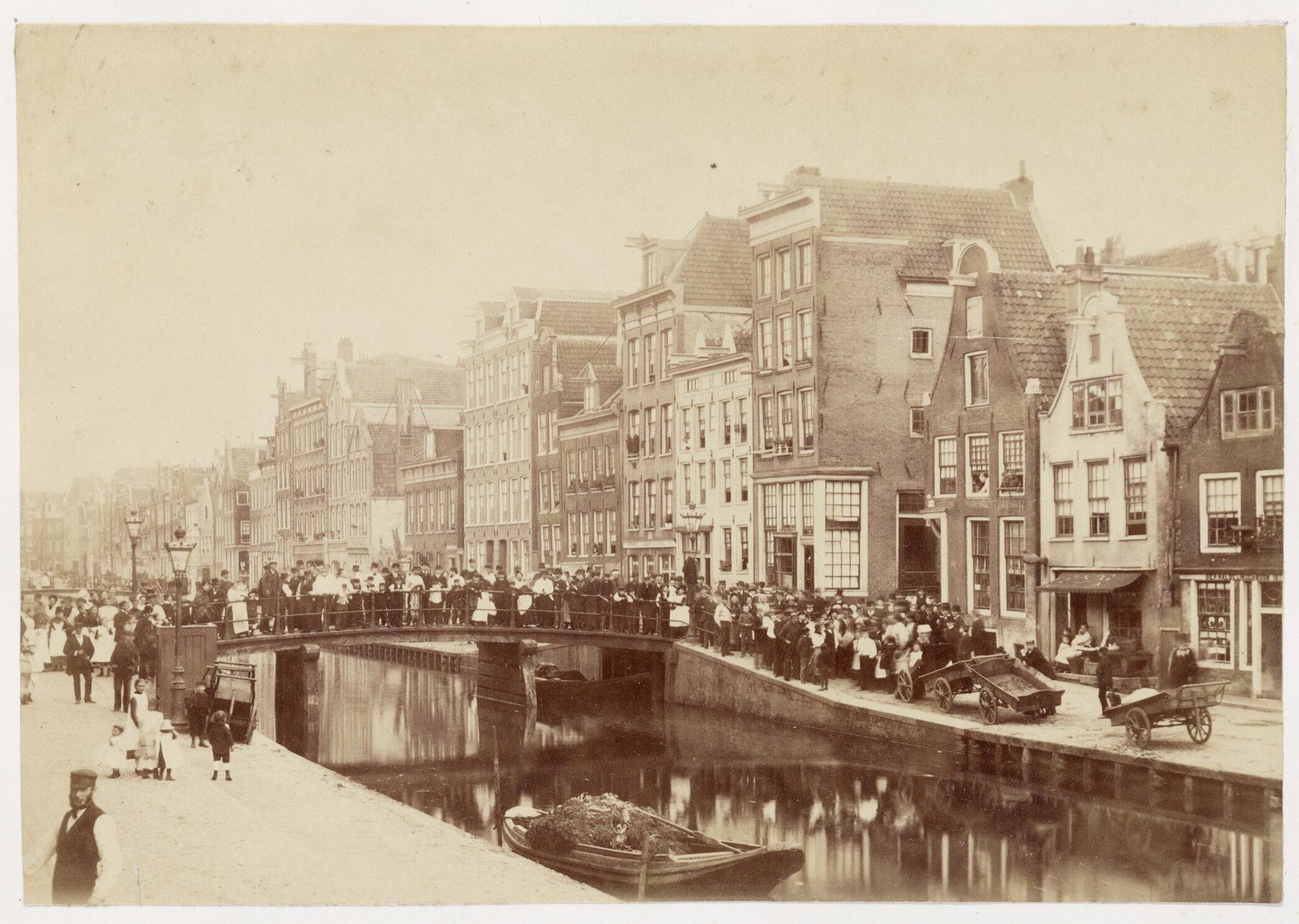
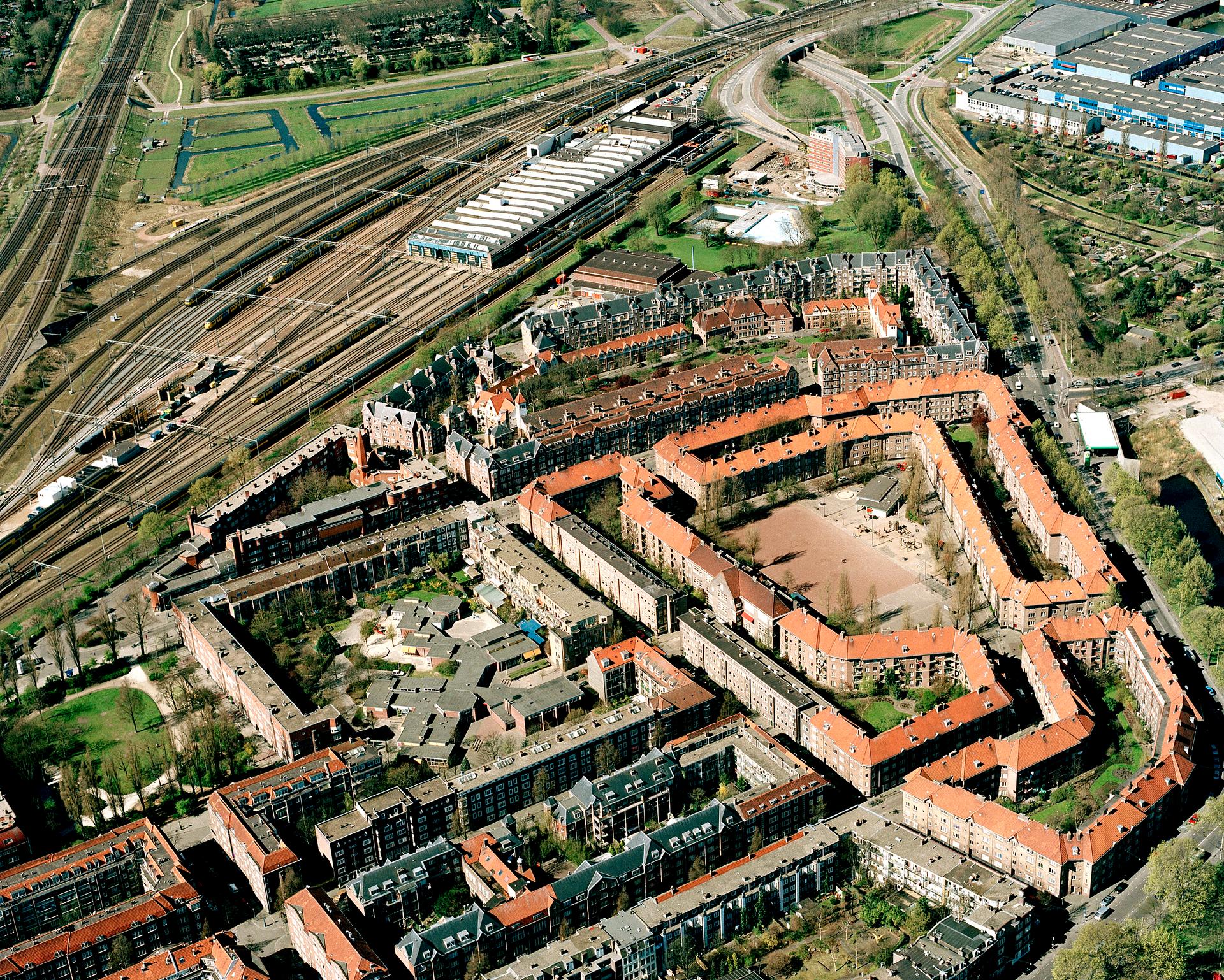
The Spaarndammerbuurt sits wedged between the railway and the western docks, and life here around 1900 was hard. Whole families shared one cramped flat in a damp alley, children slept three to a mattress, and a single toilet often served several households.
This is where one of the most remarkable housing experiments in the Netherlands took shape. Pressed by a housing shortage and by social unrest, the city of began supporting housing associations around the turn of the century, asking architects for solid and affordable homes. A few of them went a great deal further than that.
The Amsterdam School found its stage in this district, with 's Het Schip as the most famous example. A block of workers' flats with rolling brickwork, ornamental detail and a tower you would sooner expect in a fairy tale than in a dockers' neighbourhood. Beauty counted here as a right rather than a luxury.
The contrast with the slums a few streets away was enormous, and for many workers such a home stayed out of reach for years. The district still became the proving ground of Dutch social housing, complete with schools, bathhouses, libraries and squares, built on the belief that a man with calluses on his hands deserved something beautiful to come home to.
Sources. Story: nl.wikipedia.org Photos: Rijksdienst voor het Cultureel Erfgoed (CC BY-SA 4.0)