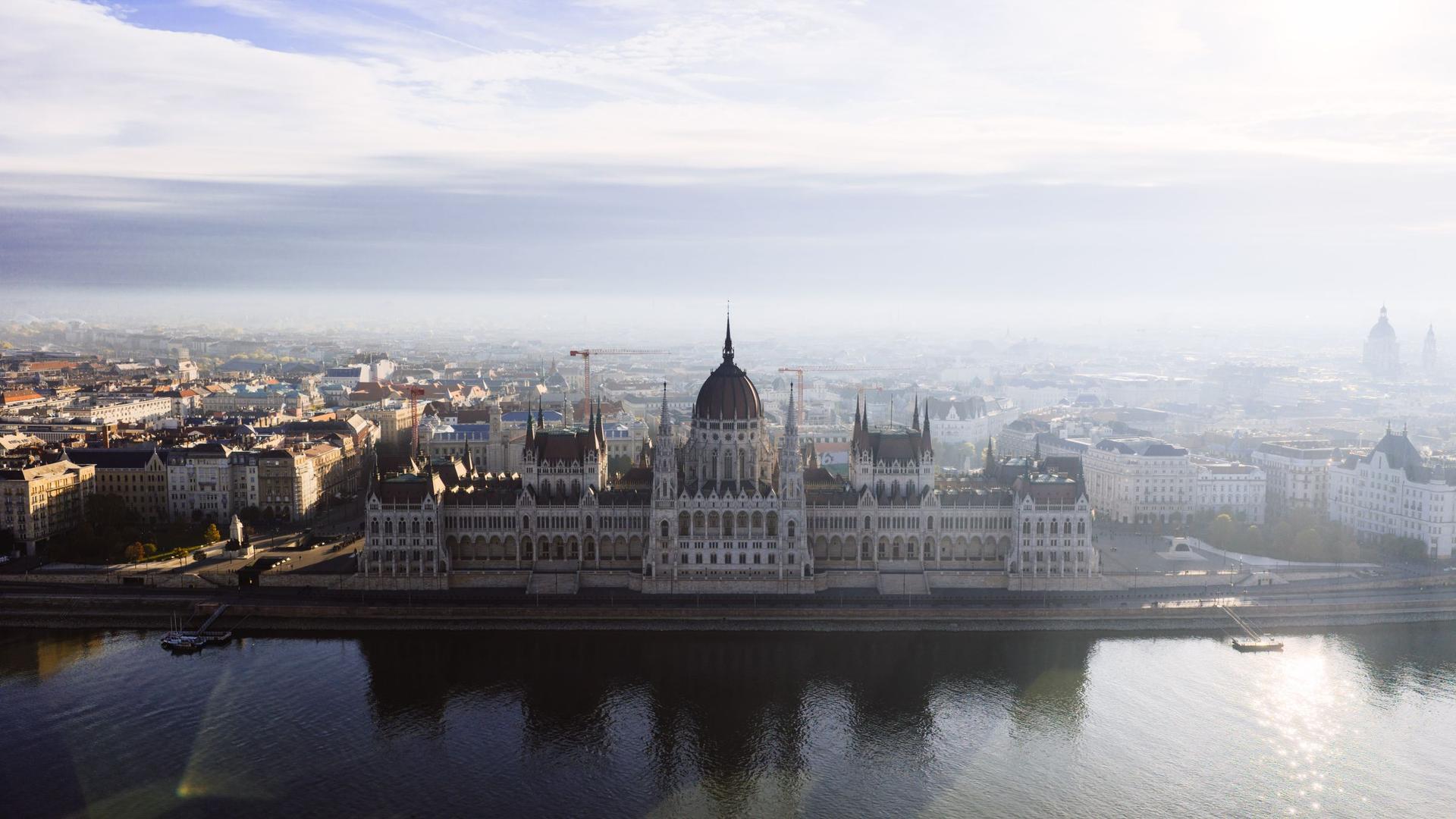
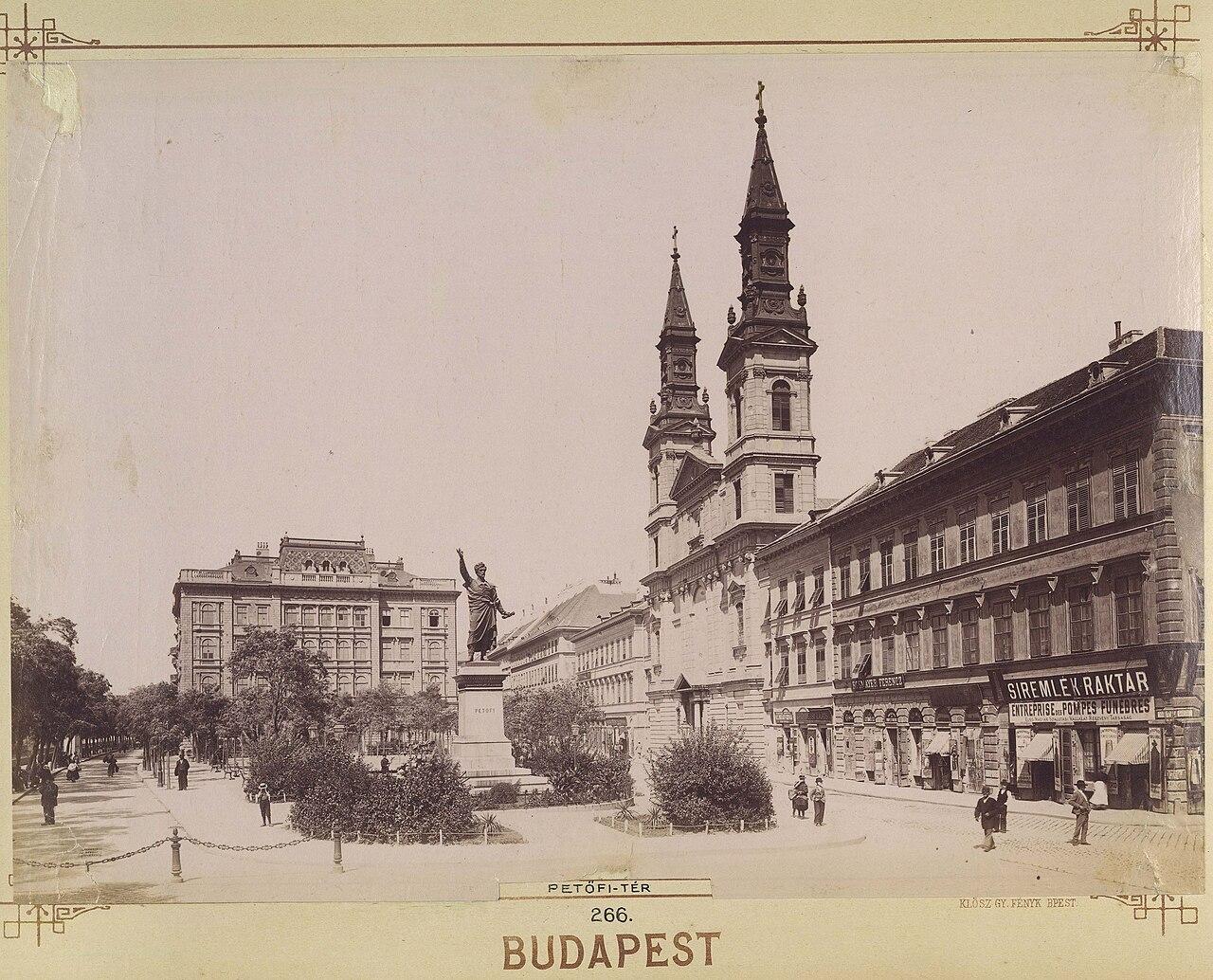
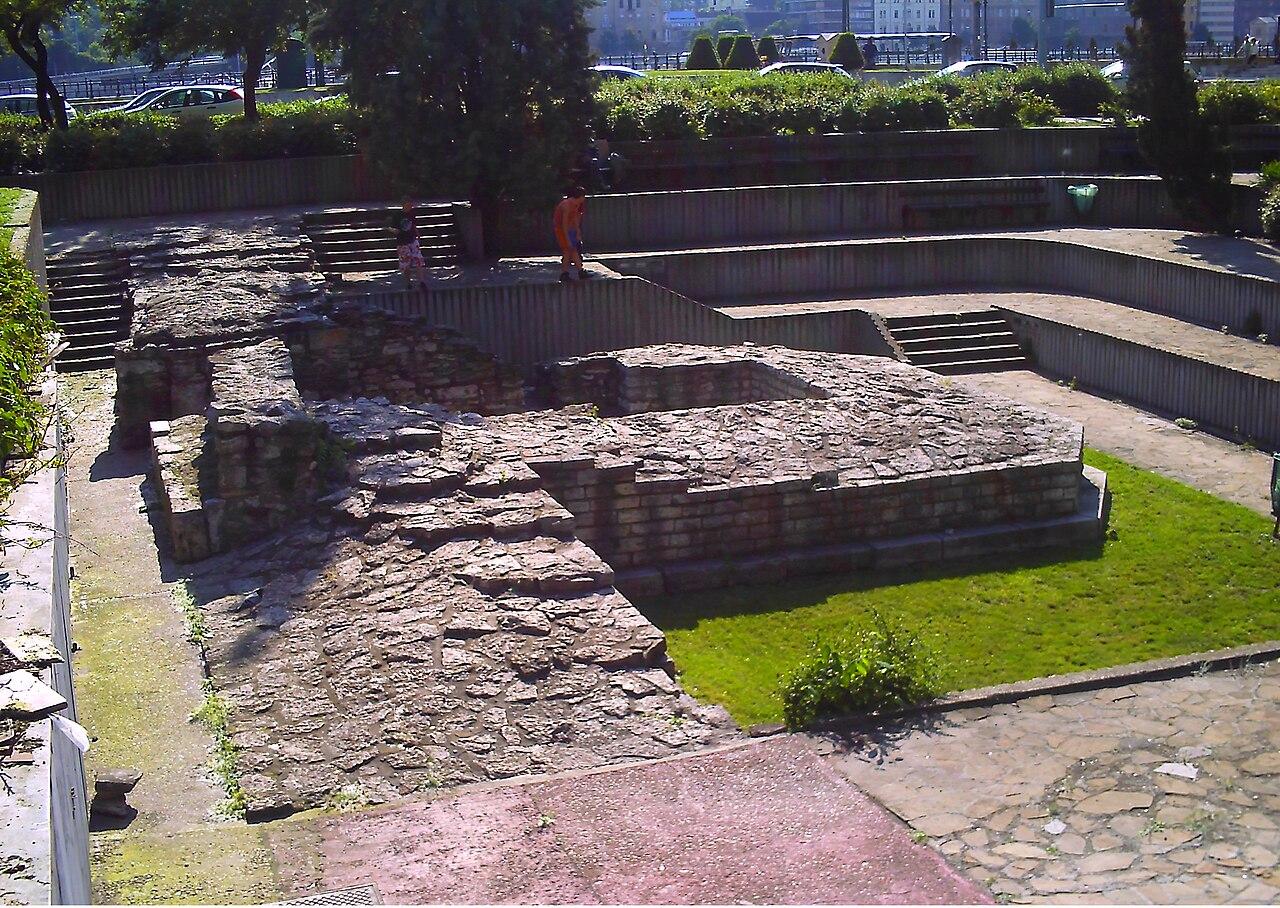
You're standing on a square that runs deeper than it looks. Find the glass panels set into the pavement and look down through them: below lie the walls of a Roman fort.
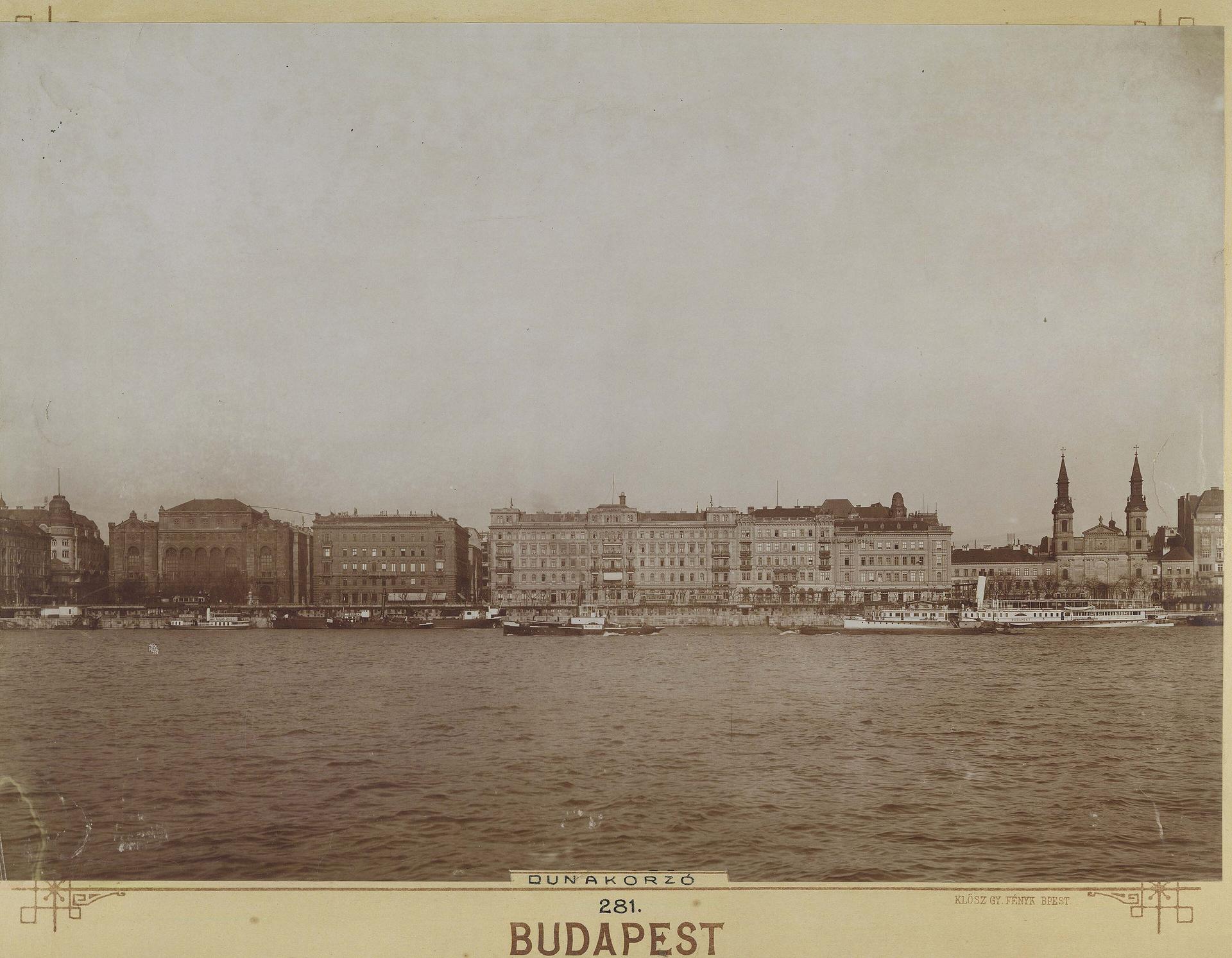
From this bank, Contra- guarded the crossing to Aquincum, the provincial capital on the far side. It went up early in the second century and was rebuilt from the foundations up at the end of the third, eighty-six metres by eighty-four, with walls three and a half metres thick. The name used for it in antiquity was probably Pession.
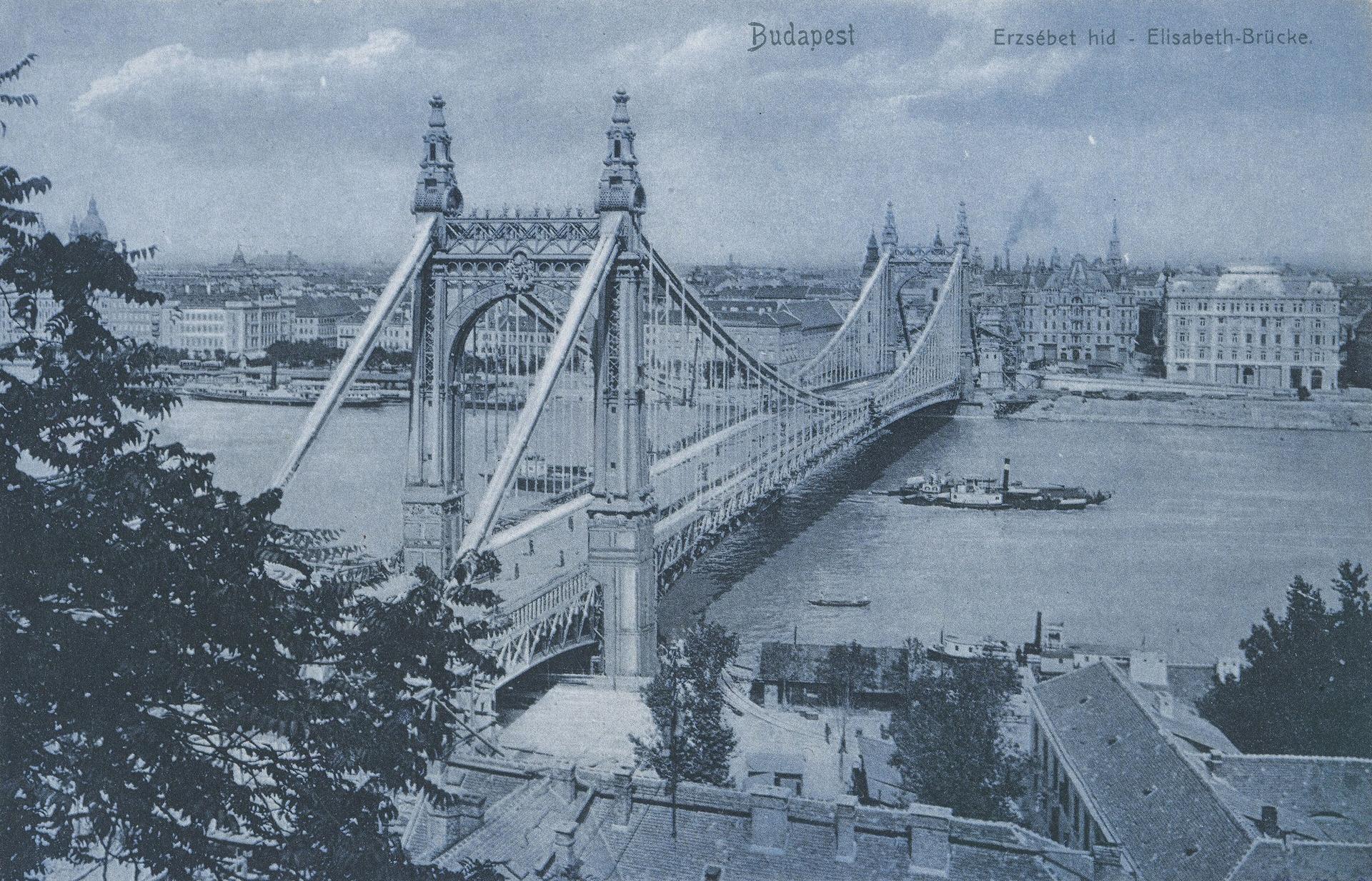
Most of the fort now stands somewhere else. For centuries its stones vanished into the houses of , so thoroughly that by the nothing of it was left above ground. When a corner tower turned up in 1898 during the building of the , it had twenty-seven Roman stones built into it, carrying inscriptions and reliefs.
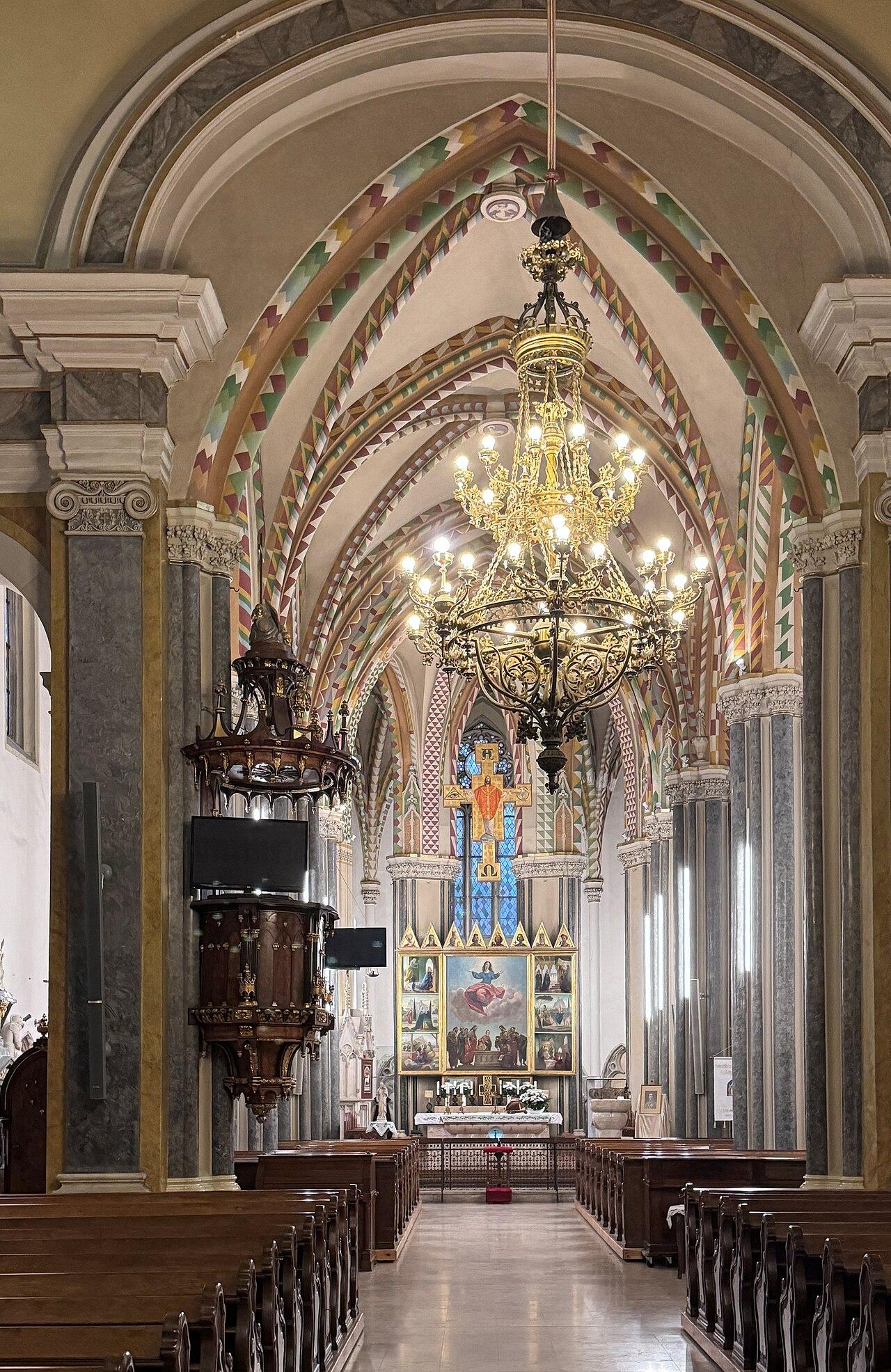
We walk to the church on the south side of the square and head inside.
Sources. Story: hu.wikipedia (Contra-Aquincum) on the fort as a bridgehead of the Pannonian limes, its construction in the second century, the rebuilding at the end of the third century, the antique name Pession and the reuse of the stones in Pest; Budapestcity.org on the corner tower that turned up in 1898 during the building of the Erzsébet Bridge with twenty-seven Roman stones in it, and on the ruin disappearing underground again after the 1960s; Belvárosi Nagyboldogasszony-főplébánia (miserend.hu) on the location of the fort beneath the square and the church Photos: Hujber Tünde, CC BY-SA 4.0, via Wikimedia Commons