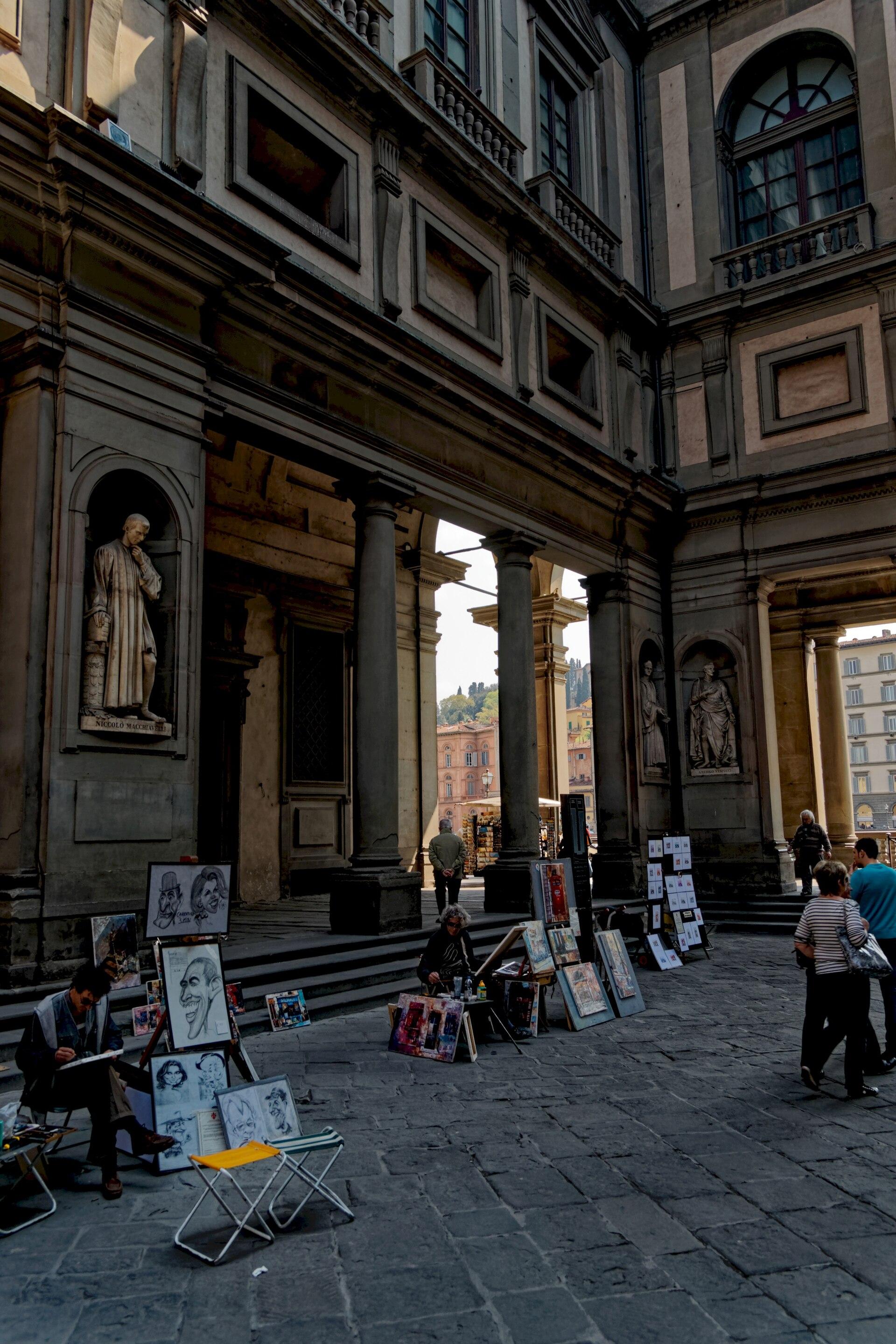
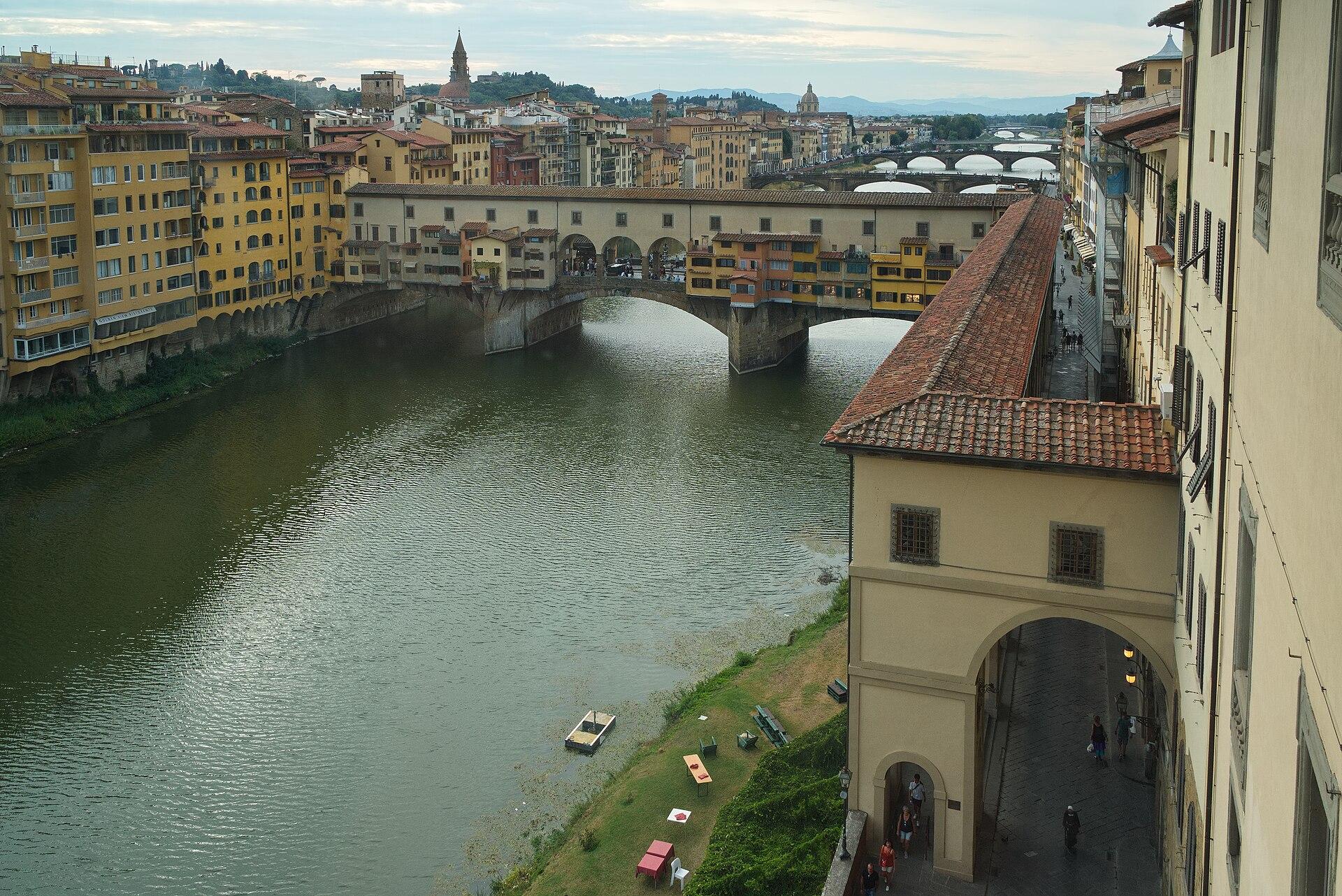
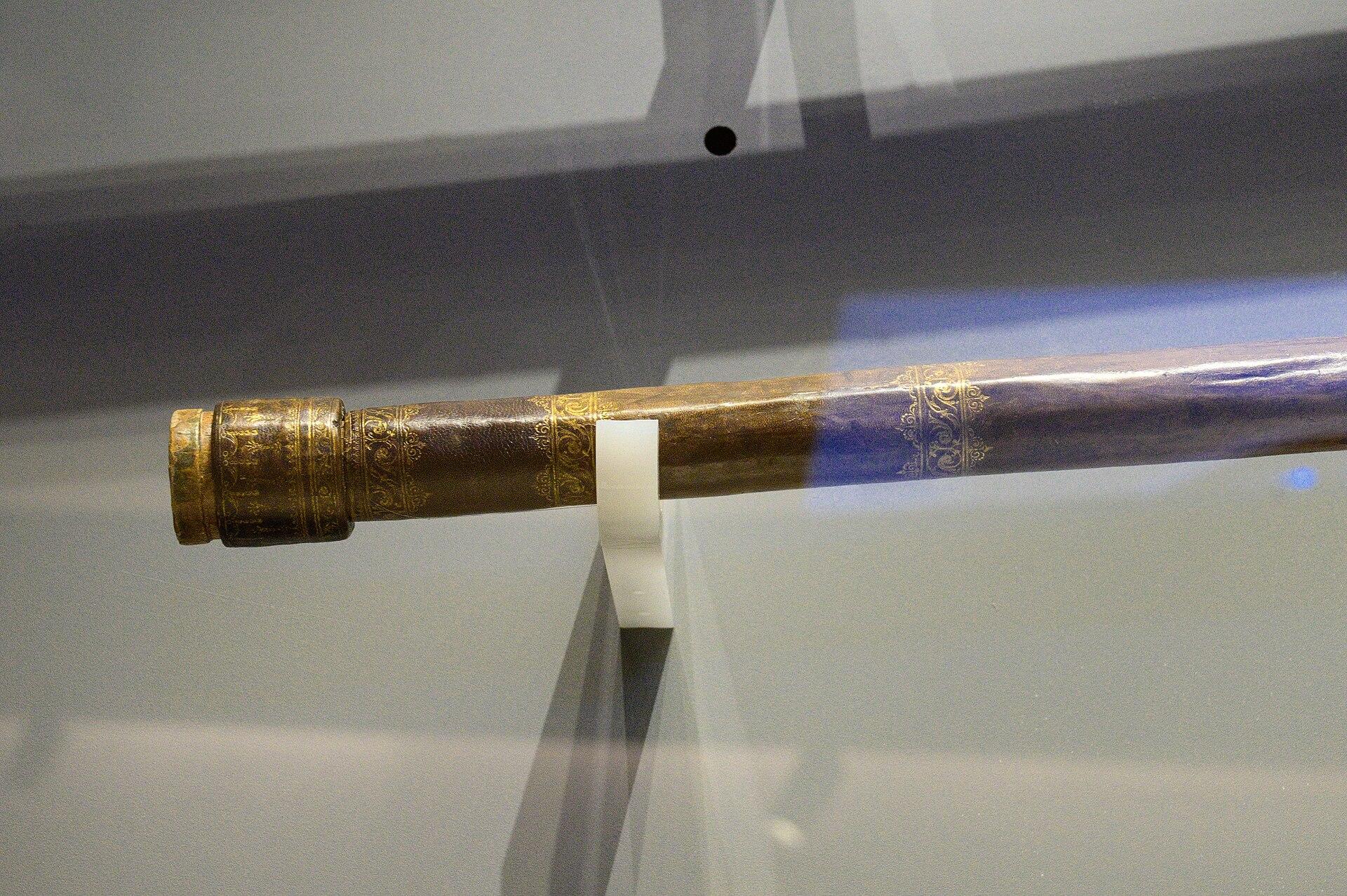
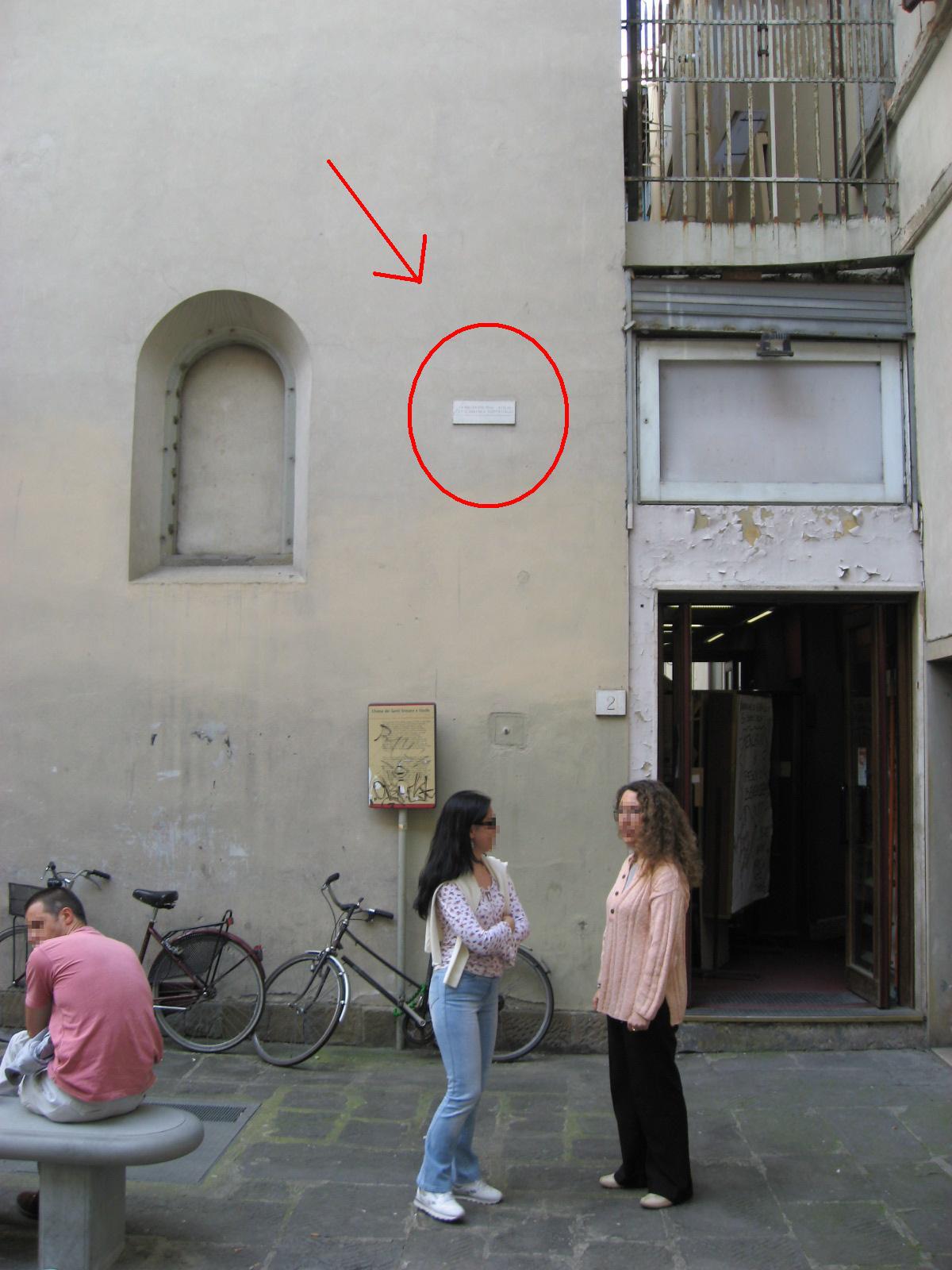
Here by the river stand the instruments that measured the heavens centuries ago, and a few metres further along you'll find the mark showing how high the water rose. Those two side by side sum up the lesson of : measuring only helps if you act on what you find.
Upstream there are now dams that can hold back water during heavy rain, and all along the Arno monitoring stations relay the river's level, so the city knows hours in advance what's coming. That's no guarantee of safety, because the basin stays steep and short, and the climate forecasts make violent downpours more likely than ever.
The other thing that lasted is expertise. The methods the restorers improvised here under pressure, from drying to filling in missing paint, grew into training programmes that draw people from all over the world. That story carries on in our walk through .
Every year on 4 November the city remembers that night, and on the fiftieth anniversary the finally received open thanks for what they had come to do as twenty-somethings.
This was the last stop, and thank you for retracing this night with us. If you want to keep going, there's our route through Oltrarno past the workshops, or the one that follows the city's icons. The Ponte alle Grazie where you began lies five minutes east along the embankment.
Sources. Story: Autorità di bacino distrettuale dell'Appennino Settentrionale (sistema di monitoraggio e invasi sull'Arno); Opificio delle Pietre Dure, Firenze (scuola di restauro dopo il 1966) Photos: Telescope of Galileo Galilei, Museo Galileo, Florence, via Wikimedia Commons, photo Zde, CC BY-SA 4.0