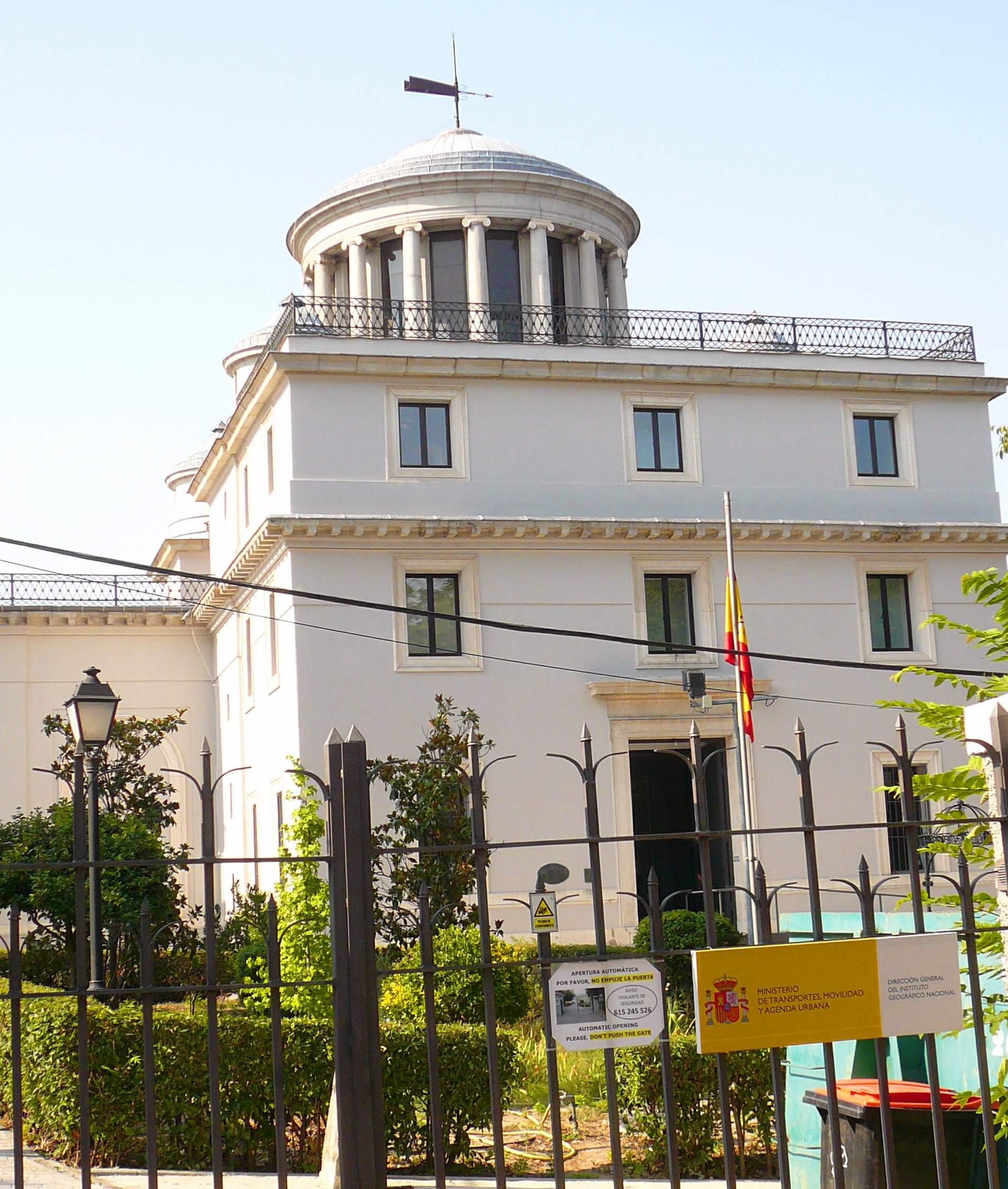
When Napoleon's troops took this hill in 1808 and turned it into a gunpowder store, there was an eight metre telescope up here, built by and bought by the observatory not long before. The soldiers made short work of it, turning it into firewood and metal for ammunition.
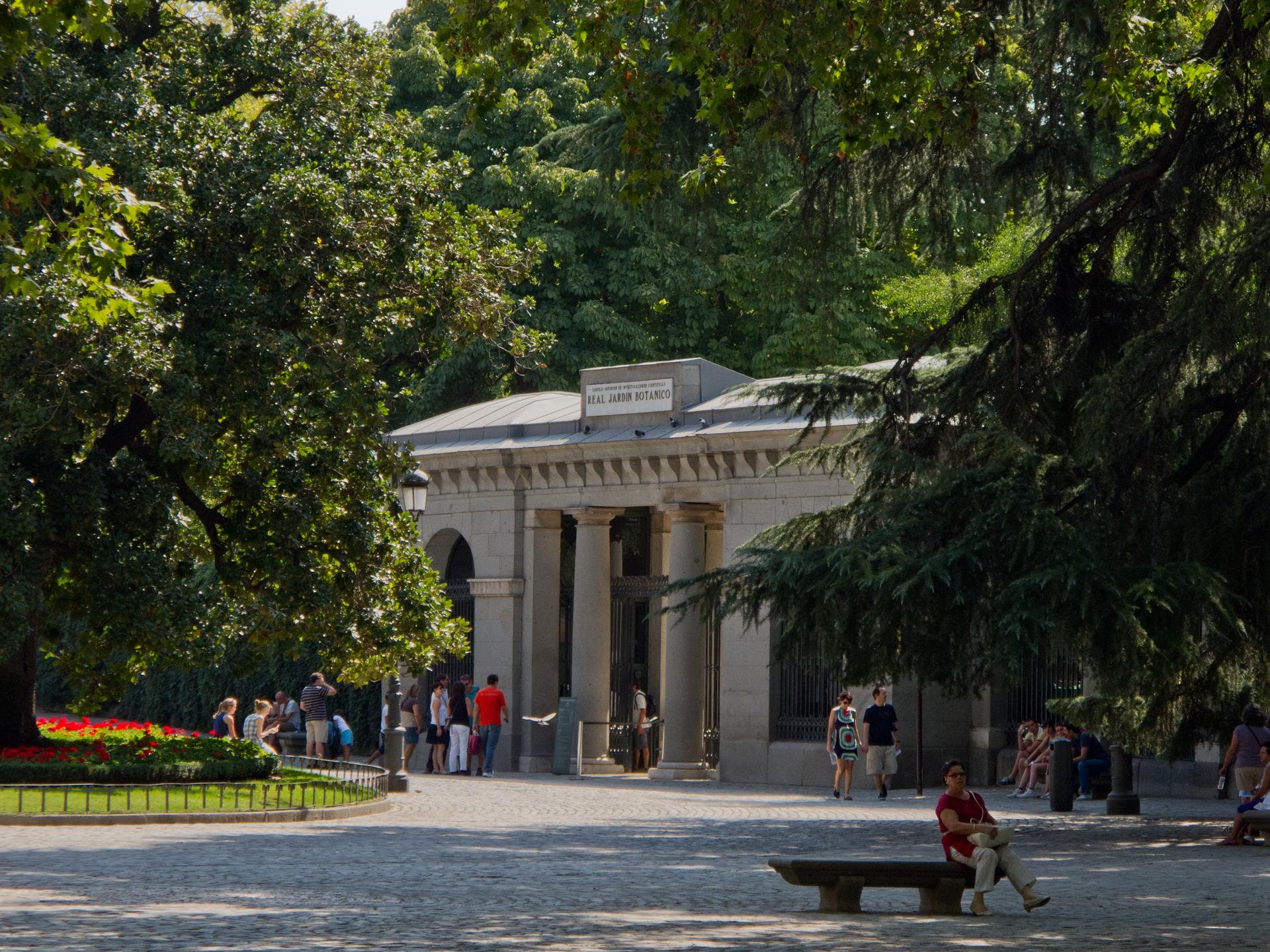
The building you see is the work of , the same architect who drew up the next door and the gate of the botanical garden. The first stone went into the ground in 1790, which means it was barely finished when the war broke out. What happened in the city during those days is the subject of our walk about .
With this, the circle of is complete, an observatory for the sky, a botanical garden for the earth, and a cabinet for the sciences, all three within a few hundred metres of each other and all three by the same architect. The idea came from the navigator , who felt Madrid couldn't fall behind Paris and Greenwich. And so this walk ends on the hill where the highest part of that plan came to rest.
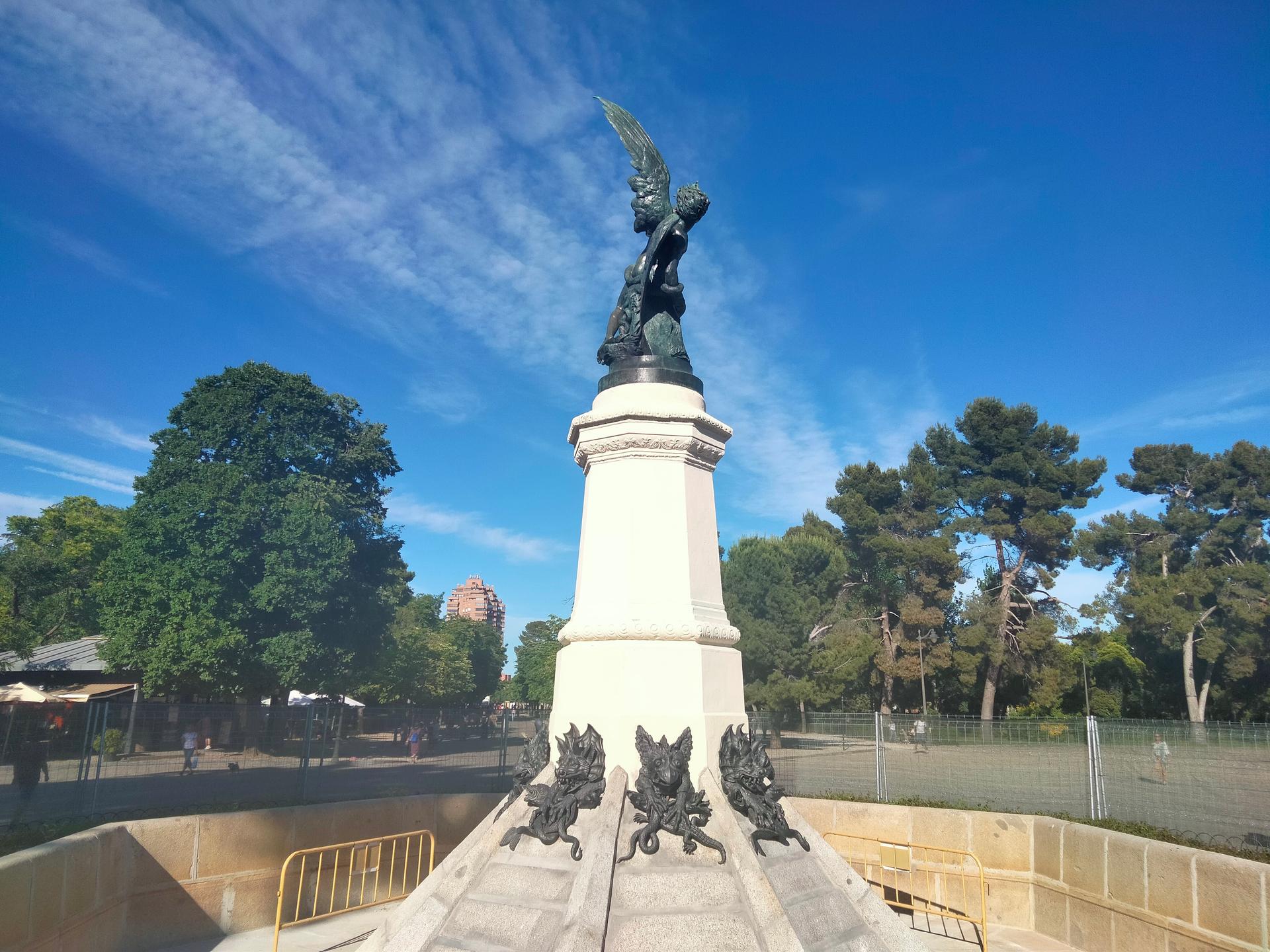
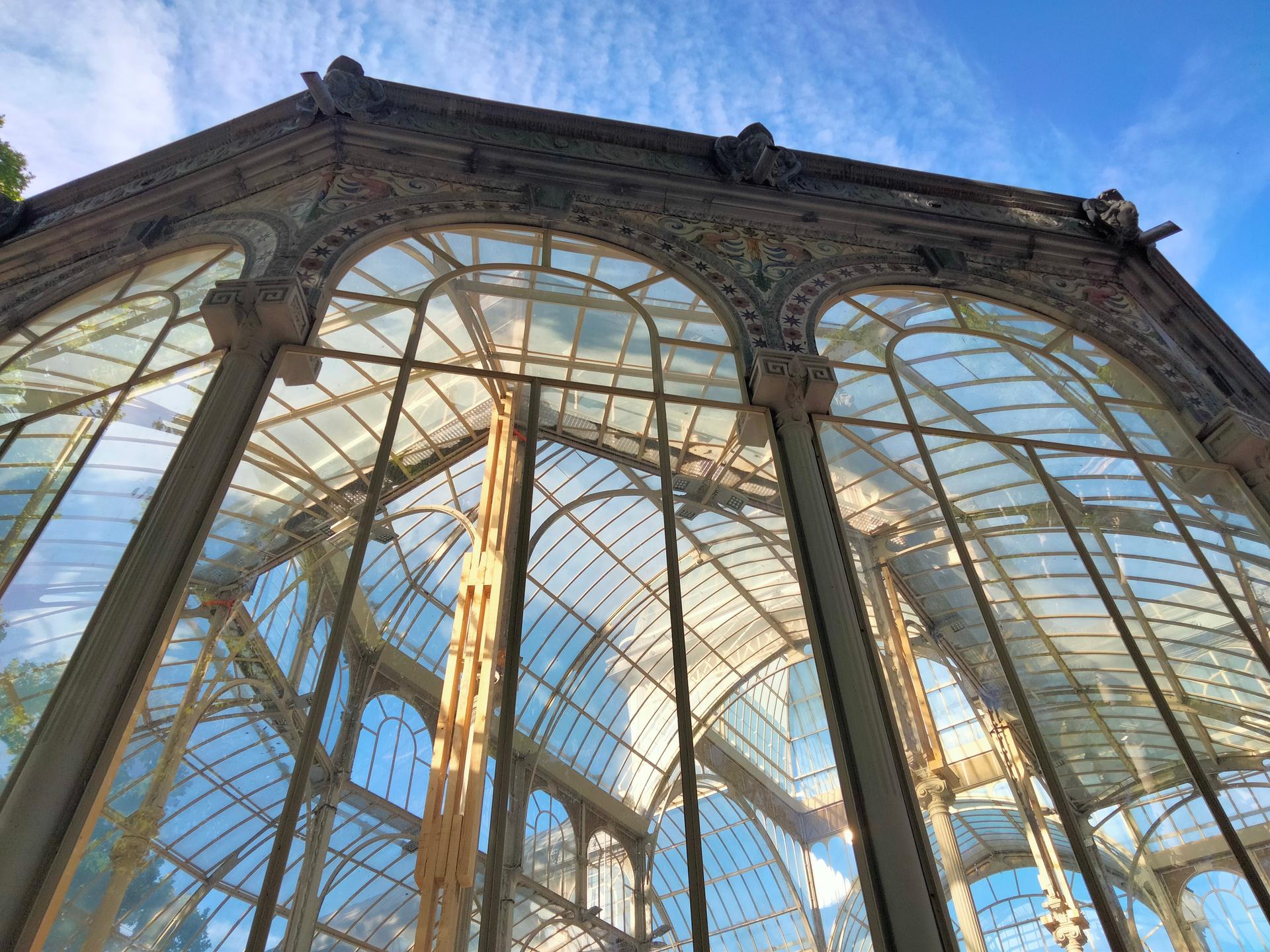
Behind you lies , the park where that same century carries on, and which has a walk of ours running right through it, past a glass palace, the oldest tree in the city, and a statue of the devil.
Metro Atocha is five hundred metres to the south, and metro Retiro a similar distance to the north along the Calle de Alfonso XII.
Sources. Story: Real Observatorio de Madrid, Instituto Geográfico Nacional, history of the observatory; Hispanopedia, Real Observatorio de Madrid. Photos: Photo of the Real Observatorio: Zarateman, CC0 via Wikimedia Commons.