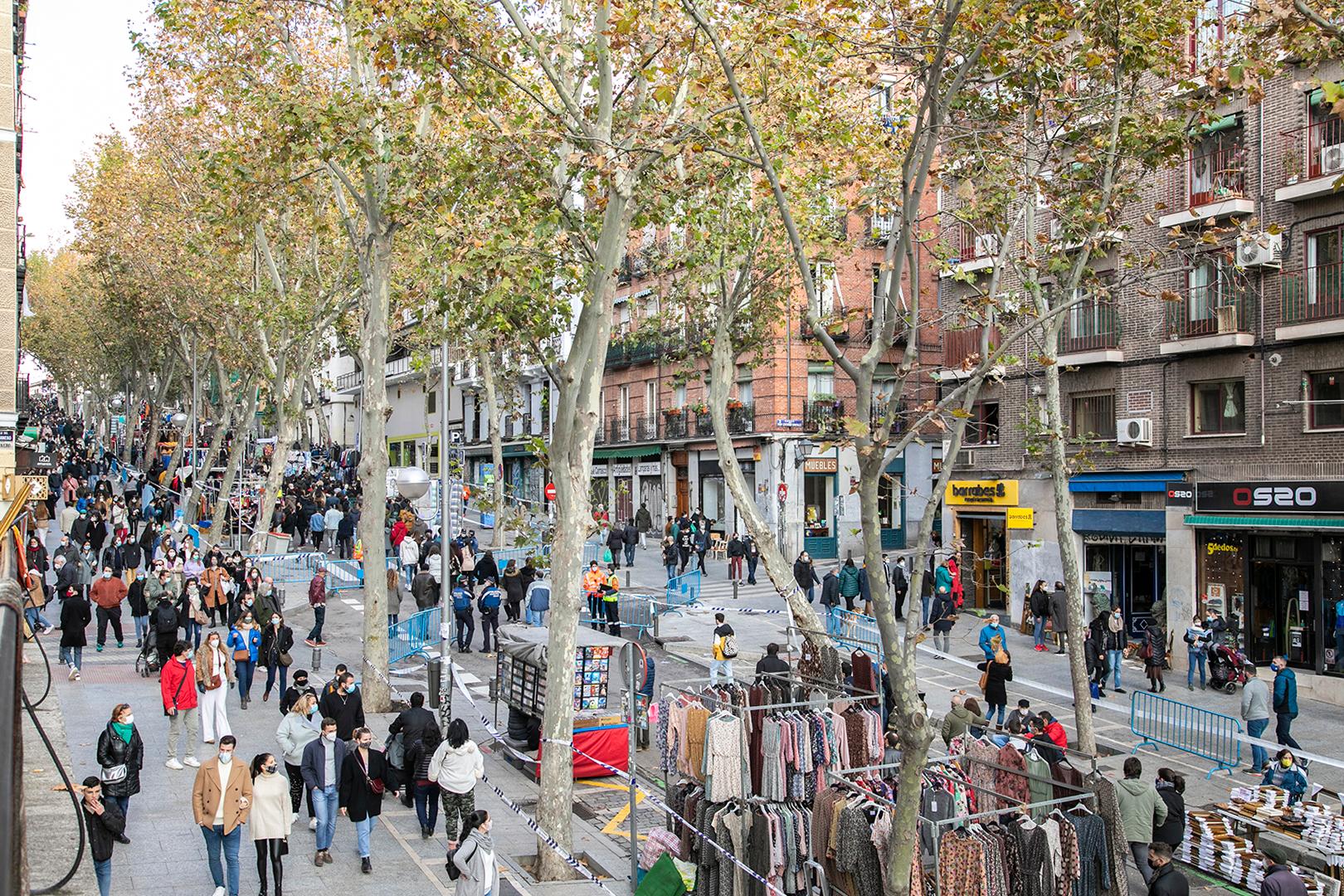
The wide street running downhill here is named after the tanners who kept their workshops along it, because this slope held the city's slaughterhouse, and everything that came off it ran down on its own towards the valley of the .
That same trail lives on in the name of the market held here every Sunday, because a is a drag mark, which is exactly what ran down this street when the carcasses from the slaughterhouse were hauled to the tanneries. The tanners needed water, the stench came with the trade, and nobody wanted them in the centre, so they ended up on the edge of town, just like the butchers and later the factories.
On Sunday mornings the street vanishes beneath the stalls and gets so packed that the crowd carries you along. The rest of the week you see the little shops that stay here all year round, selling furniture, prints and parts of things you won't find anywhere else.
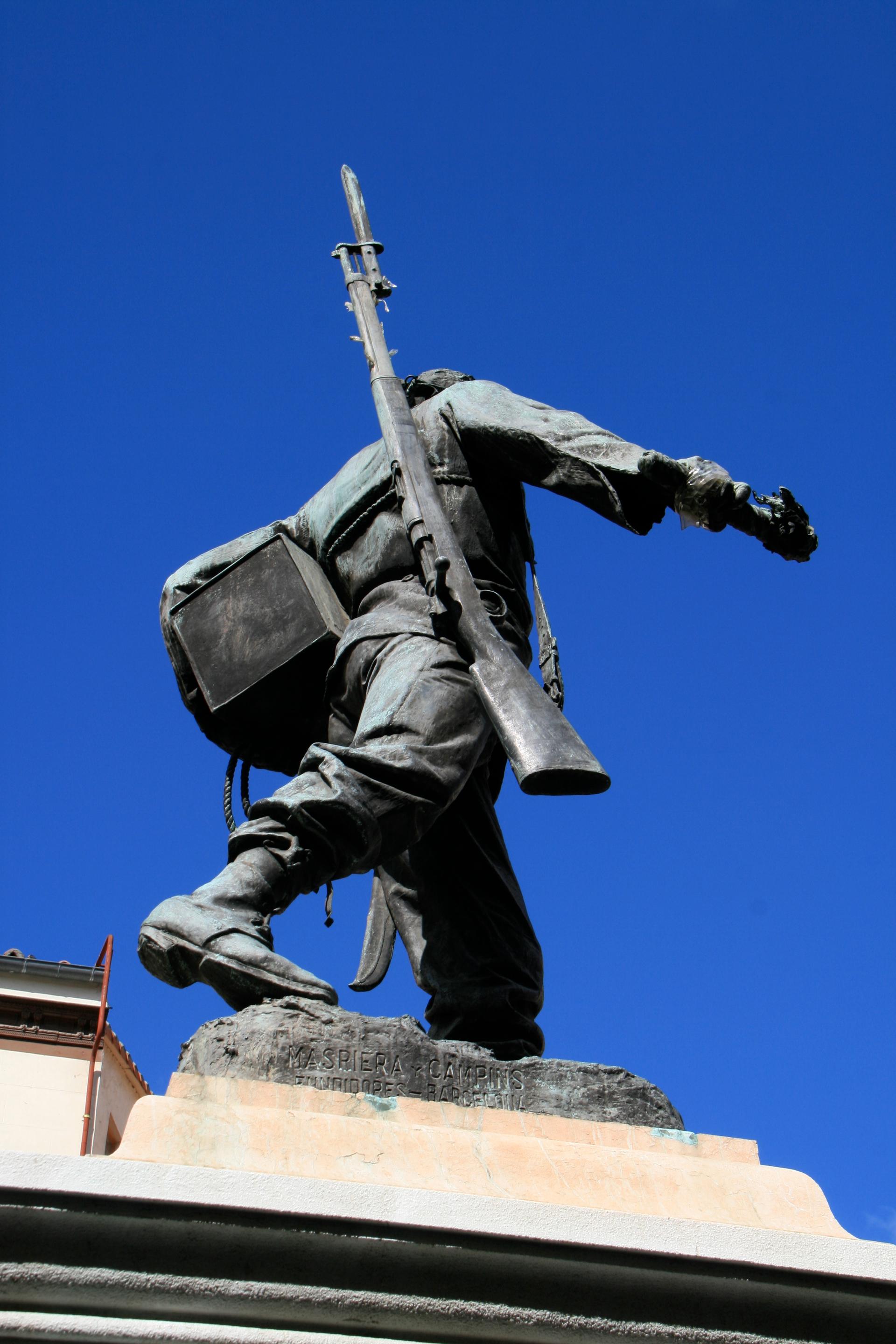
As we climb back up the Ribera de Curtidores, we come out onto a small triangular square with a statue.
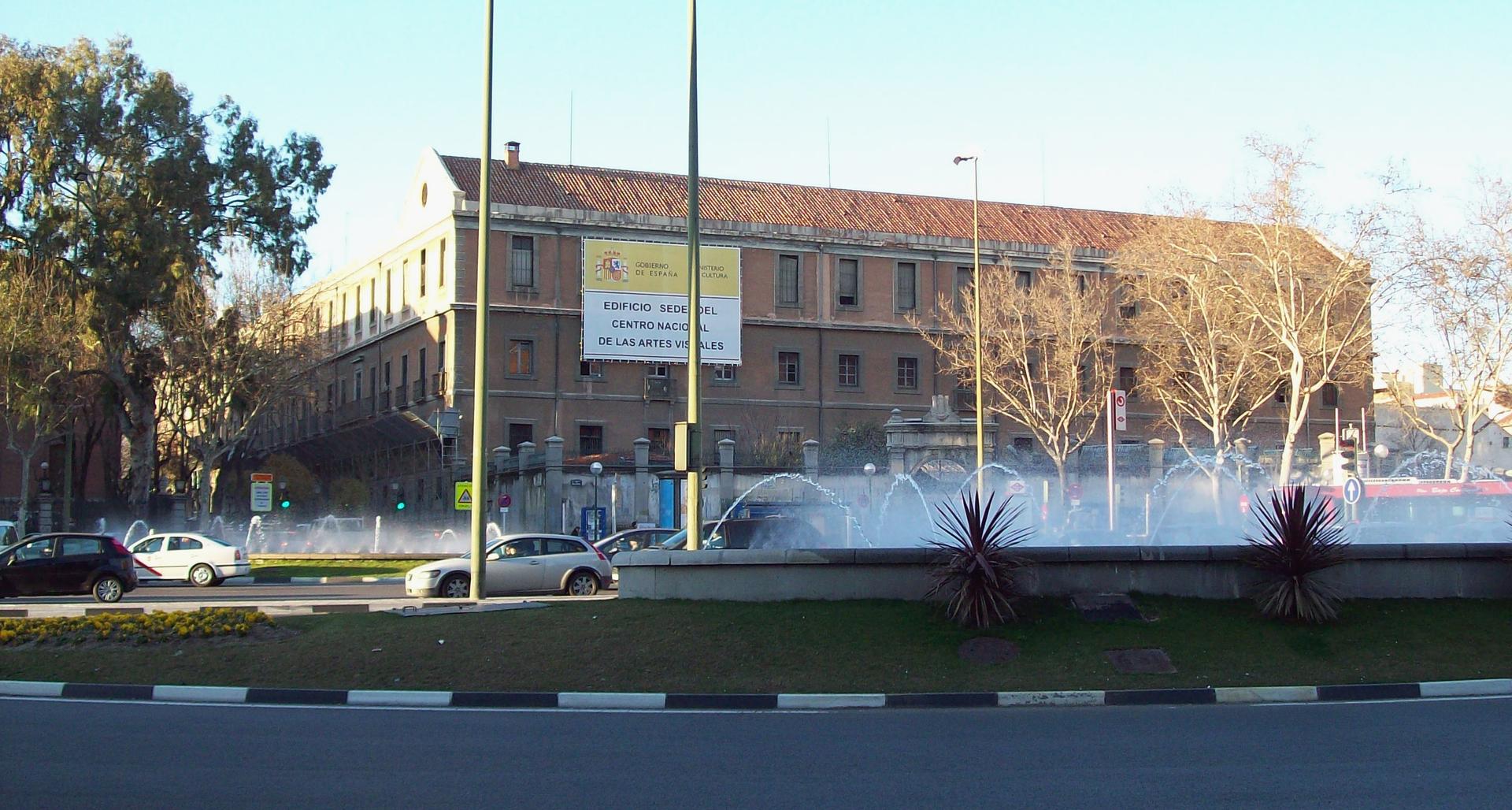
Sources. Story: Hispanopedia, El Rastro en Ribera de Curtidores; Ayuntamiento de Madrid, esMadrid, El Rastro. Photos: Photo of the Ribera de Curtidores: Manuel Onieva, CC BY-SA 4.0 via Wikimedia Commons. Francisco Sancha, El Rastro de Madrid, in La Esfera of 24 February 1923, public domain via Wikimedia Commons.