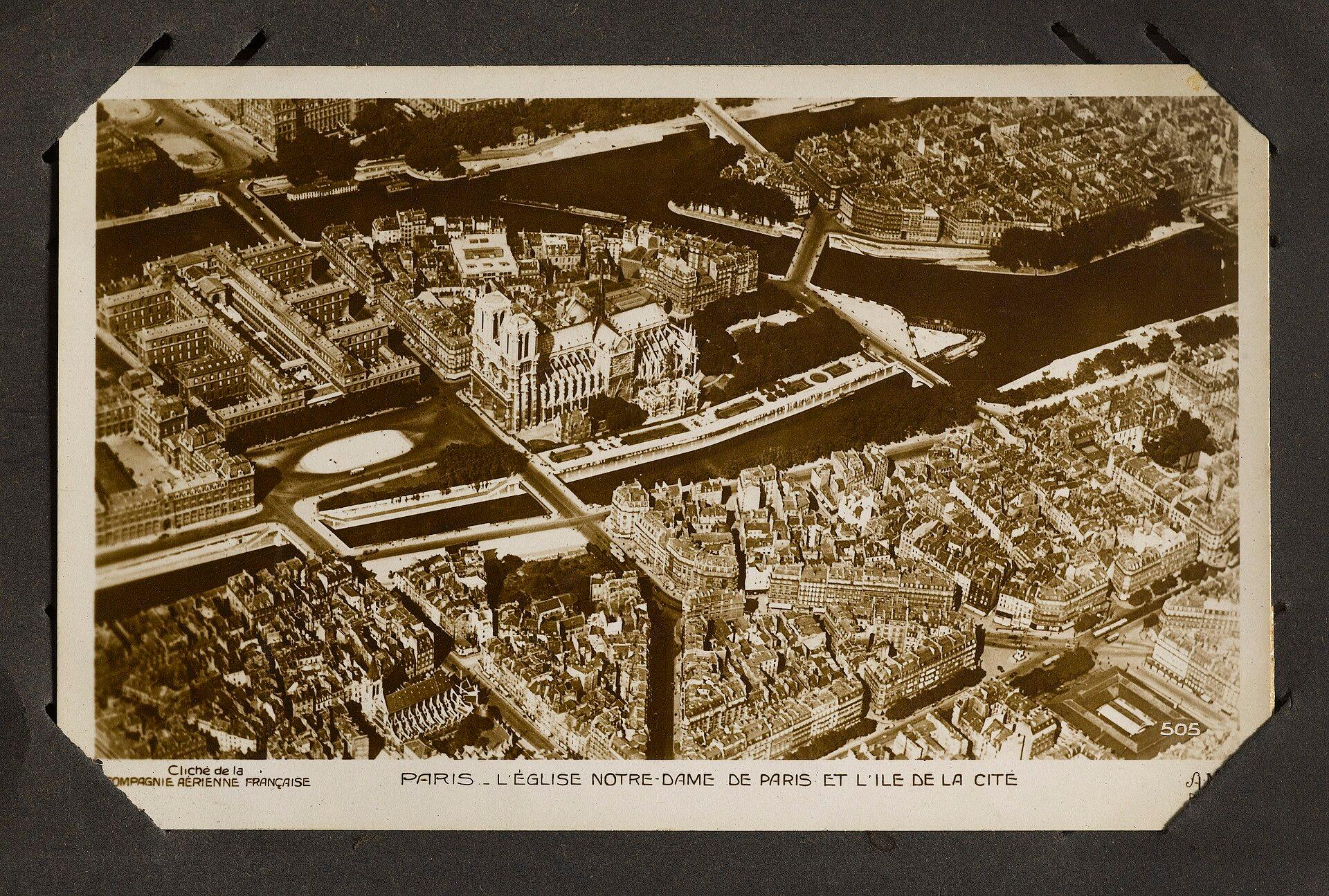
Behind this gate lies the longest unbroken story of power in all of France. This was where the house of the Roman governor once stood, then the palace of the and kings, and anyone who ruled Paris in the Middle Ages did so from this corner of the island.
Around 1300, turned it into the showpiece of Europe. His Grand-Salle was the largest civic Gothic hall on the continent, nearly seventy metres long, with the kings of France carved in stone along the walls and a table of black marble where the king received his guests. One night in March 1618 that hall burned down, marble and all, though a piece of it still lies in the cellars.
The old towers still stand along the quay. The roundest of them is called the Tour Bonbec, good beak, a name that comes from the room inside where the rack once stood: whoever had suffered enough in there started to sing.
In 1358, during the uprising led by , the merchant who challenged the crown, the people of Paris stormed the palace and killed two royal counsellors in front of the young heir to the throne. He left and never lived here again, and ever since this building has belonged to the lawyers. The prison beneath it, the , was the final stop of , and that story belongs to our walk about the Revolution.
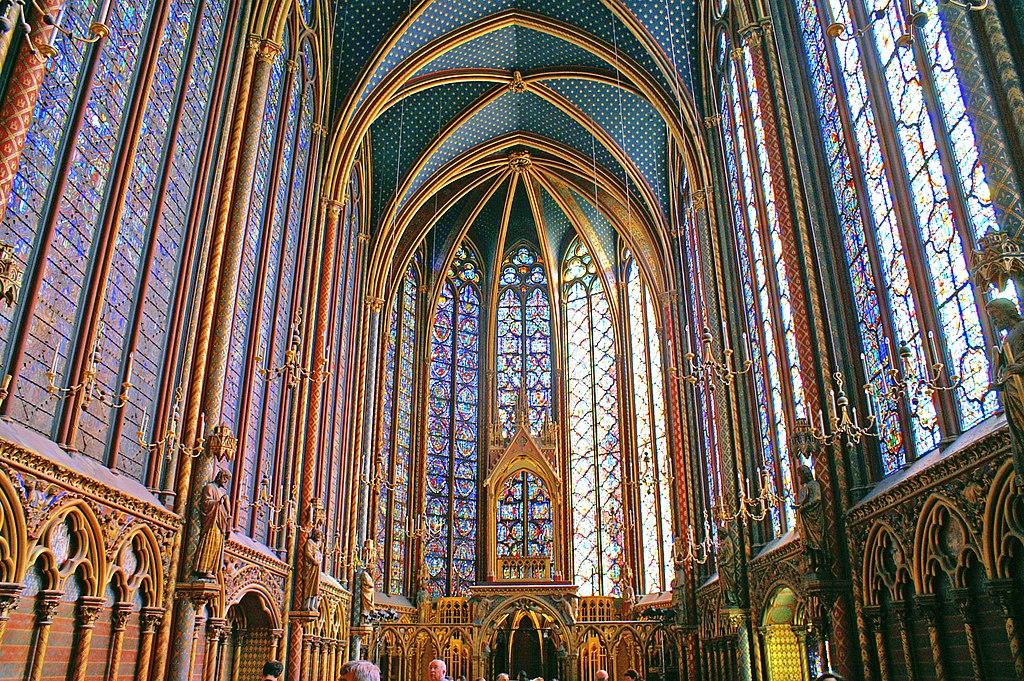
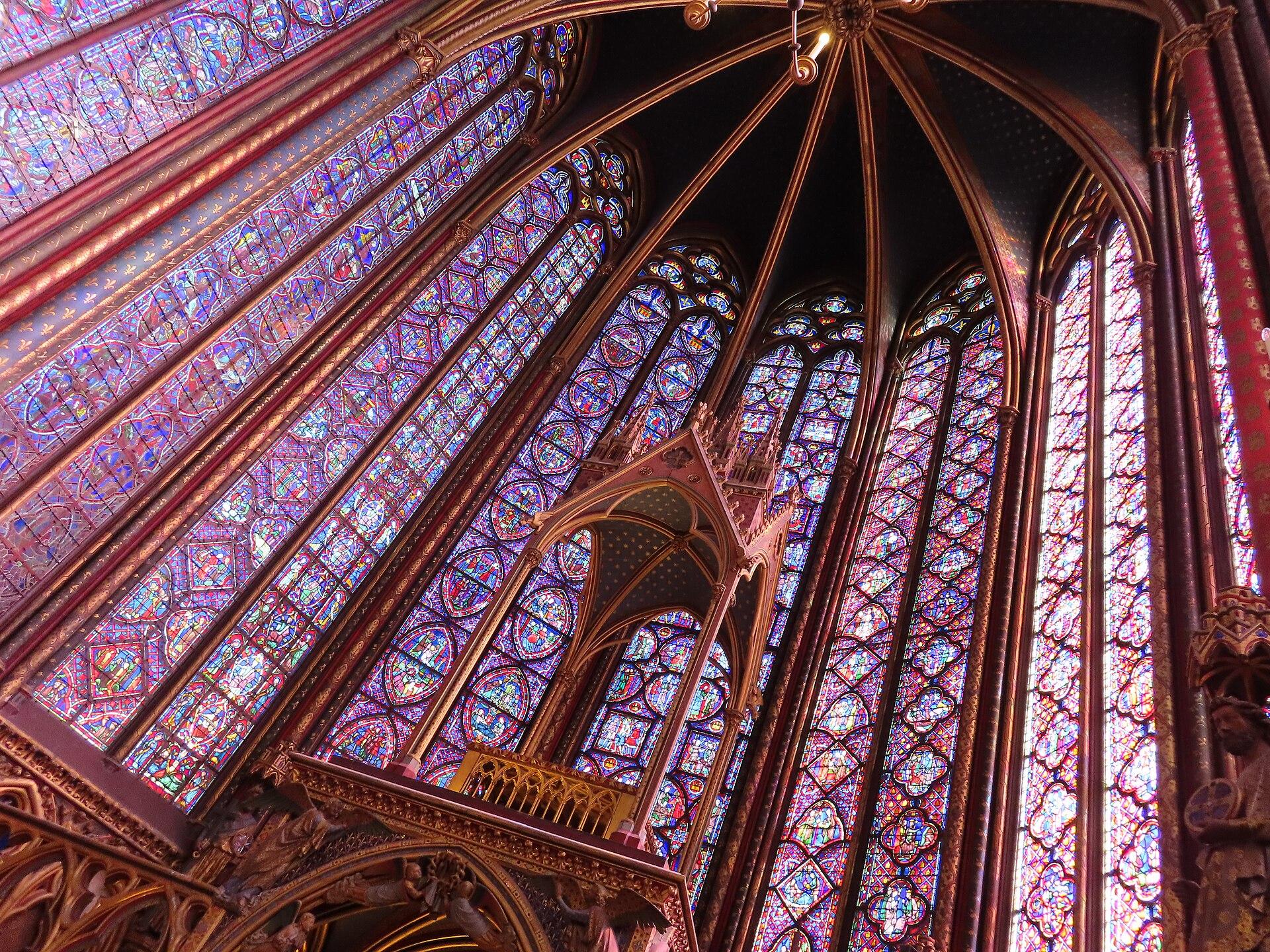
Through the gate and past security we reach the chapel, tucked away among the offices.
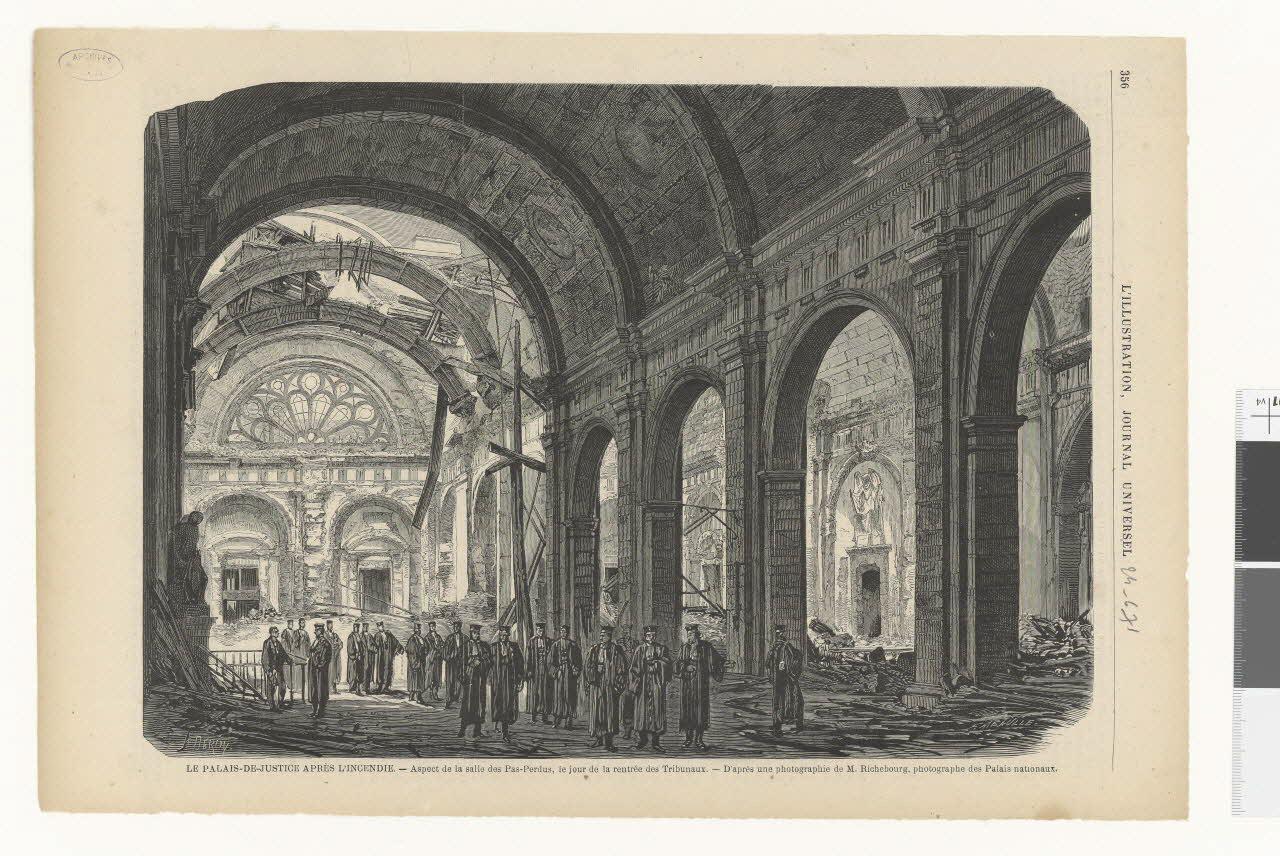
Sources. Story: Centre des monuments nationaux, Conciergerie et palais de la Cité; Ville de Paris, patrimoine; Musée Carnavalet, Histoire de Paris Photos: Le palais de Justice après l'incendie, print from 1871, collection Archives nationales (public domain), via Wikimedia Commons