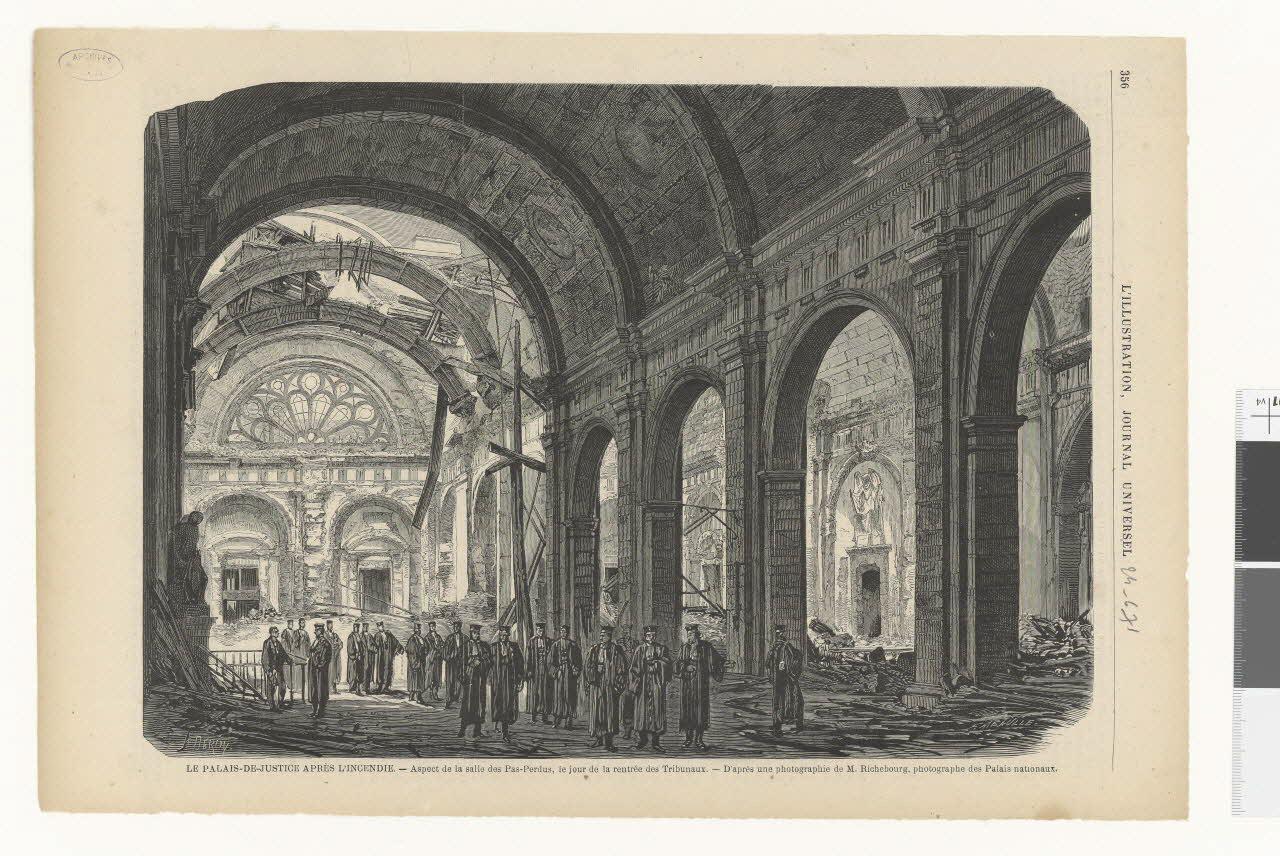
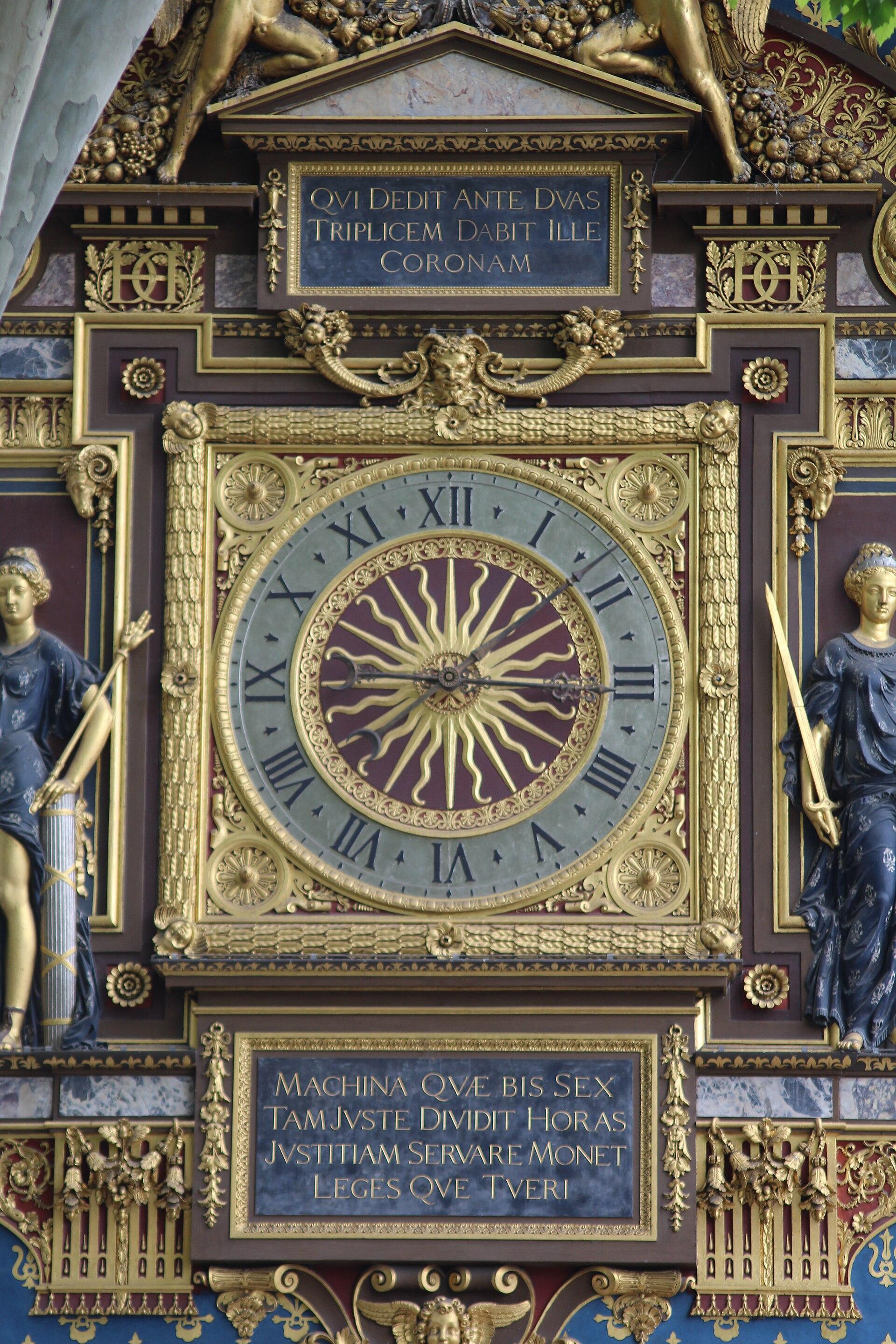
The four towers along the quay belong to the oldest royal palace in Paris, and when the kings moved to the Louvre the building stayed behind as a courthouse and a prison. During the sat upstairs, and anyone who was convicted went straight down, to where the carts stood waiting. Of the twelve hundred or so prisoners who ended up here in the space of eighteen months, most went to the scaffold within a few days.
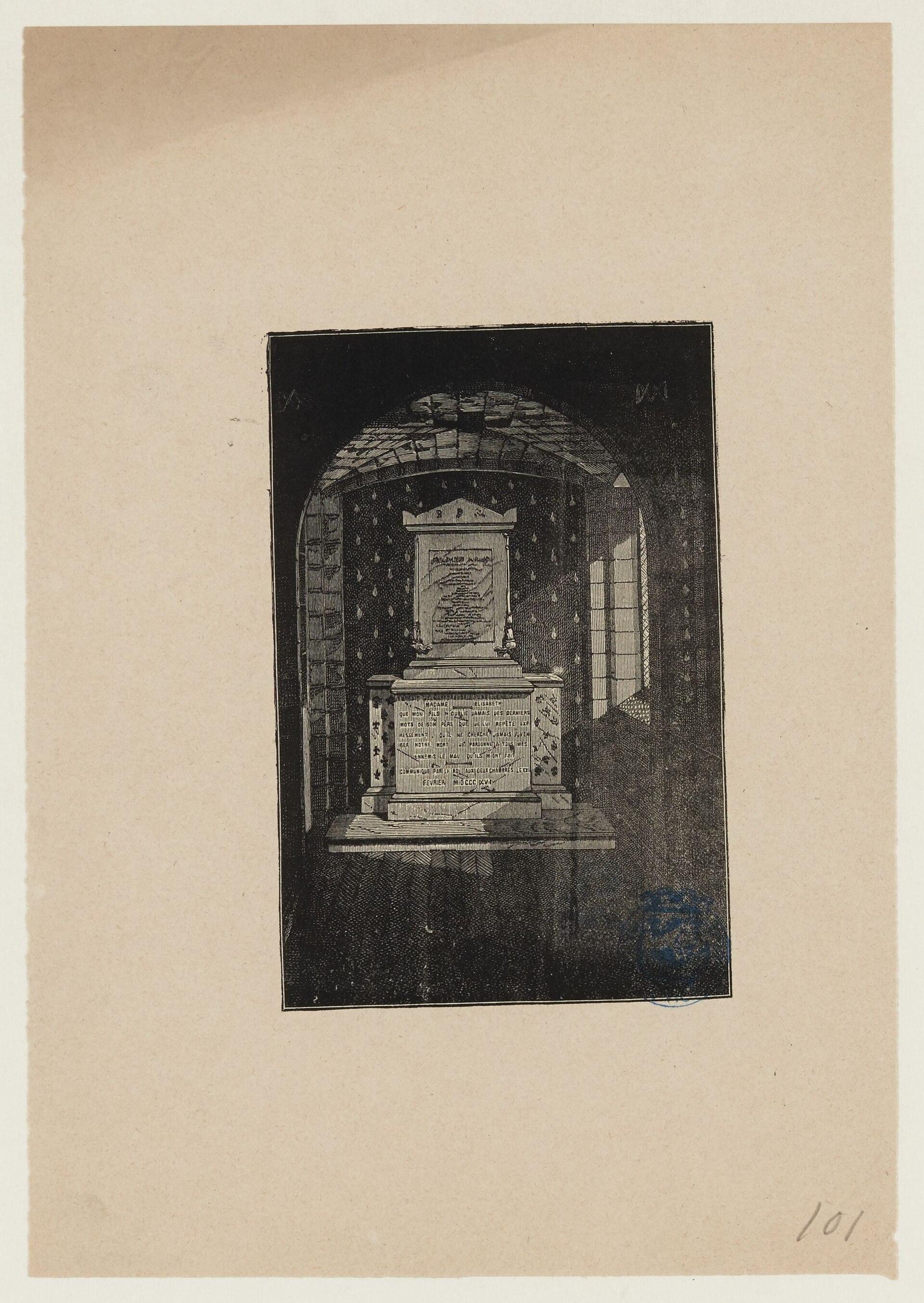
spent her last seventy-seven days here, in a cell with a screen behind which two guards watched day and night. On the morning of her execution she wrote her last letter, to her sister-in-law, and it never arrived, because the guard handed it to , among whose papers it was found after his own death.
Inside you can see the gothic halls and a reconstruction of her cell, for which you need a ticket. The name Conciergerie comes from the concierge, the steward who ran the palace once the king had left, and who among his other duties was given charge of the prison as well.
We keep following the quay westward, as far as the bridge with the equestrian statue.
Sources. Story: Centre des monuments nationaux, la Conciergerie; Archives nationales, France; Musée Carnavalet Photos: Visite à la Conciergerie, le cachot de Marie-Antoinette, Musée Carnavalet, Paris Musées (CC0), via Wikimedia Commons