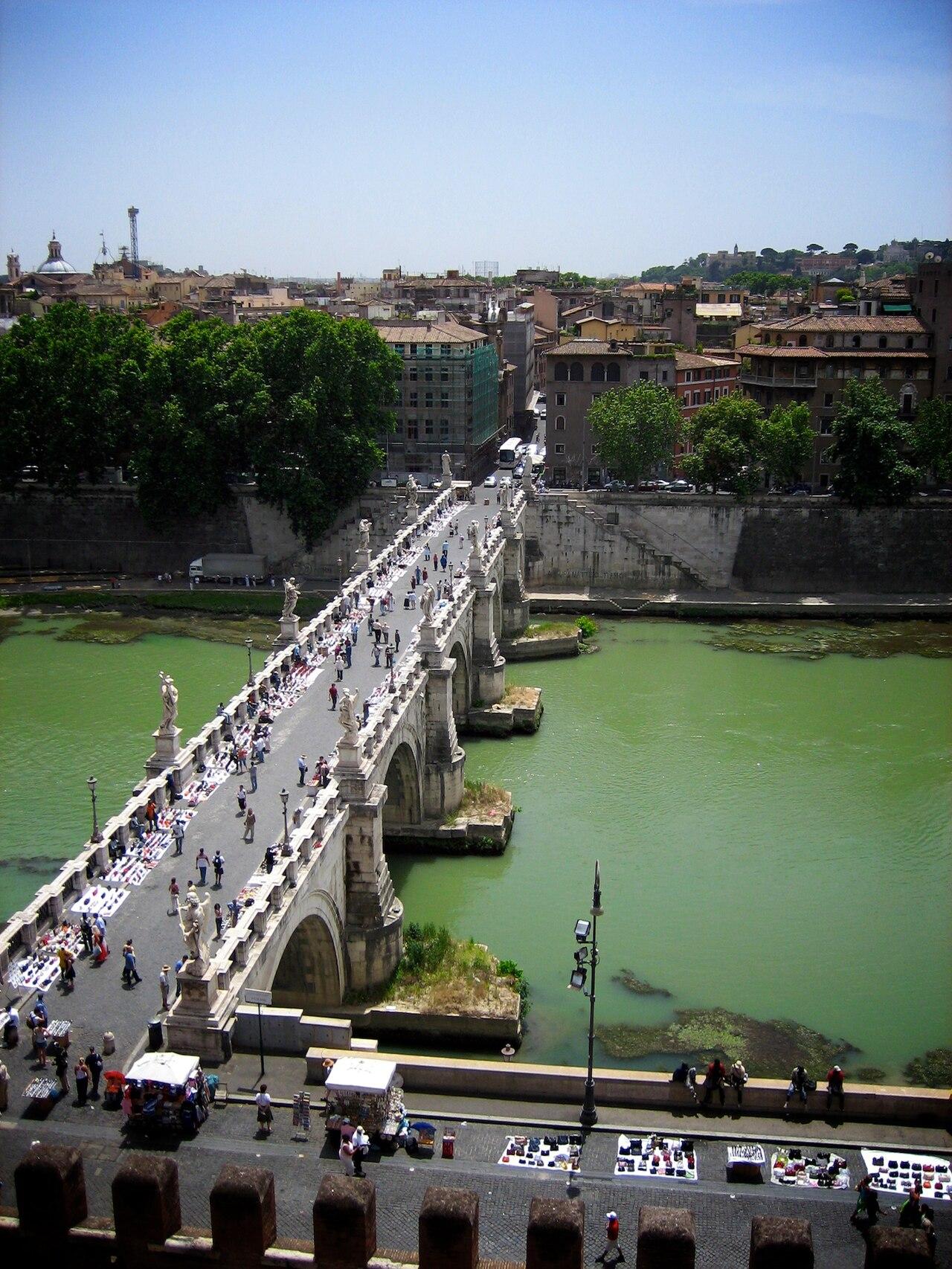
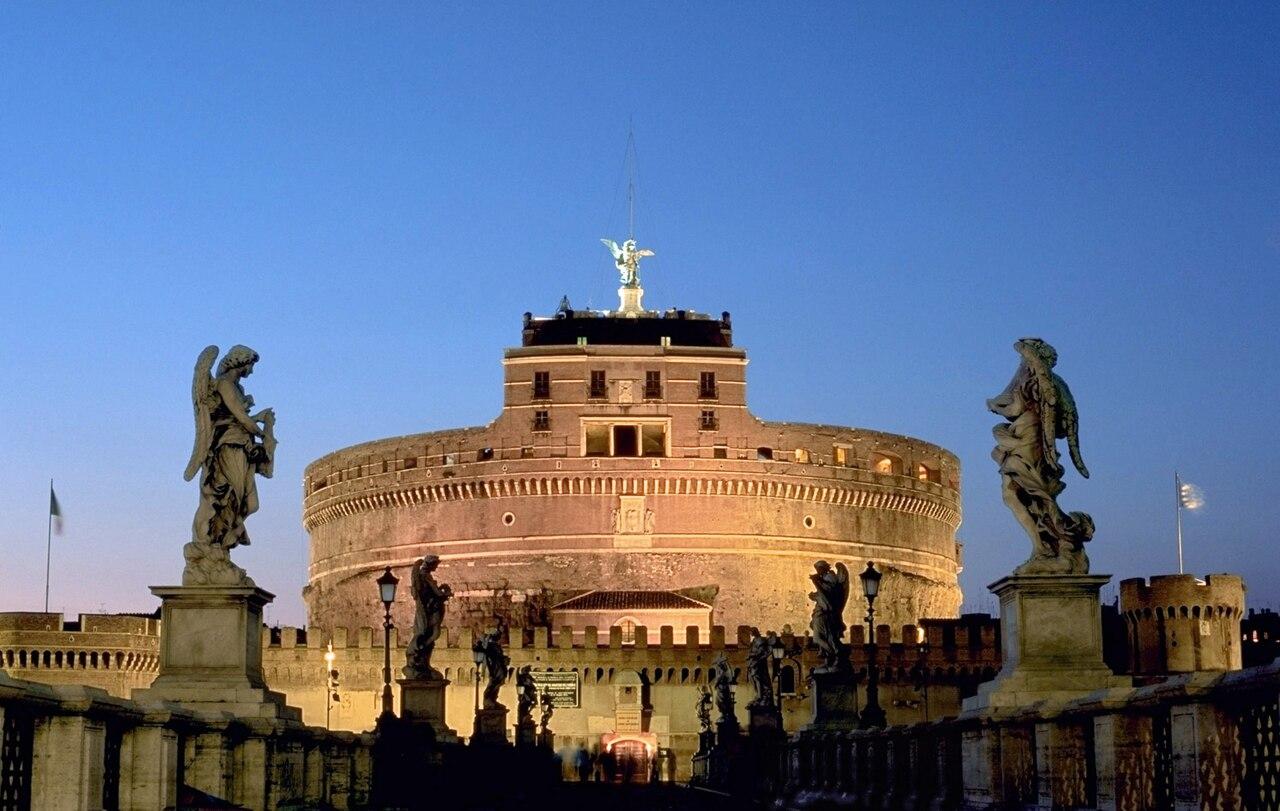
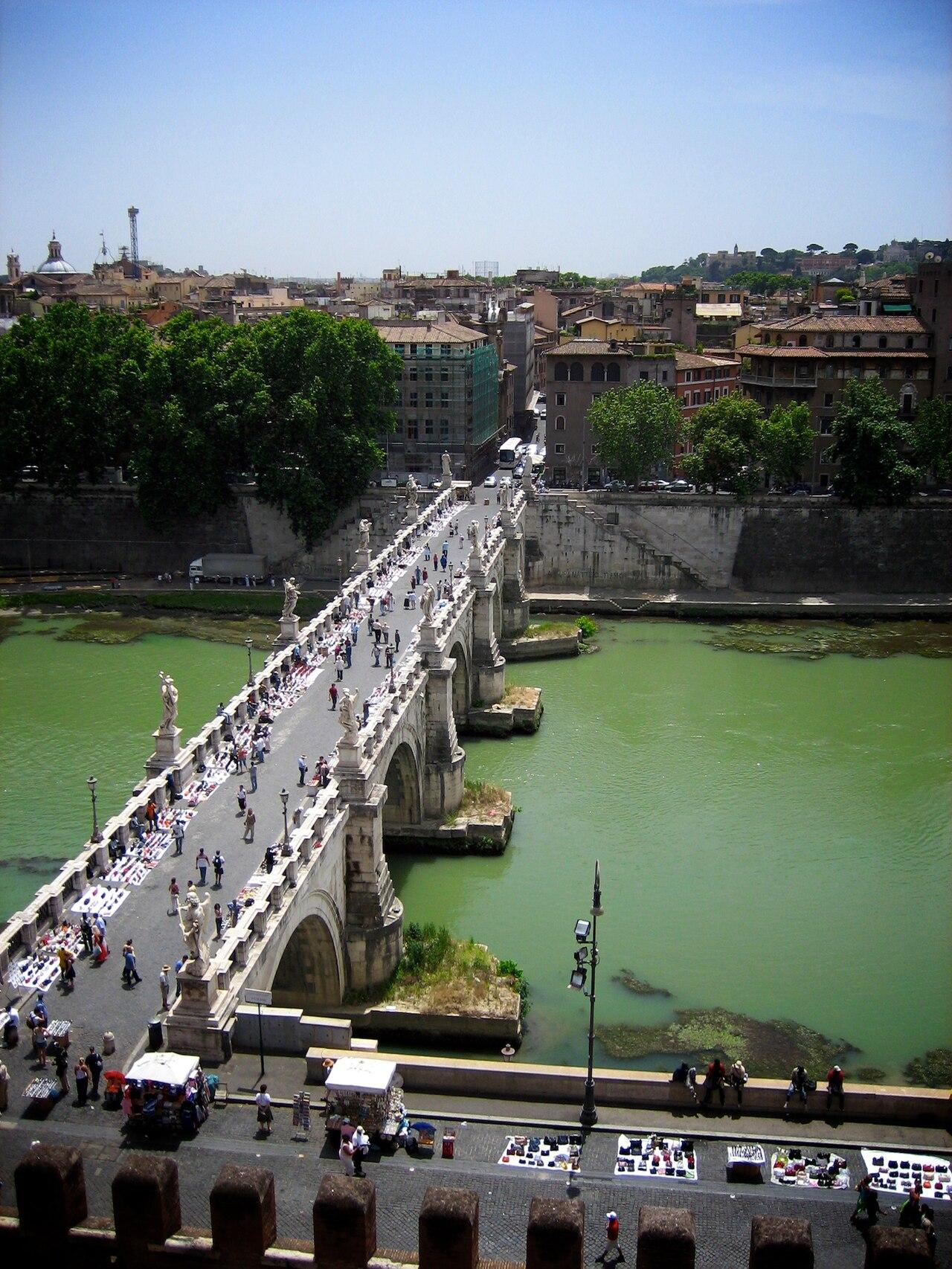
This bridge leading to the Castel Sant'Angelo is 's last great work in the city, and with it our walk along the river comes to an end.
In 1667 asked him to make the crossing more beautiful, and Bernini designed ten angels, each carrying an instrument of the crucifixion: the crown of thorns, the whip, the nails, the cross. They stand in a row, so that a pilgrim walking towards St Peter's would pass the story of the Passion step by step.
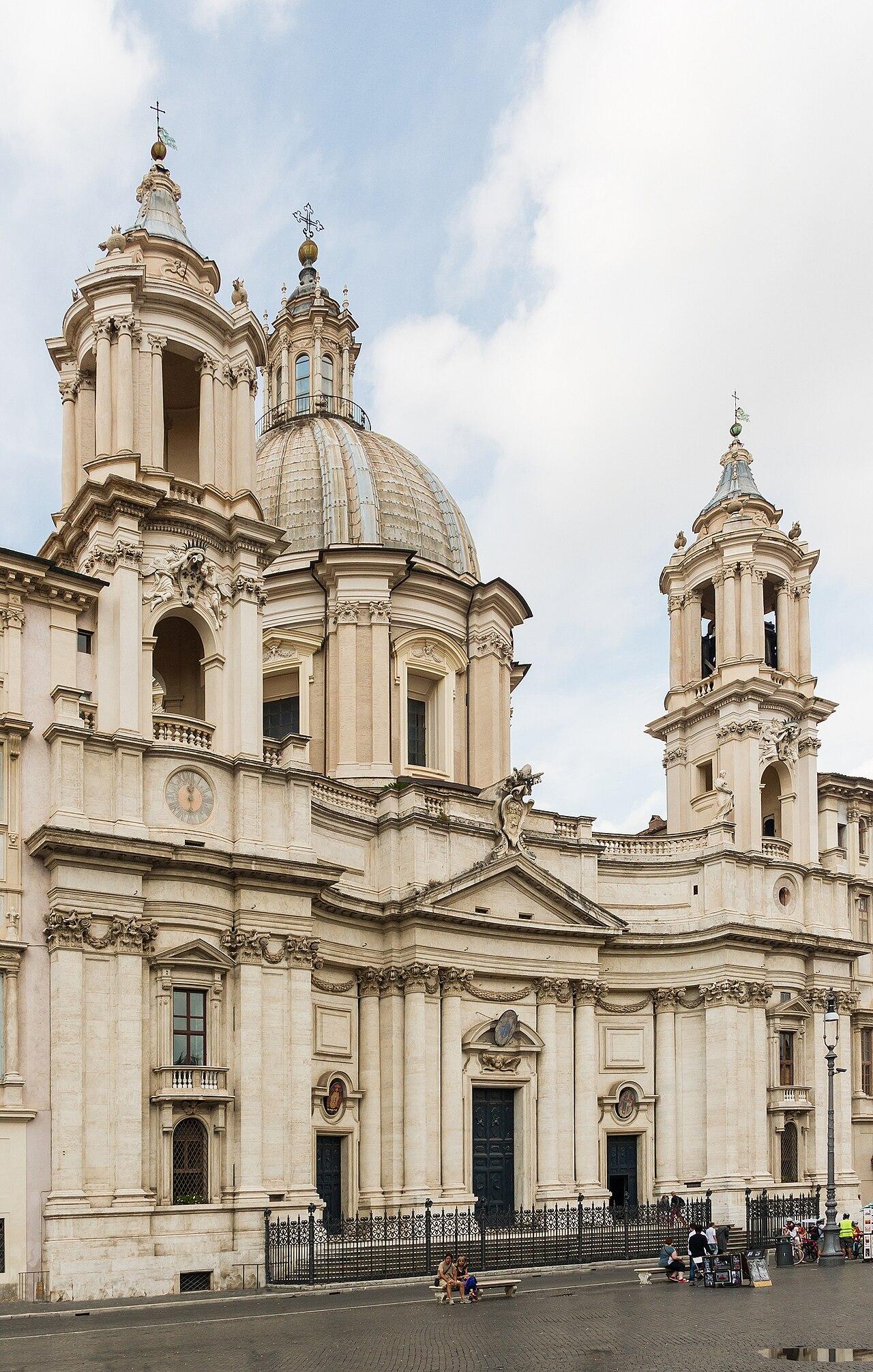
Two of them he carved with his own hands, and those turned out to be too beautiful to leave standing outside. Since the seventeenth century they have stood in , a church close to the square where you started this morning, and the ones on the bridge are copies.
The castle behind it began as the mausoleum of the emperor , and then became a fortress, a prison and a place of refuge for the popes, linked to the Vatican by a wall with a passageway running through it.
Of the two men, Bernini got the last word: he grew rich and famous and lies buried in Santa Maria Maggiore, while died alone and rests under a stone with no name on it. Their buildings still stand side by side, and there the verdict is far less clear.
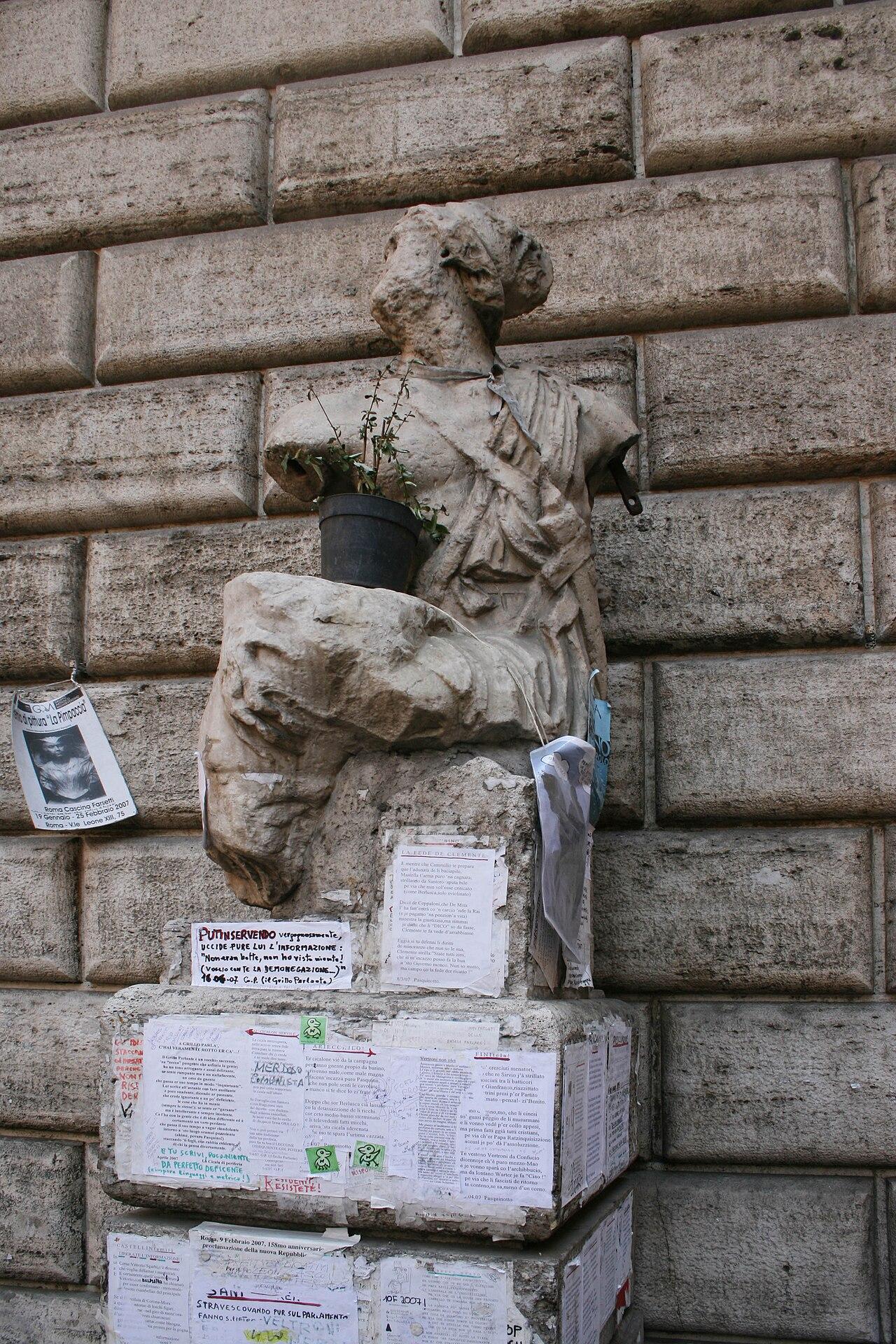
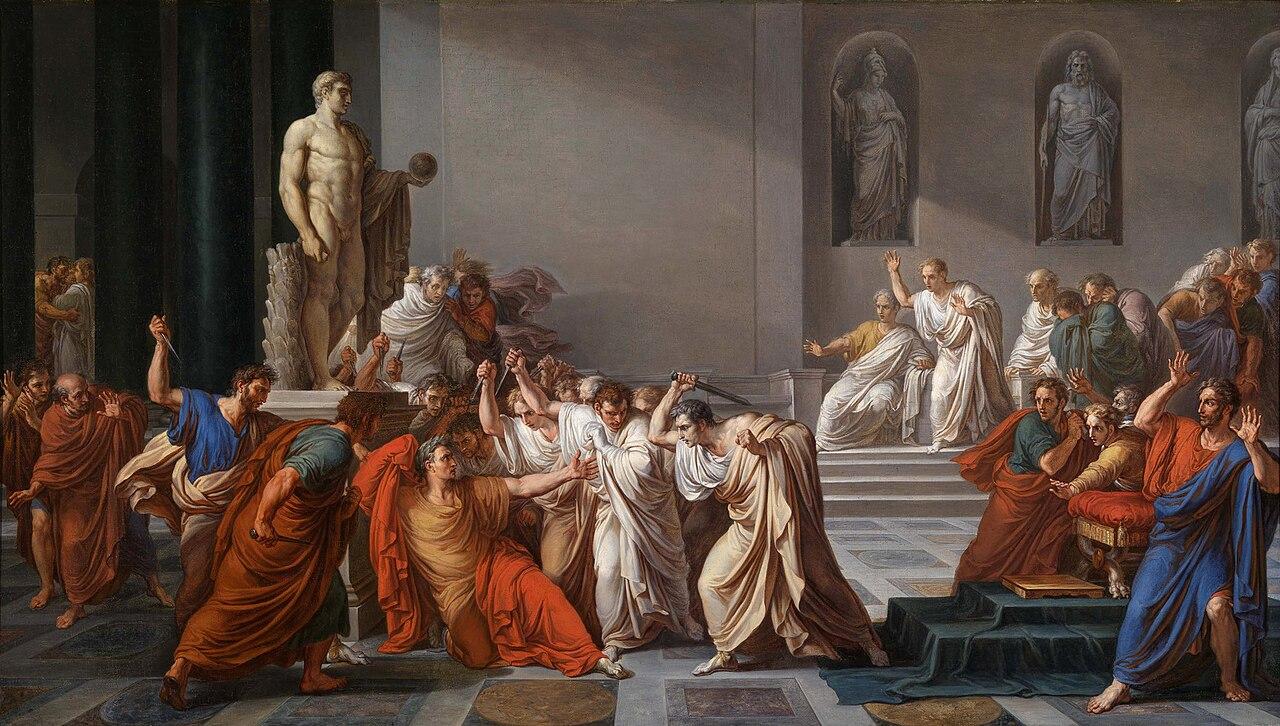
Thank you for coming along on this walk. There are more routes to find through Rome: the icons of the centre, the final hours of Julius Caesar, and the talking statues onto which Romans stuck their mockery for centuries.
From here bus 40 or 64 takes you back to the centre in ten minutes, and if you would rather walk, you can follow the Tiber back to Piazza Barberini in half an hour.
Sources. Story: Sovrintendenza Capitolina ai Beni Culturali (Ponte Sant'Angelo); Treccani (Gian Lorenzo Bernini, angeli) Photos: Photo: Gavin Gilmour (Wikimedia Commons, CC BY-SA 2.0)