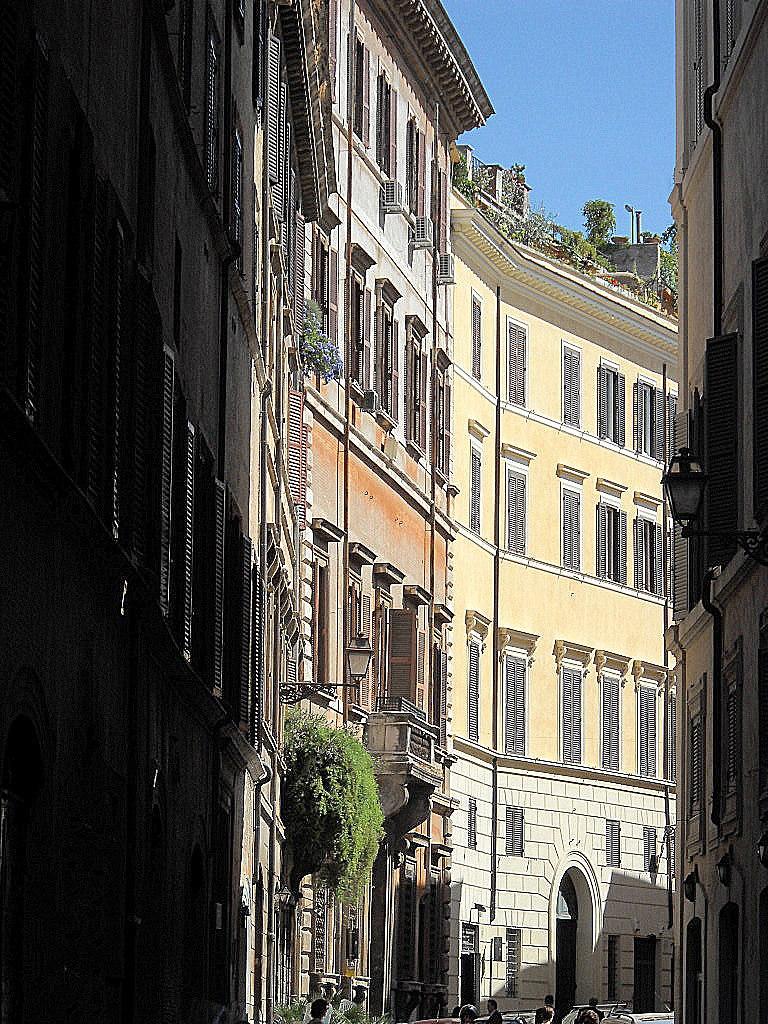
Behind this facade stood the prison where , her stepmother, and her brother waited for their trial to begin.
It all started the moment 's death began to look suspicious. The servants were rounded up, one of them died during questioning, and the family members were brought here.
The interrogations followed the rules of the day, and those rules allowed torture as a way to extract a confession. Beatrice held out for a long time before she finally confessed.
Her lawyer, , was the finest in Rome. He argued that a daughter who was abused by her father and had no path to protection whatsoever had acted in self defence, and he won over a great many Romans. Petitions were filed, noble families stirred into action, and the city waited for clemency.
gave none. A few weeks earlier, another son in Rome had killed his mother, and the pope decided that in this city needed to be made an example of. On top of that, the estate of a condemned family passed to the papal treasury, and the Cenci were wealthy.
The verdict came on 10 September 1599, and the execution was set for the following morning.
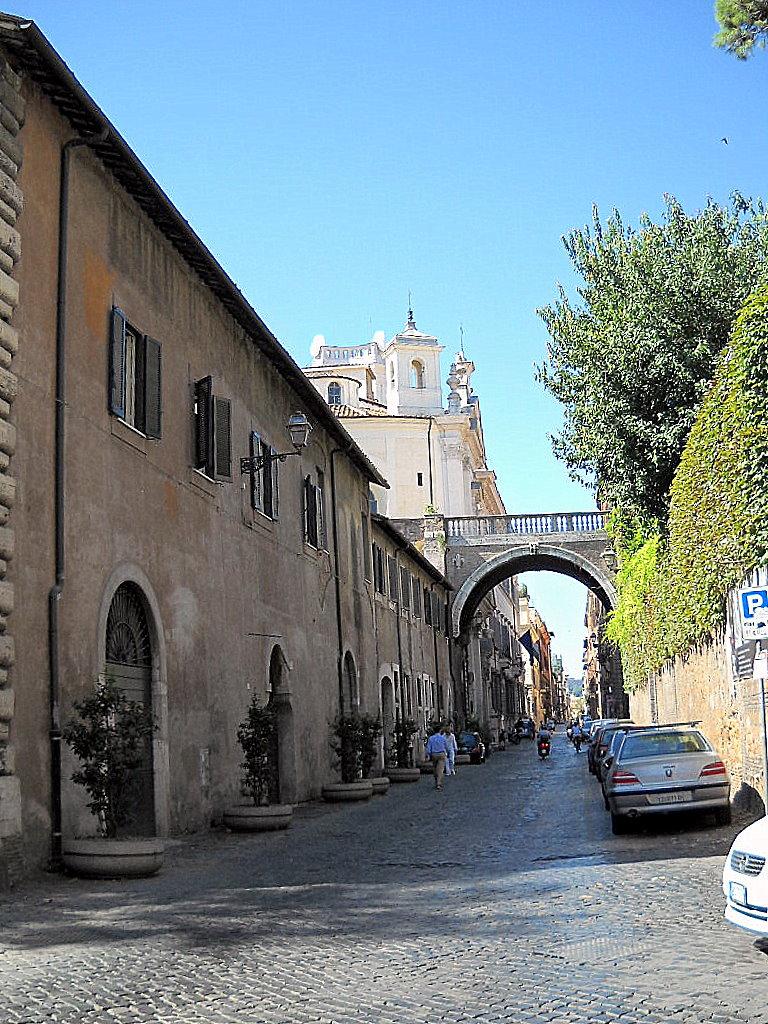
We follow Via di Monserrato further north until we reach Via Giulia, then walk down that dead straight street toward the river.
Sources. Story: Treccani (processo Cenci, Prospero Farinacci); Sovrintendenza Capitolina ai Beni Culturali (carcere di Corte Savella) Photos: Photo: Gobbler (Wikimedia Commons, CC BY-SA 3.0)