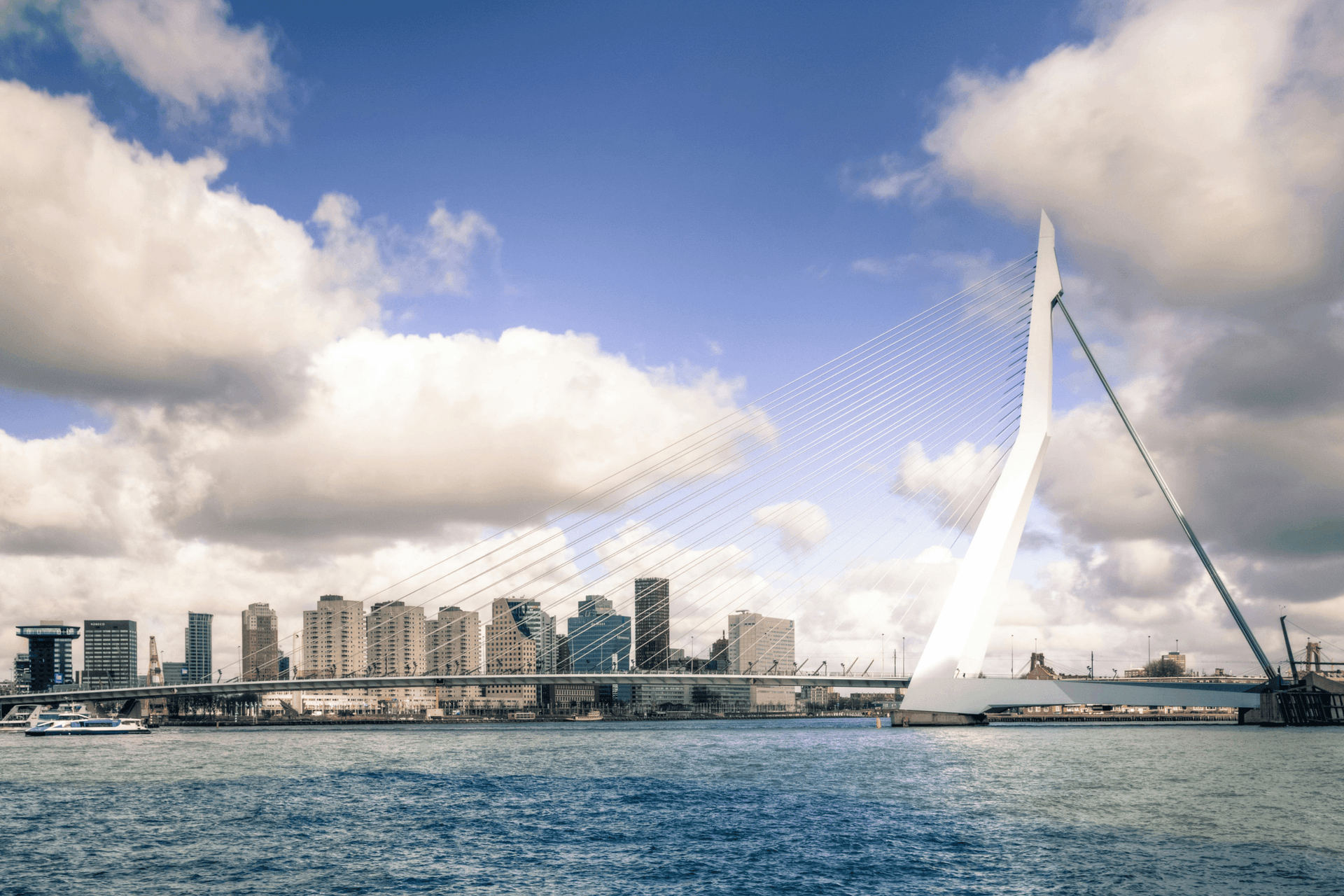
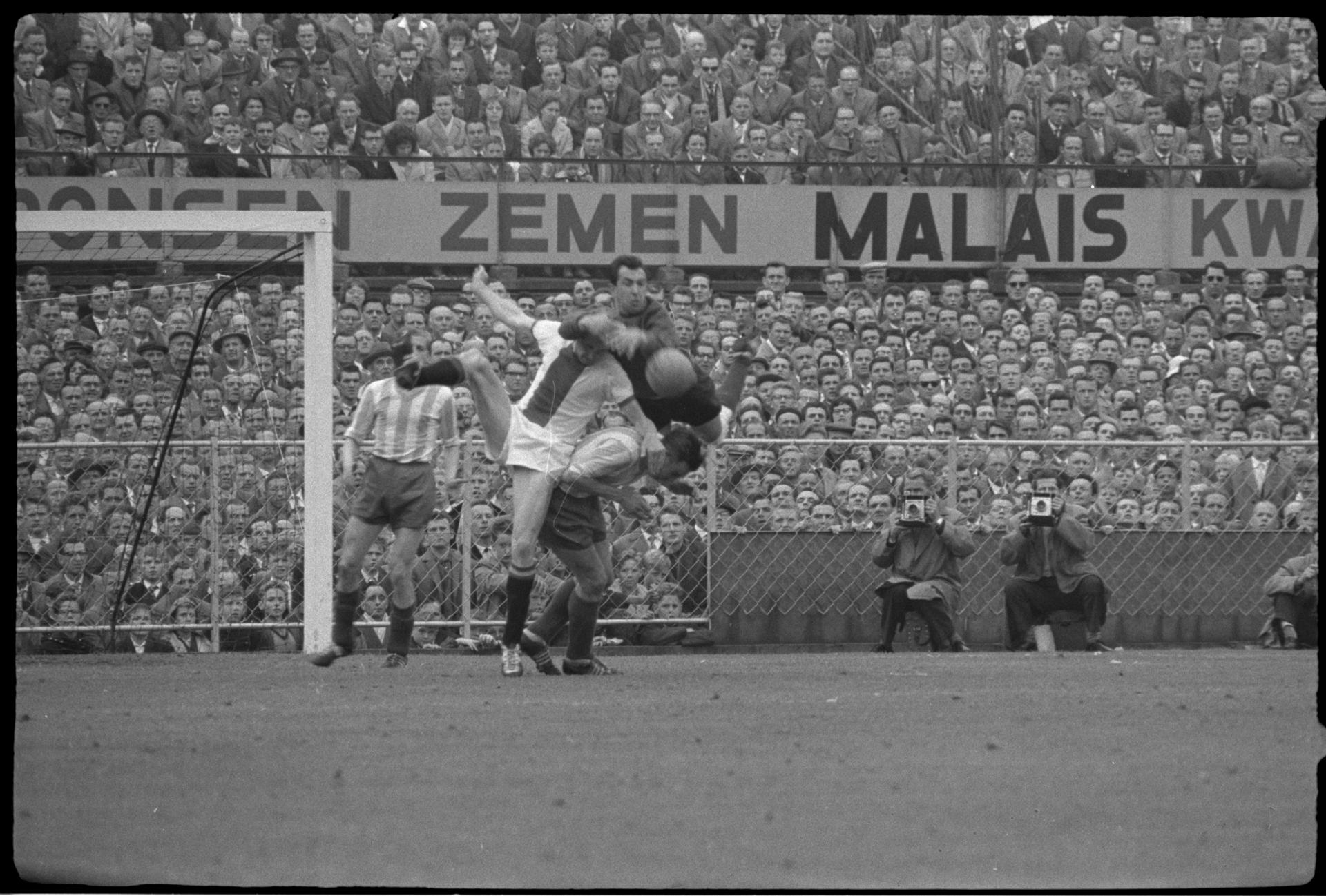
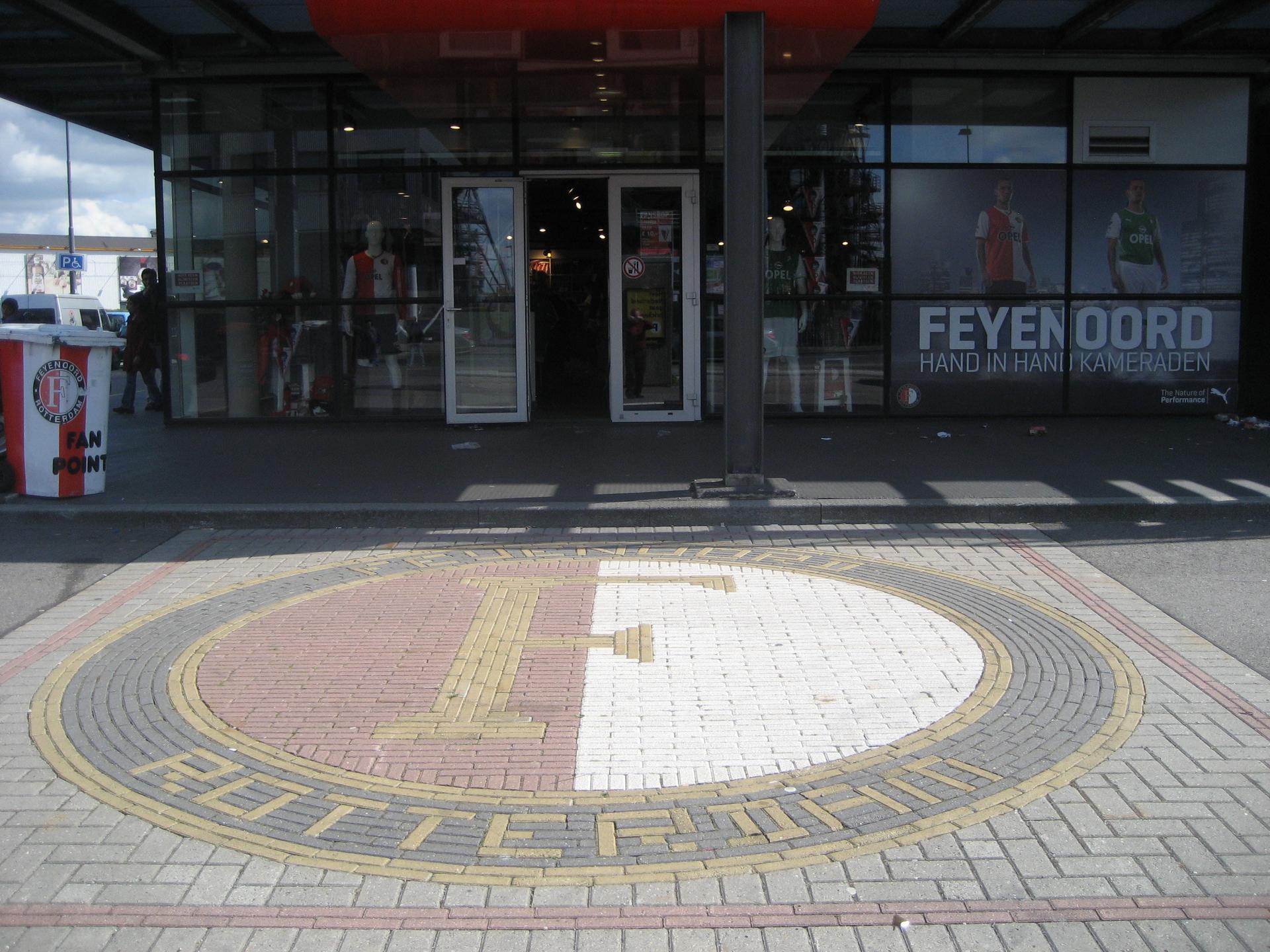
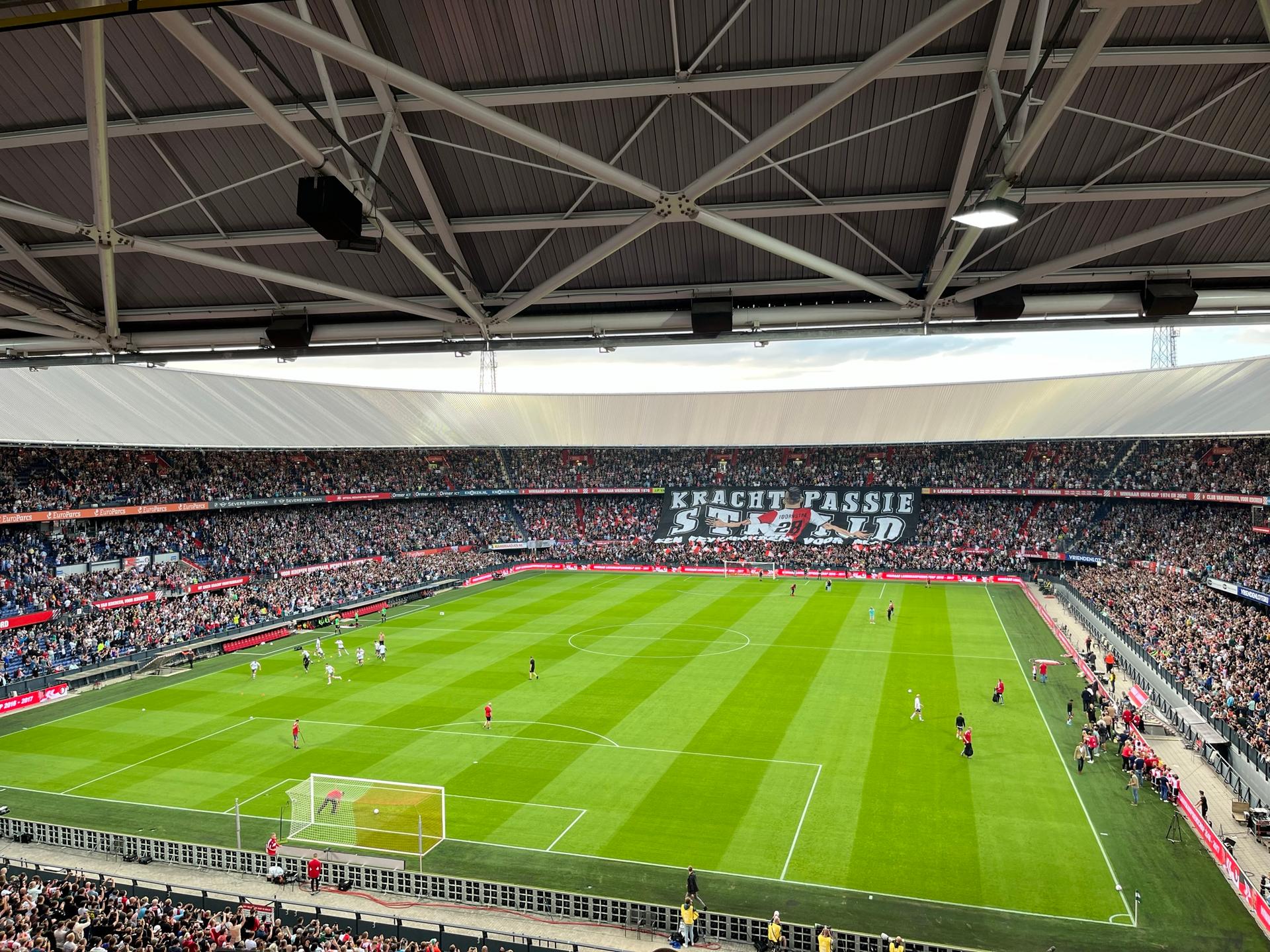
From the outside, De Kuip is a plain bowl of steel and concrete, and that shape is exactly what gave the stadium its name, which simply means The Tub. Architect , from the same firm that drew up the famous here in Rotterdam, hung the stands in two rings stacked above each other, free of any columns that would block your view. Construction started in 1935, and the stadium opened its doors on 27 March 1937.
During the war, all that steel suddenly became a dangerous thing to own, because metal was scarce and got requisitioned wherever it could be found. When an inspection came round, the stadium director reported less steel than was actually in the building, and that little lie is what kept De Kuip standing.
Since then, the stadium has vanished on paper more than once. For the 1992 Olympics, Rotterdam and Amsterdam dreamed up a brand new stadium right here, and then those Games went to Barcelona instead. Later plans for a new build along the Maas river fell through too, and kept playing where it had always played.
The Dutch national team still turns up here, and on match days you can actually see the second ring bounce along with the crowd. After the in Amsterdam, this is the biggest football stadium in the country.
Sources. Story: Stadion Feijenoord, history of De Kuip; Stadsarchief Rotterdam Photos: Vincenzo.togni, CC BY-SA 4.0, via Wikimedia Commons