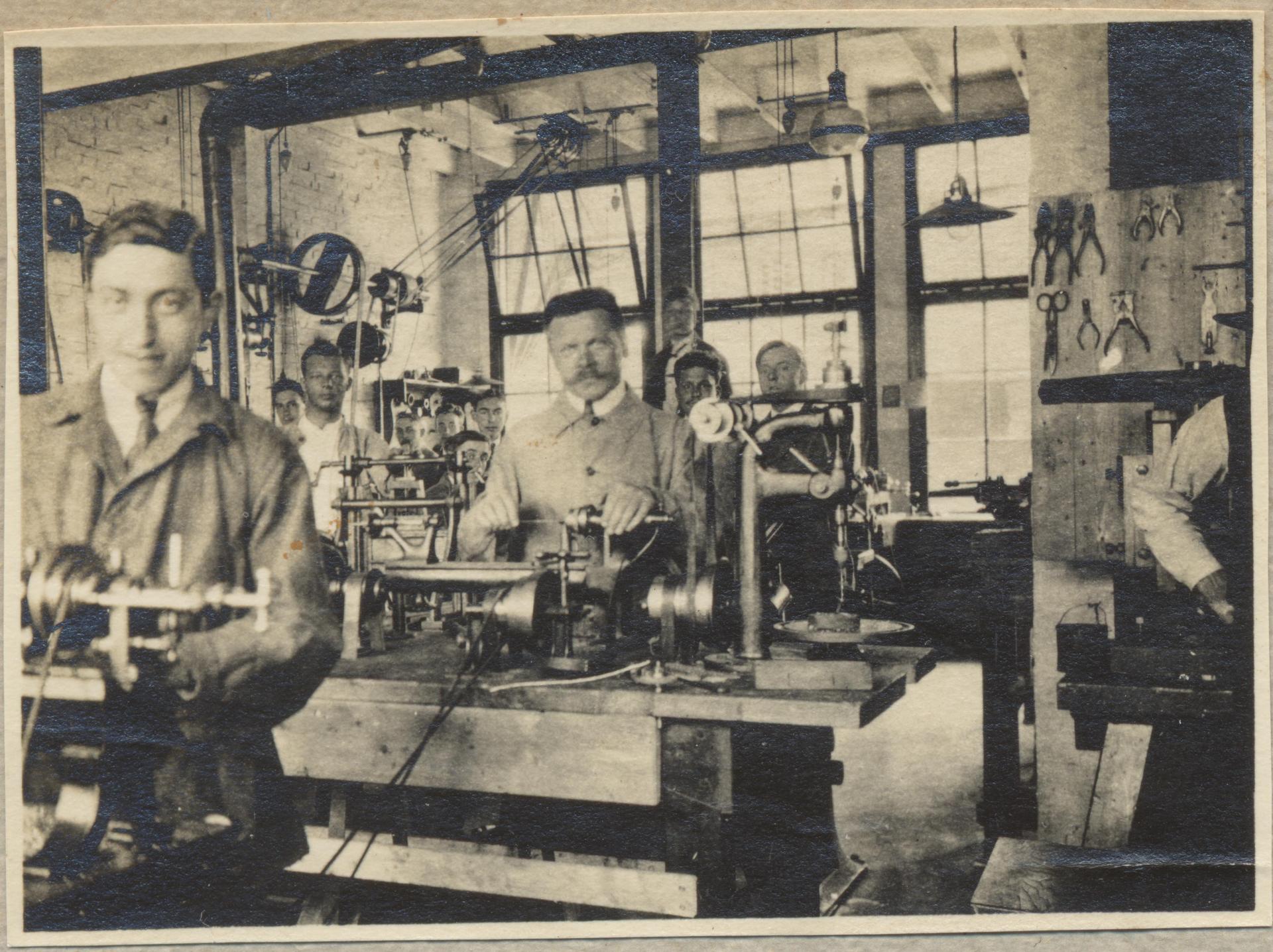
On 6 November 1919 switched on a transmitter in his workshop on the Beukstraat and played music for anyone who could pick it up. He announced in advance when he would be on air, and then did it again the following week. That makes this the first radio broadcast in the world to run on a fixed schedule.
The signal carried across the North Sea. So many people in England tuned in that a London newspaper began paying for the broadcasts, so British listeners could hear Dutch concerts. Idzerda sold the receivers himself, since without sets there is no audience.
His company went bankrupt in the nineteen twenties. Others built on what he had worked out, and his name slipped out of the story of broadcasting.
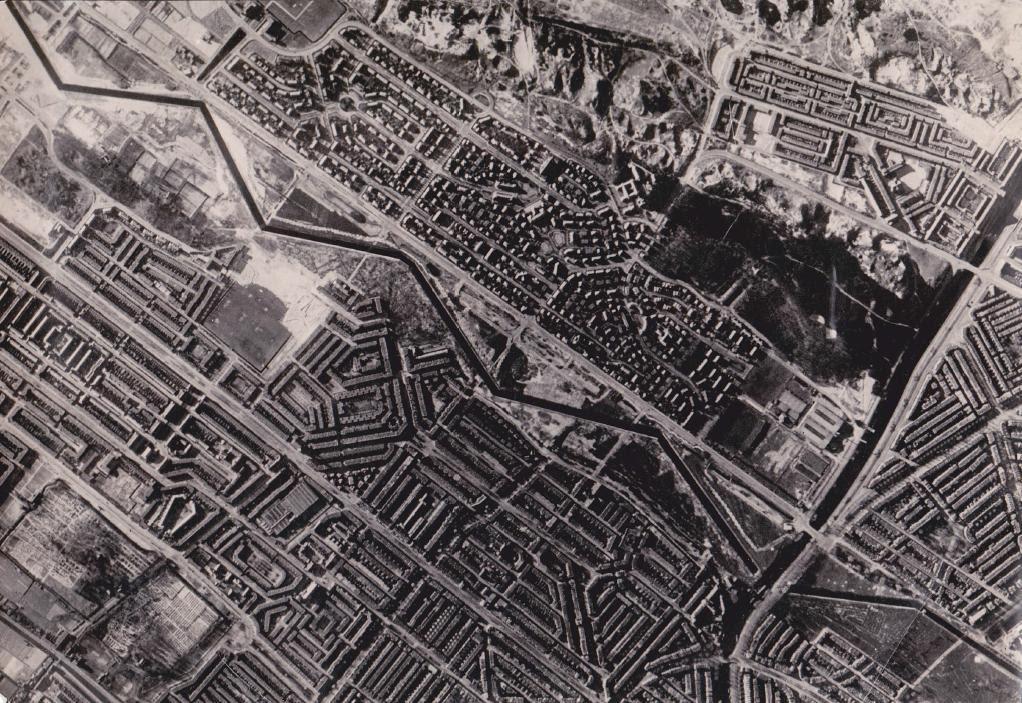
In November 1944 he was killed by German fire in his own city, shortly before . A memorial on the Beukstraat marks where the broadcasts came from.
Want to get to know the city better? One of our walking routes through The Hague is a good next step.
Sources. Story: Beeld en Geluid and the Dutch broadcasting museum on PCGG and the broadcasts from 1919 onwards. Haags Gemeentearchief on the workshop at the Beukstraat and the memorial. Photos: Source photo: Door Romaine - Eigen werk, CC0, https://commons.wikimedia.org/w/index.php?curid=52136286 + Haags Gemeente Archief