The pond you are walking past was dug in the nineteenth century. Councillor Ver Huell had the rough dune wood between The Hague and turned into a park for walking, with winding paths and tens of thousands of new trees. By about 1880 the Waterpartij was finished.
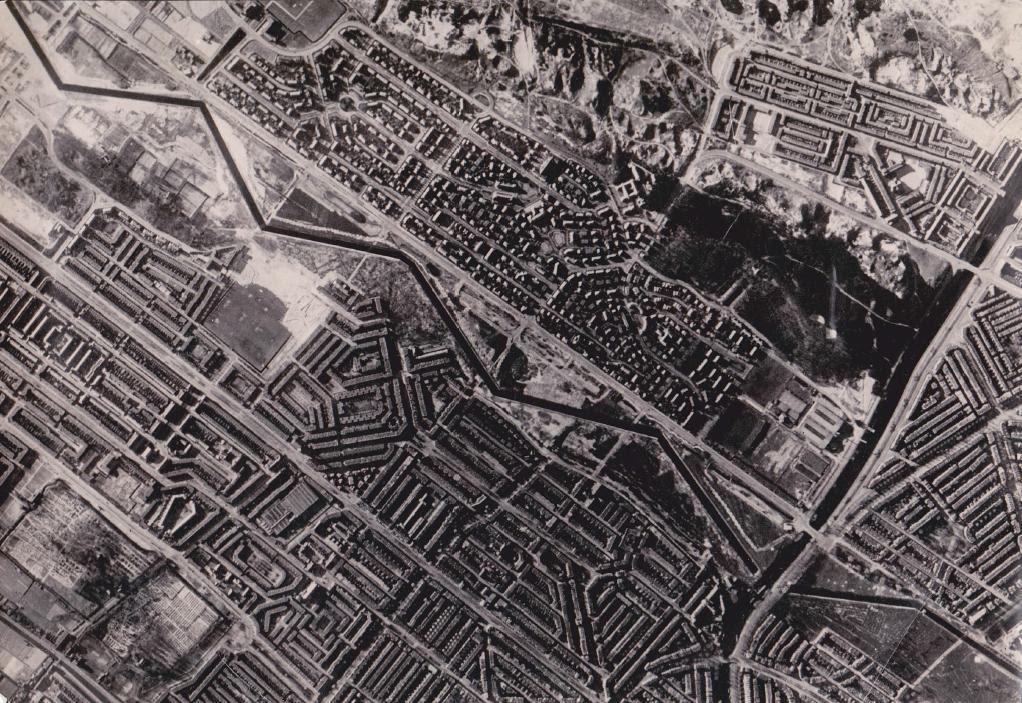
In 1943 the water took on another function. dug it out as part of the anti-tank ditch and removed the steep bank. That ditch ran in zigzags from Kijkduin along the Sportlaan to Zorgvliet, where it continued as a concrete wall with rows of , and then through these woods towards the canal and the Van Alkemadelaan. At its widest the ditch measured about twenty-seven metres.
The surrounding wood was felled to clear a field of fire. De Kogelenberg, a viewpoint behind what is now , reached by seventy-two small steps, was levelled as well.
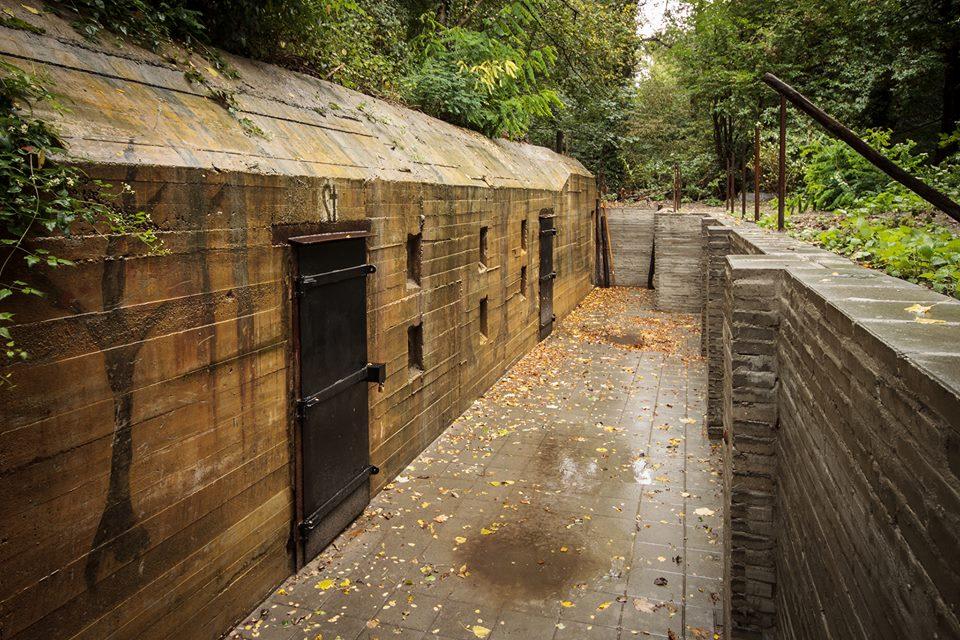
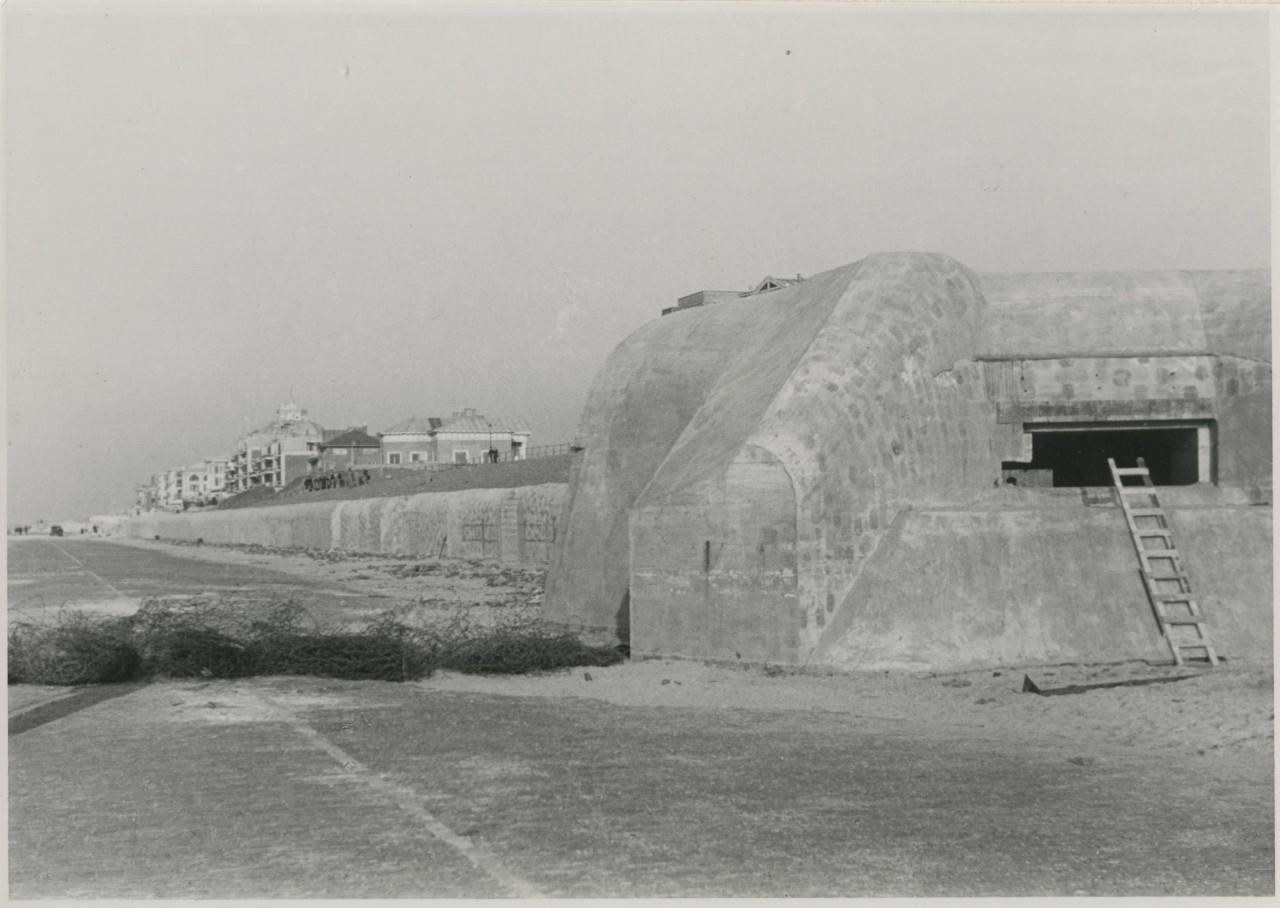
Almost nothing of the ditch itself survives inside the city. On the Van Alkemadelaan six hundred and fifty metres of the concrete anti-tank wall that belonged to this line are still standing, with a gun casemate built into it.
From the north side of the pond the paths lead out of the wood towards the Nieuwe Parklaan. That broad avenue of villas is the next stop.
Sources. Story: Stichting Atlantikwall Museum Den Haag; Denktank Westbroekpark en Scheveningse Bosjes; Stichting In Arcadie, Tuinhistorische verkenning Scheveningse Bosjes (2016); AVN Haagwinde Photos: Archief J. Buisman, via Historiek