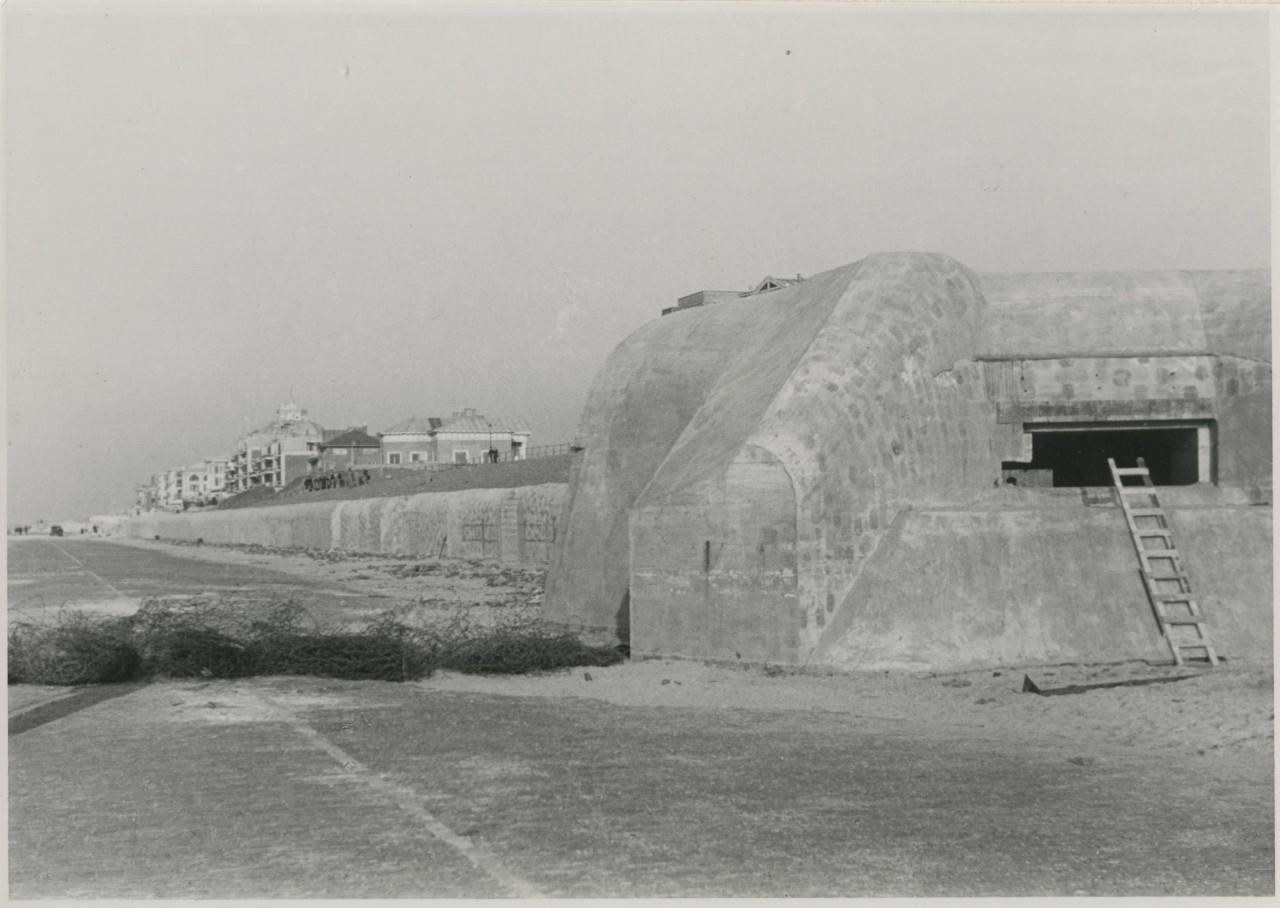
From late 1942 the villas along this avenue stood inside the Sperrgebiet, the closed military zone. Anyone living here without a function the occupier considered essential had to go. The empty houses were requisitioned by the and by branches of the security police.
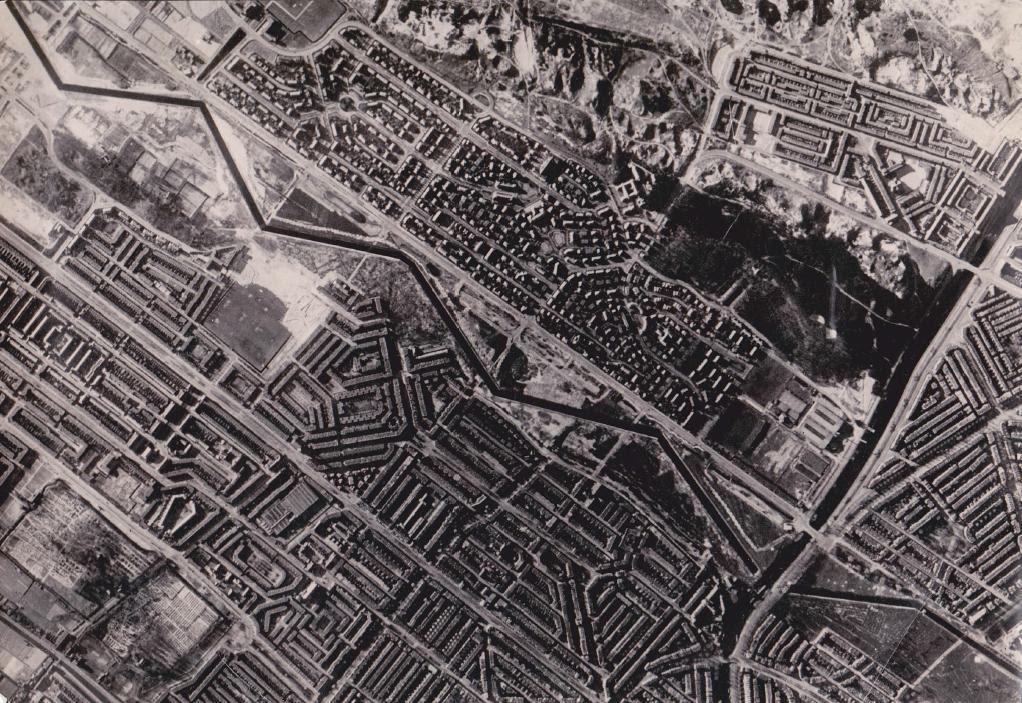
The clearances had begun in June of that year, at the beach and the harbour of . In November placards went up across the city: a broad strip was to be emptied. Between that month and February 1943 about a hundred thousand people left the Scheveningen fortress zone and the course of the anti-tank ditch. The district followed late in 1943.
Those with work in the city were usually given housing in The Hague or nearby. The rest were placed elsewhere in the country. More than five hundred people from Scheveningen ended up in Aalten, about six hundred in Winterswijk and more than seven hundred in Zuidlaren.
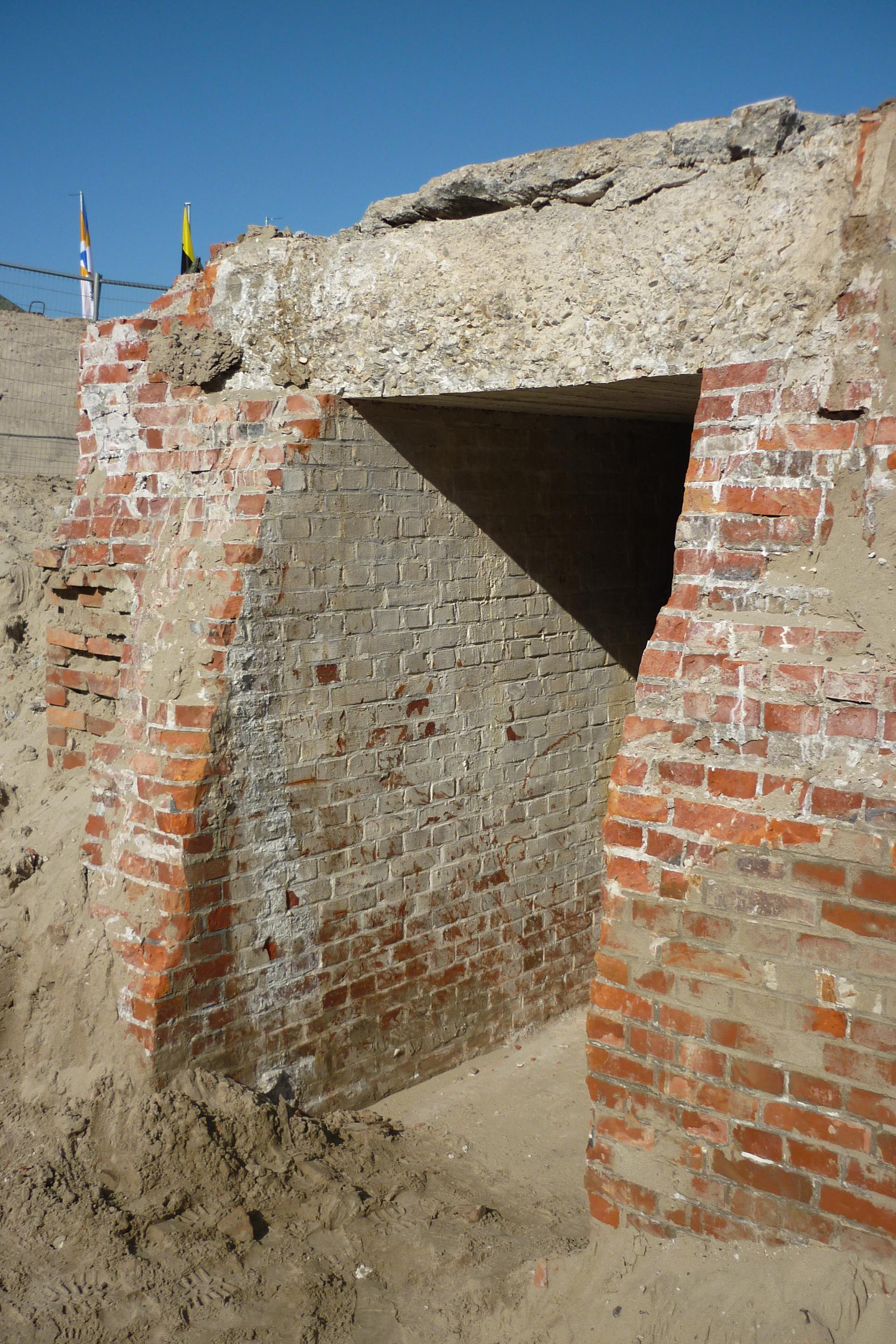
Some eight thousand residents stayed behind inside the fortress zone, among bunkers and barriers. In the last winter of the war they stripped doors, floors and planks from the empty houses for firewood.
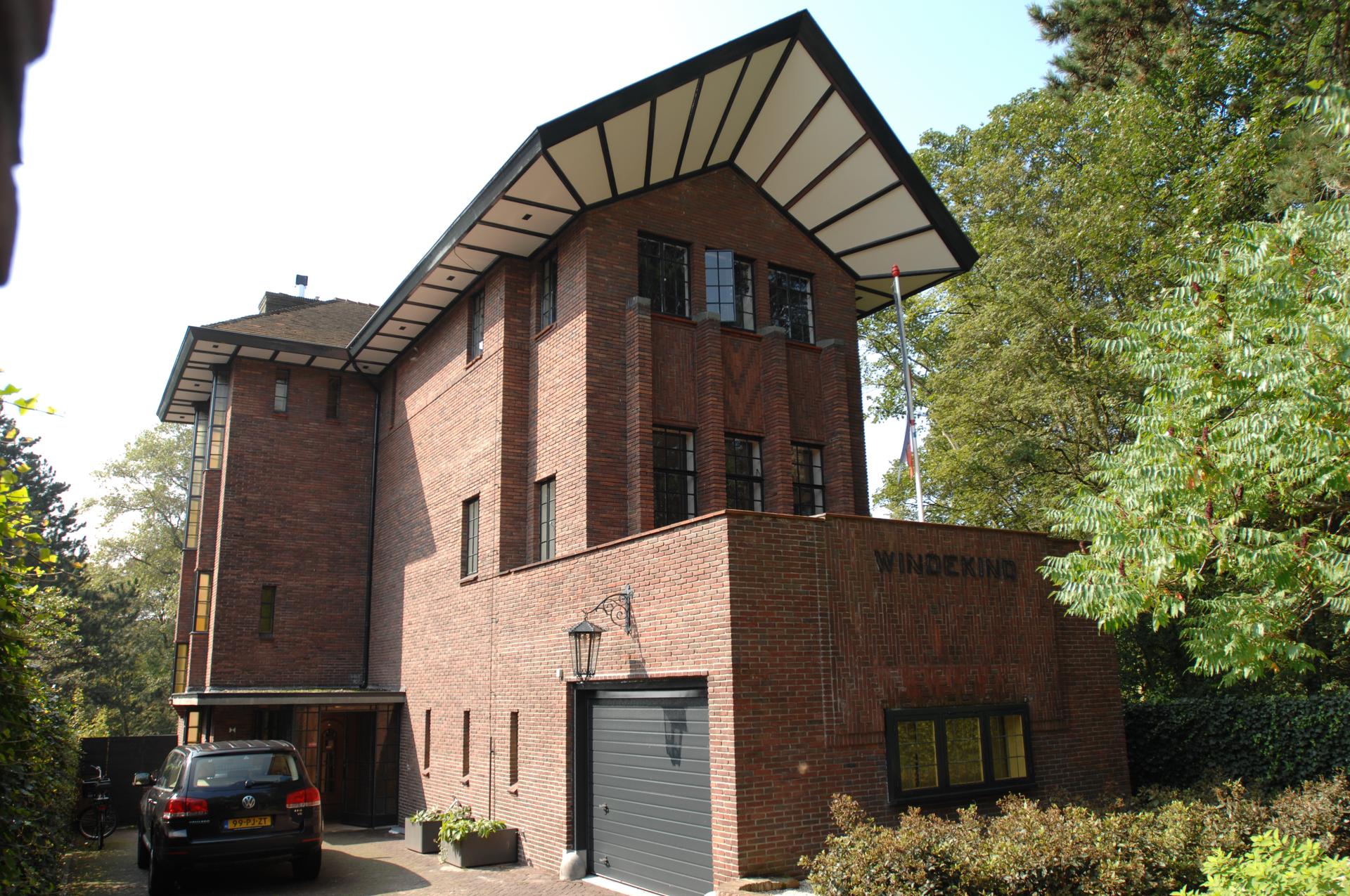
Further along this avenue, at number 76, stands a villa with a far overhanging roof on a slope running down to the park. That is what the next stop is about.
Sources. Story: Haags Gemeentearchief, stadsdeel Scheveningen; atlantikwalldenhaag.nl, Naar een onbekende wereld; wittebrugpark.nl, De oorlogsjaren; Danny Verbaan, Vesting Scheveningen Photos: Haags Gemeentearchief, via Haagse Tijden