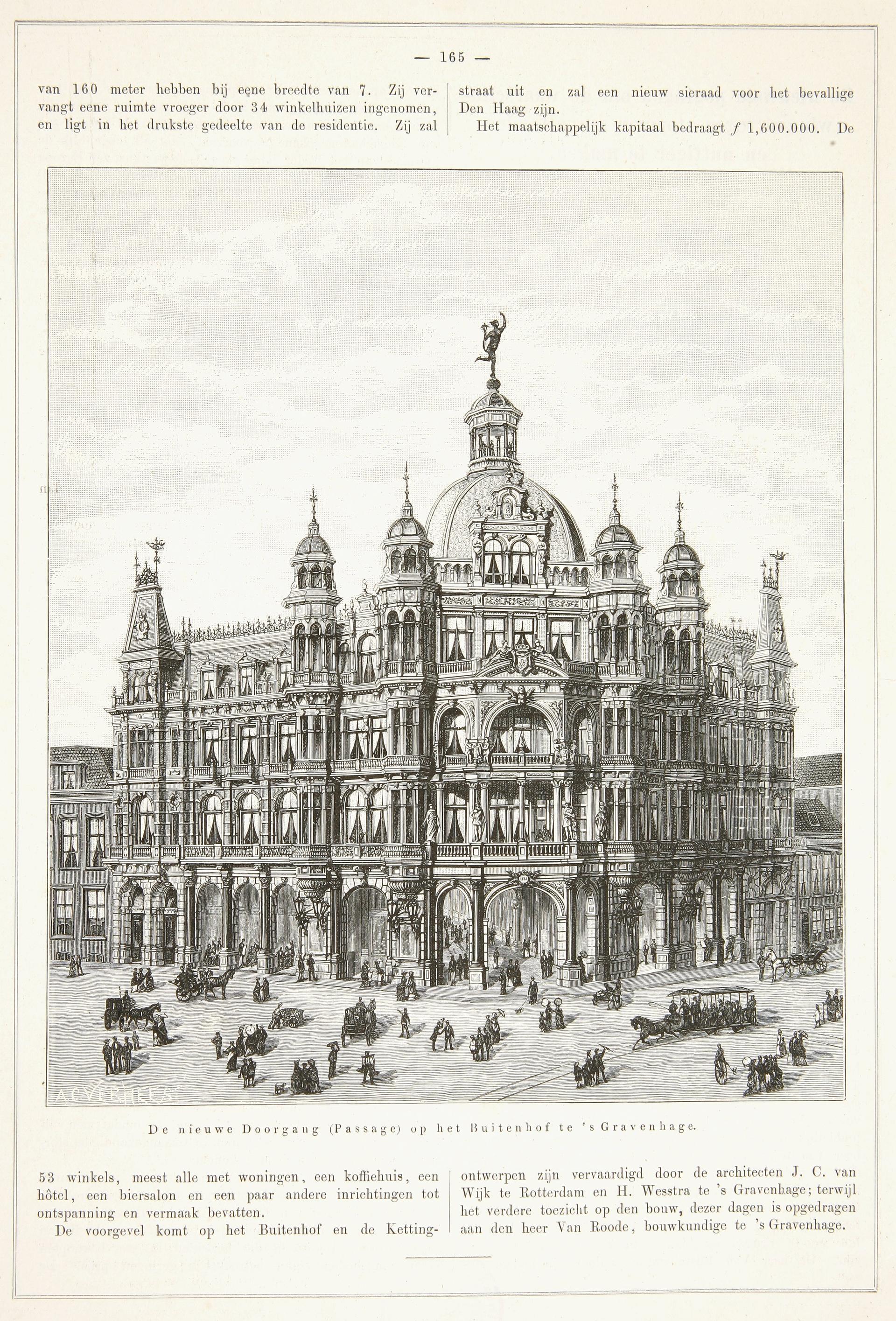
The Passage opened in 1885 and is the oldest covered shopping street in the country. The Netherlands had four of them, in Amsterdam, Rotterdam, Zandvoort and The Hague, and this is the only one left.
In the first half of the twentieth century it was also something else: a meeting place for gay men. Eye contact at a shop window, a brief recognition, and then the urinal around the corner. During the nineteen thirties a few cafes nearby began welcoming gay customers.
The risk was real. made sexual contact between people of the same sex a crime as soon as one of them was under twenty-one, while the limit for heterosexual contact stood at sixteen. Between 1911 and 1971 at least five thousand men had to appear in court because of it, and the police also used the article to shut down gatherings.
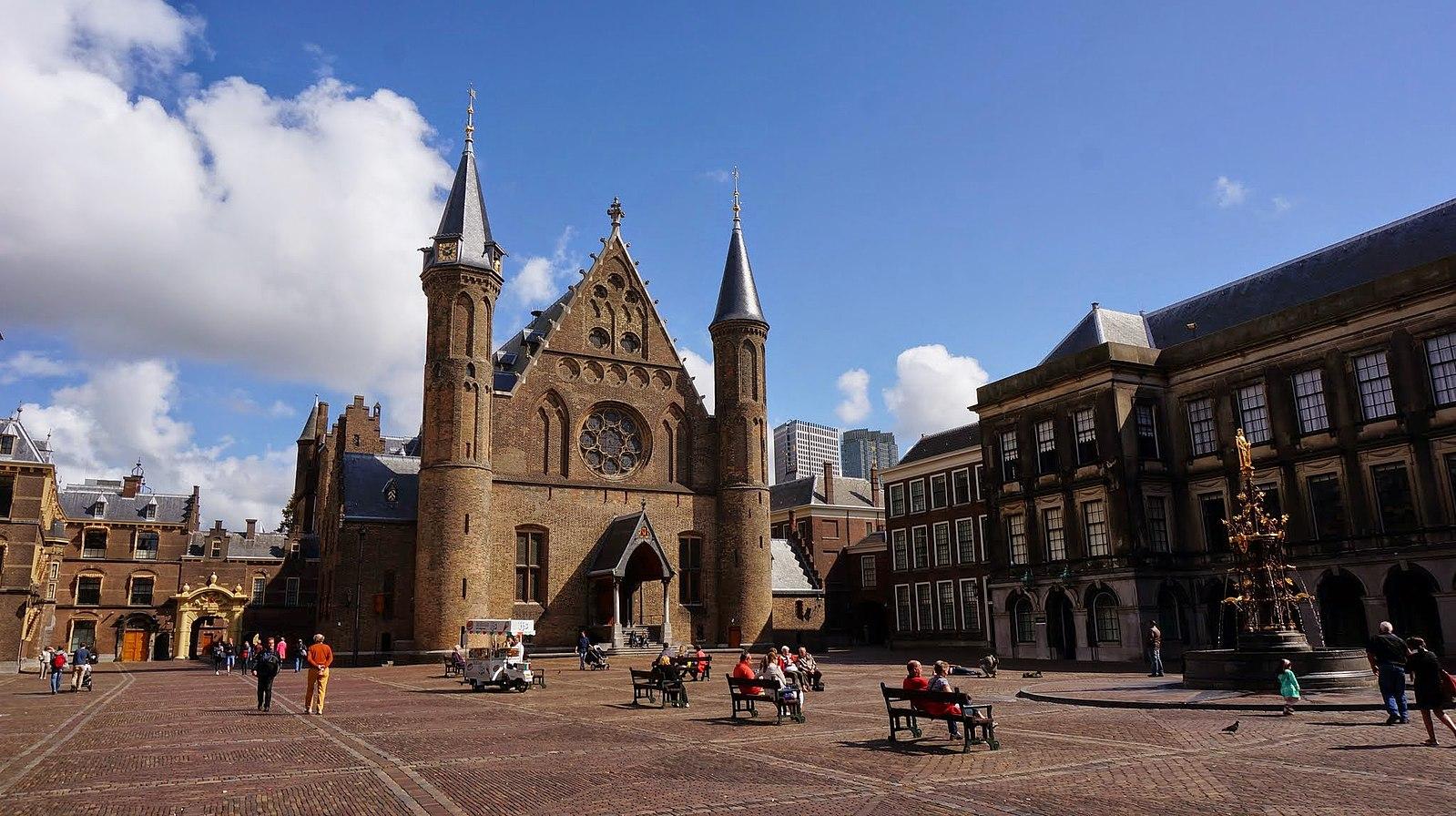
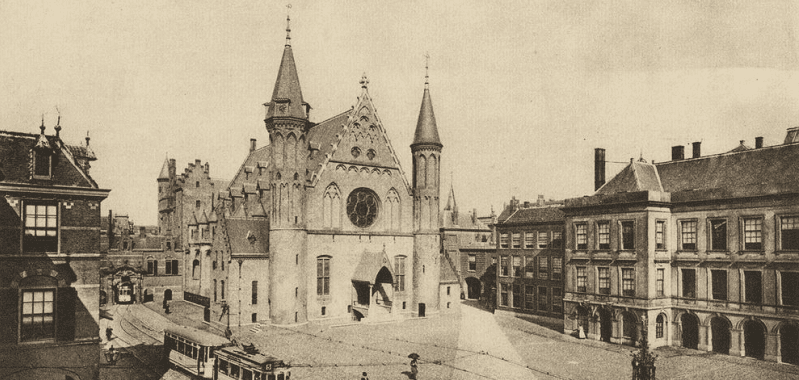
On the twenty-first of January 1969 about a hundred young people gathered on the , a few minutes from here, to demand its repeal. It was the first public gay demonstration in the Netherlands and probably in Europe. Two years later the article was gone.
The arm towards the Hofweg is younger, from 1928 and 1929, and plainer in style. Shopkeepers were wary of it at the time, so the rents came down.
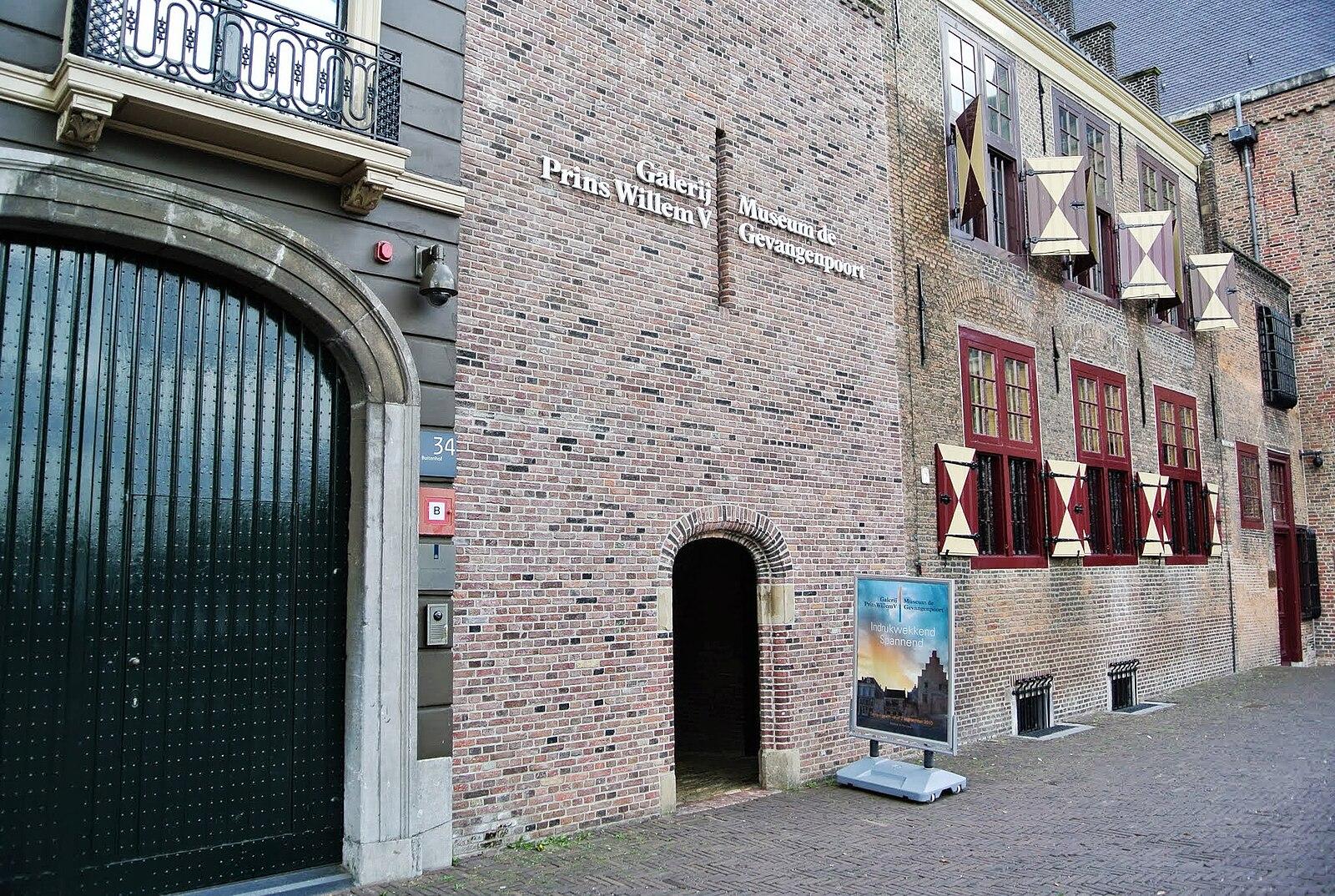
The next stop is close by to the northeast, in the middle of the Binnenhof: the .
Sources. Story: Rijksmonumentenregister en het boek De Haagse Passage, geschiedenis van een nieuw winkelfenomeen, over de bouw van 1882 tot 1885 en de derde arm van 1928-1929 naar ontwerp van Jos Duijnstee; IHLIA en de Canon van Nederland over artikel 248bis, het aantal vervolgde mannen en de demonstratie op het Binnenhof van 21 januari 1969. Als tweede bron nl.wikipedia over de Passage als ontmoetingsplaats. De verlaagde huren bij de opening van de derde arm zijn nog te verifieren. Photos: 1. Verhees, A.C. (1859-1929) uit haags Gemeentearchief 2. Wesstra, H. jr. (1843-1911) uit het Haags Gemeentearchief 3. Vrienden van Den Haag (Kleef, Rob van) Haags Gemeentearchief