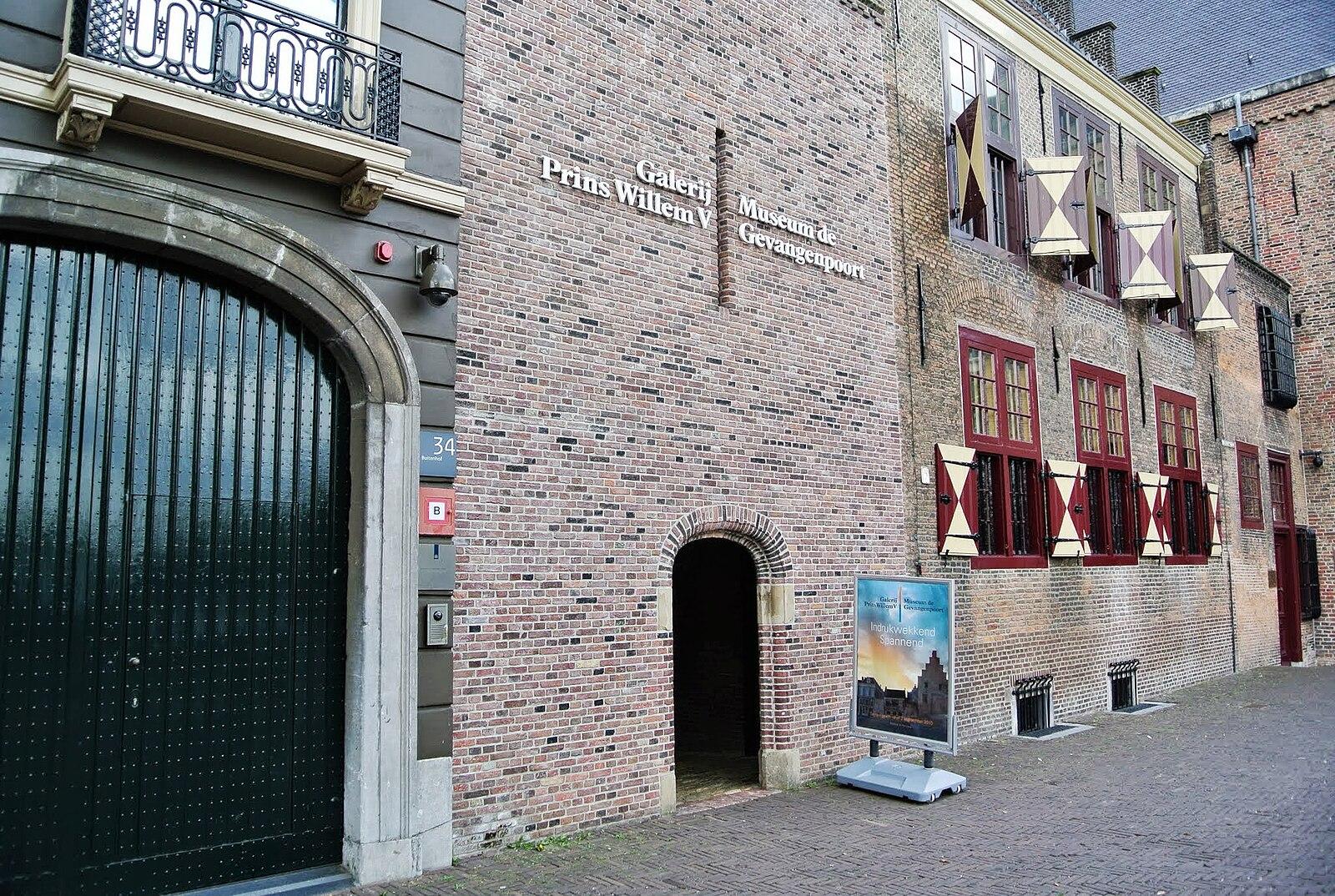
The Gevangenpoort was once the gatehouse of the . From the fifteenth century onwards it served as a prison, and it kept that job until 1828.
Inside you can see how unequal imprisonment was. Anyone with money rented a room with a fireplace, furniture and food brought in from outside, and could receive visitors. Anyone without ended up in a shared space with no daylight, living on whatever passers-by dropped through a hatch. What you could pay decided how hard your sentence turned out.
The instruments are still laid out in the torture chamber. Confessions were forced here, and the judge heard what had been said only afterwards.
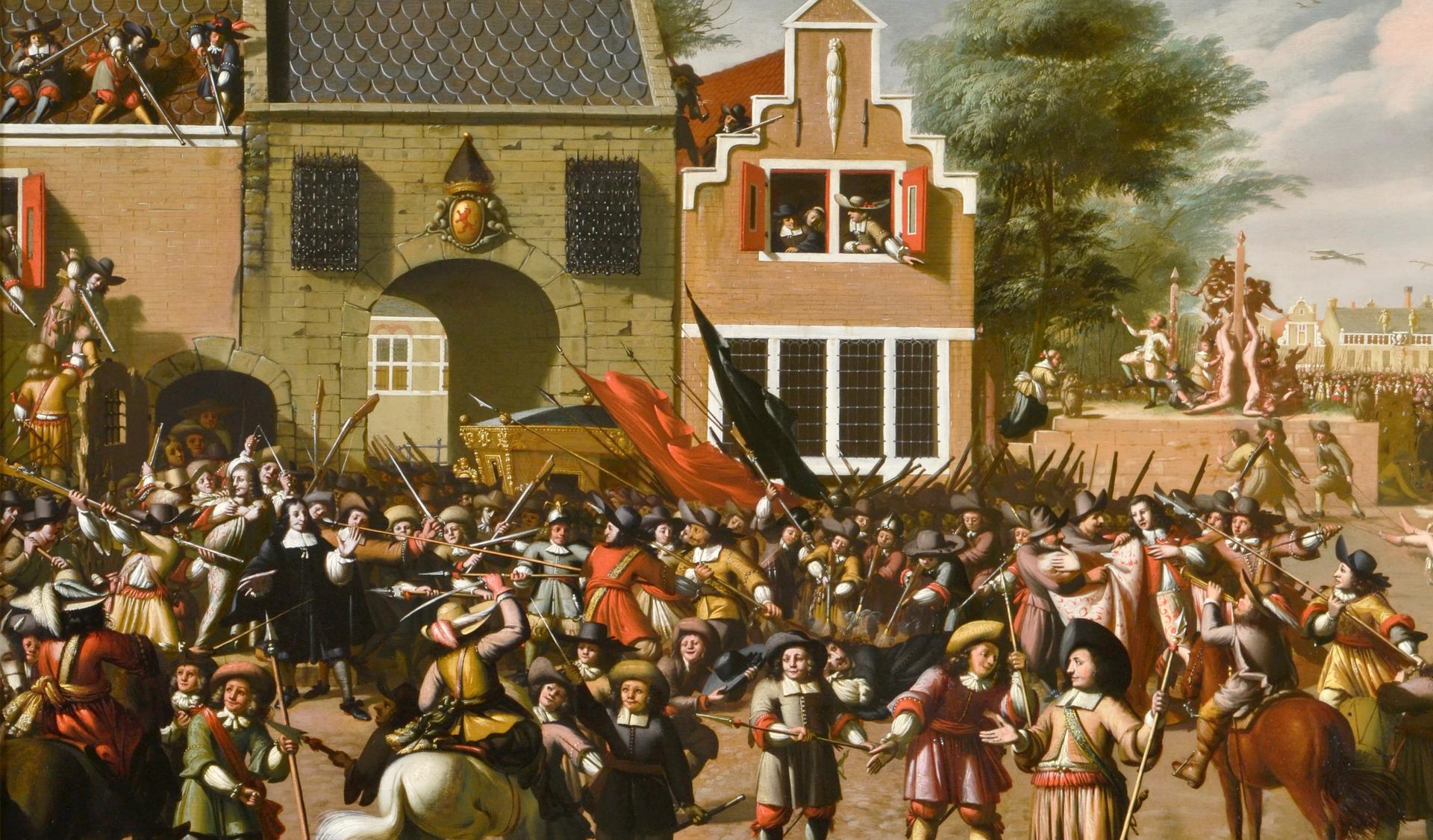
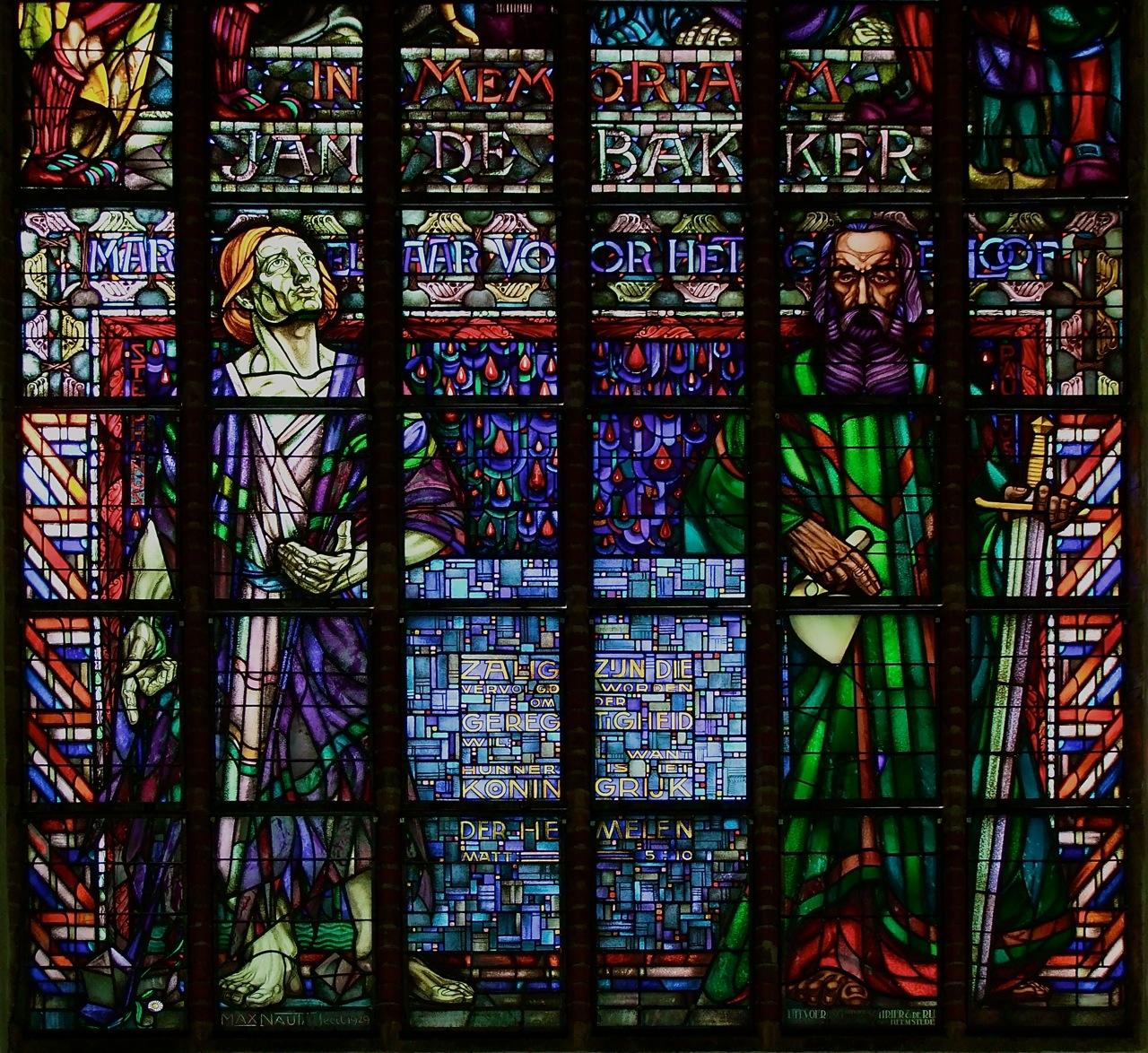
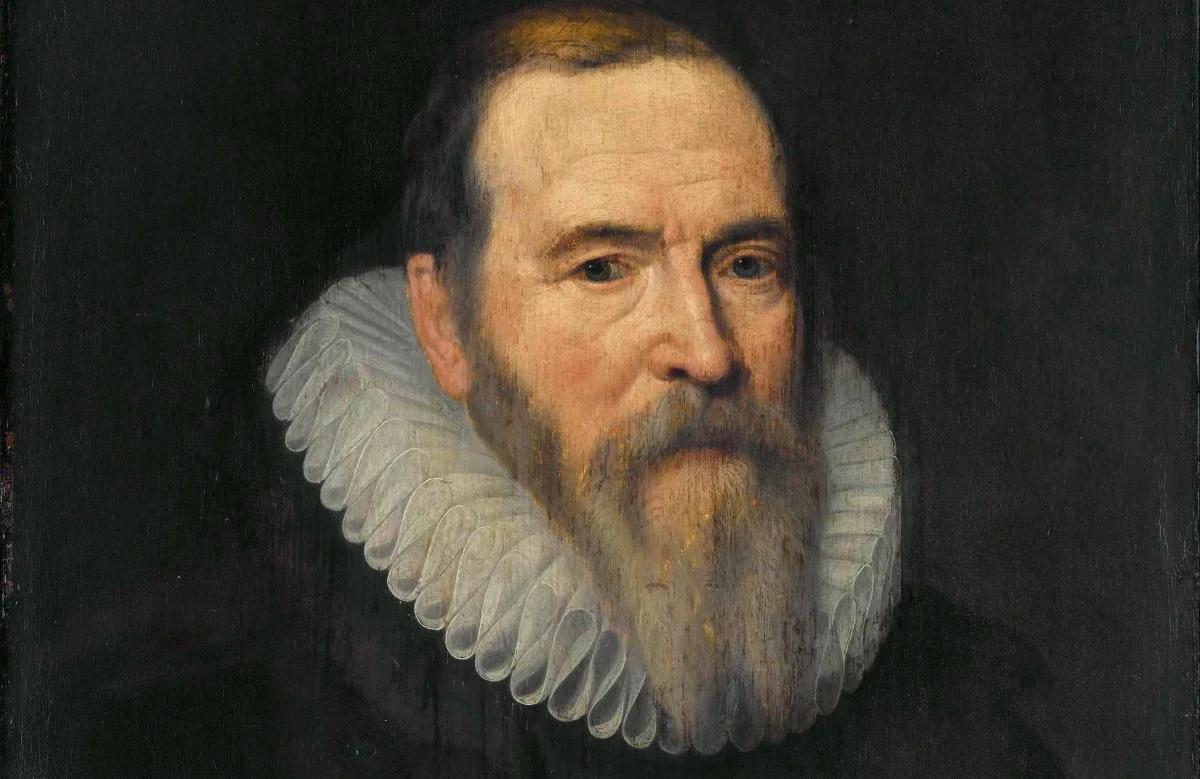
In August 1672 was held here, accused of plotting against . A crowd dragged him and his brother outside, to the execution ground across the street known as the .
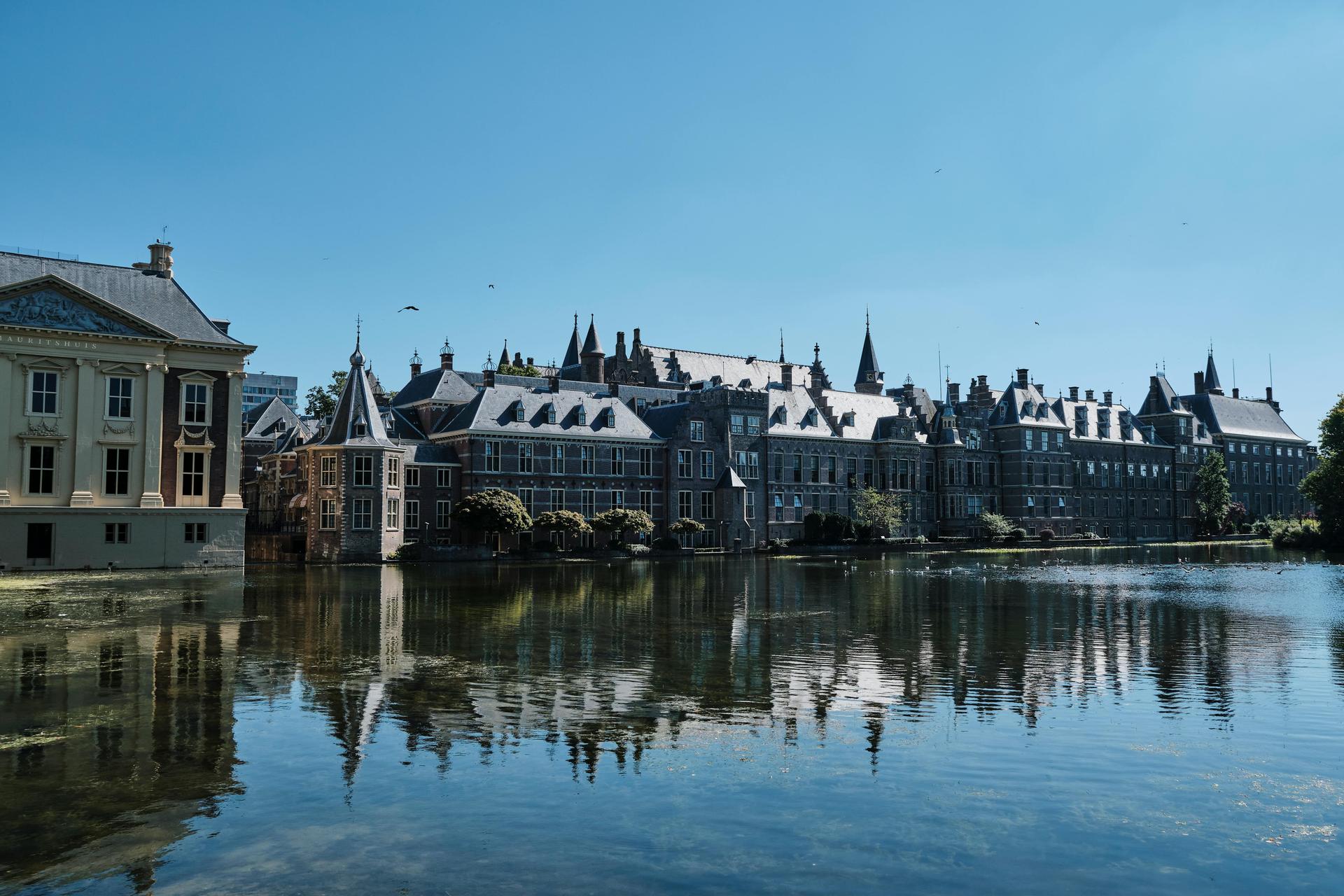
The gate still looks out on that spot, with the just behind it.
Afterwards you can head into the city with one of our walks through The Hague.
Sources. Story: Museum de Gevangenpoort (gevangenpoort.nl) on the building, the prison regimes and the torture chamber. The gate as a national monument: Rijksdienst voor het Cultureel Erfgoed. 1672 and the Groene Zoodje: Haags Gemeentearchief. Photos: Source photo: 1. Pieter Daniel van der Burgh, CC0, via Wikimedia Commons 2. Ben Bender, CC BY-SA 3.0 <https://creativecommons.org/licenses/by-sa/3.0>, via Wikimedia Commons