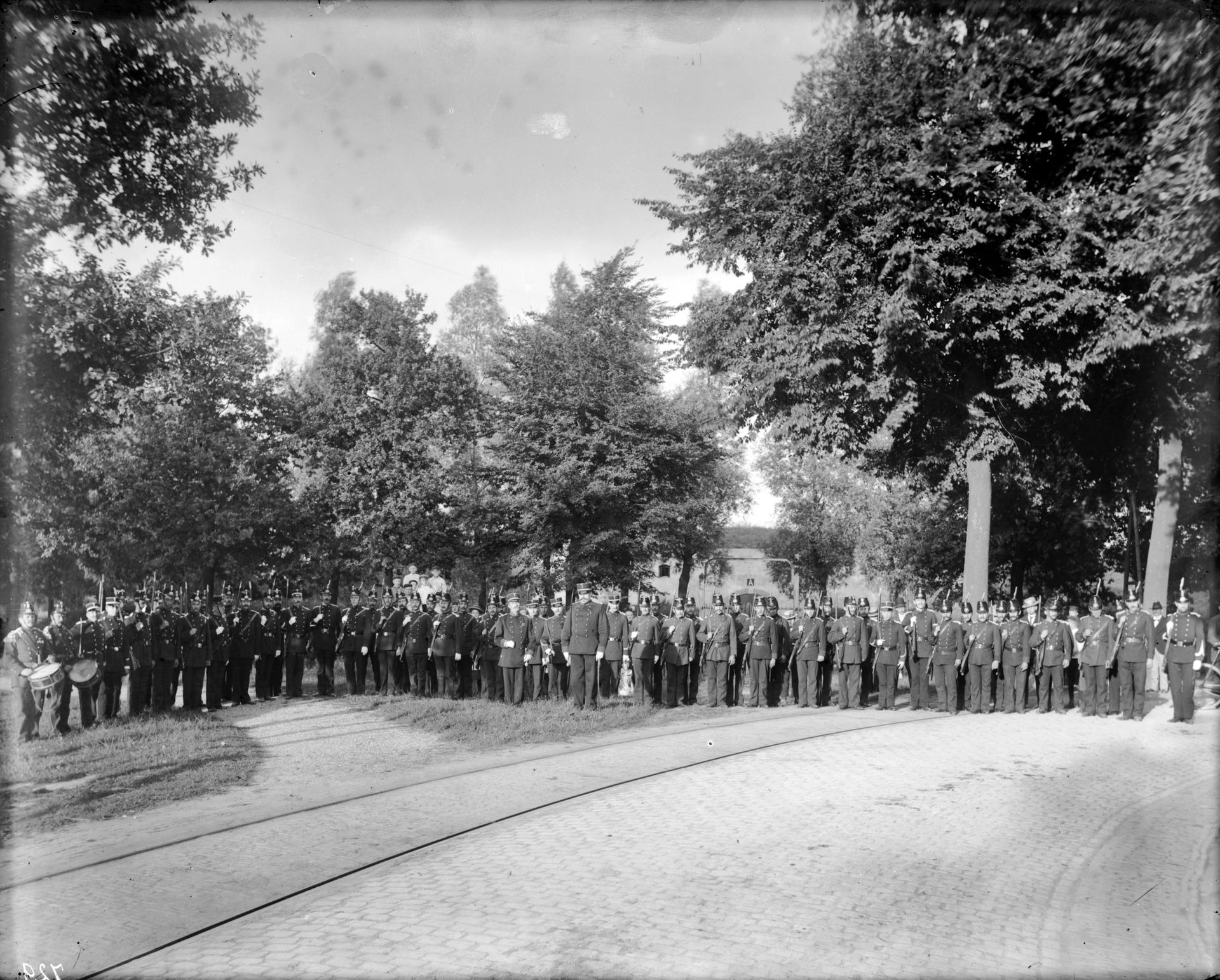
During the mobilisation of 1939, soldiers planted a Wilhelmina tree at Fort de Bilt. They christened it with chocolate milk from the canteen, because there was no champagne to be had.
The fort was already well over a century old by then. It was built between 1816 and 1818 as Het Fort op de Biltstraat, part of the , and gained bombproof barracks around 1875. In 1930 the Biltsestraatweg was widened and the road cut the fort in two. The southern half stayed with the Ministry of Defence, the northern half became city property.
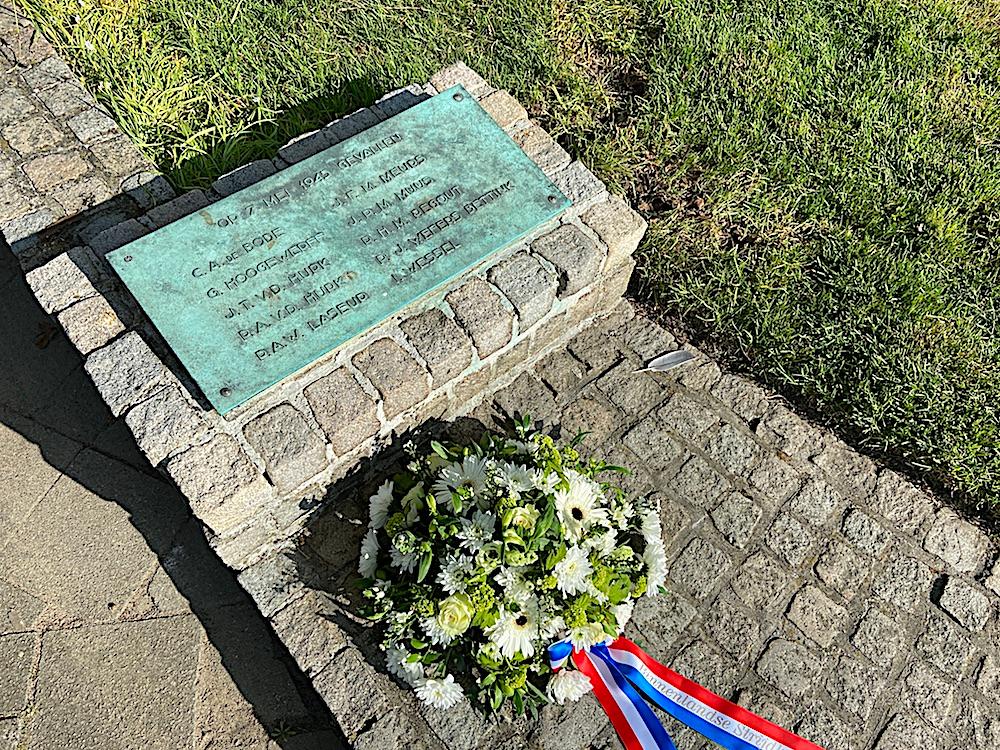
What came next is what the place is known for. The used the fort as an execution ground. A hundred and forty men were shot here, most of them members of the resistance. A monument, a bell frame, name plates and the so-called death bunker stand on the grounds.
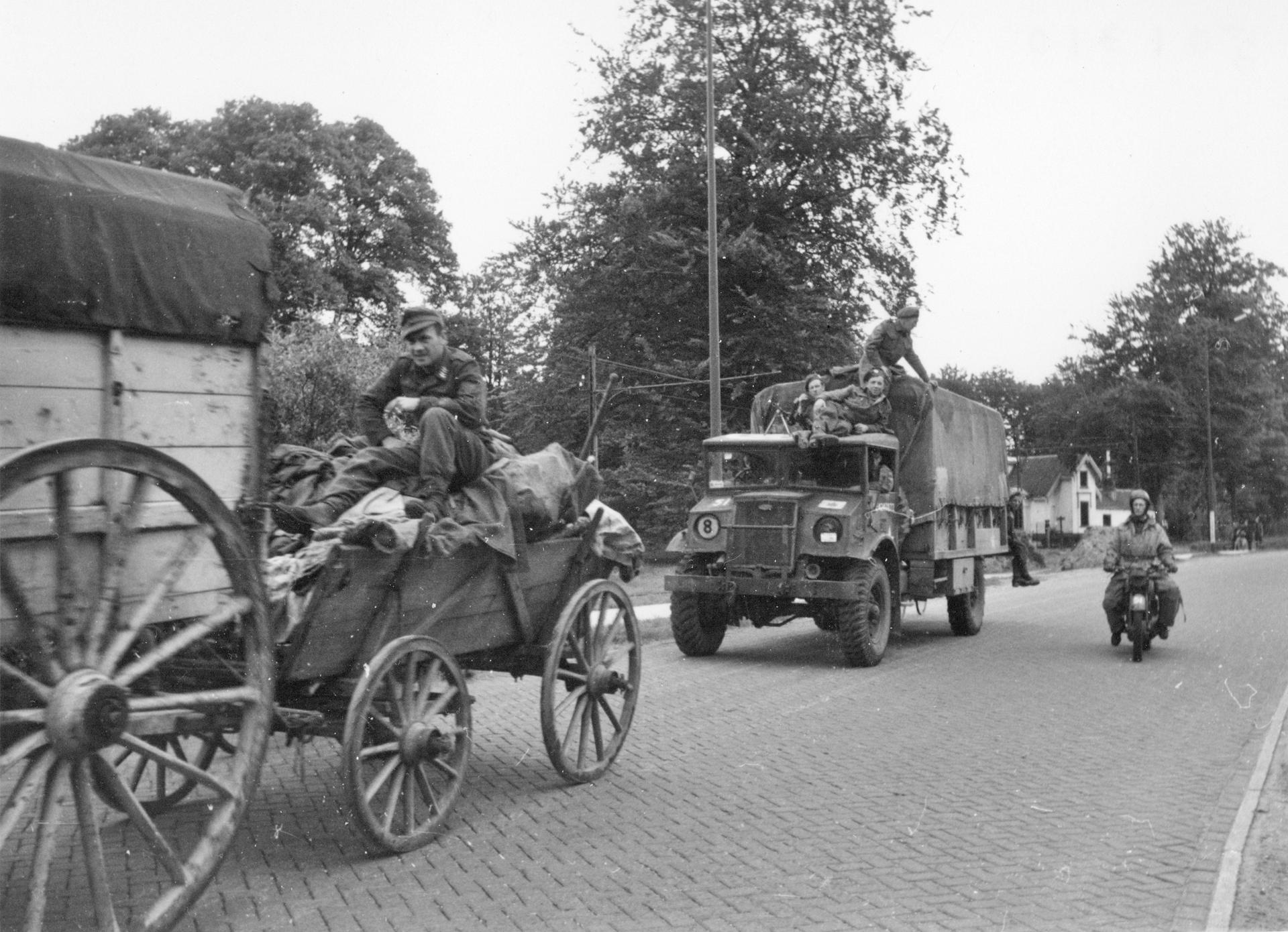
After the liberation the fort became an internment camp for members and other collaborators. In the space of about ten years this patch of ground went from quiet mobilisation post to execution ground to prison camp, and the tree christened with chocolate milk watched all of it happen.
Anyone who wants to go further into this history can walk one of our routes through Utrecht.
Sources. Story: Building history of Het Fort op de Biltstraat (1816-1818) and the extension around 1875; the Wilhelmina tree from the 1939 mobilisation; memorials, bell frame and death bunker on the fort grounds; Het Utrechts Archief. Still to verify: the exact figure of one hundred and forty executions and the use as an internment camp after the liberation. Photos: Source photo: Het Utrechts Archief