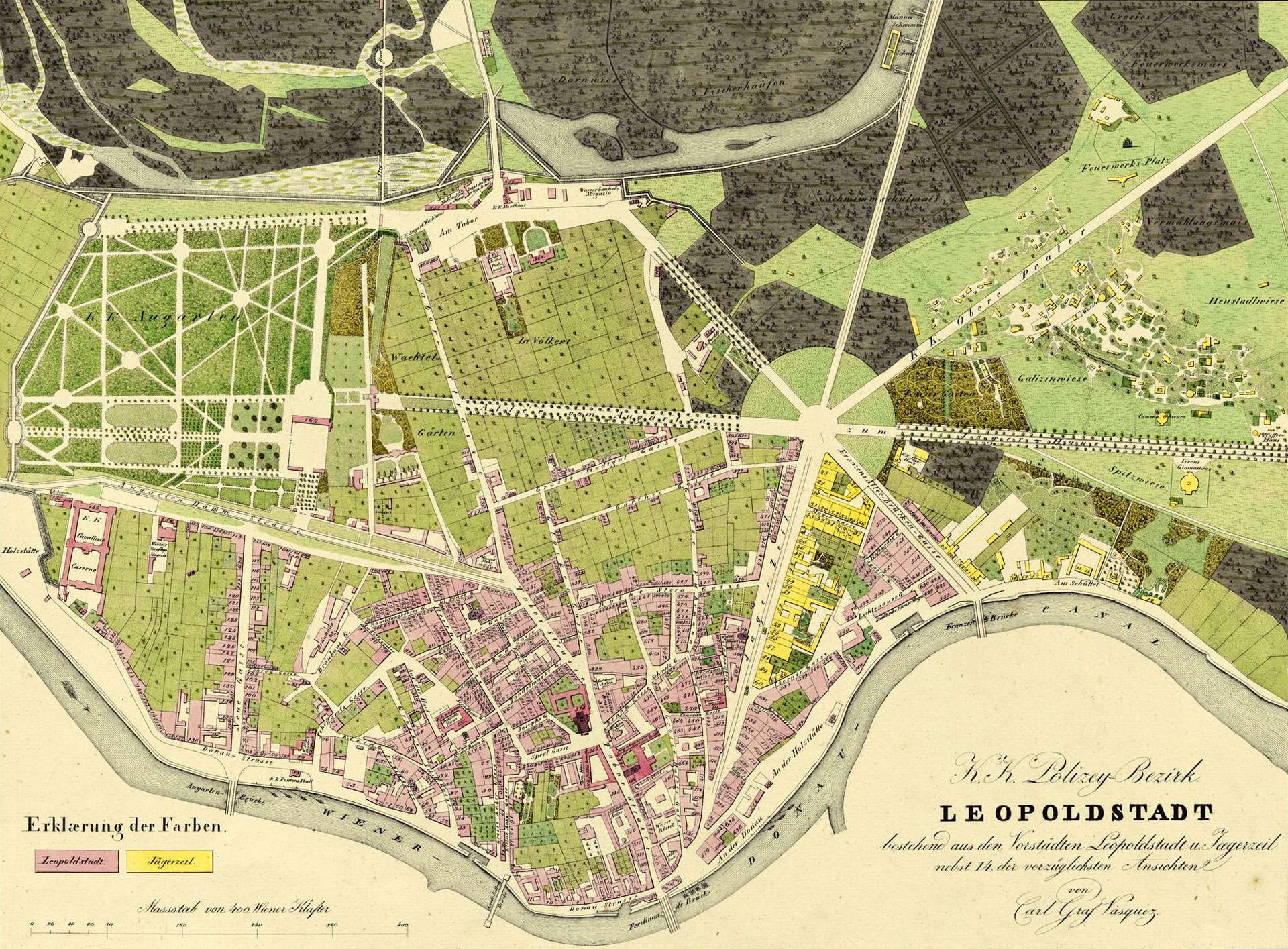
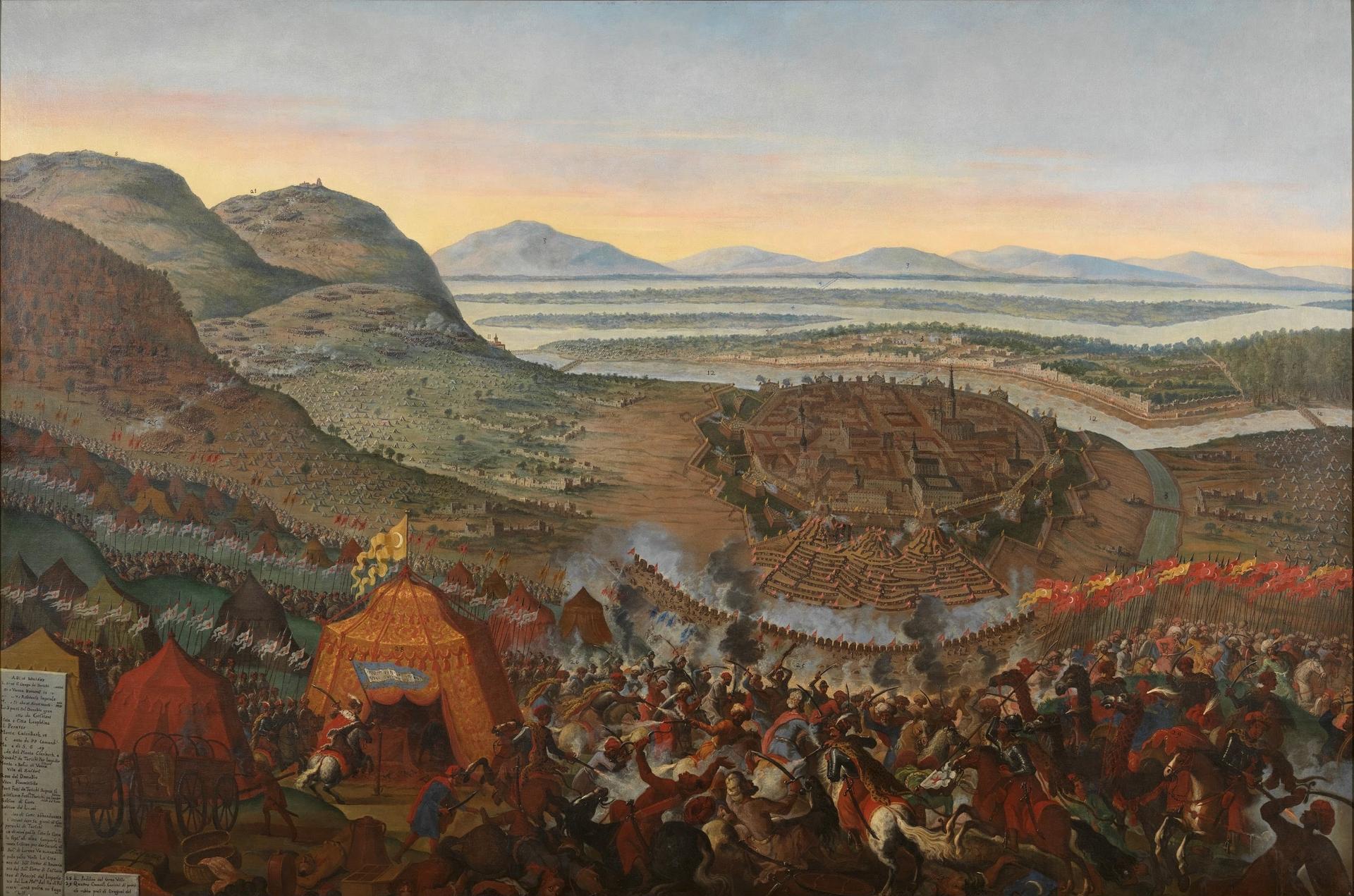
This street is older than almost everything around it, because this was the way out of the city heading north, towards and Prague. Its name comes from a fortified post that once stood by the river crossing, keeping watch over everyone who came and went.
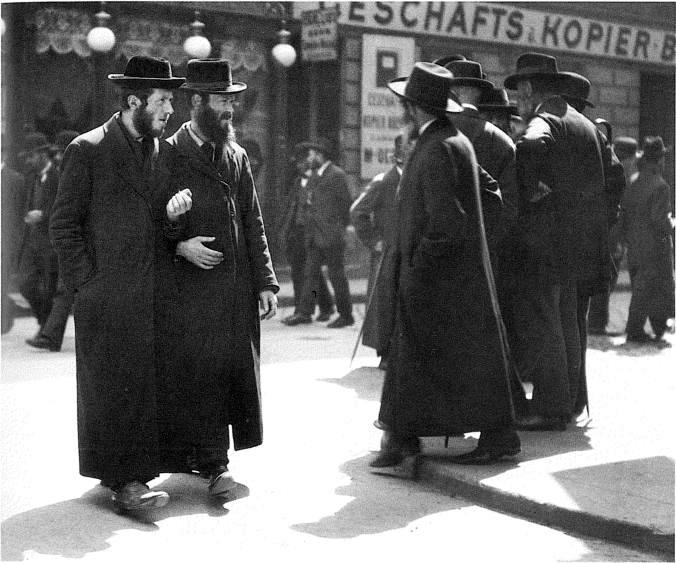
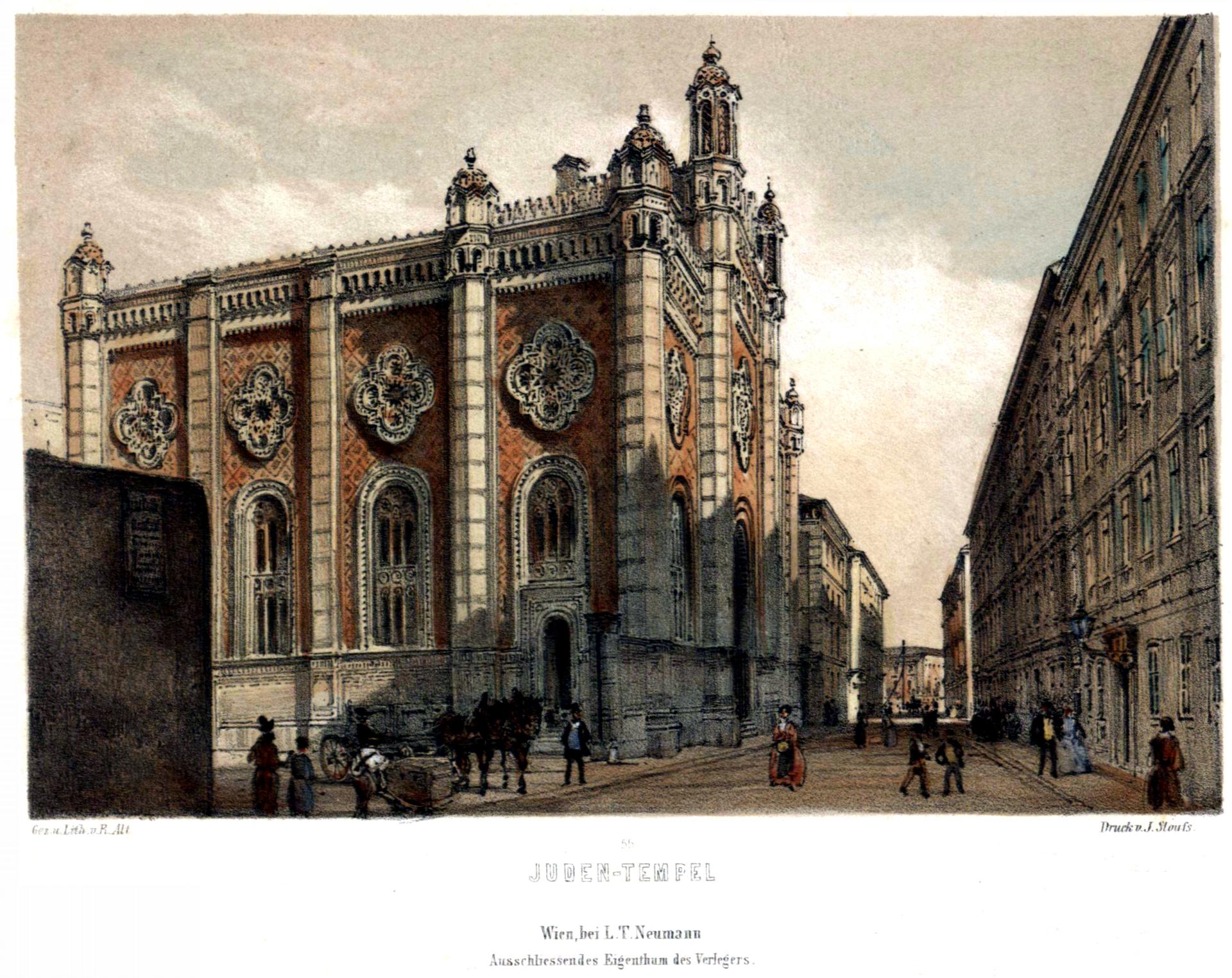
That tells you a lot about why the neighbourhood became what it did. Anyone trading with and Bohemia arrived this way, and Jewish merchants, who for centuries faced strict limits on where they could live inside the city itself, settled on this side of the water, close to the road and close to the market.
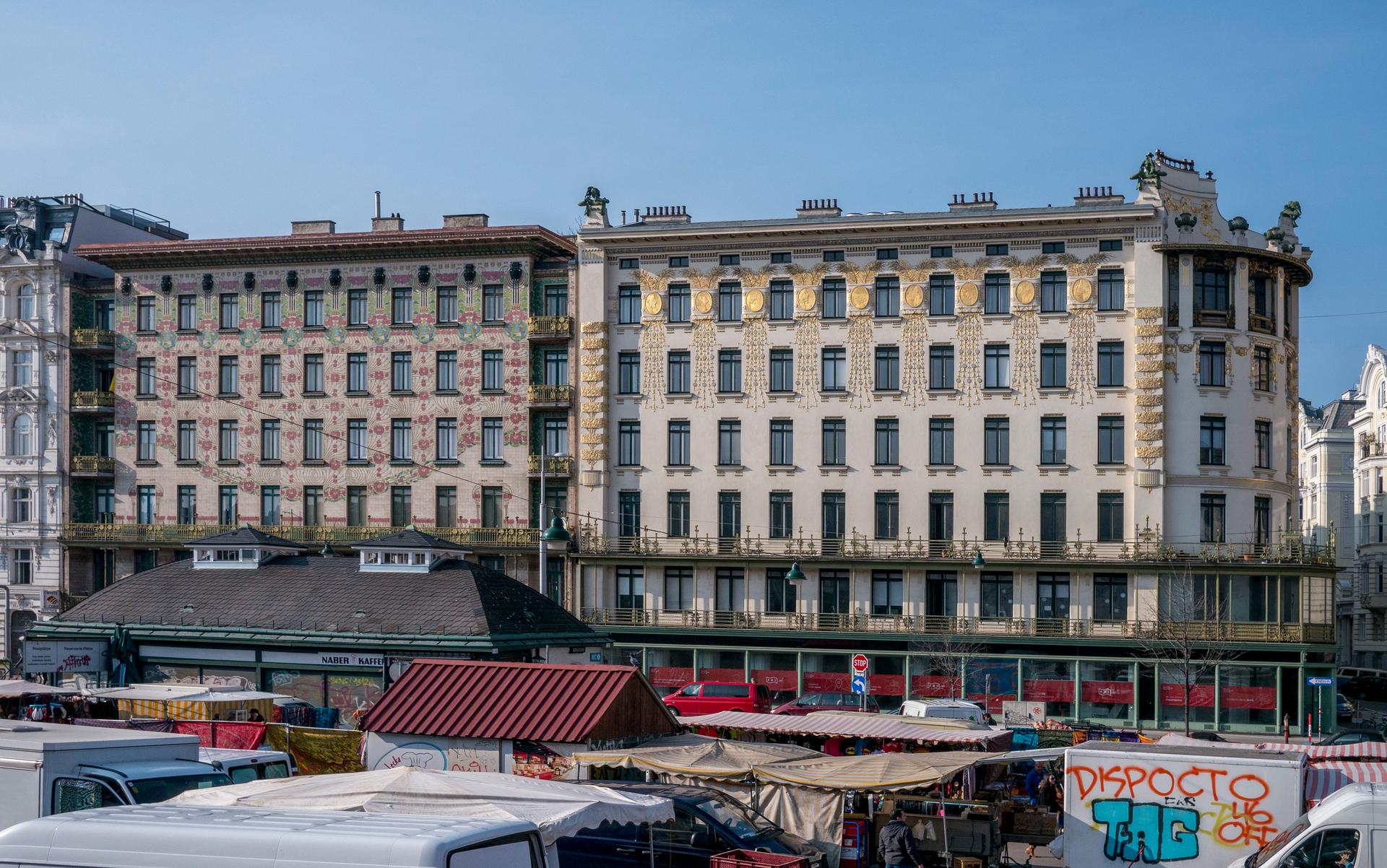
By the nineteenth century the Taborstraße had become the backbone of the district, with shops at street level, workshops in the buildings behind them, and a horse tram from 1865 onwards. The population grew so quickly that within a few decades was one of the most densely populated parts of the city.
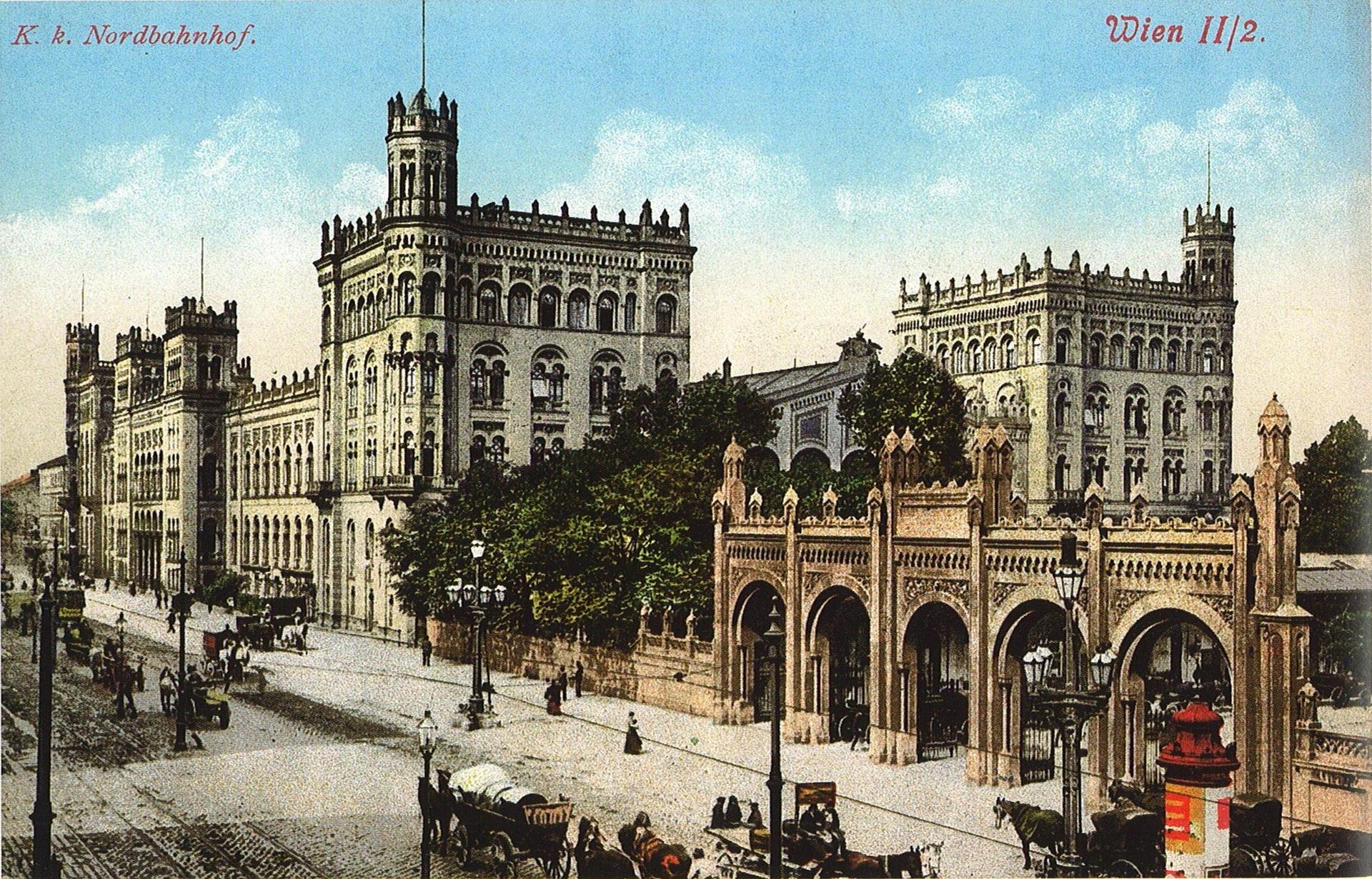
A few streets to the east, stand on a plot of land that has stayed strikingly empty.
Sources. Story: Wien Geschichte Wiki, Stadt Wien; Bezirksmuseum Leopoldstadt, Wien Photos: Nordbahnhof Ansicht 1900, public domain, via Wikimedia Commons