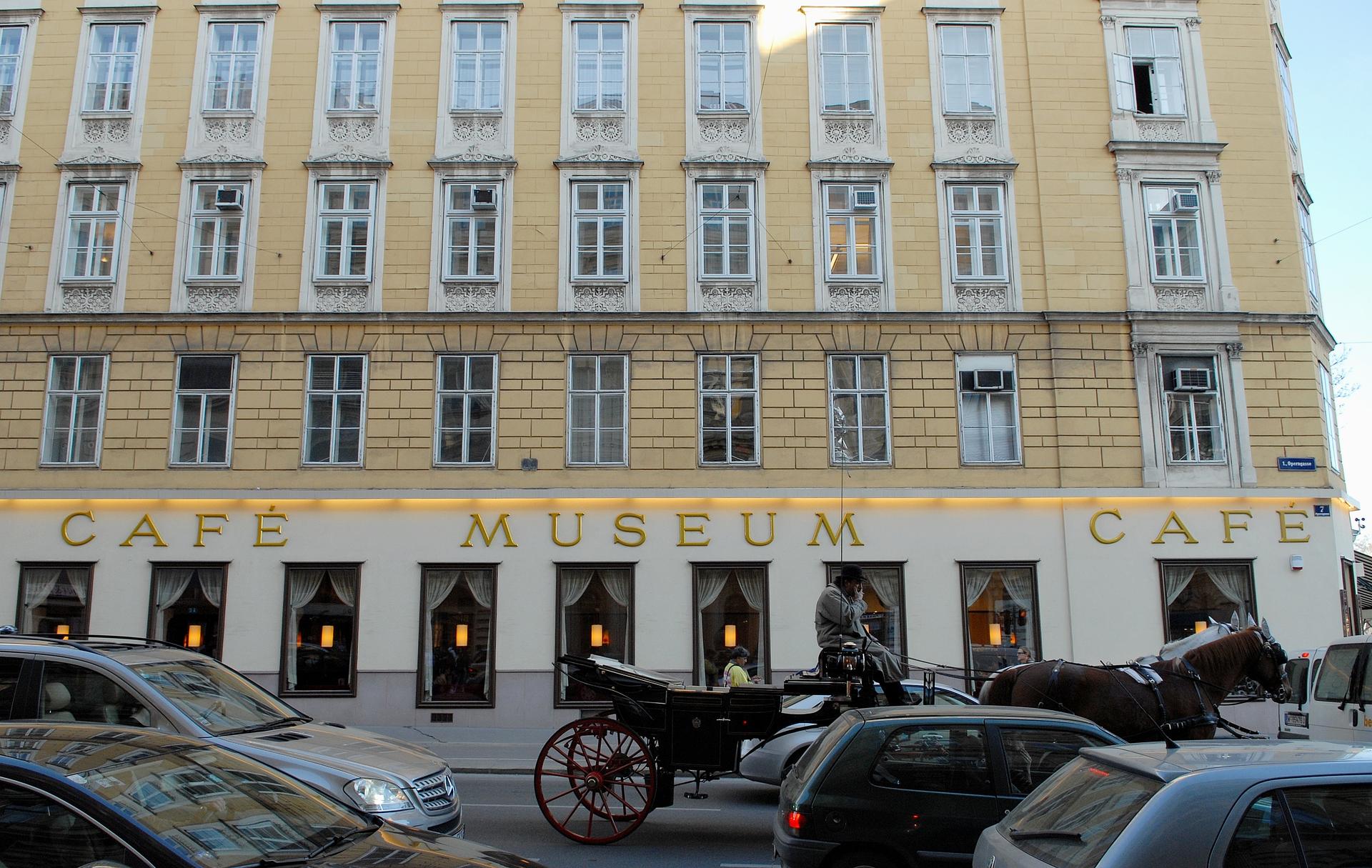
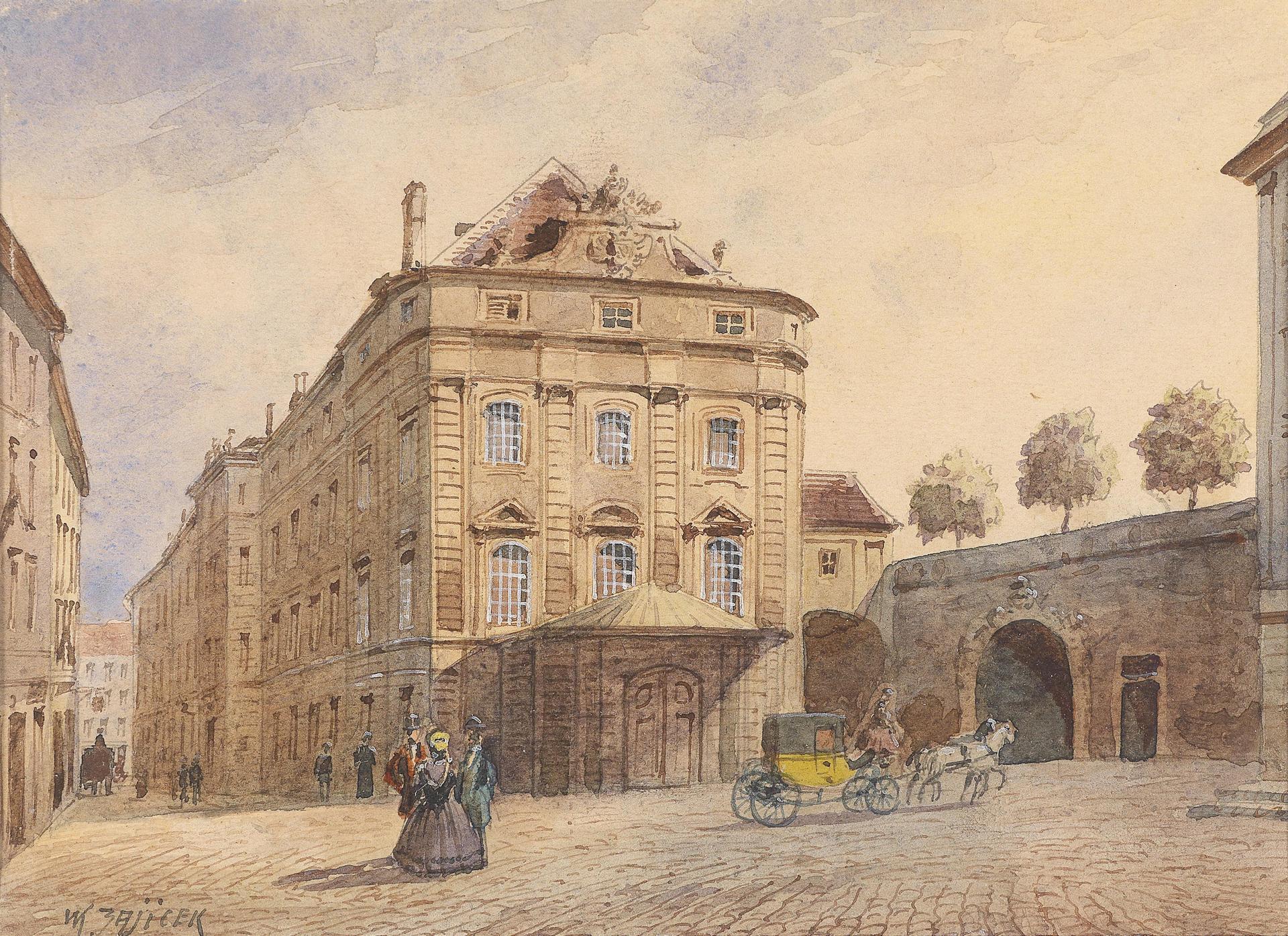
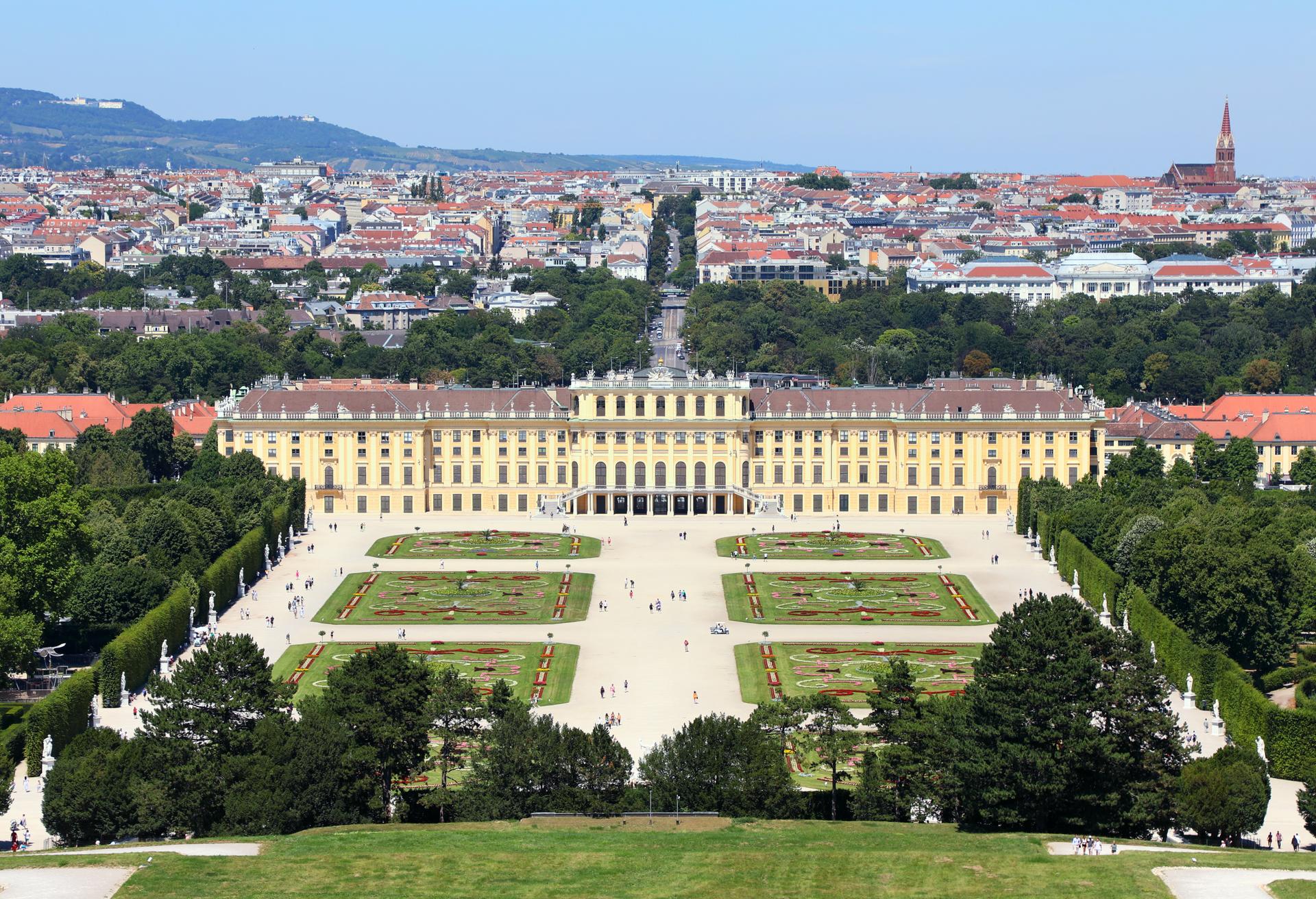
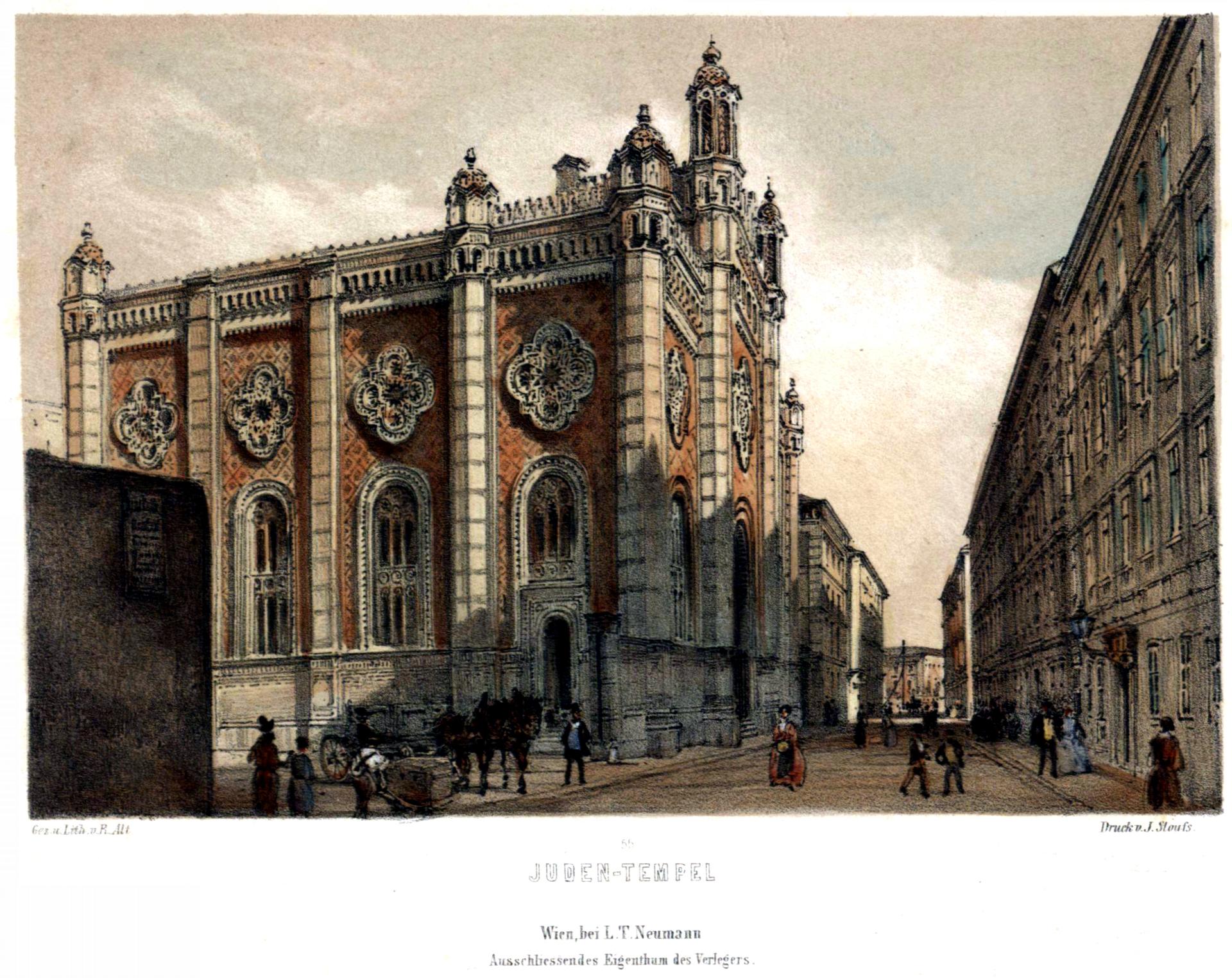
The baroque church across the pond had already stood here for two centuries when everything you've seen this afternoon was dreamed up, and it's the measure that generation pushed against.
The end came faster than anyone expected. In 1918, the last year of the war, , , and all died within ten months of each other, the last two to the . Schiele was twenty-eight. In those same months fell apart.
What was left was a capital four times too big for the country around it, and a legacy that would only be understood decades later, when the paintings that had barely sold here became some of the most expensive in the world.
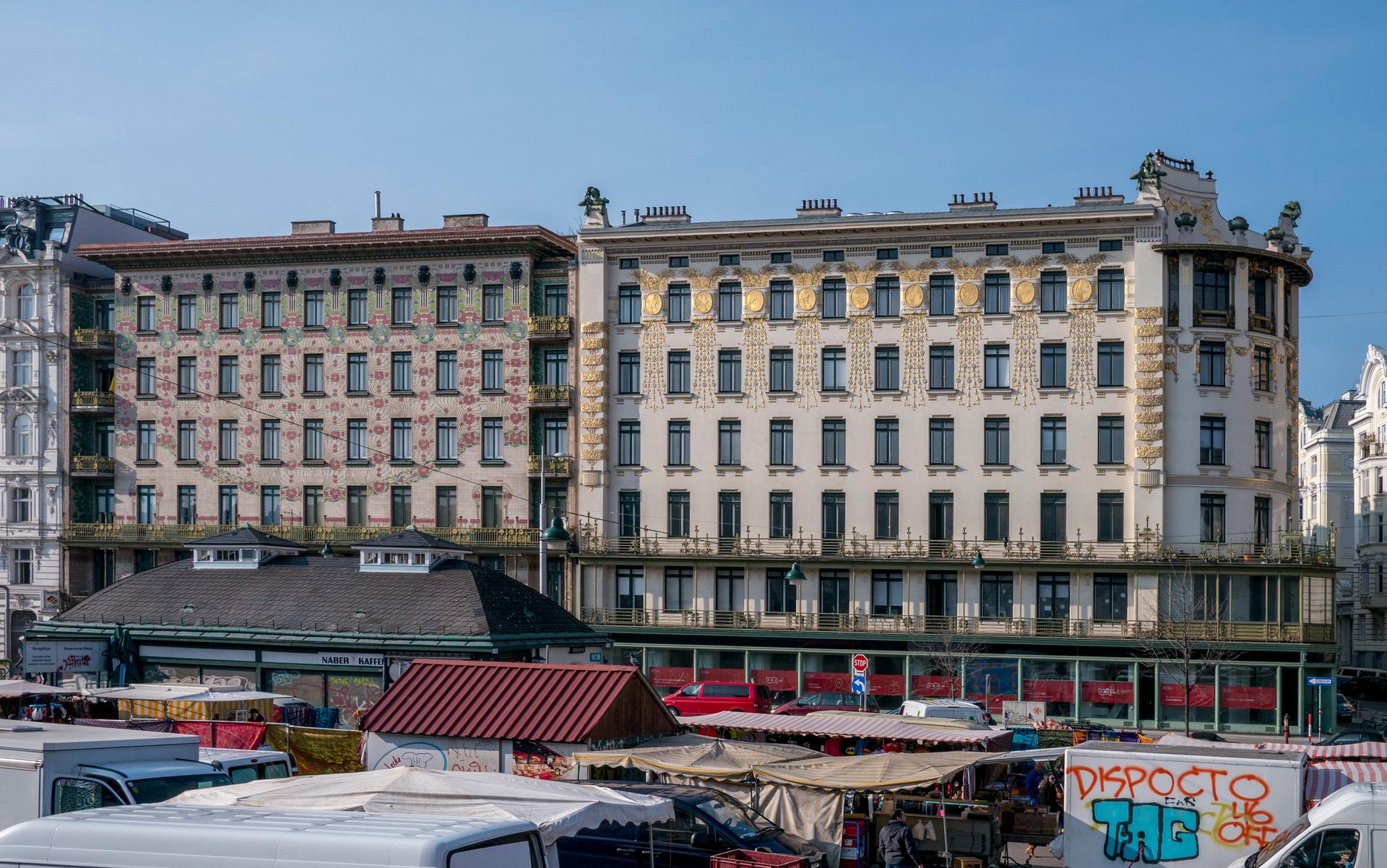
The metro station is behind you, by the pavilions. The U4 line takes you one stop back to Kettenbrückengasse, where this walk began.
Sources. Story: Wien Geschichte Wiki, Stadt Wien; Wien Museum, Wien 1900 collection