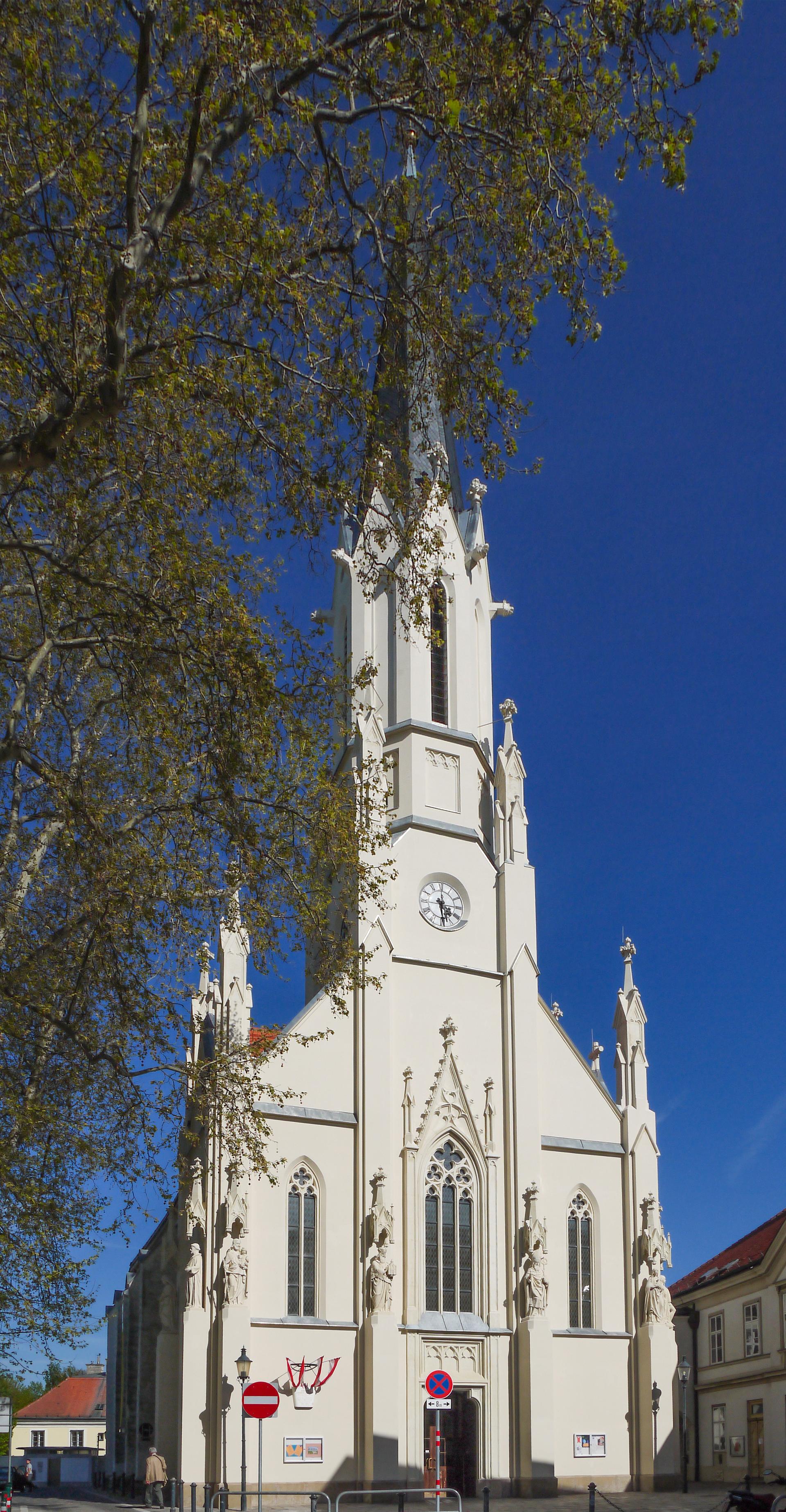
Long before there was a standing next to it, people came to this village for the church. had a statue of Mary that was said to work miracles, and pilgrims walked here from all over the surrounding area.
Twice it went wrong. In 1529 and again in an passed by Vienna, and the villages outside the walls lay unprotected in open country. Both times Hietzing burned, the church along with the village, and both times it was built back up again. What you see now is the baroque version from after that second destruction.
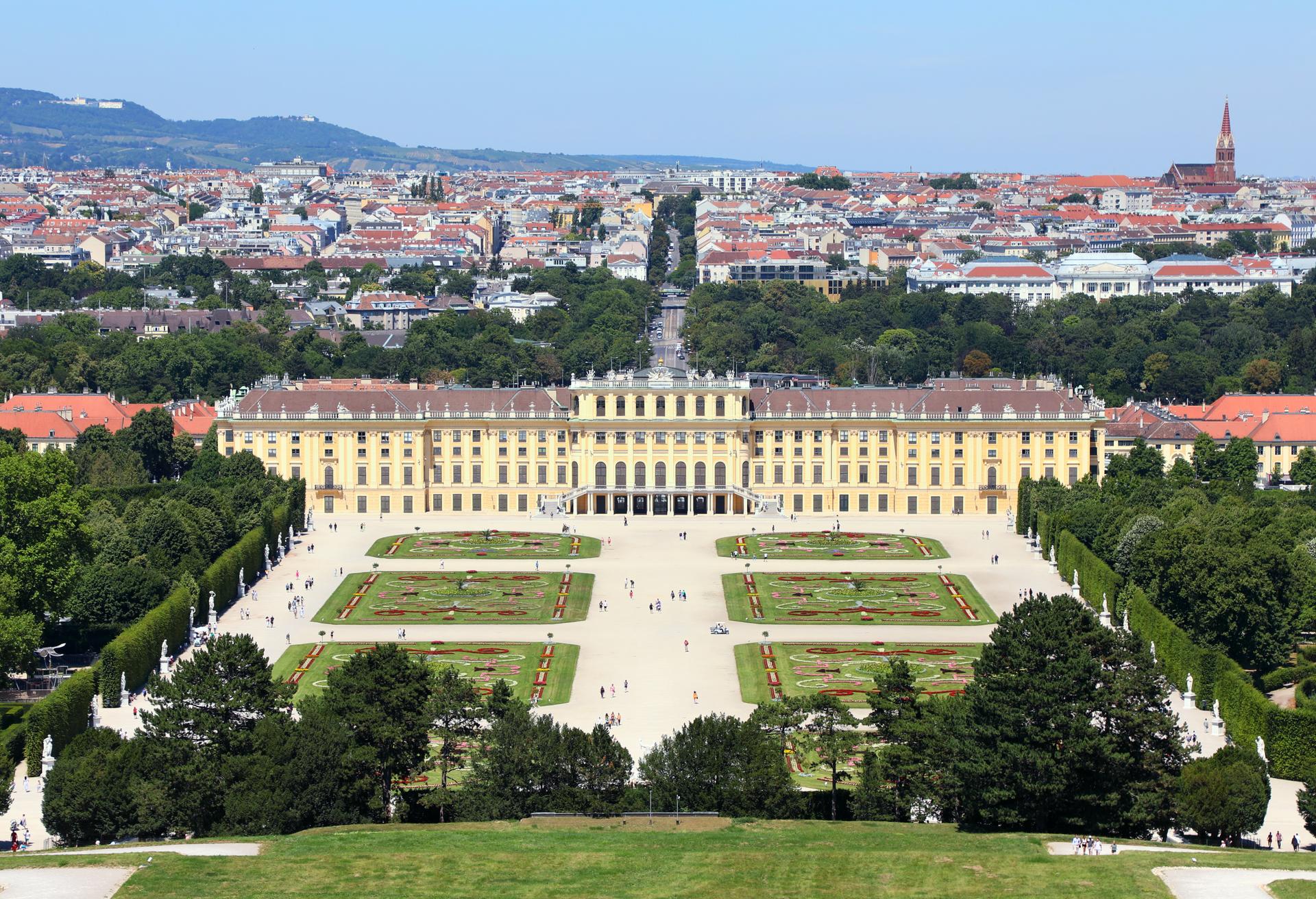
The rebuilding went quickly, and that had everything to do with the neighbours. The sat within walking distance and wanted a respectable parish church for its staff and its guests, so there was money and there was urgency.
Inside you'll find a high altar from the end of the seventeenth century, made by a court sculptor who also worked on the palace.
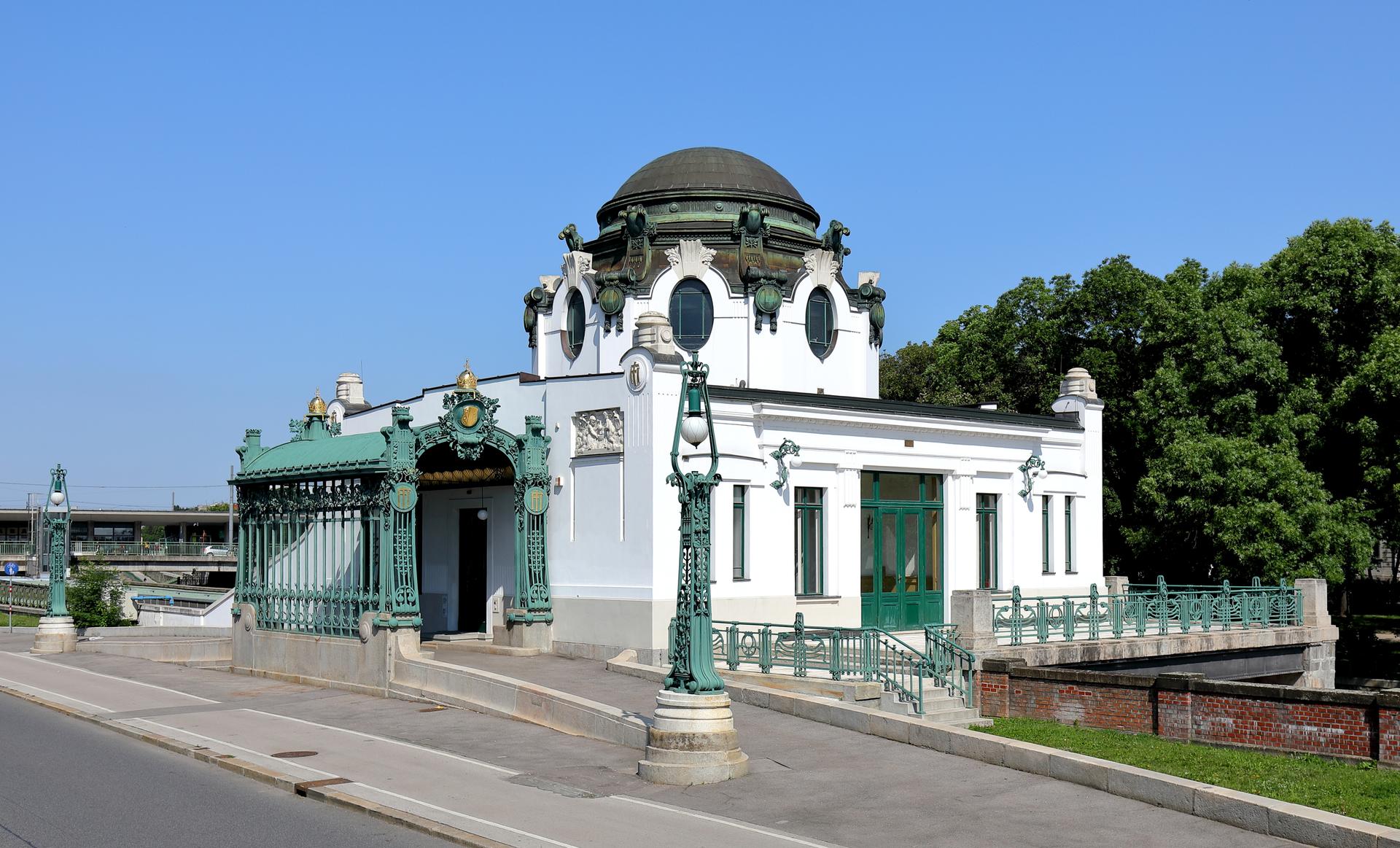
Towards the bridge stands a small white building that looks like a pavilion and turns out to be a station.
Sources. Story: Wien Geschichte Wiki, Stadt Wien; Pfarre Hietzing, parish archive Photos: Hietzinger Pfarrkirche, via Wikimedia Commons