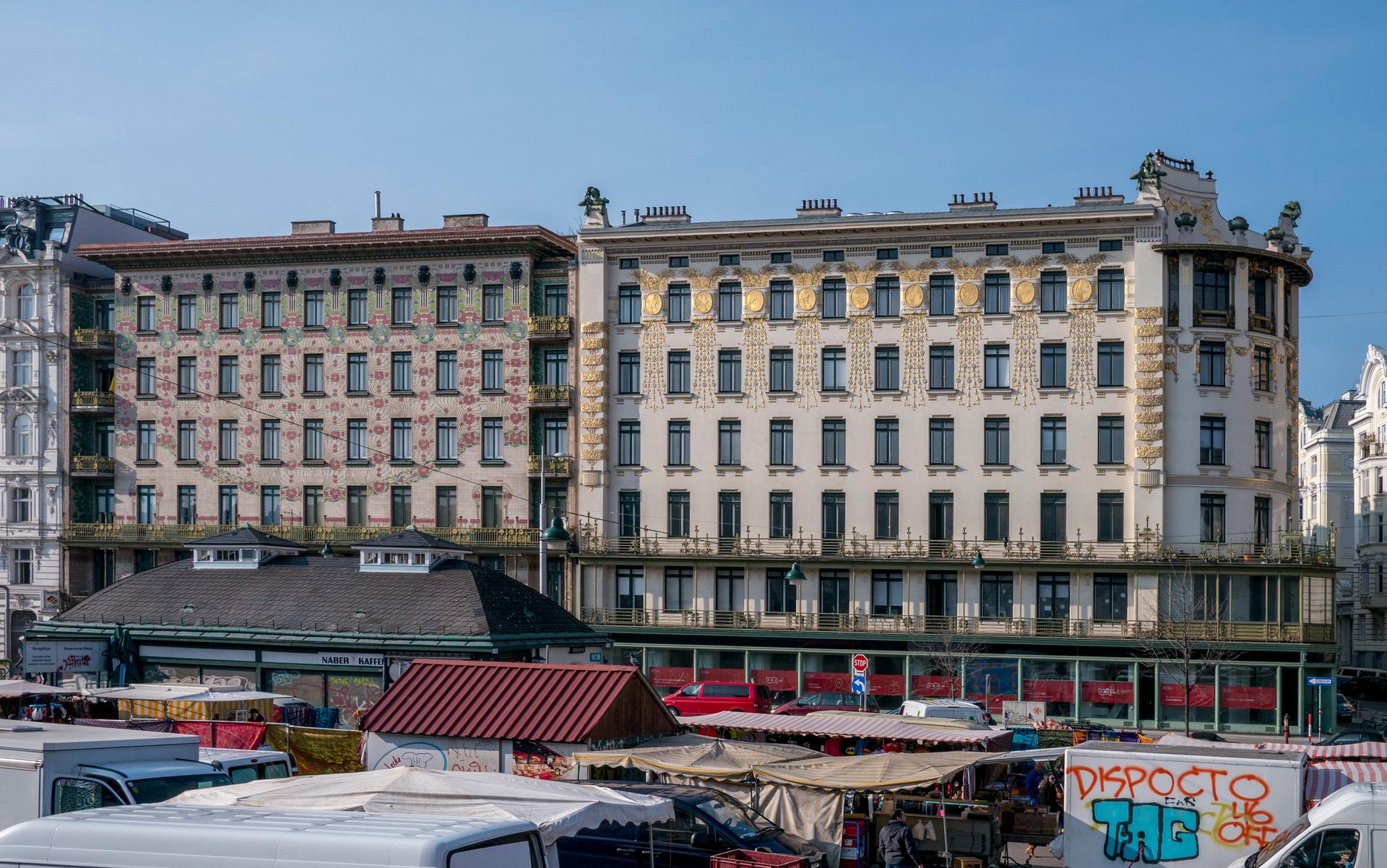
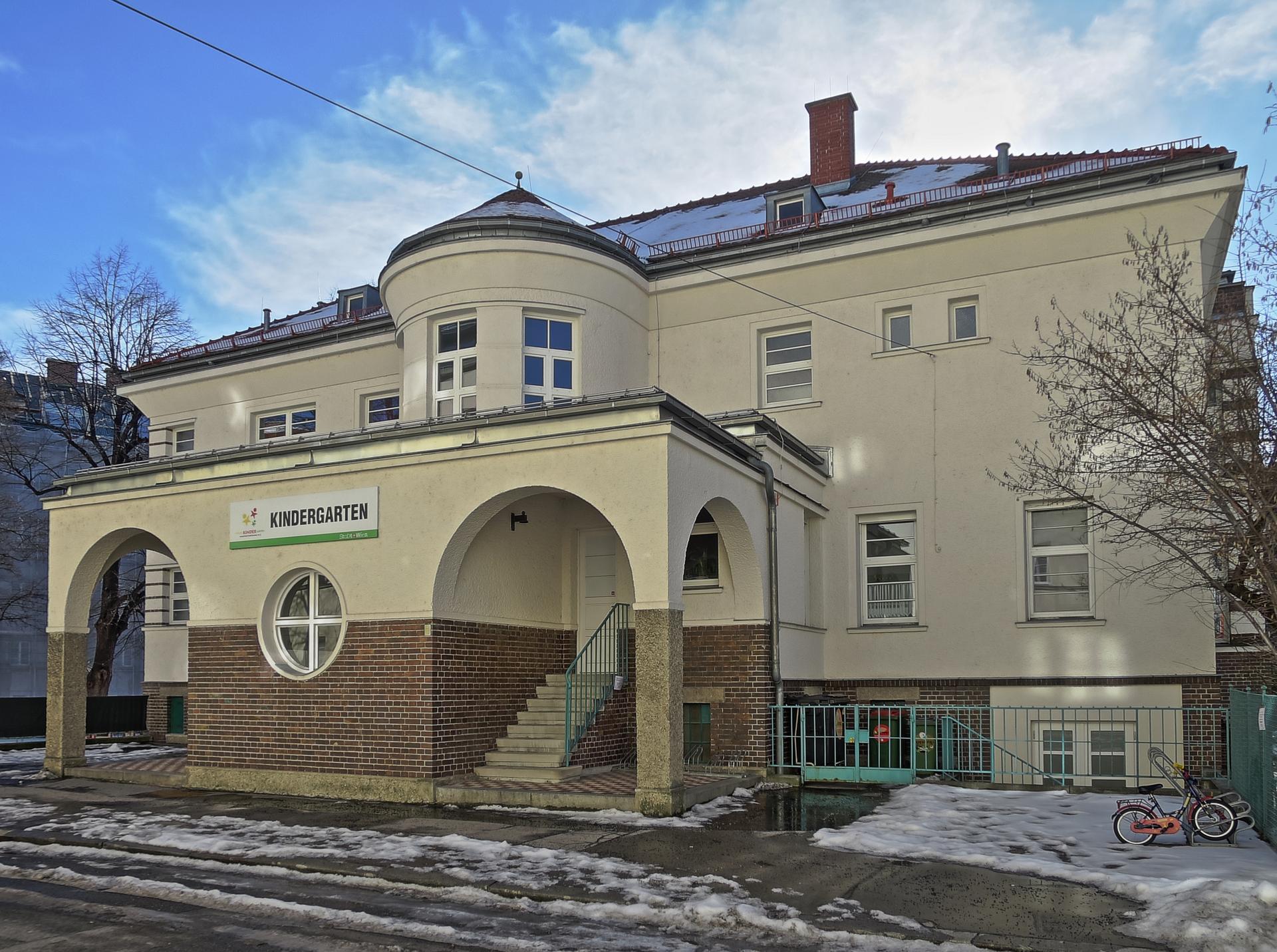
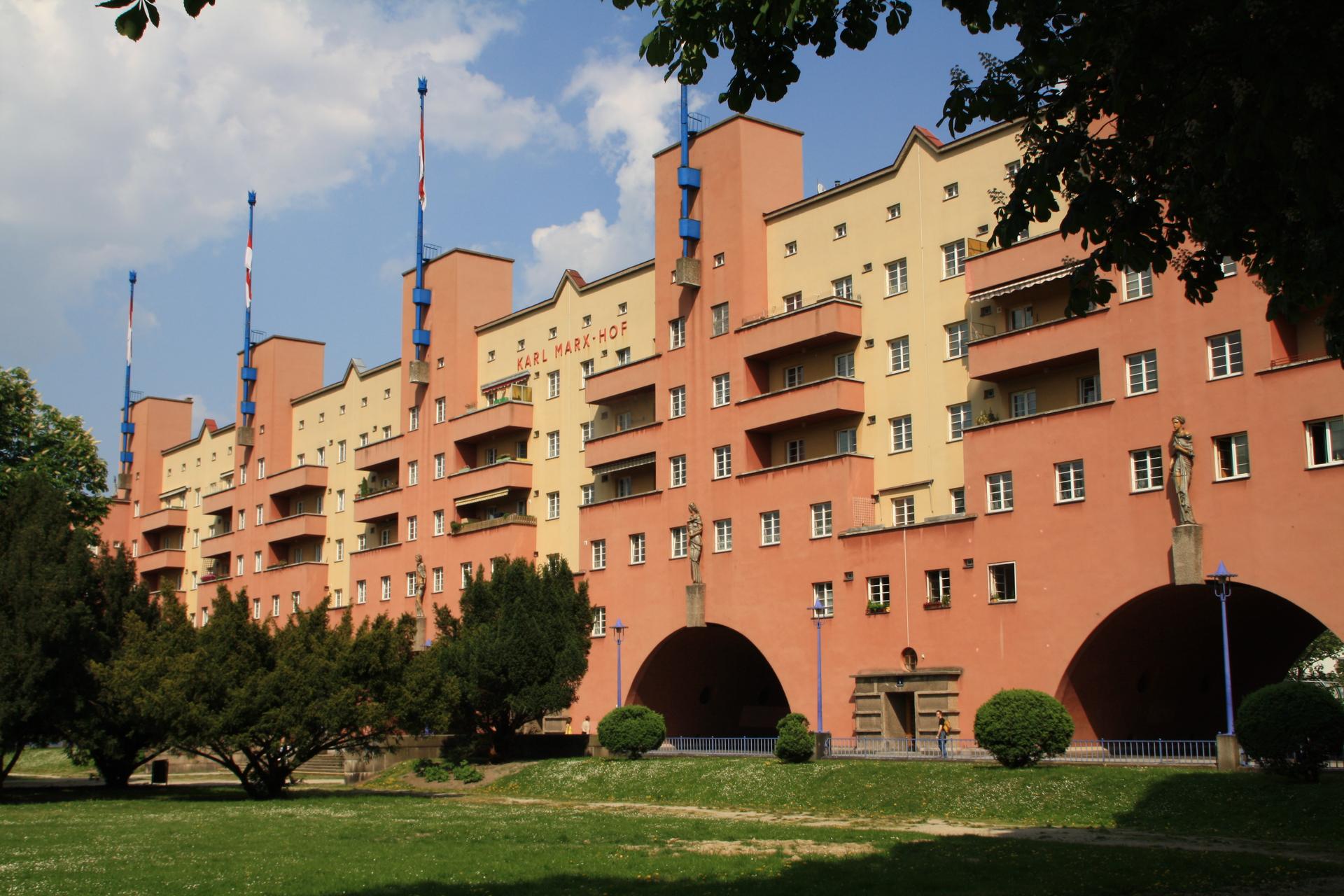
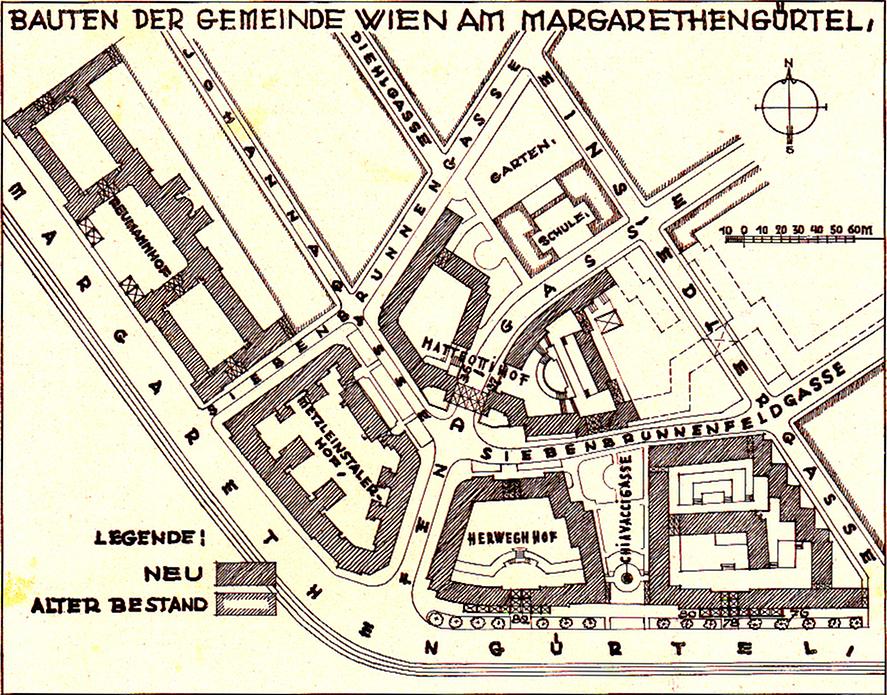
More has survived of the fifteen years you've just walked through than of most political experiments from that era, because Vienna today owns well over two hundred thousand , home to half a million people, roughly a quarter of the city.
Those flats were never sold off, and they aren't reserved for the very poorest, so a teacher, a bus driver and a department head can all live in the same stairwell. That broad access is exactly what keeps the system standing, because a public provision the middle class also uses keeps its political defenders. It goes a long way towards explaining why living in this city has stayed more affordable than in comparable capitals, and why city officials from all over the world come here to see how it works.
Building carried on after 1945, in other forms and with other architects, and the city still puts up new complexes today. Almost all the courtyards from the twenties are still standing too, lived in and maintained, so what you saw this afternoon is housing rather than a monument.
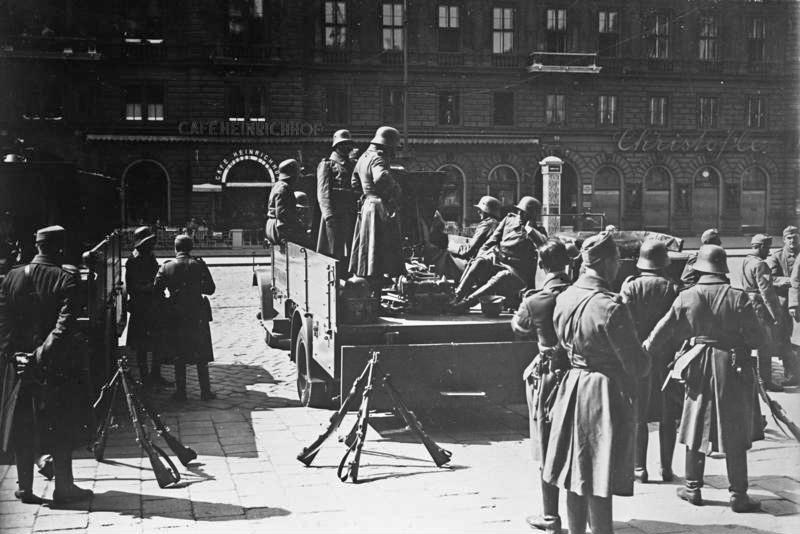
The names that were chiselled off the facades in have been back up there since 1945, and washing still hangs out to dry in the courtyards you passed.
Take the U4 one stop back to , where you started.
Sources. Story: Wien Geschichte Wiki, Stadt Wien; Stadt Wien, Wiener Wohnen Photos: Karl-Marx-Hof, Thomas Ledl, CC BY-SA 3.0, via Wikimedia Commons