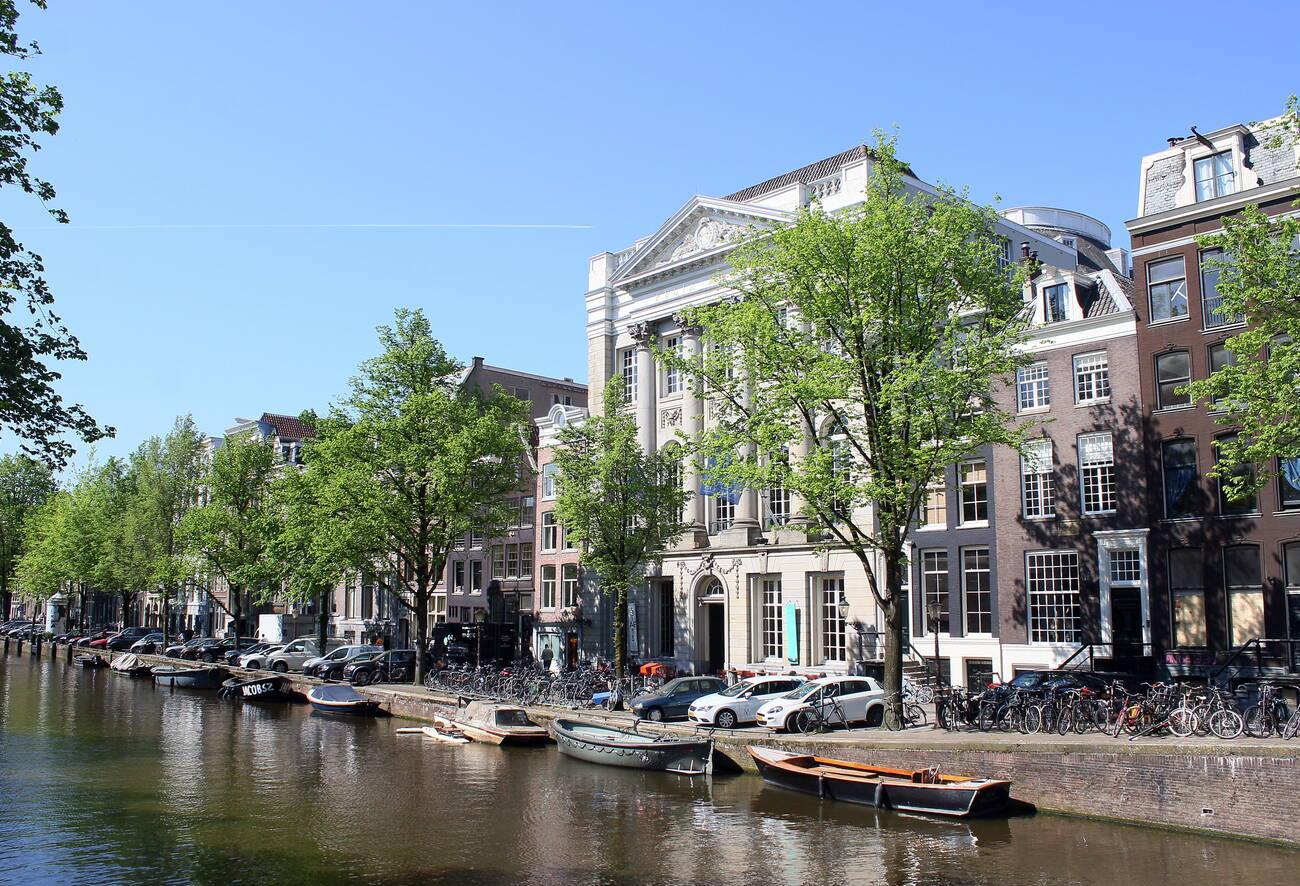
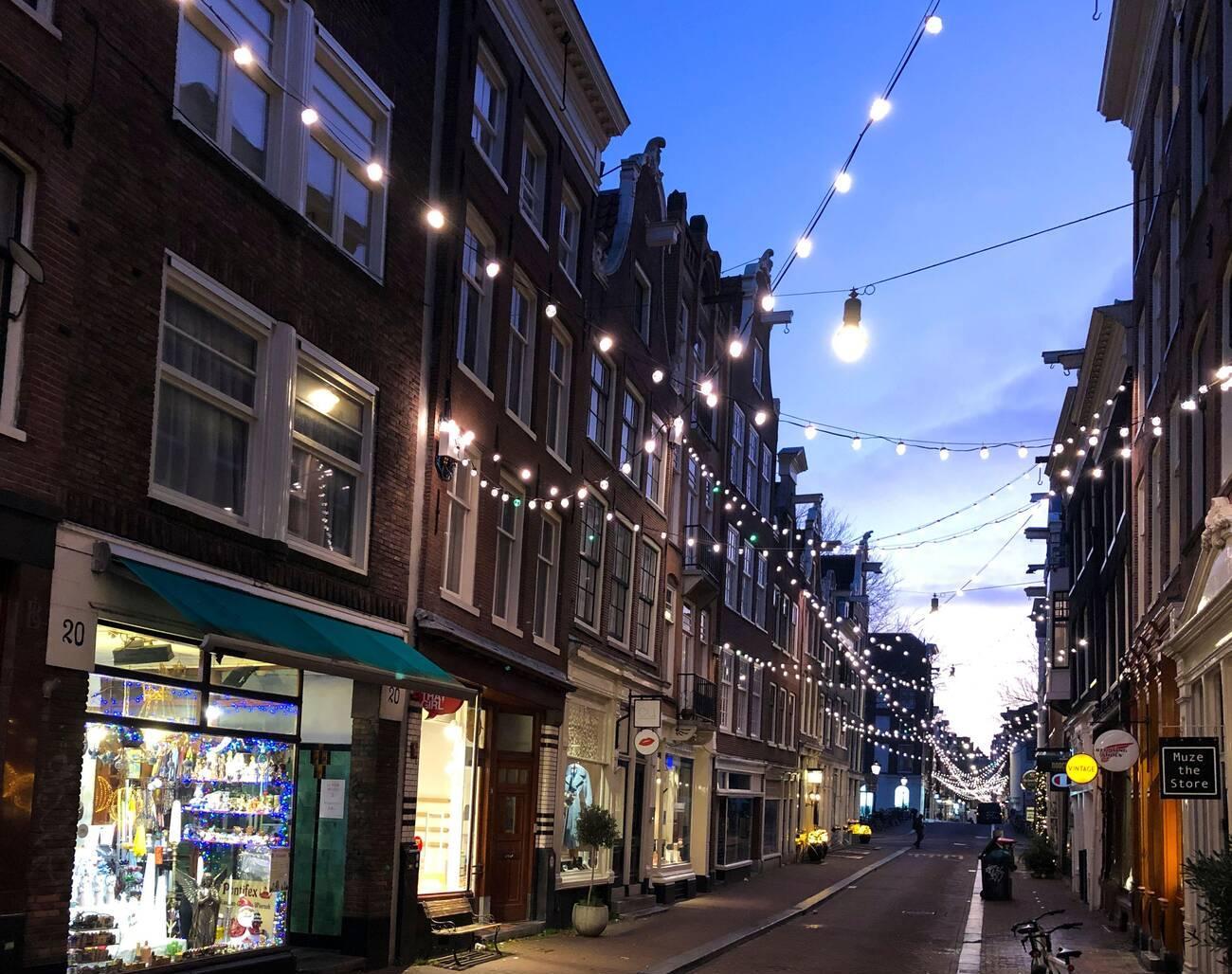
On the by the Wolvenstraat you are standing in the middle of the Nine Streets, three rows of three side streets linking the Singel, the Herengracht, the Keizersgracht and the Prinsengracht. What you see is shop windows full of second-hand dresses, cheese, books and old brown cafés, and what you hear is mostly bicycle bells.
The names of the streets come from somewhere else entirely. Wolvenstraat, Berenstraat, Hartenstraat, Reestraat, Huidenstraat and Runstraat all point back to the trade in hides and pelts, to wolf and bear and deer. The worked here long before the was laid out over their yards in the seventeenth century. It was foul work, with vats of bark, lime and urine, which is why the city preferred to keep it just beyond the built-up edge.
Little of that survives apart from the words on the street signs, and even the collective name is young. In the nineteen-nineties the shopkeepers here decided that nine streets together sounded better than nine separate addresses, and the name has been on maps, in guidebooks and on the signs ever since.
If this leaves you curious, our walks through Amsterdam lead into neighbourhoods most visitors pass straight by.
Sources. Photos: Stadsarchief Amsterdam